Darren Lynn BousmanAll directors
Horror movies directed by Darren Lynn Bousman
The Horror Database (THDB) tracks 14 horror movies directed by Darren Lynn Bousman. As a group they run moderately intense (average intensity 3.2/5), lean toward slow-burn dread, and average 3.3/5 on gore. Newest first; every profile describes how the movie scares, spoiler-free.
Every horror film directed by Darren Lynn Bousman on The Horror Database
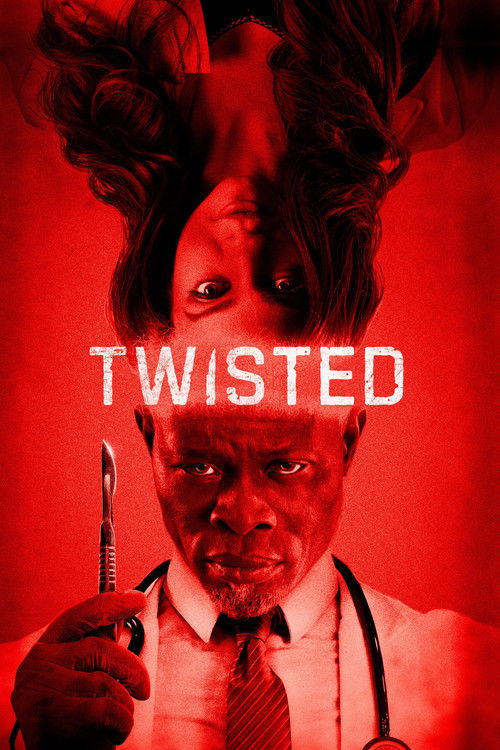
Twisted
2026 · home invasion
How Twisted scares: Twisted sounds like it builds from a con-artist setup into a trap you can't escape, with the fear coming from realizing you're outmatched by someone more dangerous than you. Expect grounded, human danger rather than anything supernatural, with tension that ramps up once the scam goes wrong. Given the director's history with harder-edged horror, there's likely some real physical threat and squirmy moments rather than pure jump-scare theatrics. It reads like the kind of thriller-horror that's uncomfortable and mean-spirited in the moment rather than something that haunts you for days.
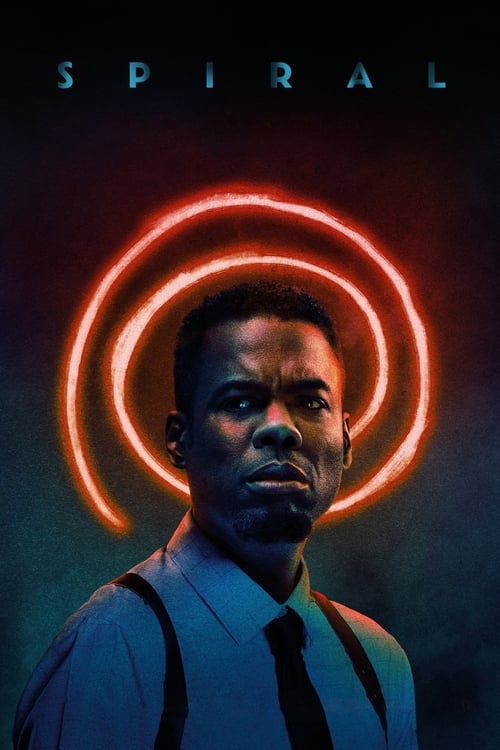
Spiral: From the Book of Saw
2021 · torture
How Spiral: From the Book of Saw scares: It opens like a cop drama, following a detective digging into copycat killings, before sliding into the trap-based horror the series is known for. The pace alternates between slower investigation scenes and sudden, drawn-out sequences where victims are stuck in brutal devices, so the scares come from watching pain unfold rather than from jump scares. The threat is entirely human and mechanical, not ghostly, and the camera doesn't look away from the blood and injury. It's more about stomach-churning discomfort and gross-out shock than deep psychological dread, made for people who want a grisly, gruesome ride rather than a quiet slow-build scare.
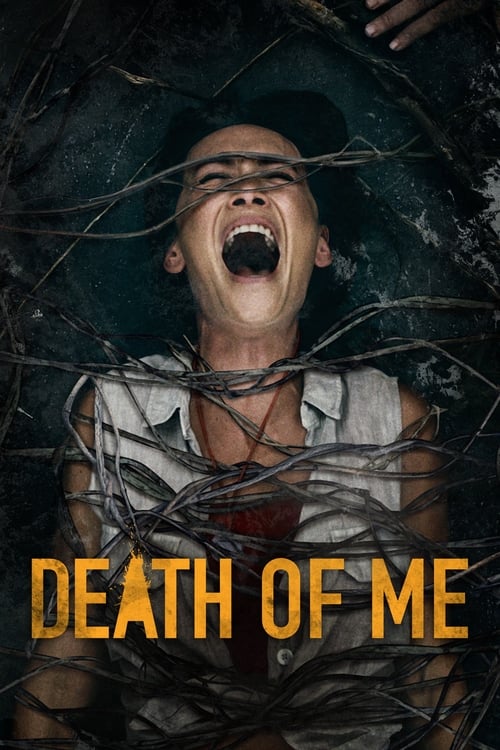
Death of Me
2020 · folk horror
How Death of Me scares: The story starts with a groggy, confused morning-after feeling and slowly tightens into paranoia as the couple piece together fuzzy memories from the night before. It unfolds at a deliberate pace, letting dread build through unease and strange details rather than throwing constant scares at you, though it does pick up with some jarring, hallucinatory moments as things unravel. Most of the fear comes from losing control of your own mind and surroundings rather than pure physical danger, though there's real bodily threat once things escalate. It's a heavier, unsettling watch better suited to people who like slow-building weirdness over quick jump scares.

St. Agatha
2018 · survival horror
How St. Agatha scares: St. Agatha builds its fear through dread and helplessness rather than jump scares, trapping its main character in a place where cruelty hides behind rules and routine. The scares come from feeling trapped and controlled, with bursts of physical punishment and body horror mixed in as things get more desperate. It leans grim and upsetting rather than fun, with a nasty streak once the abuse escalates. This one's for people who like nunnery horror and survival stories about escaping a truly awful place, not those looking for a light scare.

Abattoir
2016 · haunted house
How Abattoir scares: The story unfolds like a mystery investigation, moving at a deliberate pace as a reporter digs into a strange legend, with the scares building slowly rather than hitting right away. Once the haunted house itself comes into focus, things shift into more classic ghost-story territory, with eerie visuals and a handful of jolts rather than constant scares. The blood and violence are kept fairly restrained, leaning more on mood, strange imagery, and a gothic, comic-book kind of style. It's the sort of horror movie built for enjoying the ride and the visuals more than being genuinely unsettled afterward.

Tales of Halloween
2015 · anthology
How Tales of Halloween scares: You get a bouncy, candy-bowl mix of quick scares and jokes rather than one steady mood, since each short story has its own director and its own trick to pull. Some segments lean on monsters and witches, others on masked killers or aliens, so the type of scare keeps changing every ten minutes or so. There's a decent amount of blood and gross-out gags, but it's played for laughs and fun more than real dread. This is a good pick for a Halloween party or group watch when you want quick hits of spooky fun instead of anything that sticks with you.
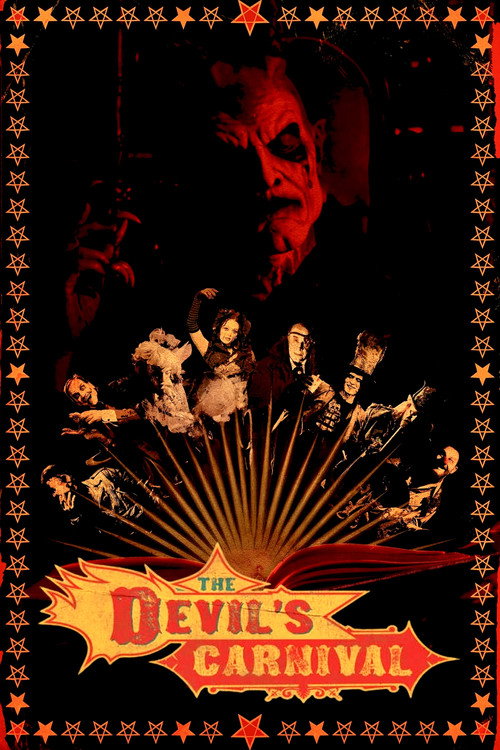
The Devil's Carnival
2012 · dark comedy
How The Devil's Carnival scares: It moves like a stage production more than a horror movie, hopping between musical numbers and short morality-tale flashbacks instead of building one steady scare. The scares take a back seat to the singing, costumes, and theatrical style, so it's more of a dark, twisted fairy tale set to music than something meant to frighten you. Lucifer and his carnival performers are stylish and weird rather than menacing, and the violence stays mild and stagey. This is a good pick if you want moody visuals and catchy dark songs, not something that will actually scare or unsettle you.
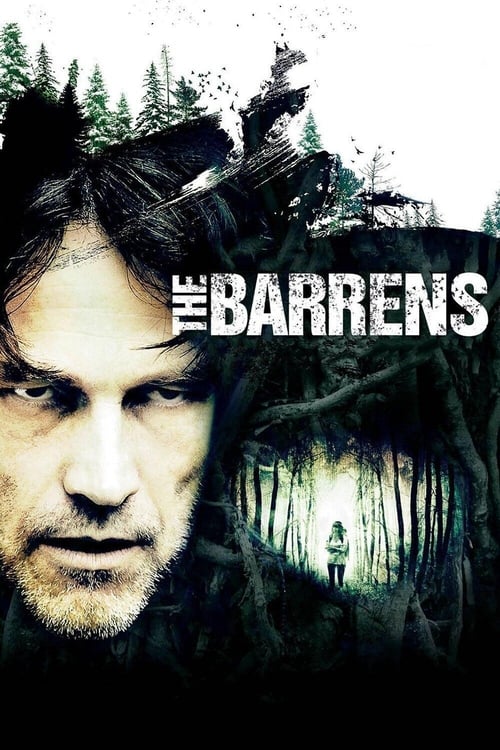
The Barrens
2012 · slow burn
How The Barrens scares: It starts like a normal family camping trip and slowly tips into paranoia, with the tension building more from the father's crumbling mental state than from any monster jumping out. The pace is patient and uneasy rather than jolt-driven, spending most of its time on mounting dread and family friction before things turn violent. Whether the legendary creature is real or just a symptom of one man's unraveling mind is kept fuzzy right to the end. This is more of a slow, uncomfortable watch than a fun scare-fest, better suited to viewers who like ambiguity and tension over jump scares and gore.
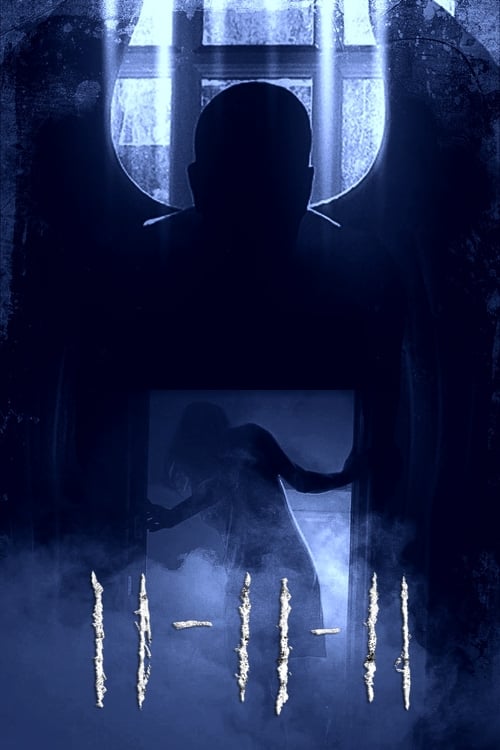
11-11-11
2011 · psychological horror
How 11-11-11 scares: There's a heavy, mournful weight hanging over this one, more grief-drama than thrill ride, with dread that creeps in slowly through strange coincidences and unsettling numbers rather than jolts. The pace is deliberate and moody, spending a lot of time on family tension and loss before the strange occult stuff really kicks in. It leans on unease and a sense that something is closing in rather than gore or chases, so it plays more like a slow psychological puzzle than a scary spectacle. Good for viewers who like quiet, brooding supernatural mysteries more than fast scares.
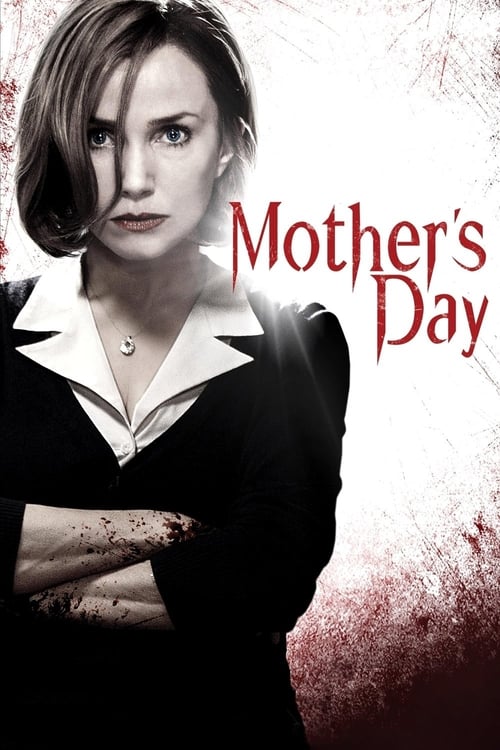
Mother's Day
2010 · home invasion
How Mother's Day scares: You feel trapped and tense almost the whole time, like there's no safe moment to breathe. The movie builds slowly through mounting dread and control games before tipping into sustained, brutal violence, so it earns its scares through helplessness rather than jump scares. The threat here is entirely human — a twisted family holding people hostage in their own home — with no ghosts or monsters to hide behind. It's heavy and mean-spirited rather than fun, more likely to leave you rattled than entertained.
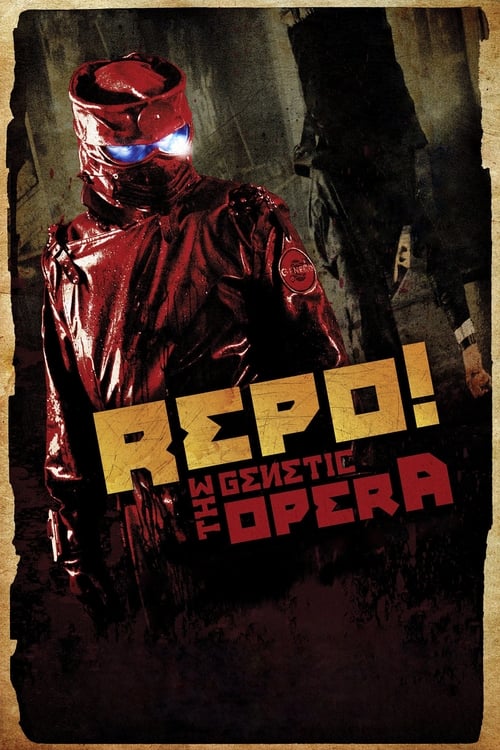
Repo! The Genetic Opera
2008 · horror comedy
How Repo! The Genetic Opera scares: It moves fast and never settles, jumping between sung dialogue, gothic set pieces, and sudden bursts of bloody violence almost like a rock concert crossed with a splatter film. The scares come less from dread and more from shock and spectacle, with surgical horror and stylized killings played for both shock and dark laughs. It's more theatrical and over-the-top than truly frightening, closer to a twisted stage show than a horror movie meant to unsettle you. Good for fans of glam, gore, and musicals who want something weird and gross rather than genuinely scary.
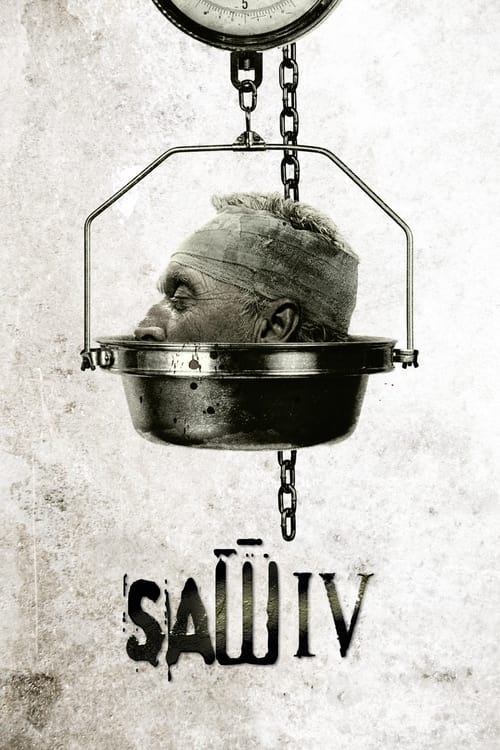
Saw IV
2007 · torture
How Saw IV scares: Watching this feels like being trapped in a puzzle box full of blood and screaming, where every room has a trap waiting to spring. The pace jumps between tense countdown sequences and brutal, drawn-out trap scenes, with flashbacks stitched in to explain how everyone got here. The fear is mostly about bodies being torn apart by machines rather than anything creeping around in the dark, and it leans hard into shock and gross-out moments rather than lasting dread. Good for gore fans who like puzzle-plot horror movies, but it can feel more grim than fun by the end.
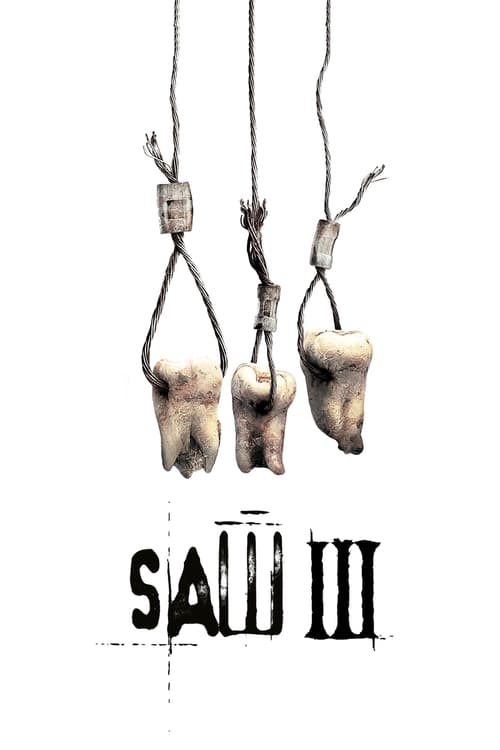
Saw III
2006 · torture
How Saw III scares: Saw III leans hard into brutal, drawn-out torture sequences rather than quick jump scares, dragging out the pain of each trap so you sit with the dread of what's about to happen. The fear here is almost entirely about bodies being broken, cut, and pushed past their limits, with the camera lingering on the damage in graphic detail. There's a thin layer of moral judgment and guilt woven through the games, but the real impact is gut-level discomfort, not creeping dread. This is for viewers who want a hard, grueling watch built on physical suffering more than mood or suspense.
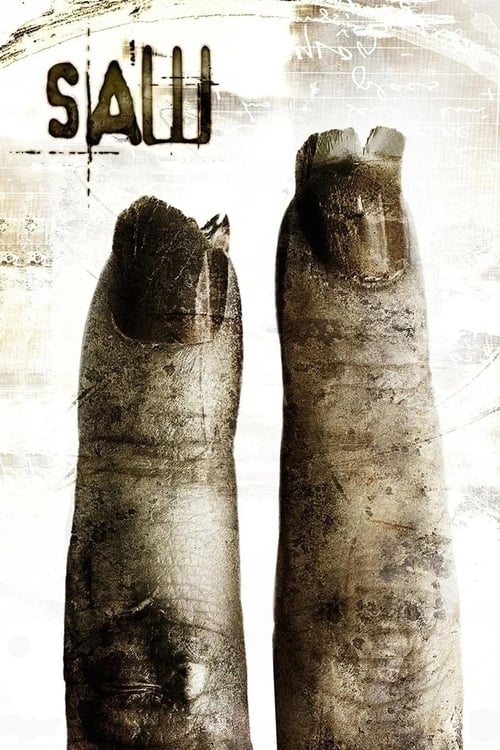
Saw II
2005 · torture
How Saw II scares: It kicks off fast with a trap already in motion, then splits its time between a house full of people trying to survive a ticking clock and a detective story racing to catch up. The middle stretch keeps piling on one grim device after another, so the tension rarely lets up once it starts. Fear here comes from watching people forced into horrible choices and painful traps rather than things jumping out of the dark. It's a rough, nasty ride for people who don't mind graphic violence and want their horror to feel mean and physical.