Freddie FrancisAll directors
Horror movies directed by Freddie Francis
The Horror Database (THDB) tracks 9 horror movies directed by Freddie Francis. As a group they run gentle (average intensity 1.9/5), lean toward slow-burn dread, and average 1.3/5 on gore. Newest first; every profile describes how the movie scares, spoiler-free.
Every horror film directed by Freddie Francis on The Horror Database
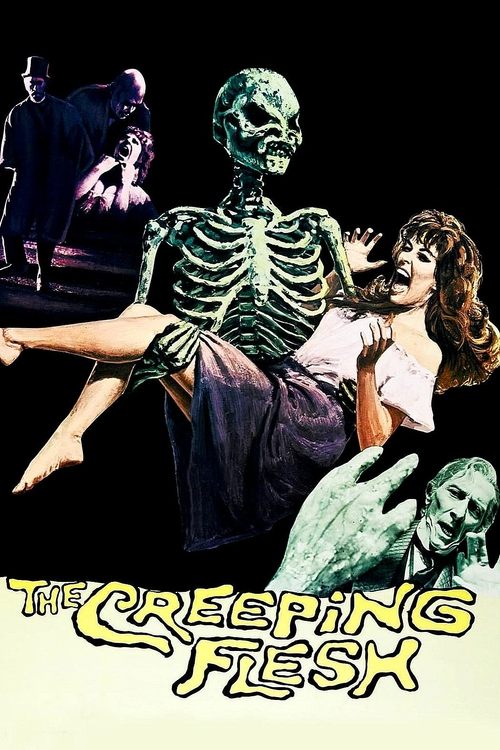
The Creeping Flesh
1973 · gothic
How The Creeping Flesh scares: It opens as a quiet Victorian drama about a scientist and his troubled family before slowly sliding into something stranger and more nightmarish. The pace is deliberate, heavy on mood, fog, and old-fashioned gothic dread rather than shocks or jolts. Fear here comes more from creeping unease, hereditary madness, and a sense of moral rot than from anything jumping out at you. It's a slow, moody period piece that rewards patience more than it delivers thrills.
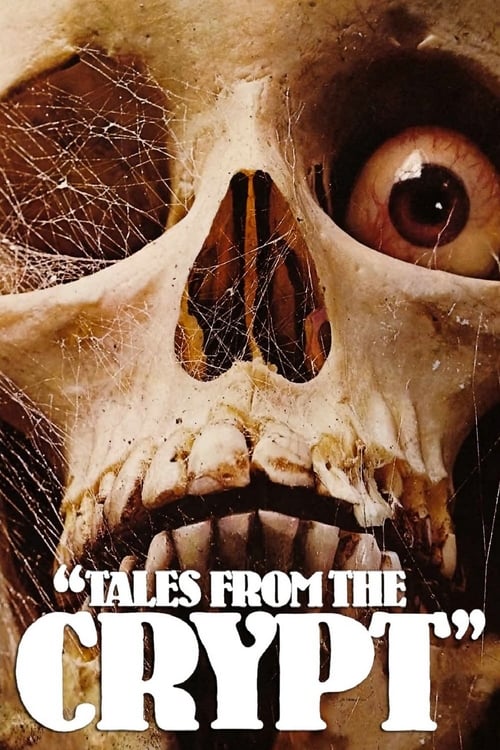
Tales from the Crypt
1972 · anthology
How Tales from the Crypt scares: The movie is broken into separate short stories, each one building slowly toward a nasty, ironic payback rather than throwing scares at you right away. It opens with a spooky framing story in old catacombs, then settles into a steady rhythm of ordinary people getting exactly what's coming to them, often through eerie or supernatural means. The mood is more darkly clever and karmic than truly horrifying, with the fear coming from watching fate close in rather than from gore or chases. It's a good pick if you like old-school horror anthologies with a wicked sense of irony rather than something that will actually unsettle you for days.
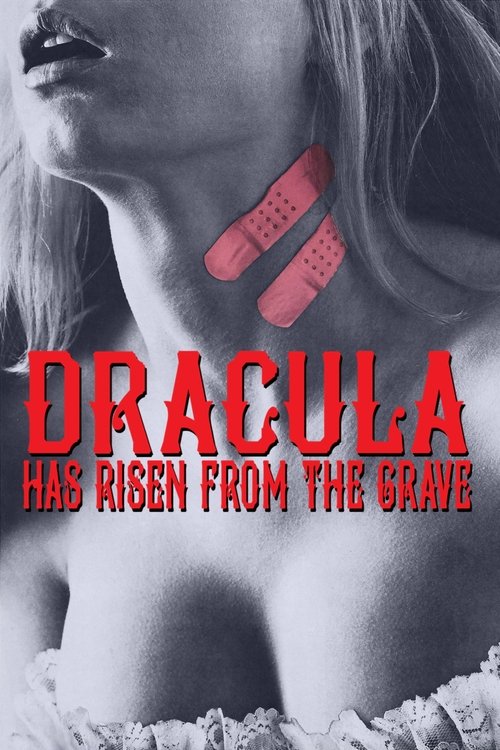
Dracula Has Risen from the Grave
1968 · gothic
How Dracula Has Risen from the Grave scares: Dracula Has Risen from the Grave leans on classic Hammer gothic mood: candle-lit villages, foggy castle ruins, and a sense of old-world dread rather than shocks. The pace is steady and old-fashioned, building tension through atmosphere, religious symbolism, and Dracula's looming presence rather than quick scares. Blood and violence show up but stay fairly restrained by modern standards, more theatrical than graphic. It's the kind of horror that's spooky and moody rather than truly upsetting, great for fans of classic vampire lore and old-school chills.
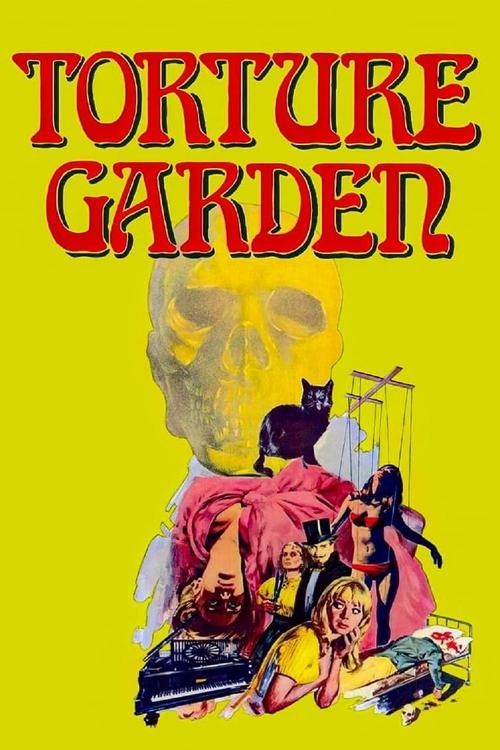
Torture Garden
1967 · anthology
How Torture Garden scares: There's a campy, storybook feel to the dread here, like being told spooky bedtime tales by a carnival barker who's clearly enjoying himself. Each story unfolds slowly with a moralizing, ironic twist rather than any real terror, more eerie fun than actual fright. The threats are devils, curses, and fate itself rather than anything grounded or bloody, and the whole thing has a theatrical, old-fashioned British horror anthology charm. It's a good pick if you want spooky atmosphere and dark humor without anything upsetting or gory sticking with you.
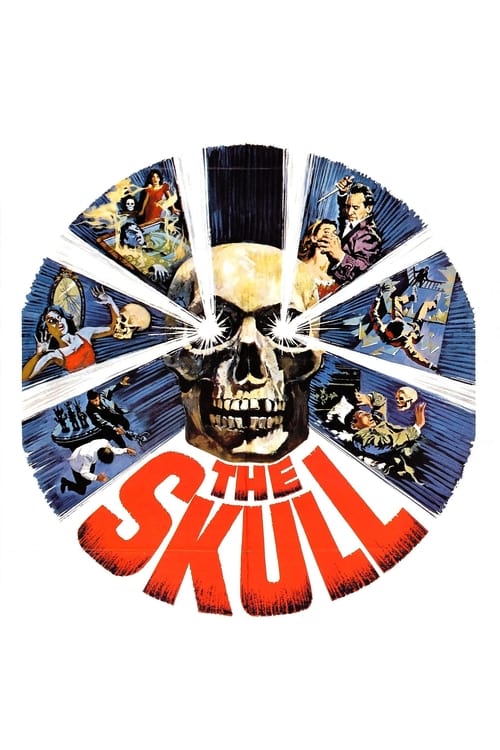
The Skull
1965 · gothic
How The Skull scares: There's a heavy, dreamlike unease to this one, built more on strange visuals and mounting dread than on shocks. The pace is slow and deliberate, almost like an old ghost story told around a fire, with long stretches of quiet tension before anything unsettling happens. It leans on a sense of creeping possession and loss of control rather than physical violence, so the fear is more about watching a man's mind slip than being chased or hurt. Good for fans of old-school British gothic horror who like mood and atmosphere over jolts and blood.
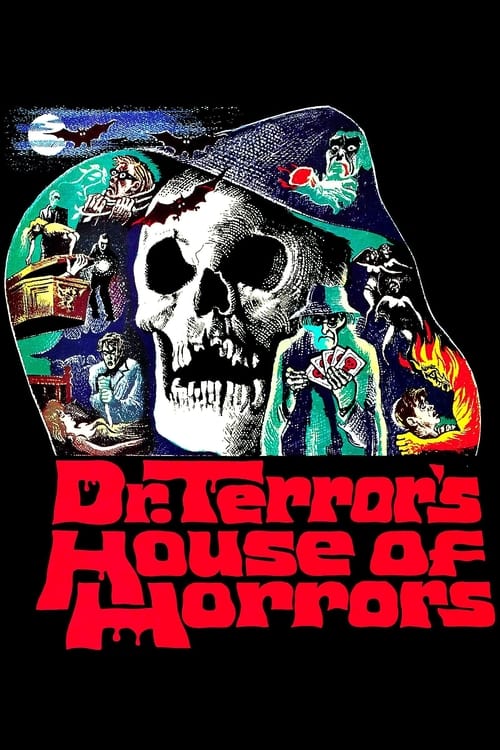
Dr. Terror's House of Horrors
1965 · anthology
How Dr. Terror's House of Horrors scares: There's a cozy, old-fashioned campfire feeling to this one, like listening to five spooky stories told back to back on a train ride. Each segment moves at a gentle, old-school pace, building up its little mystery before a mild payoff instead of jolting you with scares. The dangers are all fantastical, werewolves, vampires, killer plants, and cursed magic, so it never feels like real-world danger, and there's barely any blood or violence shown. It's the kind of horror you watch for fun with friends, more charming and silly than frightening, and it won't stick with you after the credits roll.
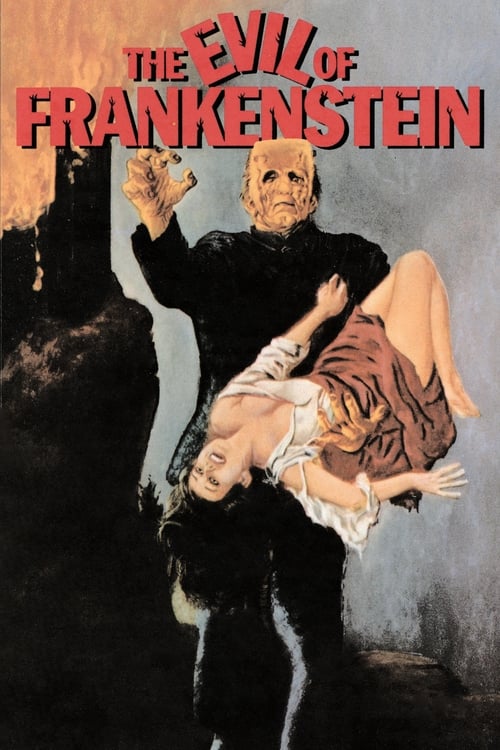
The Evil of Frankenstein
1964 · monster movie
How The Evil of Frankenstein scares: The Evil of Frankenstein is a classic Hammer-style gothic monster movie, built more for mood and old-fashioned melodrama than genuine terror. It leans on castle sets, fog, and a lumbering creature rather than jump scares or dread, so the pace is steady and theatrical rather than tense. There's some physical menace once the monster is under someone else's control, but it plays as adventurous pulp rather than anything upsetting. This is a comfortable, old-school horror pick for fans of classic monster movies, not something meant to haunt you.
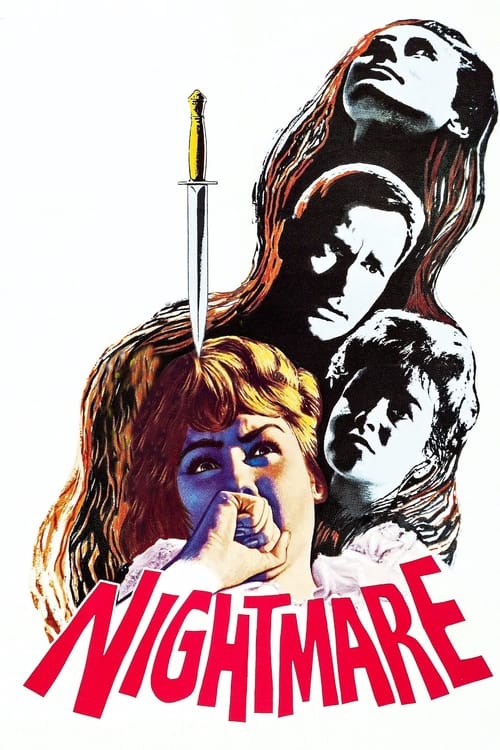
Nightmare
1964 · psychological horror
How Nightmare scares: Nightmare builds its fear slowly, through shadowy hallways, uneasy silences, and a growing sense that someone's grip on reality is slipping. There's almost no blood and barely any sudden shocks; instead the dread comes from not knowing what's real and watching a fragile mind get pushed further into panic. It's a moody, black-and-white gothic thriller more about unease and manipulation than monsters, closer to a slow psychological squeeze than a scare ride. Good for viewers who like quiet, old-school dread over jump scares or gore.

Paranoiac
1963 · gothic
How Paranoiac scares: It opens like a moody family drama about grief and old money, then slowly tightens into a slow-burn mystery about who's lying and who's losing their mind. The pace is patient and talky, built on long scenes of suspicion and unease rather than shocks, with the dread creeping in through looks, secrets, and questions about identity. There's very little violence on screen; the fear here is all about not being able to trust your own family or your own memory. It suits someone who likes old-school gothic thrillers with a slow, simmering feel rather than fast scares.