George A. RomeroAll directors
Horror movies directed by George A. Romero
The Horror Database (THDB) tracks 15 horror movies directed by George A. Romero. As a group they run moderately intense (average intensity 3.1/5), lean toward slow-burn dread, and average 3.0/5 on gore. Newest first; every profile describes how the movie scares, spoiler-free.
Every horror film directed by George A. Romero on The Horror Database
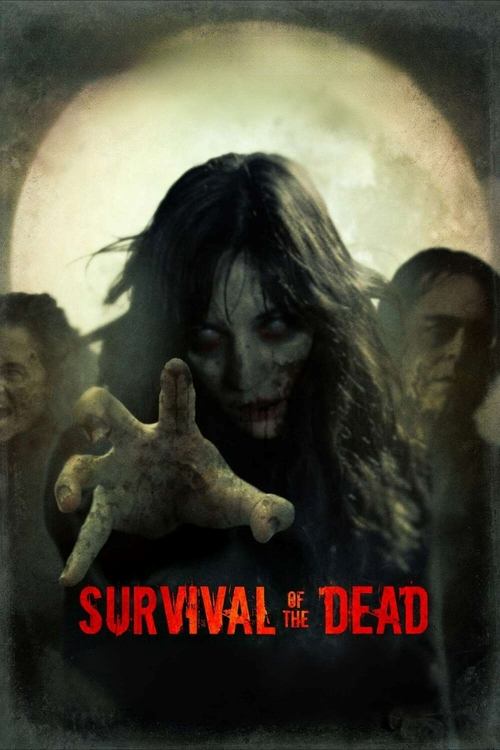
Survival of the Dead
2010 · zombie
How Survival of the Dead scares: You watch this more for zombie mayhem and dark humor than for real fear. The pace is steady and plot-driven, following a family feud and a struggle to survive on an island, with zombie attacks breaking up the talk rather than nonstop scares. Blood and creature effects show up often, but the tone stays more darkly funny than upsetting. It's a good pick if you want gory zombie action with a satirical edge rather than something that will actually scare you.
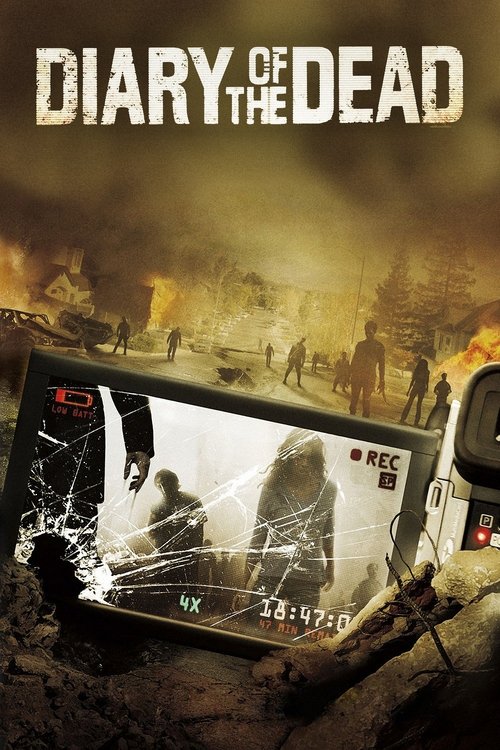
Diary of the Dead
2007 · zombie
How Diary of the Dead scares: It opens like a low-budget student film shoot, all shaky cameras and inside jokes, then slowly turns into a road trip through a collapsing world as the group tries to get home while filming everything along the way. The pace stays jumpy and raw, mixing quiet dread with sudden bursts of violence rather than leaning on jump scares. Because it's shot like real handheld footage, the danger feels close and messy instead of polished, and the movie spends as much time worrying about what it means to film disaster as showing the disaster itself. It's a solid pick if you like zombie gore mixed with some uncomfortable thoughts about people watching tragedy through a screen.
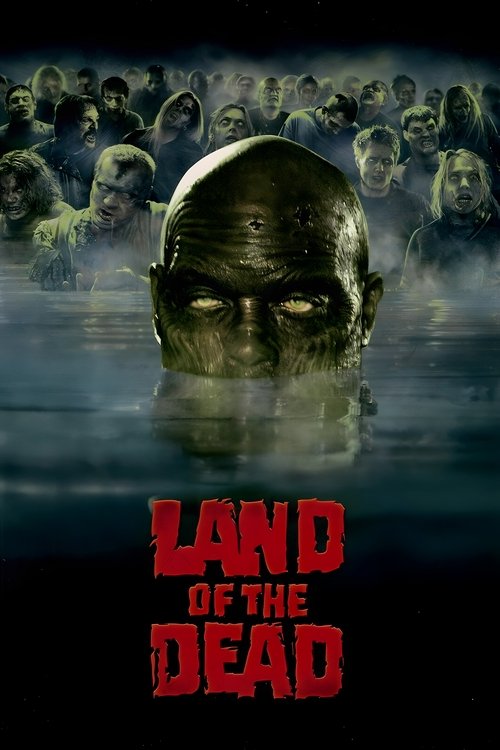
Land of the Dead
2005 · zombie
How Land of the Dead scares: You get a tense, action-driven survival feel more than quiet dread, with zombie hordes closing in and gunfire and chaos breaking out often. The fear leans heavily on physical danger and being overrun rather than getting into your head, and there's plenty of blood and messy zombie kills on screen. Under the action there's some sharp social commentary about class and power, which gives it a bit more weight than a pure shoot-em-up. It's a solid pick if you want zombie carnage and tension rather than something that haunts you afterward.

Bruiser
2000 · revenge
How Bruiser scares: The story builds slowly around one man's quiet unraveling before shifting into a string of calculated payback killings once his blank mask takes hold. It plays more like a dark, twisted character study than a traditional scare-fest, with tension coming from watching someone snap rather than from jolts or stalking. There's a streak of bitter, almost satirical humor running through the violence, so it feels less like straight horror and more like a revenge thriller with a strange, unsettling gimmick at its center. Good for viewers who like character-driven dark stories more than pure fright.
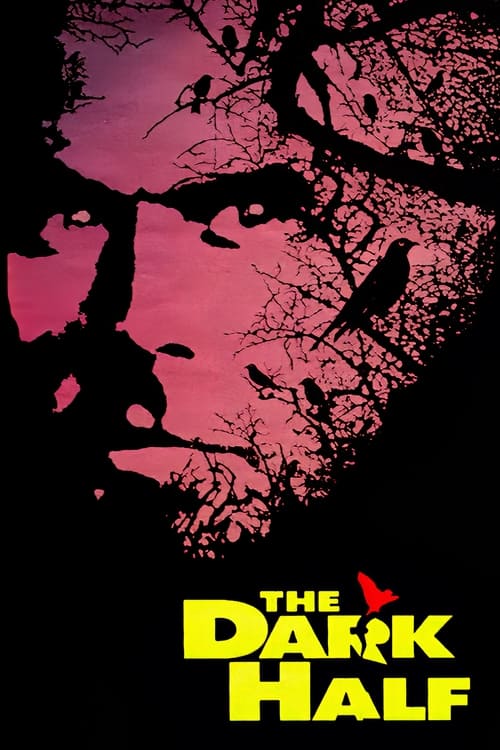
The Dark Half
1993 · psychological horror
How The Dark Half scares: The story starts slow, almost like a mystery drama about a writer's double life, then shifts into sudden bursts of brutal, bloody violence once the killings begin. It builds dread through the idea of losing control to a darker version of yourself, mixed with graphic, hands-on murder scenes involving razors. The supernatural side creeps in gradually, tied to strange bird imagery and things that shouldn't be possible, rather than jump scares or haunted spaces. It's a slower mystery-horror with sudden violent payoffs, better for fans of Stephen King style dread than for people wanting constant scares.
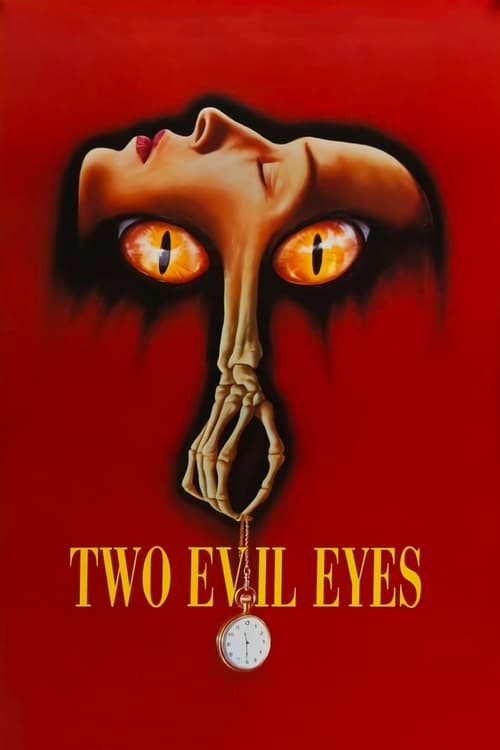
Two Evil Eyes
1990 · gothic
How Two Evil Eyes scares: You get two very different moods stitched together, since this is a two-part anthology where each half plays by its own rules. The first story leans slow and eerie, built around guilt, greed, and creeping dread rather than shocks. The second half turns gothic and nasty, with sleazy characters, a growing sense of doom, and bursts of graphic violence. It's more unsettling and gross than it is jumpy, with an old-fashioned, storybook-horror feel running underneath the nastiness.
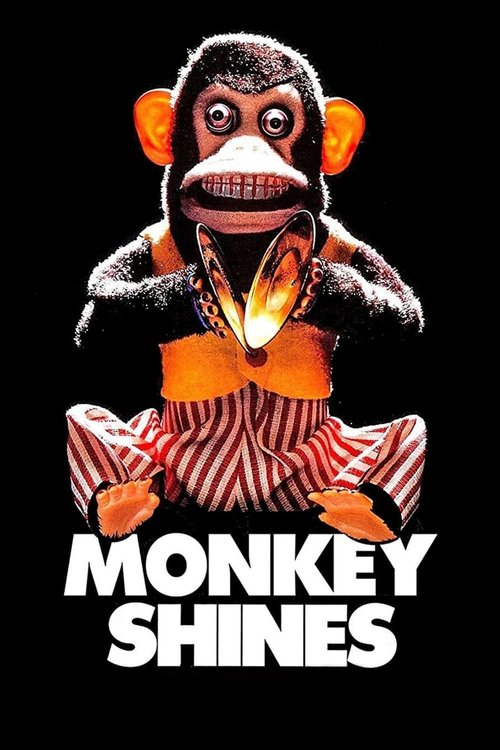
Monkey Shines
1988 · psychological horror
How Monkey Shines scares: Monkey Shines builds its fear slowly around helplessness and dependence, using a disturbing premise rather than constant scares to unsettle you. The tension grows out of watching someone trapped in his own body, unable to protect himself from something that's supposed to be helping him. There are bursts of physical violence and a few shock moments, but most of the dread comes from feeling trapped along with the main character. It's a strange, uncomfortable ride more than a fun scary movie, with a sad, uneasy undertone running through it.
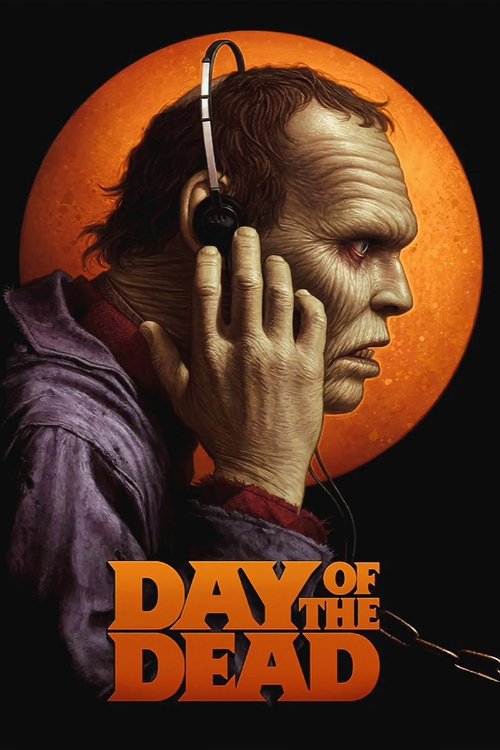
Day of the Dead
1985 · zombie
How Day of the Dead scares: It starts slow and claustrophobic, with most of the runtime spent on crumbling nerves and infighting inside a cramped underground bunker, before boiling over into a long, brutal final act of chaos and carnage. The scares come less from jolts and more from watching desperate people turn on each other while the walls seem to close in. When the violence finally hits, it's graphic and unflinching, with some of the most extreme gore effects ever put in a zombie film. This is a heavy, grim watch about hopelessness and human ugliness as much as it is about the undead, so it's better suited to horror fans who want something bleak and gut-punching rather than a fun scare.
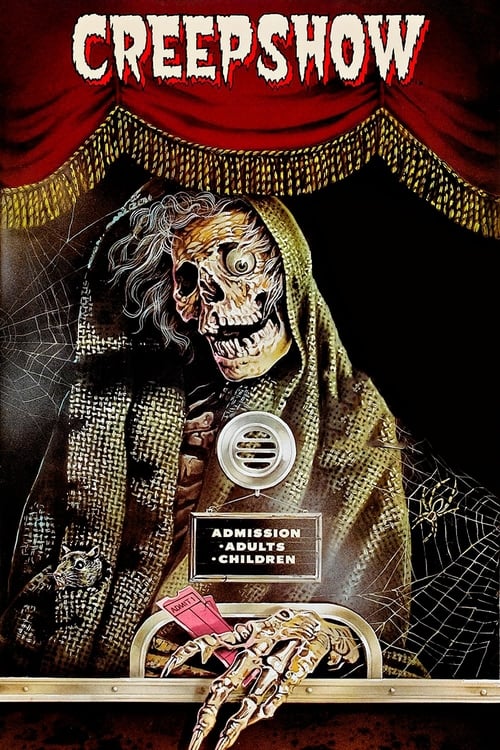
Creepshow
1982 · anthology
How Creepshow scares: Watching it feels like flipping through an old horror comic book brought to life, with bright colors, wicked humor, and a wink to the camera the whole way through. Each short story builds up fast, delivers its twisted punchline, and moves on before things get too heavy. The scares lean toward gross-out gags and campy shocks rather than real dread, and the tone stays playful even when things get bloody. It's a great pick if you want spooky fun with friends rather than something that will actually keep you up at night.
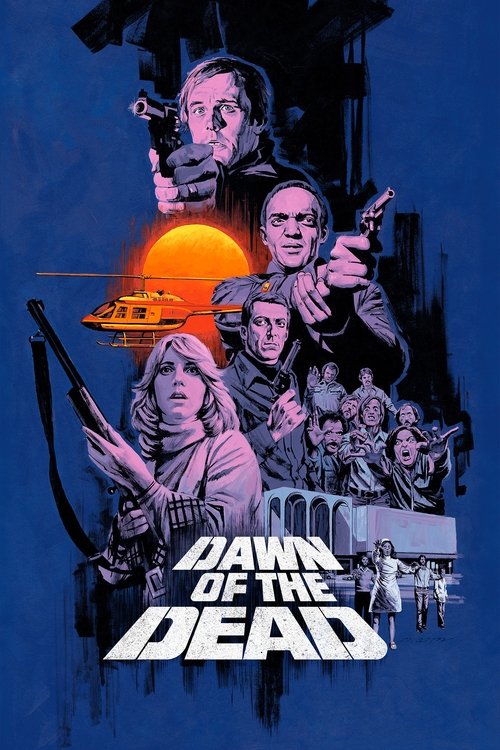
Dawn of the Dead
1978 · zombie
How Dawn of the Dead scares: Watching this feels like slipping into a long, tense siege that never lets you fully relax, even when it's poking fun at shopping and consumer culture. The dread comes from being trapped and surrounded, not from sudden jolts, and once the action starts it turns into messy, over-the-top physical violence with plenty of blood and torn flesh. There's a strange mix of dark humor and real bleakness running through it, so you'll laugh at the absurdity of the situation one minute and feel the hopelessness of it the next. It's a good pick if you like classic slow-building zombie survival stories with a satirical edge and don't mind a lot of graphic gore.
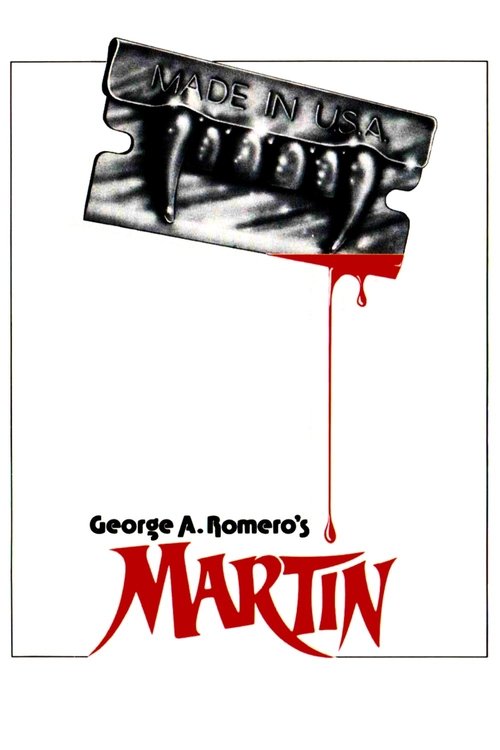
Martin
1978 · vampire
How Martin scares: There's a sad, uneasy feeling to this one that sits with you more than it scares you in a jumpy way. The pace is slow and quiet, following a troubled young man's daily life, with sudden bursts of real, upsetting violence breaking up the calm. It never fully explains whether the supernatural is real or all in his head, which makes it feel more like a character study soaked in dread than a monster movie. This is for people who want something moody and thought-provoking rather than a scream-out-loud experience.

The Amusement Park
1975 · psychological horror
How The Amusement Park scares: Watching it feels like being trapped in a bad dream you can't wake up from, where ordinary carnival sounds and rides slowly turn sour and menacing. There's no monster or killer to run from; the dread comes from watching an old man get quietly dismissed, mocked, and pushed aside by everyone around him. The pace is loose and repetitive, almost hypnotic, more like an unsettling art film than a traditional horror movie. It's the kind of thing that sits heavy afterward rather than giving you a fun scare.
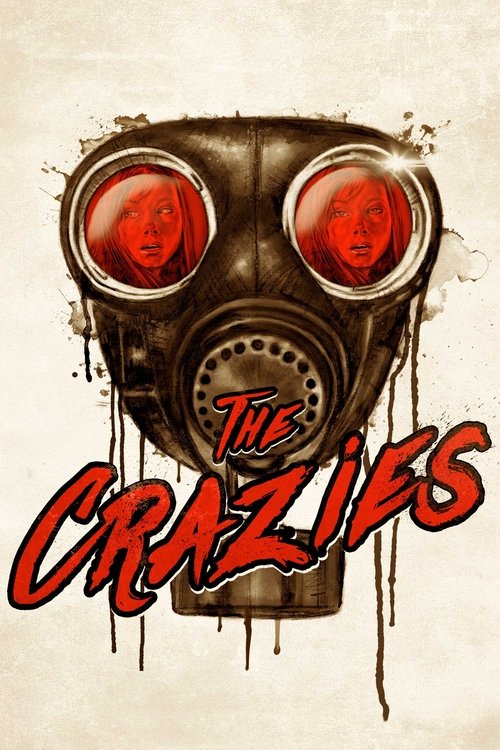
The Crazies
1973 · survival horror
How The Crazies scares: There's a raw, chaotic panic to this one that never really lets up once things start going wrong. It feels less like a monster movie and more like watching a town's social order collapse in real time, with soldiers, neighbors, and family turning on each other as trust disappears. The scares come from confusion and helplessness rather than shocks or jolts, and the low-budget, grainy look makes everything feel uncomfortably real. It's a bleak, angry film more than a fun scare, closer to a gut-punch about government failure and human breakdown than a haunted house ride.
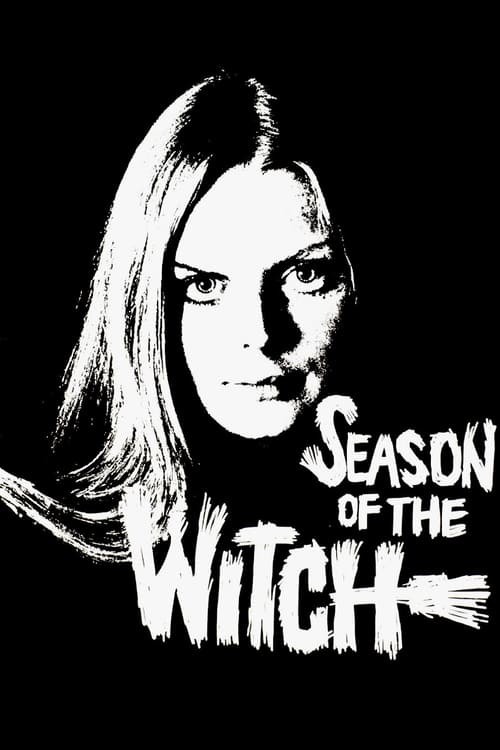
Hungry Wives
1972 · witchcraft
How Hungry Wives scares: Watching it feels more like sinking into an uneasy dream than being scared in any traditional way. The pace is slow and deliberate, built around mood, boredom, and quiet dread rather than shocks or violence. It blurs the line between real witchcraft and one woman's own unraveling mind, so you're never quite sure what's actually happening. This is less a horror movie to jump at and more a strange, moody character study with unsettling edges.
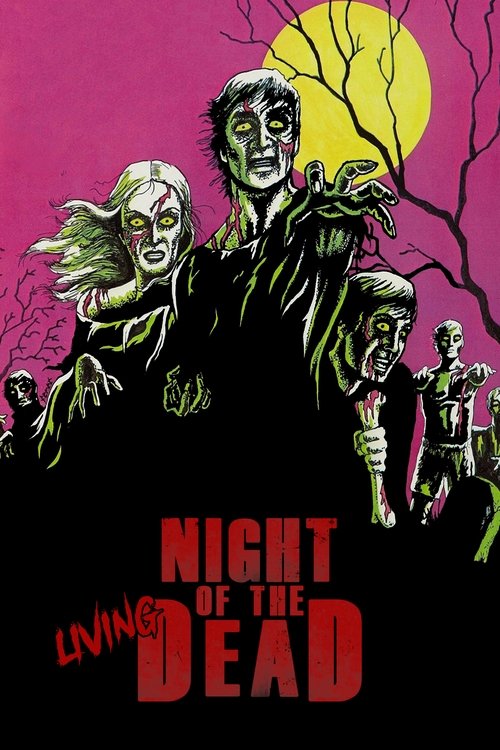
Night of the Living Dead
1968 · zombie
How Night of the Living Dead scares: Night of the Living Dead builds its fear from being trapped in one small house with no real way out and no clear plan that will actually work. The dread comes from watching people crack under pressure and argue while the danger outside keeps pressing in, so the tension is as much about the group falling apart as it is about the creatures at the door. It's shot in stark black and white, which makes the whole thing feel bleaker and more raw than a lot of later zombie movies. This is less about jump scares and more about a slow, suffocating sense that things are not going to be okay.