Kiyoshi KurosawaAll directors
Horror movies directed by Kiyoshi Kurosawa
The Horror Database (THDB) tracks 6 horror movies directed by Kiyoshi Kurosawa. As a group they run moderately intense (average intensity 3.3/5), lean toward slow-burn dread, and average 1.5/5 on gore. Newest first; every profile describes how the movie scares, spoiler-free.
Every horror film directed by Kiyoshi Kurosawa on The Horror Database
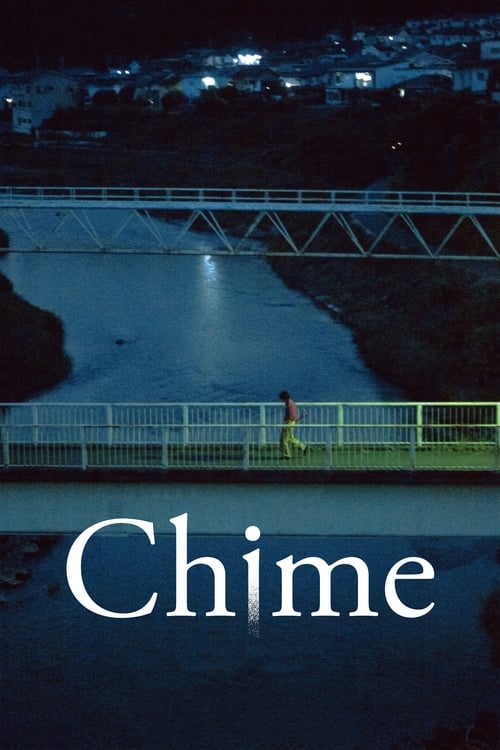
Chime
2024 · psychological horror
How Chime scares: There's a quiet, off-kilter unease that settles in almost immediately and never fully resolves, like something is wrong just beneath the surface of ordinary life. The pace is slow and deliberate, with long stretches of everyday behavior interrupted by a strange, unexplained sound that seems to trigger something unsettling in the people who hear it. It leans hard into ambiguity, never spelling out what's really happening, which makes it feel more like a waking bad dream than a traditional scary movie. This is for viewers who like their horror strange, minimal, and open to interpretation rather than loud or bloody.

Cloud
2024 · psychological horror
How Cloud scares: Cloud builds its dread slowly, following an ordinary guy whose small shady choices quietly turn the world against him. The fear here isn't ghosts or monsters, it's the creeping sense that unseen people online hate you and might show up in real life. Kiyoshi Kurosawa lets tension simmer for a long stretch before things turn physically dangerous, mixing dry, dark humor with real paranoia. It's less about jump scares and more about watching a normal life quietly fall apart, so it suits people who like tense, slow-moving thrillers over traditional horror.

Creepy
2016 · psychological horror
How Creepy scares: The story starts slow and quiet, almost like a normal drama about a retired detective settling into a new neighborhood, before it slowly tightens into something deeply unsettling. There's barely any violence shown on screen, but the sense that something is deeply wrong with the people around you builds steadily until it becomes hard to shake. The scares here come from unease and control, not jolts or gore, and the fear is more about losing your grip on reality and trust than about physical danger. It's a good pick if you like slow, mind-bending dread instead of shocks and blood.
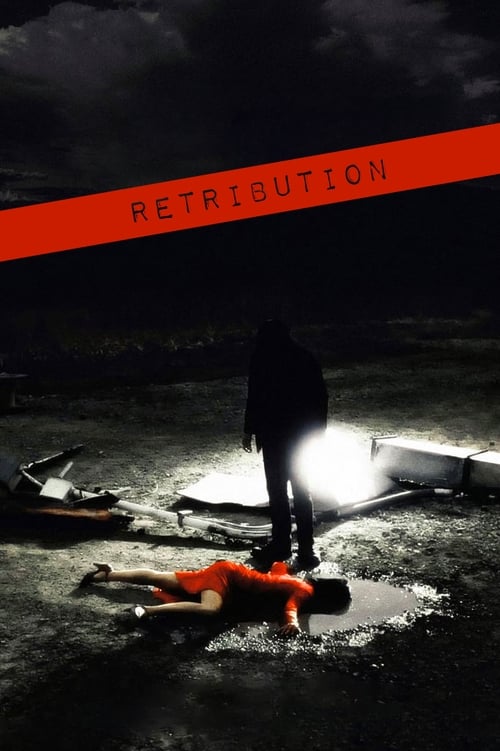
Retribution
2007 · psychological horror
How Retribution scares: It starts like a quiet police procedural, following a detective through grim crime scenes, but slowly drifts into something far stranger and more unmoored from reality. The pace is deliberate and heavy, with long stretches of unease rather than shocks, building a sense that the world itself is coming apart rather than that danger is chasing you. A pale figure in red drifts through the frames, less a monster than a symbol of guilt and dread that never fully resolves. This is for people who like their horror slow, moody, and a little confusing, more haunting than thrilling.

Pulse
2001 · ghost story
How Pulse scares: Pulse moves at a hushed, almost sleepy pace, letting silence and empty spaces do the scaring instead of loud shocks. The dread here comes from loneliness itself, a slow spreading feeling that something has gone wrong with the world and there's no way to fix it. Ghostly figures appear more like stains on reality than monsters, and the fear is less about being attacked and more about fading away. It's a heavy, sad kind of scary that sits with you long after, better suited to a quiet night alone than a group watch.

Cure
1997 · psychological horror
How Cure scares: There's a cold, quiet dread that never lets up, like something is wrong with the air in every room. The pace is slow and methodical, following a detective's investigation rather than building toward scares, but the mood gets under your skin and stays there. Nothing supernatural is ever confirmed; the horror comes from how easily ordinary minds can be taken over and turned against themselves. This is for people who want a movie that unsettles and haunts rather than one that makes them jump.