Roger CormanAll directors
Horror movies directed by Roger Corman
The Horror Database (THDB) tracks 17 horror movies directed by Roger Corman. As a group they run gentle (average intensity 1.6/5), lean toward slow-burn dread, and average 1.0/5 on gore. Newest first; every profile describes how the movie scares, spoiler-free.
Every horror film directed by Roger Corman on The Horror Database
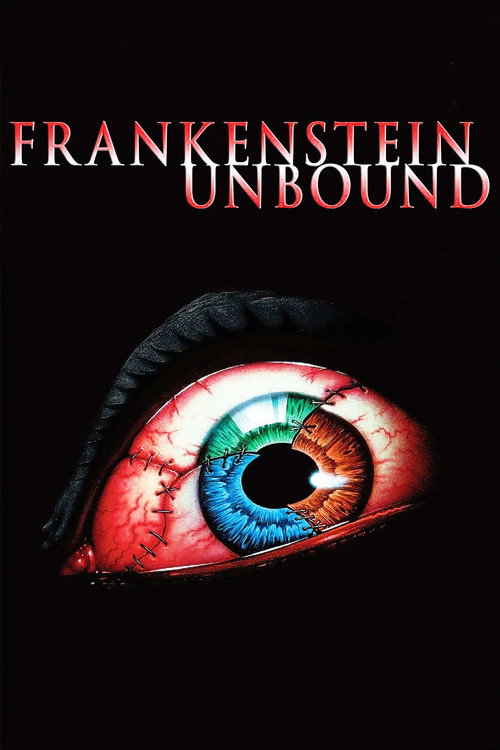
Frankenstein Unbound
1990 · gothic
How Frankenstein Unbound scares: Watching this feels more like a strange, campy science-fiction adventure than a true scare-fest, with gothic set pieces standing in for real dread. The pace jumps between time-travel weirdness and classic monster movie beats, never settling into either straight tension or jump-scare rhythm. Blood and violence show up now and then but stay fairly restrained, more pulpy than frightening. It's a good pick if you want something odd and fun with a Frankenstein twist, not something that will actually unsettle you.
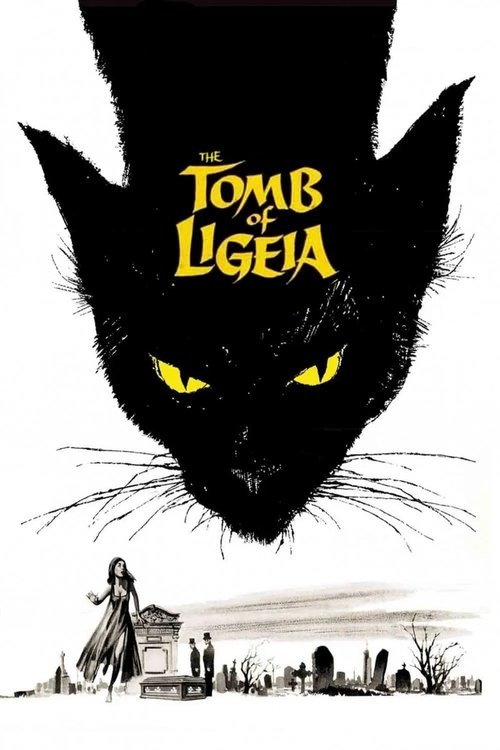
The Tomb of Ligeia
1964 · gothic
How The Tomb of Ligeia scares: The Tomb of Ligeia is a gothic mood piece more than a scare machine, built on shadowy old rooms, candlelight, and a slow sense that something from the past won't stay buried. It moves at a stately, deliberate pace, letting dread build through atmosphere, strange behavior, and unsettling hints rather than shocks or violence. The fear is mostly about obsession, grief, and a marriage haunted by someone who won't let go, so it works more on your imagination than your nerves. It's a good pick if you like old-fashioned, moody gothic horror with lush visuals rather than jolts or blood.

The Masque of the Red Death
1964 · gothic
How The Masque of the Red Death scares: It opens as a lush, slow-moving gothic drama, all candlelight and velvet, and stays that way for most of its runtime before tipping into something stranger and more allegorical near the end. The dread here comes from mood, not shocks: a corrupt ruler's twisted philosophy, the sense of doom hanging over everyone around him, and a plague creeping ever closer to his walls. There's almost no blood or violence shown on screen, and the fear is more about unease, cruelty, and fate than physical danger. This suits people who like their horror slow, artful, and thoughtful, more unsettling than terrifying, and closer to a dark fairy tale than a fright ride.
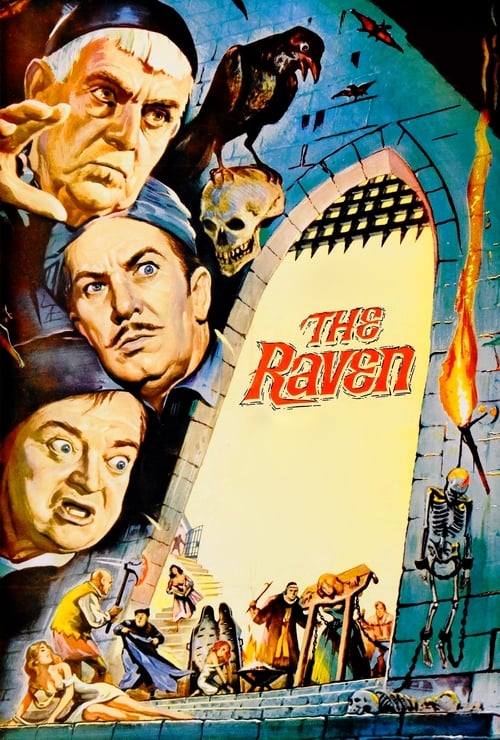
The Raven
1963 · horror comedy
How The Raven scares: Watching it feels more like enjoying a silly, colorful magic show than sitting through anything scary. The whole thing is played for laughs, with wizards trading spells and insults instead of any real sense of danger. There's no gore, no tension, and nothing that jumps out at you, just goofy special effects and hammy performances. It's a light, fun watch for people who want spooky decoration without any actual fear.
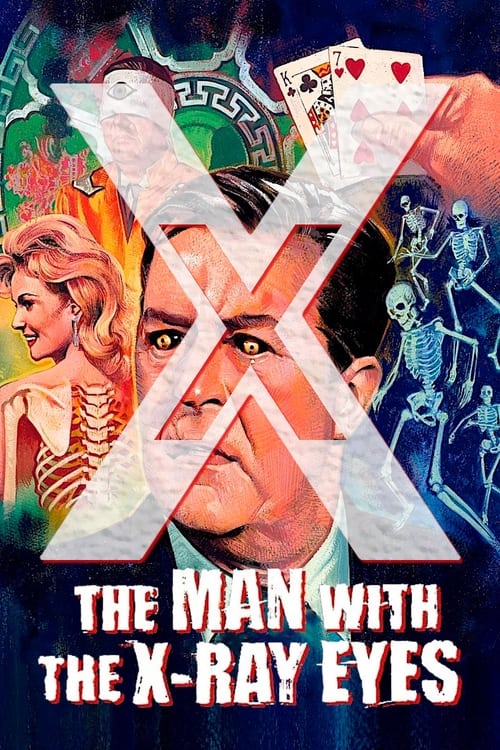
X: The Man with the X-Ray Eyes
1963 · sci-fi horror
How X: The Man with the X-Ray Eyes scares: It starts almost like a clean, clinical drama about a scientist's experiment, then slowly warps into something stranger and sadder as his new power takes over his mind. The pace is unhurried and talky for most of the runtime, more about watching a man unravel than about scares or action. Its horror is quiet and creeping, built on growing unease and a sense of things going wrong in ways you can't look away from, rather than shocks or violence. The ending lands harder than anything that comes before it, leaving a strange, unsettled feeling that sticks with you longer than the movie's low-key middle section would suggest.
The Terror
1963 · gothic
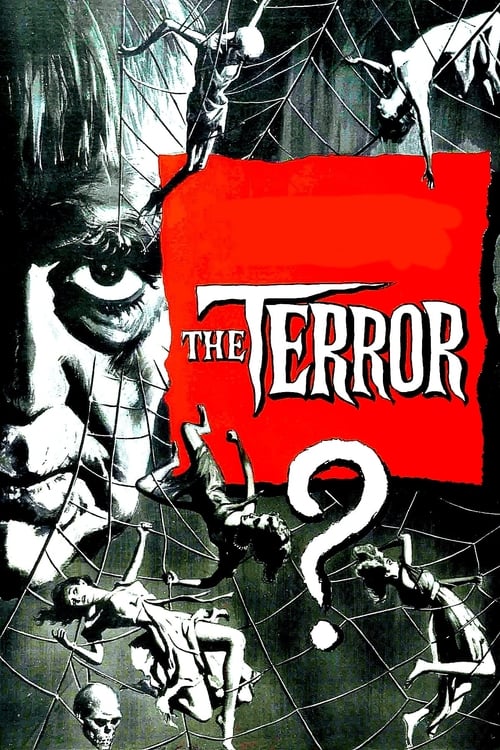
How The Terror scares: It opens with a dazed soldier wandering a foggy beach and slowly settles into a moody, old-fashioned mystery set inside a crumbling castle. The pace stays slow and talky throughout, more interested in strange visions and unanswered questions than in scaring you outright. There's a foggy, dreamlike gothic mood with hints of curses and ghosts, but it plays more like an eerie puzzle than a true horror movie. It's a gentle, old-school pick for fans of classic gothic atmosphere rather than anyone looking for real scares.

The Haunted Palace
1963 · gothic
How The Haunted Palace scares: The story unfolds slowly, with long stretches of talk and shadowy wandering through a cursed mansion before anything really threatening happens. Most of the fear comes from mood: fog, candlelight, whispered warnings, and the sense that something evil is waiting behind locked doors rather than jumping out at you. There's a strange, twisted creature hinted at more than shown, and the horror leans on dread and unease over blood or shocks. It's a good pick if you like old-fashioned gothic chills and slow dread rather than modern scares.
The Premature Burial
1962 · gothic
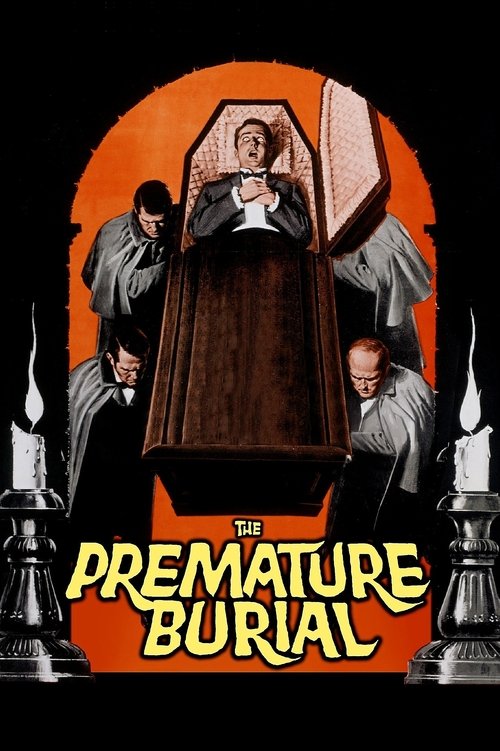
How The Premature Burial scares: There's a heavy, suffocating dread running through this one, built around one man's growing obsession with being buried alive while still conscious. The pace is slow and moody, more like a gothic drama than a modern horror movie, with tension that creeps up on you through mood, lighting, and a sense of doom rather than shocks or scares. It leans on the mind, not the body, so don't expect chases or violence, just a creeping sense of horror tied to fear itself. Good for people who like old-fashioned, atmospheric gothic horror with a slow, uneasy pull rather than jolts or blood.

Tales of Terror
1962 · gothic
How Tales of Terror scares: Three separate short stories run back to back, each building its own slow gothic mood rather than delivering constant scares, and the tone shifts noticeably between segments \u2014 one plays almost like a comedy, another leans heavier and stranger. The scares come from creepy set pieces, doom-laden atmosphere, and macabre twists rather than jump scares or gore. Vincent Price and the lush old-fashioned production give it a theatrical, storybook feel, more eerie fun than truly upsetting. Good for viewers who like classic gothic horror with a wink of humor rather than anything intense or graphic.
The Pit and the Pendulum
1961 · gothic
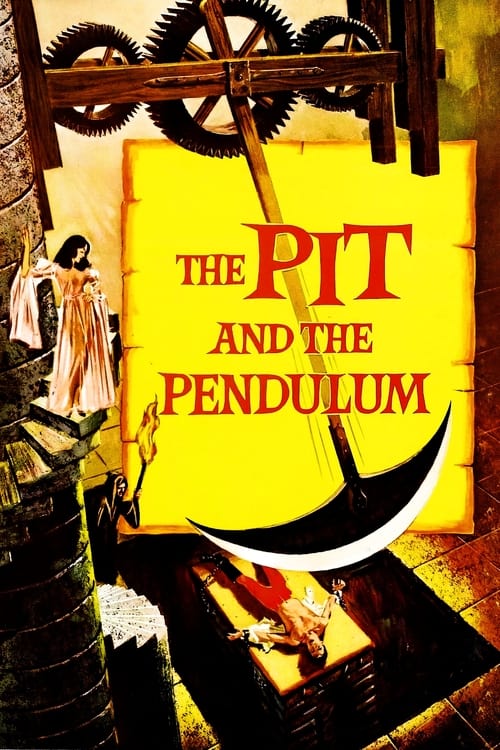
How The Pit and the Pendulum scares: It opens slow, almost like a moody mystery, as a man digs into his sister's death inside a gloomy old castle, and only in its last act does it swing into a genuinely intense, drawn-out climax. Most of the runtime is quiet dread, strange looks, and a growing sense that something is wrong with the people living there, rather than jolts or scares around every corner. The fear here is about crumbling sanity and dark family history more than any monster, and the movie leans on unease and atmosphere until it finally lets loose with one memorable set piece involving an old torture device. It's a slow, moody watch best suited to people who like classic gothic style over fast scares or heavy gore.
The Little Shop of Horrors
1960 · dark comedy
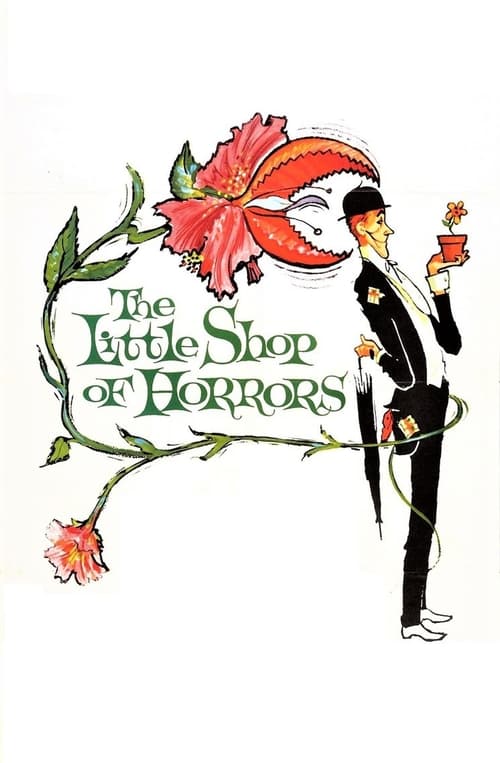
How The Little Shop of Horrors scares: It moves at a quick, goofy pace from the start, more interested in jokes and oddball characters than in building any real dread. The talking plant and its appetite are played for laughs, with silly dialogue and cheap black-and-white charm instead of tension or scares. Nothing here is meant to unsettle you, it's a quick, campy comedy with a horror gimmick stitched on top. Great for a laid-back watch with friends who want something silly and weird rather than scary.

House of Usher
1960 · gothic
How House of Usher scares: Watching this feels like sinking into a heavy, dreamlike gloom rather than being jolted awake. The whole thing crawls along at a stately pace, built on Vincent Price's unsettling calm, ominous family history, and a house that seems to be rotting and breathing along with its owners. There's almost no blood or violence shown, and the scares come from mood, strange dread, and a sense that something is deeply wrong with this family rather than any chasing or cutting. It suits people who like old-fashioned, moody gothic horror with rich colors and slow dread over fast thrills.
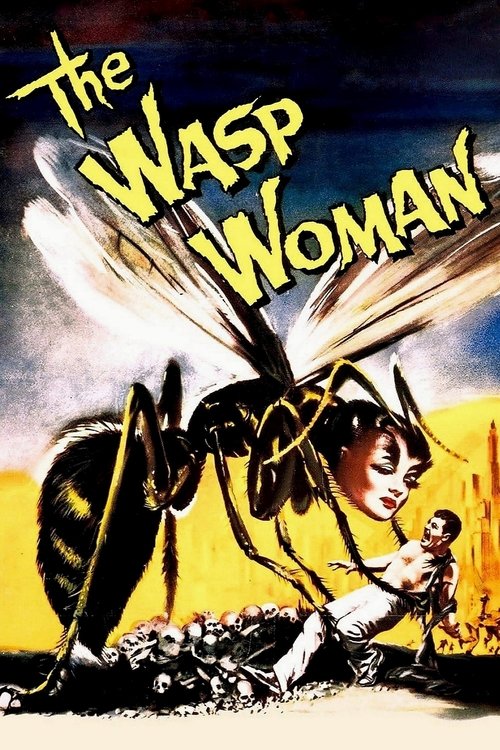
The Wasp Woman
1959 · creature feature
How The Wasp Woman scares: Watching this feels more like enjoying a goofy old monster movie than being scared. The pace is slow and talky for long stretches, with a cheap-looking creature only showing up now and then to shake things up. It leans on a silly transformation idea rather than real dread, so it plays as light, campy fun instead of anything upsetting. Good for fans of old-school B-movies who want a laid-back, so-bad-it's-fun night rather than genuine scares.
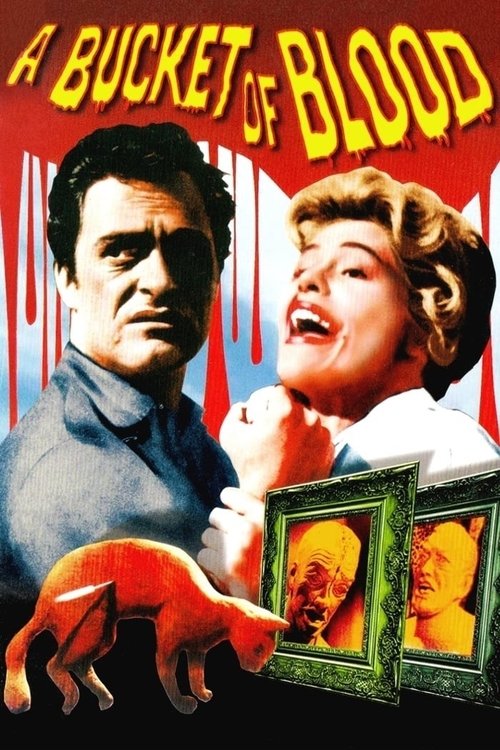
A Bucket of Blood
1959 · dark comedy
How A Bucket of Blood scares: A Bucket of Blood is really a dark comedy wearing a horror costume, poking fun at the beatnik art scene more than trying to scare anyone. The pace is light and talky, with a nerdy, sad-sack main character stumbling into trouble rather than any tension-building or stalking. There's almost no blood or violence shown on screen, and the horror elements are played for dry, ironic laughs instead of dread. It's a fun, campy watch for people who like old-school low-budget cheekiness more than actual scares.
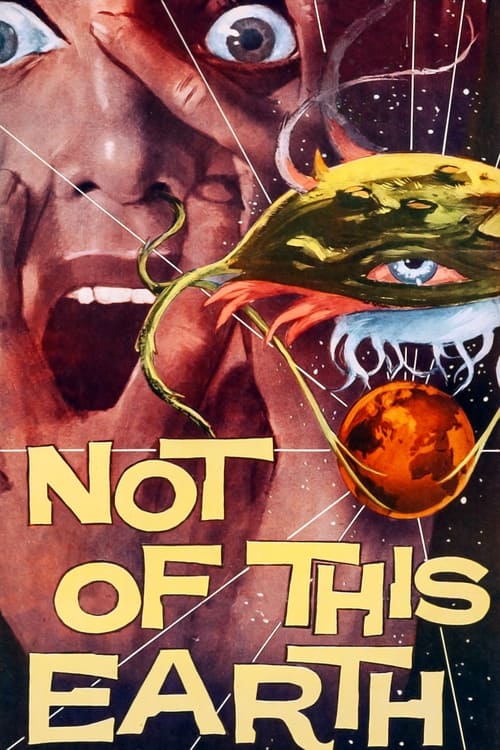
Not of This Earth
1957 · alien horror
How Not of This Earth scares: Not of This Earth is a vintage 1950s B-movie creature feature, more quaint and campy than actually frightening by today's standards. The pace is slow and talky, built around a strange, sunglasses-wearing stranger whose odd behavior creates a low hum of unease rather than any real scares. There's a light sci-fi creepiness to it, but it leans more into curiosity and cheesy charm than dread. Good for fans of old-school alien invasion movies who want a fun, dated throwback rather than anything genuinely unsettling.
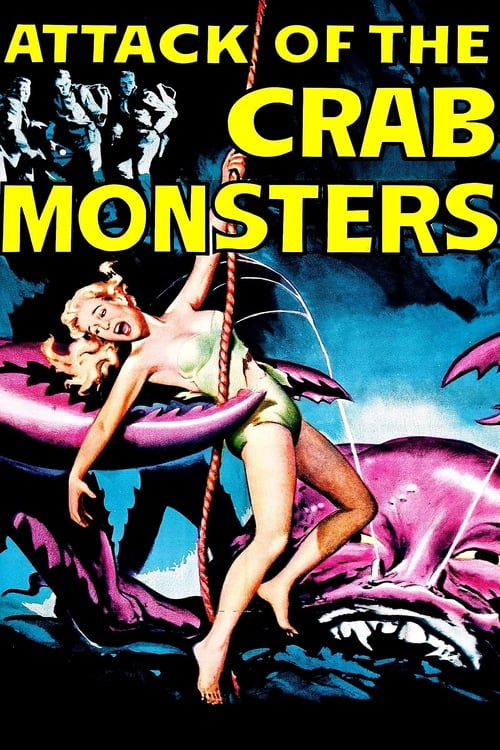
Attack of the Crab Monsters
1957 · creature feature
How Attack of the Crab Monsters scares: The story opens with a small group stranded on a shrinking island and slowly builds into a run of strange disappearances before the giant crab menace shows itself in full. It's a low-budget 1950s creature feature, more goofy than scary, with cheap monster effects and clunky dialogue standing in for real dread. The danger is played straight but comes off as camp, closer to a fun matinee thrill than anything unsettling. Good for fans of old-school monster movies looking for a light, silly time rather than genuine fright.
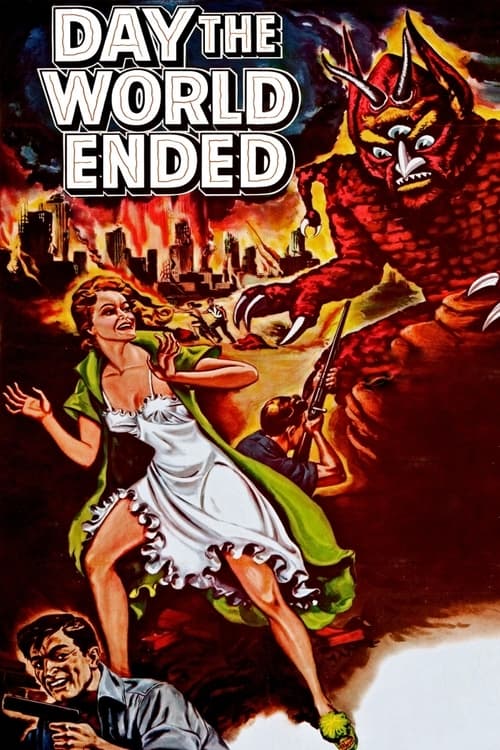
Day the World Ended
1955 · creature feature
How Day the World Ended scares: Day the World Ended spends most of its time on a small group of survivors bickering and bonding in a cramped shelter after a nuclear war, with the real monster mostly kept off to the side until late in the story. The pace is slow and talky, more about tension between the people stuck together than any kind of sustained scare, and the scary parts are brief and campy rather than dreadful. It's a product of its era's atomic-age fears, with cheap-but-charming creature effects instead of gore. Good for fans of old-school drive-in sci-fi who want a light, nostalgic kind of spooky rather than anything that will actually unsettle them.