Shinya TsukamotoAll directors
Horror movies directed by Shinya Tsukamoto
The Horror Database (THDB) tracks 8 horror movies directed by Shinya Tsukamoto. As a group they run punishing (average intensity 4.1/5), lean toward slow-burn dread, and average 3.1/5 on gore. Newest first; every profile describes how the movie scares, spoiler-free.
Every horror film directed by Shinya Tsukamoto on The Horror Database
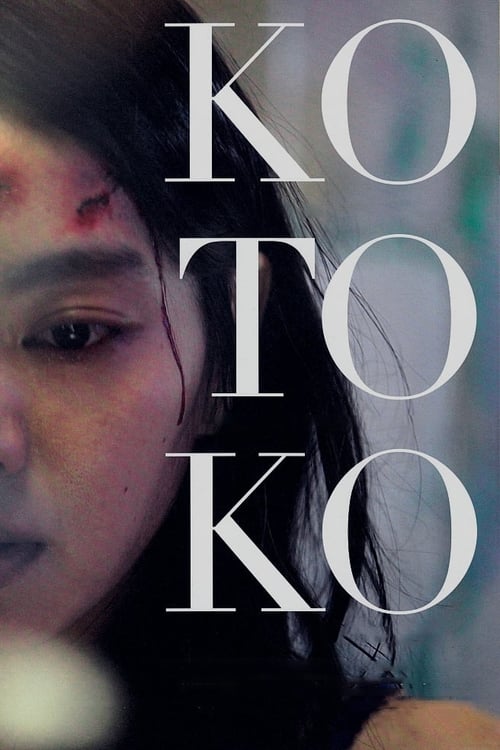
Kotoko
2011 · psychological horror
How Kotoko scares: Watching this feels like being trapped inside someone's unraveling mind, with no safe distance from her panic and pain. The camera shakes and lingers in ways that make you feel her paranoia and self-harm as if it were happening to your own body, not just something you're viewing from outside. There are no ghosts or monsters here, just the raw terror of losing control of your own thoughts and the people who depend on you. It's a heavy, exhausting watch made for people who want horror that feels painfully human and real, not fun or thrilling.
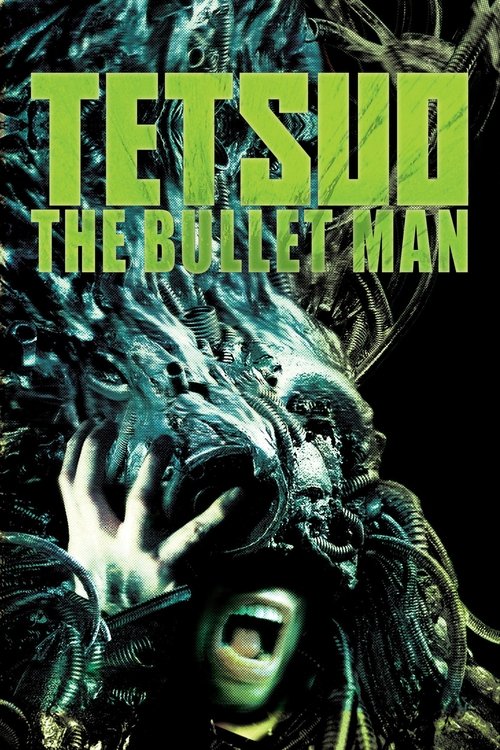
Tetsuo: The Bullet Man
2010 · body horror
How Tetsuo: The Bullet Man scares: Tetsuo: The Bullet Man throws you straight into a barrage of grinding metal, flashing lights, and screeching sound rather than easing you in with mood or atmosphere. The fear here isn't about jumping in your seat or slow dread building in the dark — it's about watching a body twist, fuse, and mutate into something painful and mechanical, over and over, at a relentless pace. It plays more like an assault on the senses than a ghost story or slasher chase, with grotesque transformation standing in for traditional scares. Good for people who like extreme, weird, in-your-face body horror rather than anyone looking for a quiet, creeping scare.
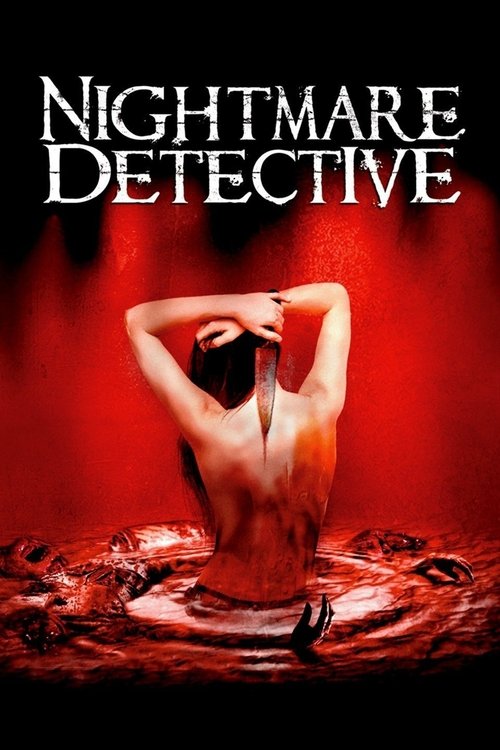
Nightmare Detective
2007 · psychological horror
How Nightmare Detective scares: Watching this feels like sinking into a bad dream you can't wake up from, with reality and nightmare blurring until you're not sure what's real. The pace is moody and disorienting rather than jumpy, building dread through strange visuals and a sense that sleep itself has become dangerous. It leans into body horror and unsettling imagery more than blood-soaked violence, and the fear sits somewhere between your mind and your gut. This is a good pick if you like weird, artsy horror that messes with your head rather than a straightforward scare machine.
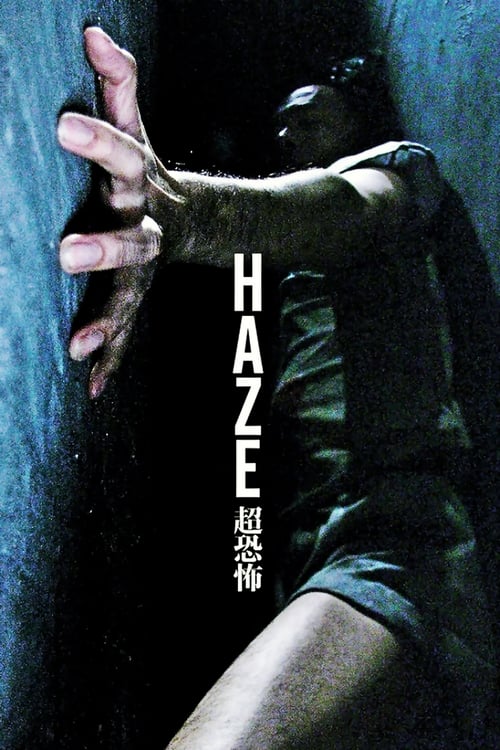
Haze
2005 · psychological horror
How Haze scares: Haze traps you in tight, dark spaces with a man who can barely move, and the camera stays so close you feel every scrape and strain along with him. There's almost no music or dialogue, just heavy breathing, wet sounds, and grinding metal, which makes the whole thing feel suffocating rather than jumpy. The fear here is really about the body, pain, tight spaces, and not knowing what's going on, more than ghosts or monsters. It's a rough, physically uncomfortable watch made for people who like extreme, stripped-down horror rather than a fun scare.
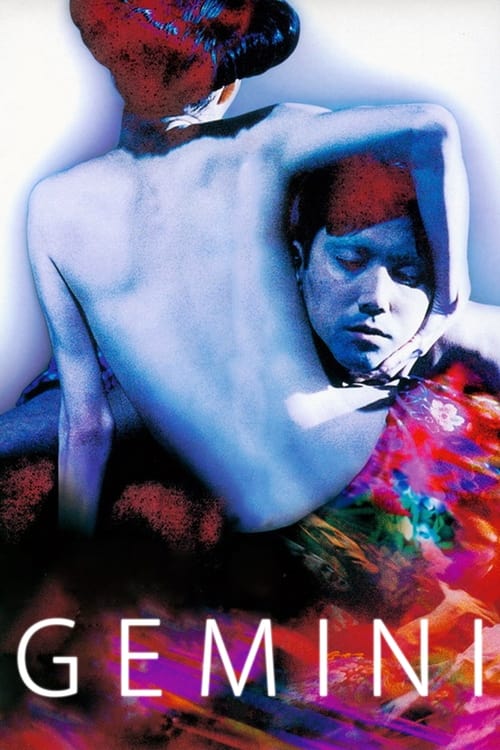
Gemini
1999 · psychological horror
How Gemini scares: It starts slow and formal, like a quiet period drama about a respected doctor's family, then twists into something feverish and nightmarish as identity and class resentment boil over. The pace is uneven on purpose, calm scenes suddenly breaking into stylized, almost theatrical chaos. Fear here comes less from shocks and more from a creeping sense that someone's whole sense of self is unraveling. It's a strange, unsettling art-horror piece more than a straightforward scary movie, best for viewers who like unease and symbolism over easy thrills.
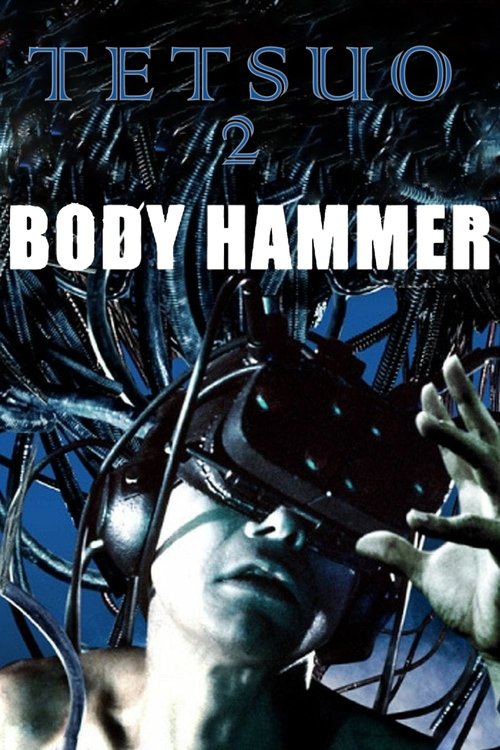
Tetsuo II: Body Hammer
1992 · body horror
How Tetsuo II: Body Hammer scares: Watching this feels like being trapped inside a machine that's slowly grinding you apart, all clanging metal, flashing lights, and rising panic rather than jolts or scares in the traditional sense. The pace is frantic and relentless once it gets going, with rapid cutting and industrial noise building a sense of body-level wrongness instead of creeping dread. Its fear comes from watching a person's body and mind spiral out of control, fused with metal and rage, more strange and upsetting than scary in a fun way. This is for fans of weird, aggressive body horror and experimental filmmaking, not for anyone looking for a straightforward scary movie night.

Hiruko the Goblin
1991 · creature feature
How Hiruko the Goblin scares: Hiruko the Goblin leans hard into creature-feature weirdness rather than real scares, with spider-legged demon heads scuttling around in a goofy, low-budget way that's more fun than frightening. The pacing is choppy, mixing school-mystery setup with sudden bursts of monster action and splattery practical effects. It plays like a comic book brought to life, with jokes and cheesy thrills mixed into the horror. Good for fans of weird monster designs and campy Japanese horror from the era, not for anyone looking for genuine dread.
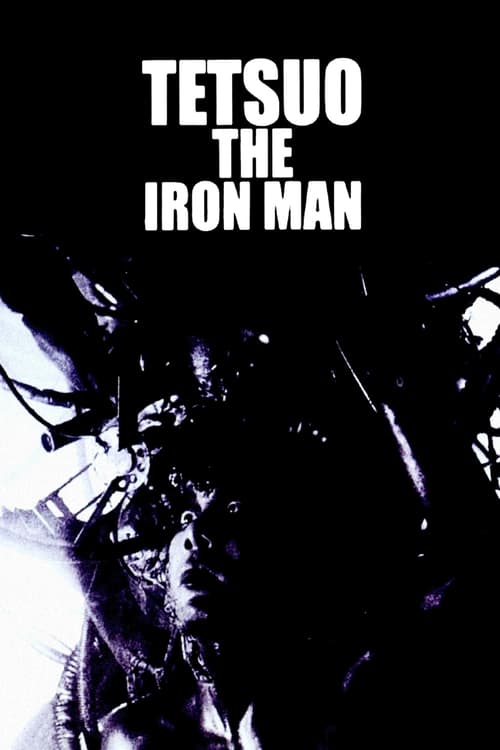
Tetsuo: The Iron Man
1989 · body horror
How Tetsuo: The Iron Man scares: Tetsuo: The Iron Man throws you into a fast, jittery nightmare instead of building slow tension. The camera jerks and cuts like a machine short-circuiting, and the black-and-white images feel grimy and overloaded rather than calm. Its fear isn't jump scares or hauntings, it's watching a body lose control of itself piece by piece, which feels gross and helpless in a very physical way. This is for people who want something strange and intense and don't mind feeling unsettled rather than simply entertained.