Dream logic horror movies
The Horror Database (THDB) tracks 5 dream logic movies. As a group they run gentle (average intensity 1.8/5), lean toward slow-burn dread, and average 1.2/5 on gore. Ranked by popularity; every profile describes how the movie scares, spoiler-free.
All Dream logic horror movies on The Horror Database
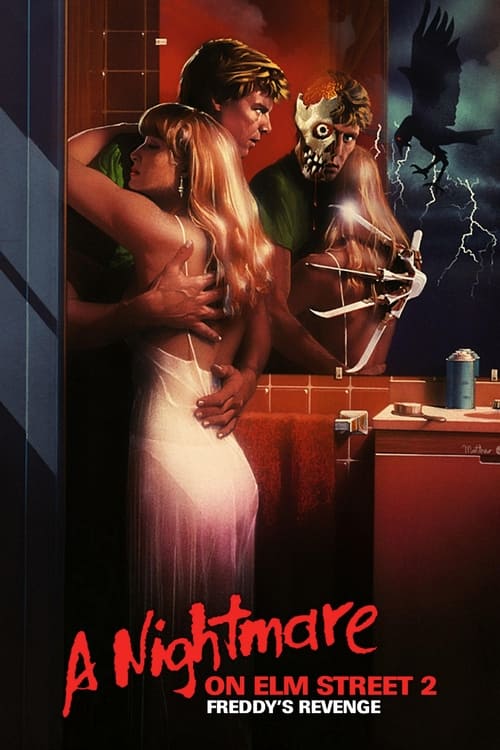
A Nightmare on Elm Street Part 2: Freddy's Revenge
1985 · slasher
How A Nightmare on Elm Street Part 2: Freddy's Revenge scares: Freddy's Revenge leans into body horror and a creeping sense of losing control over your own self, mixing dream logic with real-world scenes that slowly stop feeling safe. The pacing is uneven, with stretches of teen-drama normalcy interrupted by bursts of gruesome transformation and violence rather than a steady stream of jump scares. It's less purely fun than the original, carrying an uncomfortable undertone about identity and being taken over by something else, though it never gets fully bleak or hopeless. Good for fans of 80s slashers who don't mind a stranger, more uneven sequel with some body horror mixed into the dream-killer formula.
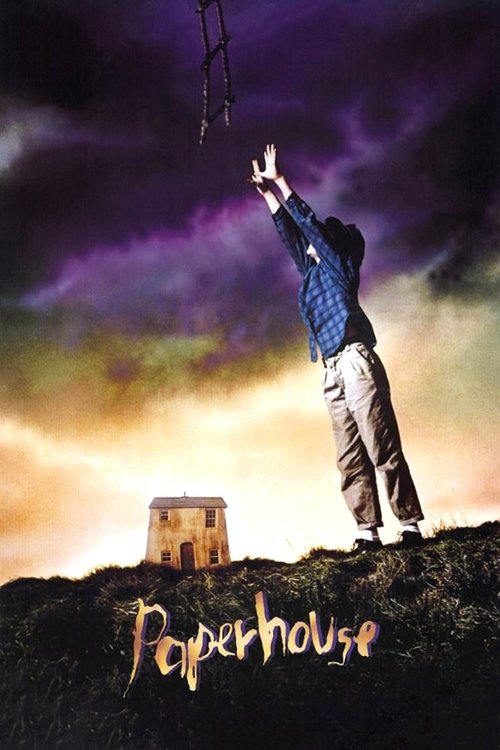
Paperhouse
1988 · psychological horror
How Paperhouse scares: It starts as a quiet, melancholy story about a lonely, sick child and slowly drifts into a dream world that gets stranger and more unsettling the longer you stay in it. There's no rush here, no jolts waiting around corners; instead it builds an eerie, dreamlike mood that creeps up on you slowly. The fear comes from imagination and helplessness rather than anything chasing you with a knife, and it leans more sad and strange than outright terrifying. It's best for people who like moody, atmospheric films that sit with you rather than movies built to make you jump.
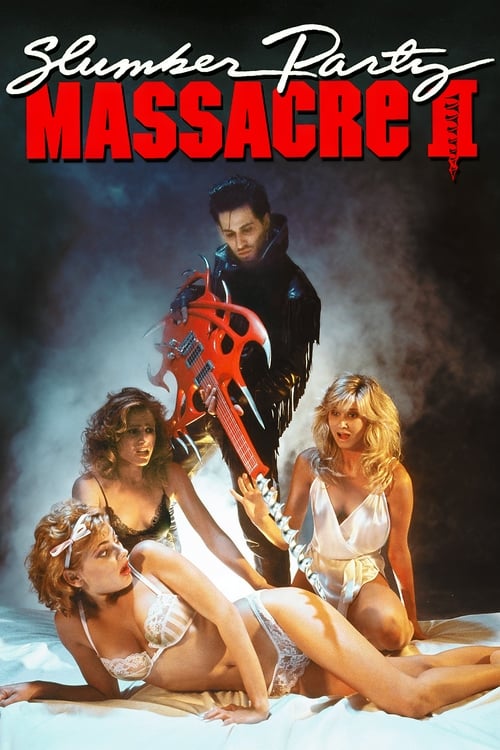
Slumber Party Massacre II
1987 · slasher
How Slumber Party Massacre II scares: Watching this feels less like being scared and more like being at a weird, campy party where the horror is just an excuse for silly jokes and over-the-top kills. The pace bounces between dream sequences, musical numbers, and sudden splattery attacks from a leather-jacket killer who's more absurd than menacing. It leans hard into cheesy 80s style rather than real dread, so you're meant to laugh and cringe more than actually feel unsafe. Good for a goofy horror-comedy night with friends who like so-bad-it's-good slasher movies.
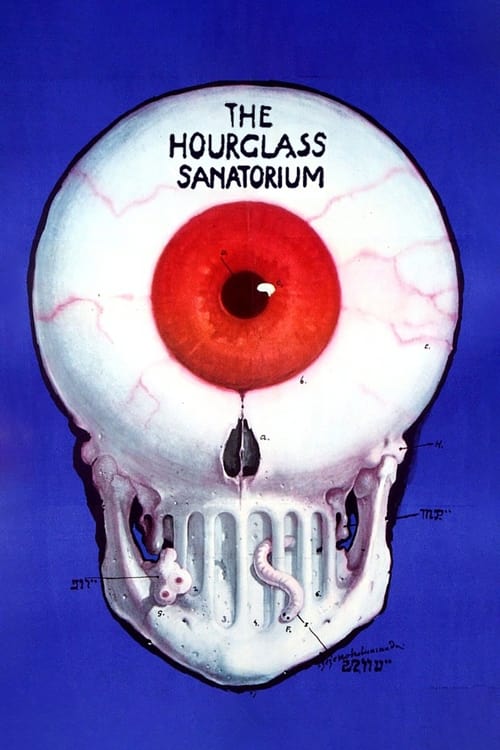
The Hourglass Sanatorium
1973 · atmospheric
How The Hourglass Sanatorium scares: Watching it feels like being lost inside someone else's dream, where rooms shift into other times and dead people wander around like it's normal. There are no jump scares or chases here; instead the fear comes from confusion and a slow sense that the normal rules of time and space have stopped working. Images pile up in strange, dense detail rather than building toward a clear scary moment, so it's less about being frightened and more about feeling unmoored and uneasy. This is for people who like strange, artistic, puzzle-like films rather than anyone looking for a traditional scare.
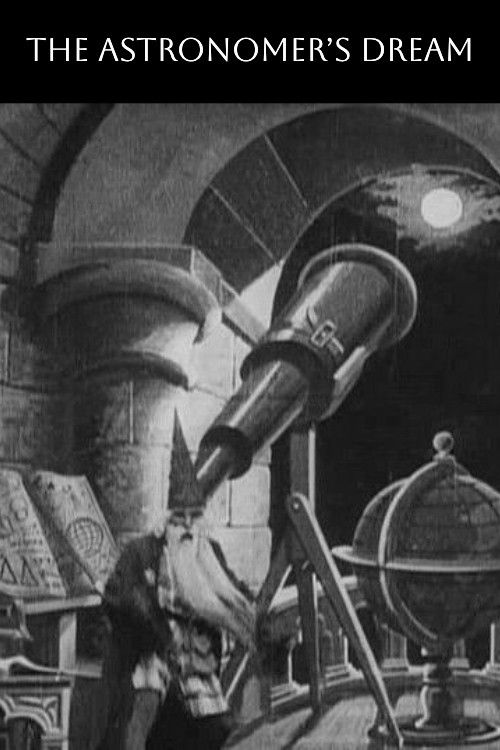
The Astronomer's Dream
1900 · camp
How The Astronomer's Dream scares: It opens gently with a man dozing off and then tumbles into a string of playful, dreamlike visions rather than building toward any real scare. The whole thing is short and whimsical, using trick photography and stage magic to turn the night sky into a silly, surreal spectacle. There's no real danger or dread here, just early cinema having fun with the idea of a bad dream. It's more charming curiosity than horror, good for anyone curious about where movie fantasy and trick effects began.