Experimental horror movies
The Horror Database (THDB) tracks 15 experimental movies. As a group they run moderately intense (average intensity 2.9/5), lean toward slow-burn dread, and average 1.3/5 on gore. Ranked by popularity; every profile describes how the movie scares, spoiler-free.
All Experimental horror movies on The Horror Database
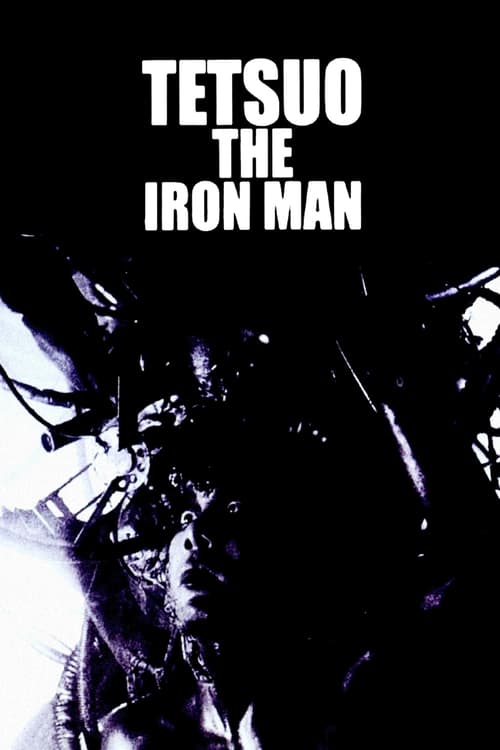
Tetsuo: The Iron Man
1989 · body horror
How Tetsuo: The Iron Man scares: Tetsuo: The Iron Man throws you into a fast, jittery nightmare instead of building slow tension. The camera jerks and cuts like a machine short-circuiting, and the black-and-white images feel grimy and overloaded rather than calm. Its fear isn't jump scares or hauntings, it's watching a body lose control of itself piece by piece, which feels gross and helpless in a very physical way. This is for people who want something strange and intense and don't mind feeling unsettled rather than simply entertained.
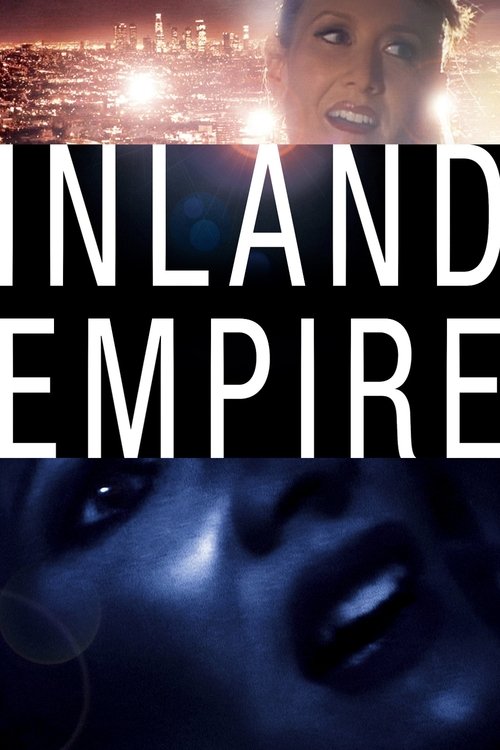
Inland Empire
2006 · psychological horror
How Inland Empire scares: You feel like you're losing your grip on reality right along with the main character, as scenes bleed into each other with no clear logic or timeline. There's no build-up-and-release rhythm here, no jump scares to break the tension; instead it's a long, disorienting slide into confusion and dread that never really resolves. The fear comes from feeling lost and unmoored rather than from anything jumping out at you, and a curse tied to the story gives everything an uneasy, off-kilter feeling without ever fully explaining itself. This is a heavy, strange watch meant for people who like their horror abstract and unsettling rather than fun or straightforward.
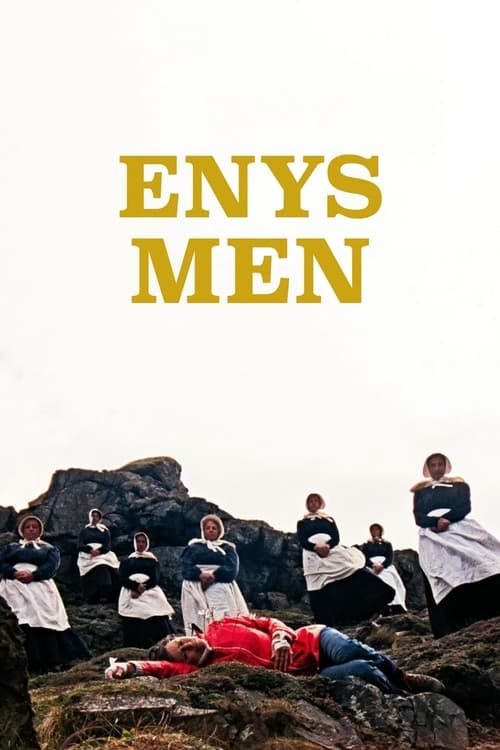
Enys Men
2023 · folk horror
How Enys Men scares: It opens almost like a quiet nature documentary, with long stretches of silence and repeated daily routines, before time starts to loop and blur in ways that feel increasingly wrong. There's barely any dialogue, no jump scares, and no clear villain chasing anyone — the fear comes from isolation, repetition, and the sense that reality itself is slipping. Images build and echo instead of explaining themselves, so you're left piecing together a mood rather than a plot. This is for patient viewers who like strange, dreamlike horror that lingers and unsettles rather than makes you jump.
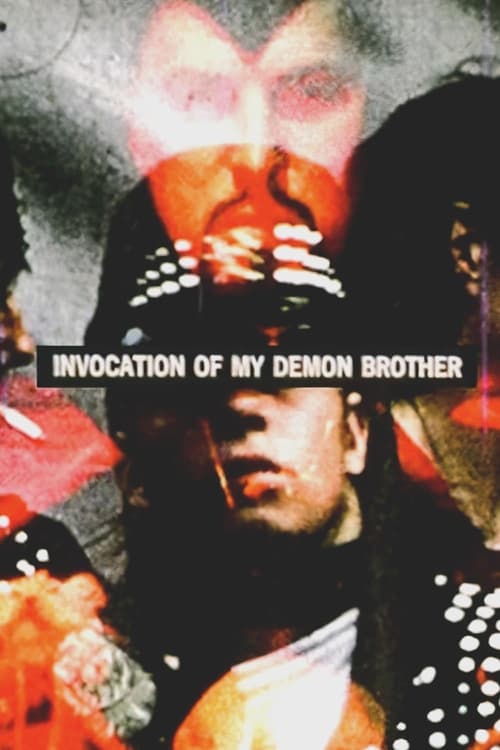
Invocation of My Demon Brother
1969 · occult
How Invocation of My Demon Brother scares: Watching it feels less like a story and more like being dropped into a hypnotic ritual made of flickering colors, double-exposed faces, and chanting energy that never lets up. There's no plot to follow and no traditional scares, jumps, or stalking threats — the unease comes from the strange, dreamlike editing and the occult imagery itself. It's more hypnotic and disorienting than frightening, closer to experimental art than a horror movie in the usual sense. Best for curious viewers into underground film history and occult aesthetics rather than anyone looking for a scary night.

The Inauguration of the Pleasure Dome
1954 · occult
How The Inauguration of the Pleasure Dome scares: It unfolds less like a story and more like a trance, moving through dreamlike ritual images rather than building toward any kind of climax or payoff. There's no chase, no stalking, no traditional scares at all — just strange costumed figures, symbolic rites, and a hazy, drugged-out mood that feels more like a fever dream than a horror movie. The fear here, if you can call it that, comes from how unplaceable and alien the whole thing feels rather than any direct threat. This is really for people curious about underground experimental film and occult imagery, not for anyone looking for a scary movie in the usual sense.
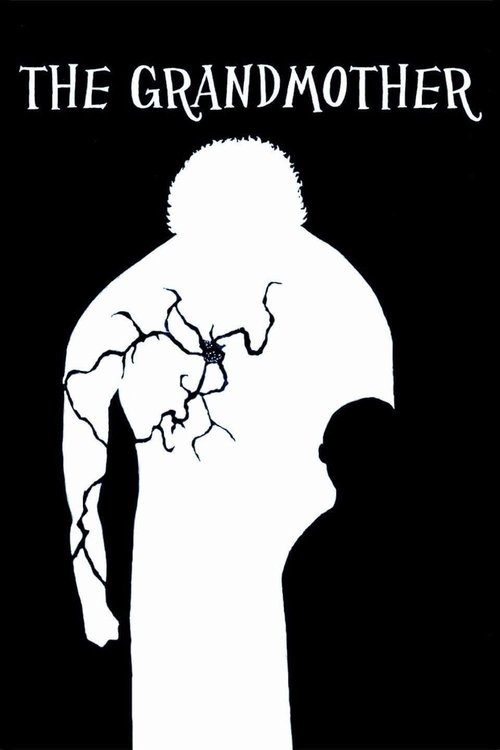
The Grandmother
1970 · surreal
How The Grandmother scares: Watching it feels like being trapped inside someone else's nightmare, where nothing follows normal logic and every image feels wrong in a way you can't quite explain. There are no jump scares here; instead it moves in slow, dreamlike stretches of strange sound and grotesque imagery that build a thick, suffocating unease. The horror comes from a childlike vulnerability and body horror imagery rather than blood or chases, and it plays out almost like a silent nightmare with growls, screams, and unsettling noises standing in for dialogue. This is a strange, arty short for people who like unsettling weirdness over traditional scares, not for anyone looking for a fun fright.
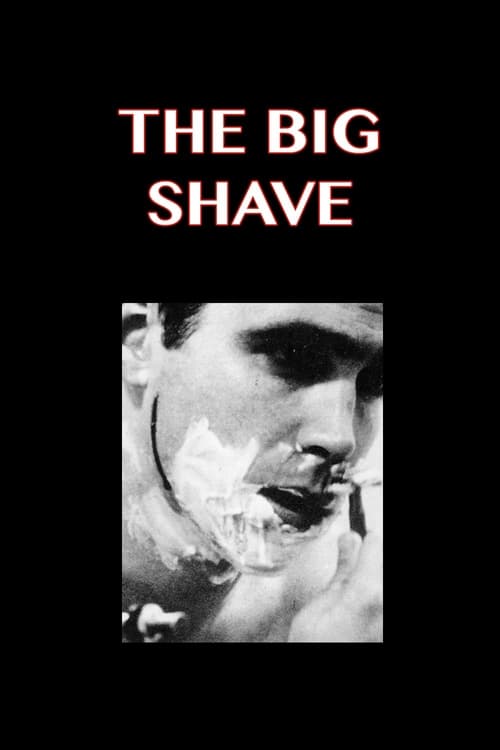
The Big Shave
1967 · body horror
How The Big Shave scares: Watching this feels like witnessing something quietly wrong happen in real time, with no music or dialogue to soften it. The pace is slow and almost hypnotic at first, a man just going through a normal morning routine, but the calm turns unbearable as small actions start to feel more and more harmful. There are no jolts or scary-movie tricks here, just a steady, uncomfortable escalation that plays out in one clean, bright bathroom. It's less a horror movie in the traditional sense and more a short, stark gut-punch that uses everyday routine to get under your skin.
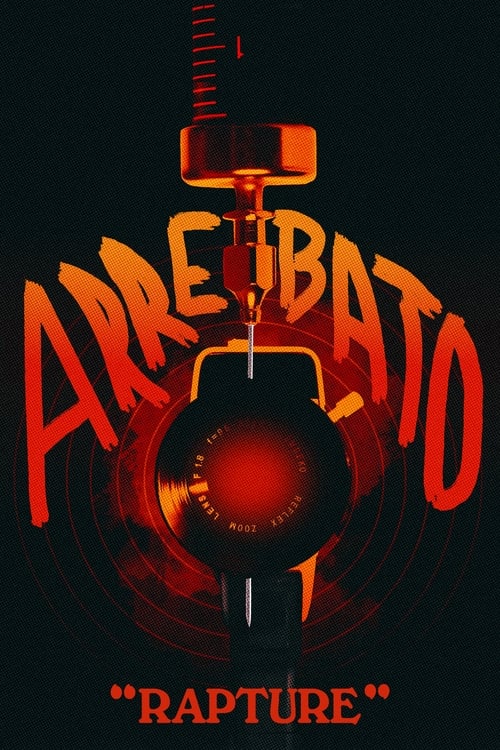
Rapture
1980 · psychological horror
How Rapture scares: Rapture works less like a horror movie and more like a slow, dreamlike trance that slips under your skin. It moves at a hypnotic, almost drugged pace, blurring the line between addiction, obsession, and something stranger creeping in through old film reels. There's no blood and no jump scares here, just a mounting sense of unease and dread that builds quietly until it feels genuinely unsettling. It's best for patient viewers who like strange, artsy, mind-bending horror over anything fast or visceral.
Absurd Encounter with Fear
1967 · atmospheric
How Absurd Encounter with Fear scares: Absurd Encounter with Fear seems to be an obscure, barely documented short with almost no information available about how it actually plays out. From the little that's known, it looks like a quiet, minimal setup rather than a polished scare machine, built around a single uneasy moment instead of a full story. It's the kind of oddity that curious, patient horror fans might seek out, not something built for big jolts or a crowd-pleasing watch.
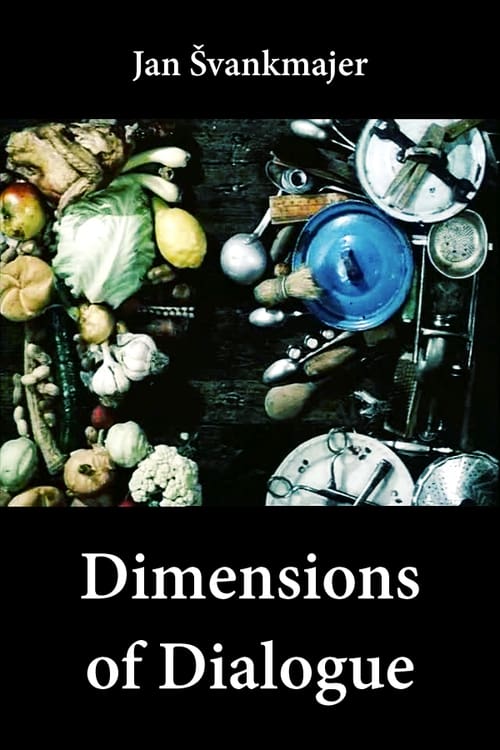
Dimensions of Dialogue
1983 · body horror
How Dimensions of Dialogue scares: It moves in three separate short bursts rather than one continuous story, each one built around clay figures endlessly molding, devouring, and destroying each other and everyday objects. There's no build-up to a scare and no release either — it just keeps looping through strange, uncomfortable transformations until it stops. The fear here isn't jumps or monsters, it's a steady, weird unease from watching bodies and faces melt, merge, and get consumed. This is more for people who like unsettling art films than for anyone looking for a traditional scary movie night.
Darkened Room
2002 · psychological horror
How Darkened Room scares: It unfolds slowly and without a clear beginning or end, more like a strange fragment than a movie with a normal setup and payoff. There's no chasing or violence here, just an unsettling, dreamlike mood that builds through odd behavior, strange sounds, and a sense that something is deeply wrong beneath the surface. It plays out like a fever dream, leaving you confused and uneasy rather than jumping in your seat. This is for viewers who like strange, experimental, art-house style unease over traditional scares.
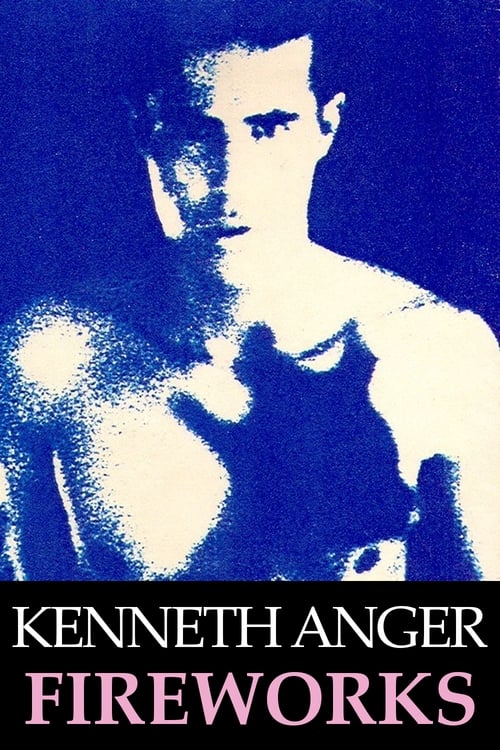
Fireworks
1947 · experimental
How Fireworks scares: Watching it feels like slipping into someone else's fever dream, all strange dissolves and symbolic imagery rather than a story you can follow in a normal way. It moves in a loose, dreamlike rhythm instead of building tension the way a regular horror movie would, so there's no build-up-and-release scare structure at all. The fear here, if you can call it that, comes from unease and strange imagery rather than anything jumping out at you or chasing you. It's less a scary movie and more an experimental short that borrows horror-style pictures to explore desire and identity, so go in expecting art-film weirdness, not frights.

The Alphabet
1969 · experimental
How The Alphabet scares: It runs only a few minutes, but it feels like being trapped inside someone else's bad dream from the first frame to the last. There's no story to follow and no build-up in the usual sense — it just drops you into strange, warped imagery and a droning voice reciting letters, and the discomfort ramps up steadily until it ends almost as suddenly as it started. Nothing jumps out at you; the fear comes from how wrong and distorted everything looks and sounds. This is for people curious about early experimental horror and unsettling short films, not anyone looking for a traditional scary movie.

Lucifer Rising
1974 · occult
How Lucifer Rising scares: Watching it feels more like sitting through a strange ritual than a scary movie — it's a wash of occult imagery, chanting, and symbolic ceremony rather than anything built to make you jump or fear for anyone's safety. There's no story to follow and no danger to track, just slow, dreamlike visuals of Egyptian gods and dark magic meant to hypnotize rather than frighten. It's unsettling in an abstract, trance-like way, not a jolt-you-in-your-seat way. This is really for people curious about underground art film and occult imagery, not for anyone looking for a traditional horror experience.
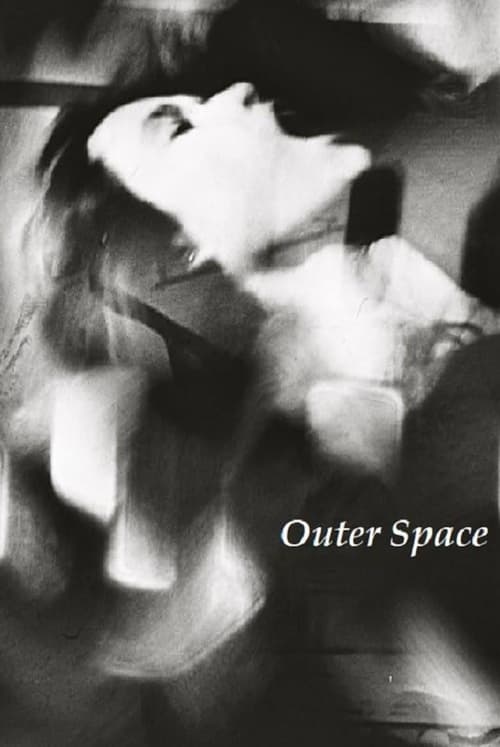
Outer Space
1999 · experimental
How Outer Space scares: Outer Space throws away normal storytelling and turns the film itself into the monster, using scratched, flickering, glitching footage to create a sense of panic and collapse. It's only about ten minutes long, but it moves fast and hits hard, with bursts of noise and broken images instead of a slow build. The scares don't come from a killer or a ghost jumping out, they come from the feeling that the movie itself is falling apart around the woman on screen. This one is for people who like strange, experimental horror more than a normal plot-driven scary movie.