Giallo horror movies
The Horror Database (THDB) tracks 70 giallo movies. As a group they run moderately intense (average intensity 3.0/5), lean toward slow-burn dread, and average 3.0/5 on gore. Ranked by popularity; every profile describes how the movie scares, spoiler-free.
All Giallo horror movies on The Horror Database

MaXXXine
2024 · slasher
How MaXXXine scares: There's a stylish, neon-lit tension to this one that feels more like a moody thriller than a straight-up scare fest. It moves slowly for long stretches, building mystery and paranoia around a stalking killer, then snaps into short bursts of sharp violence. The fear here comes less from dread and more from the threat of exposure and violence catching up to someone with a secret past. It's a good pick if you like glossy, retro Hollywood crime stories with a slasher edge rather than something that will actually haunt you.
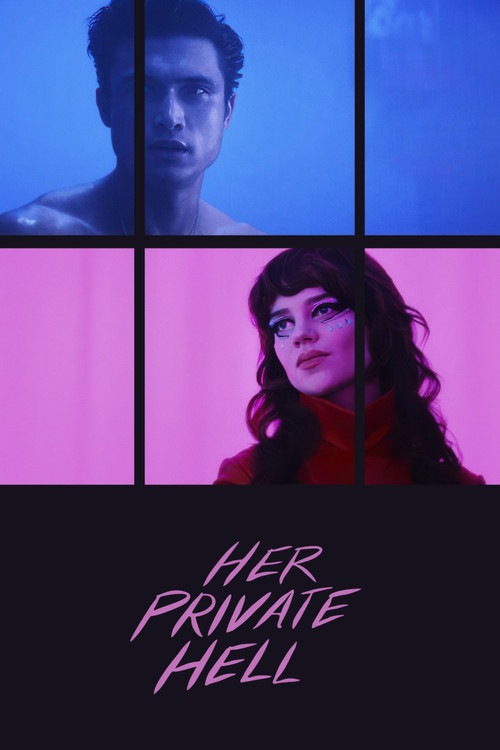
Her Private Hell
2026 · neo-noir
How Her Private Hell scares: It seems to open like a moody noir mystery before drifting into something stranger and more nightmarish, with a fog-covered city blurring the line between a missing-person hunt and a descent into something otherworldly. Given the director's style, expect long stretches of hypnotic, neon-soaked atmosphere over quick scares, with unease built through mood, color, and silence rather than jolts. The threat feels dreamlike and uncertain rather than a clear monster or killer, and any violence is likely stylized and unsettling rather than realistic. This looks like a pick for people who enjoy slow, surreal, art-house horror over fast thrills.
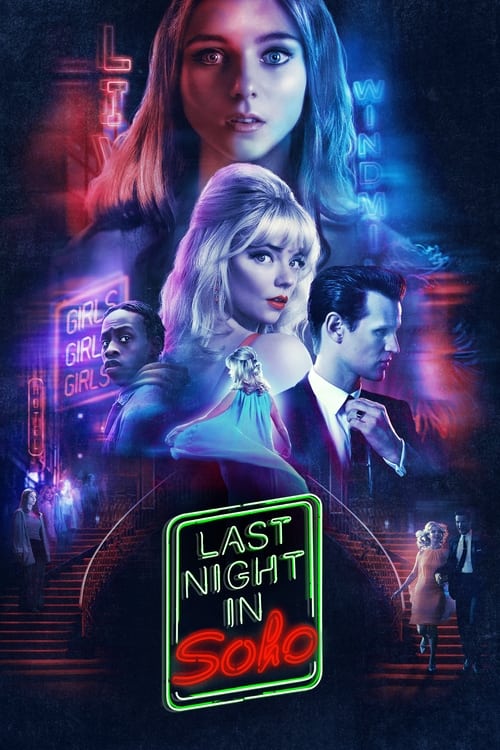
Last Night in Soho
2021 · psychological horror
How Last Night in Soho scares: There's a dizzy, dreamlike pull to this one, like being swept up in a glamorous fantasy that slowly starts to feel wrong underneath. The mood shifts from dazzling nostalgia into something heavier and sadder, with flickers of ghostly imagery, mirrors, and faces in crowds that unsettle more than they jolt you. It leans on mounting dread and a sense of losing control over what's real rather than constant scares, though it does have a handful of sharp fright moments. This suits someone who wants a moody, stylish, emotionally heavy watch rather than a straightforward horror ride.

Suspiria
1977 · witchcraft
How Suspiria scares: Watching it feels like sinking into a fever dream—thick with color, blaring music, and a sense that something is deeply wrong long before anything actually happens. The pacing is unusual: long stretches of eerie, off-kilter mood suddenly explode into shocking bursts of violence that feel almost operatic rather than realistic. The threat here is witchcraft and old evil, not a human killer, and the horror leans more on unease, style, and dread than on cheap jolts. It's a good pick for people who like their horror artistic and hypnotic rather than tense in a jump-scare way, though the violent moments are genuinely graphic when they hit.
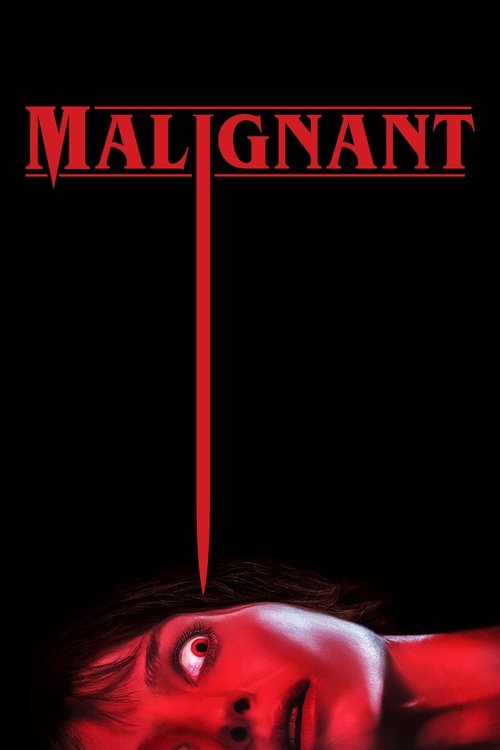
Malignant
2021 · body horror
How Malignant scares: Watching this feels like it starts as a moody, dread-soaked mystery and then flips into a gleefully over-the-top monster movie by the end. The first half plays slow and eerie, full of unsettling visions and a sense that something is deeply wrong, while the back half turns into loud, blood-soaked chaos with wild action and constant shocks. It leans more fun and outrageous than truly upsetting, like a haunted house ride that keeps escalating. Good for people who want style, gore, and a few genuine 'what did I just watch' moments rather than something that will haunt them afterward.
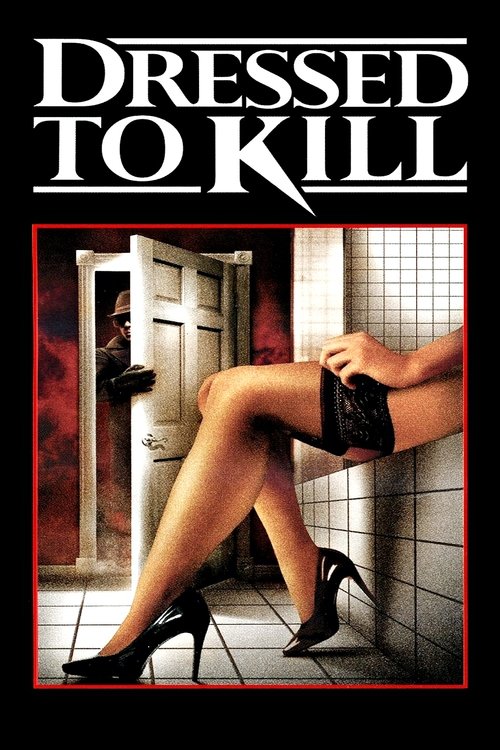
Dressed to Kill
1980 · giallo
How Dressed to Kill scares: It opens slow and moody, lingering on tension between characters and voyeuristic camera moves before erupting into sudden, brutal violence that changes the whole direction of the story. The pace is deliberate and stylish, more interested in unease, suspicion, and sexual tension than constant scares. Once the killing starts, it shifts into a tense cat-and-mouse chase with real physical danger and a nagging sense of paranoia about who to trust. It's less about jump scares and more about slick, uncomfortable dread mixed with flashes of shocking violence.
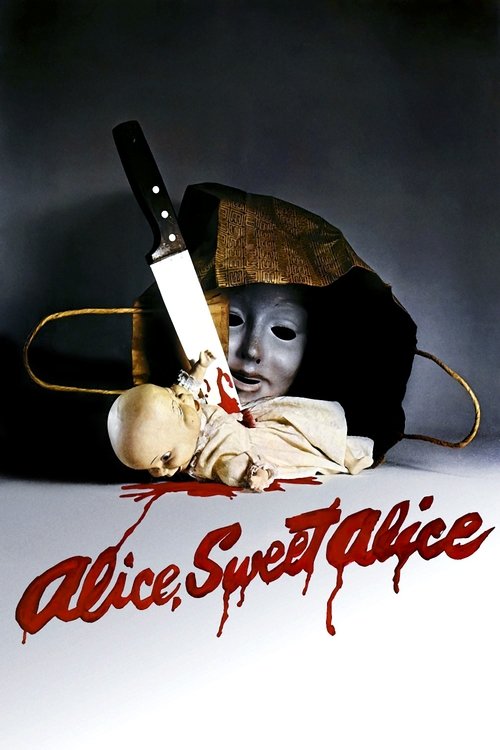
Alice, Sweet Alice
1976 · proto-slasher
How Alice, Sweet Alice scares: There's a grimy, uneasy feeling to this one that never really lets up, like something is wrong in this family long before anything violent happens. The pacing is slow and moody, built on strange looks, religious imagery, and a creepy child-sized mask, with the actual violence arriving in short, ugly bursts rather than constant action. It's more unsettling than thrilling, leaning into family dysfunction and grief instead of cheap scares. Good for fans of grim 70s thrillers who want something that sits with you afterward rather than a fun scare-fest.
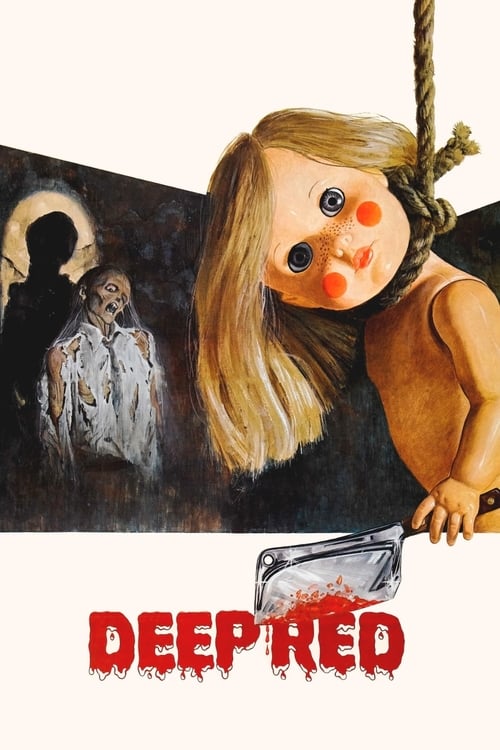
Deep Red
1975 · giallo
How Deep Red scares: There's a stylish, almost dreamlike unease running through the whole thing, with long stretches of moody wandering and puzzle-solving suddenly cut through by bursts of shocking, brutal violence. The camera lingers on odd details and strange color-lit rooms, building a sense that something is wrong long before it shows you why. It plays more like a stylish mystery with teeth than a straight-up scare machine, though when the violence hits it's sharp and startling. Good for people who like moody, artsy horror-thrillers with a real mystery to chew on, not for those wanting nonstop dread or jump scares.
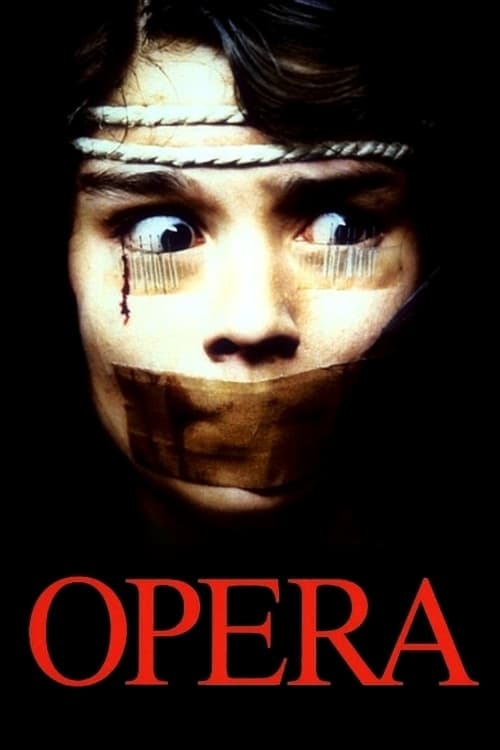
Opera
1987 · giallo
How Opera scares: Opera is Dario Argento at his most stylish, turning a stalker story into a series of elaborate, almost theatrical set pieces built around sweeping camera moves and a booming score. The fear here comes less from jolts and more from a sense of being watched and trapped, with violence that erupts suddenly and is shown in full, graphic detail. It leans more toward gorgeous and shocking than quietly unsettling, so it plays well for horror fans who like style and spectacle. Gore hounds and giallo fans will get more out of it than people looking for slow dread or a subtle scare.
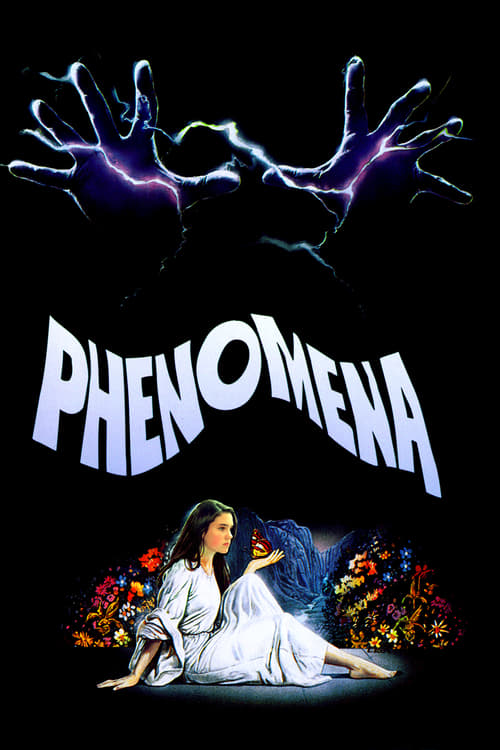
Phenomena
1985 · giallo
How Phenomena scares: The whole experience feels like a fever dream, with dreamy visuals, a driving rock score, and logic that bends more than it explains. Long, moody stretches of unease are broken up by sudden bursts of ugly violence rather than cheap jump scares. The horror mixes eerie, otherworldly touches with a very human killer, so it never settles into one clear kind of threat. It's more of a strange, stylish ride than something that will actually haunt you afterward, though a few images stick with you.

Happy Birthday to Me
1981 · slasher
How Happy Birthday to Me scares: It starts off more like a mystery than a straight horror movie, slowly dropping clues about blackouts and a strange accident before the killings start piling up. Once the murders begin, the movie shifts into a string of inventive, over-the-top kill scenes spaced between campus drama and red herrings about who the killer really is. It leans on a whodunit structure more than pure dread, with the fear coming from wondering who's next and who's responsible rather than nonstop tension. Fans of early 80s slashers with a gimmicky, almost gleeful streak to the violence will get the most out of it.
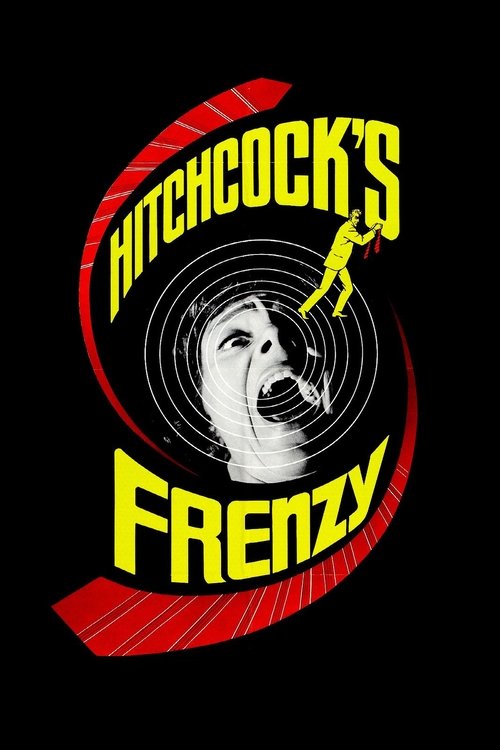
Frenzy
1972 · serial killer
How Frenzy scares: Frenzy builds its fear through unease and dramatic irony rather than shocks, letting the audience know things the characters don't and forcing you to sit with dread as danger creeps closer. Hitchcock lingers on tension before violence rather than cutting away, so a couple of scenes feel uncomfortably drawn out and nasty for their time. The horror comes from a very human predator hiding in plain sight in an ordinary city, not from anything otherworldly. It's unsettling and a bit grim rather than a fun scare, closer to a dark thriller than a horror ride.
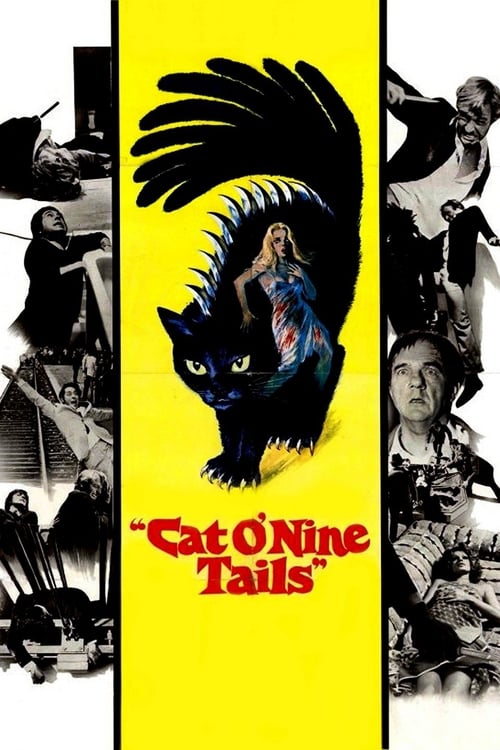
The Cat o' Nine Tails
1971 · giallo
How The Cat o' Nine Tails scares: It starts slow, laying out clues and characters like a detective story, then punctuates that patient setup with sudden bursts of violence when the killer strikes. The pace is closer to a mystery you're trying to solve than a horror movie meant to rattle you, with long stretches of talking, investigating, and following leads between the murders. Blood shows up in sharp, stylish jolts rather than constant gore, and the fear comes more from wondering who's guilty than from dread or physical terror. It suits people who like puzzle-driven thrillers with a horror edge rather than viewers looking to be scared stiff.
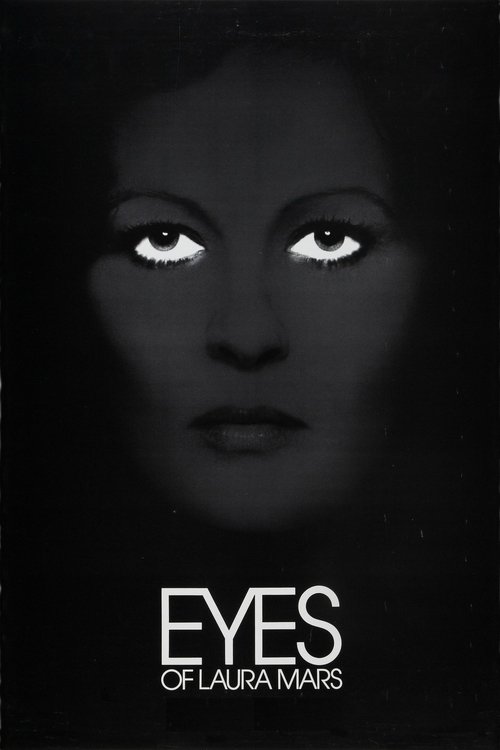
Eyes of Laura Mars
1978 · psychological horror
How Eyes of Laura Mars scares: Watching it feels like sinking into a moody, glossy nightmare where you're never quite sure if what you're seeing is real. The pace is slow and dreamlike, built around unsettling visions rather than jump scares, so the fear creeps in through unease rather than shocks. There's a stylish, almost fashion-shoot gloss over everything, which makes the violence feel stranger and more disturbing when it breaks through. It's a good pick if you like moody 70s thrillers with a psychic twist more than straightforward slasher scares.
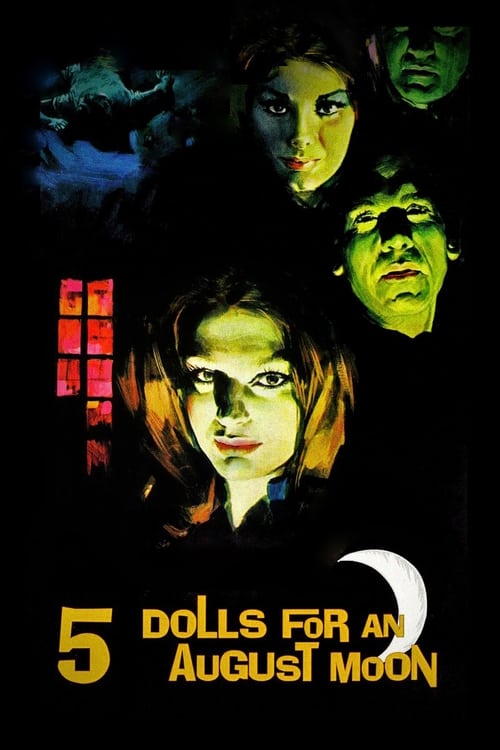
Five Dolls for an August Moon
1970 · giallo
How Five Dolls for an August Moon scares: Five Dolls for an August Moon plays more like a stylish, moody puzzle than a scare machine, with Mario Bava using color, light, and composition to create unease rather than shocks. The pace is leisurely and talky, built around suspicion and social tension among a small group of wealthy friends stuck together on an isolated island, with violence arriving in brief, stylish bursts rather than sustained brutality. It's less about jumping in your seat and more about the cold, glossy paranoia of not knowing who to trust. Good for fans of atmospheric, retro mystery-thrillers rather than viewers looking for real dread or gore.
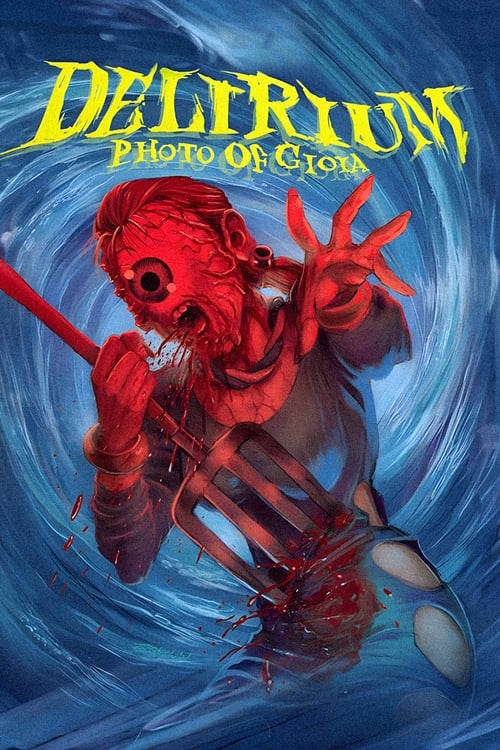
Delirium: Photo of Gioia
1987 · giallo
How Delirium: Photo of Gioia scares: Delirium: Photo of Gioia leans hard into flashy, stylish 80s Italian slasher territory, with a killer picking off glamour models in increasingly elaborate ways. The pacing is quick and pulpy rather than slow-building, moving from one stalking sequence to the next with bursts of gory violence. It's more about lurid style, bright colors, and shock kills than genuine dread, so it plays more like a trashy, fun ride than something that will actually unsettle you. Good for fans of campy Italian horror who want blood, sleaze, and a mystery-killer plot over slow tension.
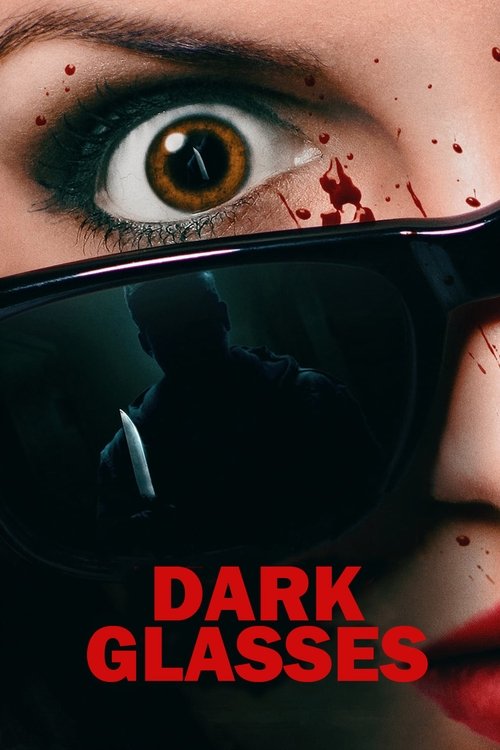
Dark Glasses
2022 · giallo
How Dark Glasses scares: There's a constant low hum of vulnerability running through this one, since so much of the fear comes from a woman who can no longer see the danger closing in on her. The pace is more patient than jumpy, with stretches of tension building slowly before breaking into sudden bursts of violence. It leans on old-school stalking-and-suspense style scares rather than loud jolts, with occasional flashes of blood when the violence does arrive. This suits fans of classic Italian thrillers who want mood and style over nonstop scares.

Blood and Black Lace
1964 · giallo
How Blood and Black Lace scares: Blood and Black Lace is more about style than shock, built around gorgeous colored lighting, elaborate sets, and a masked killer stalking beautiful people through shadowy rooms. The murders are sudden and violent for their time, but the movie lingers on mood and visuals more than on real terror, so it feels more like a stylish murder mystery than a scare machine. There's some real menace when the killer corners a victim, but it never digs deep into dread or lasting unease. It's a good pick if you like classic, artsy thrillers with a killer aesthetic rather than something that will actually keep you up at night.
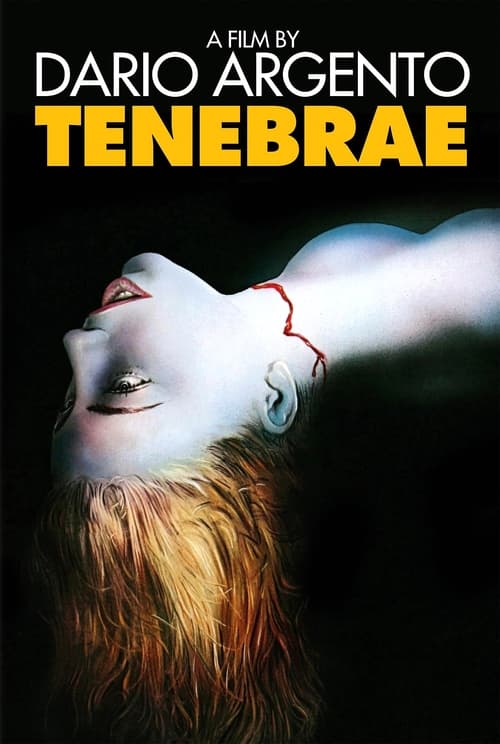
Tenebre
1982 · giallo
How Tenebre scares: It opens like a mystery novel come to life, slowly laying out clues and suspects before erupting into sudden bursts of brutal violence. The pace is deliberate and stylish, with long stretches of tension and eerie calm shattered by sharp, bloody attacks that come fast and hard. The fear here is less about things jumping out at you and more about a creeping sense that anyone could be watching or next in line. It's a sleek, artful kind of horror that mixes a real whodunit puzzle with graphic, uncomfortable violence, so it plays as sharp and stylish rather than warm or campy.
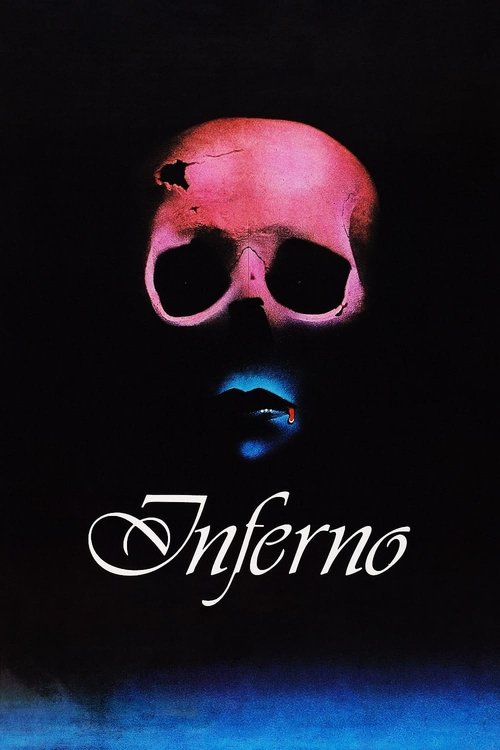
Inferno
1980 · giallo
How Inferno scares: Watching this feels like sinking into a fever dream where logic stops mattering and only color, sound, and dread remain. The pace is slow and hypnotic, built more on strange imagery and unease than on jump scares, so patience is rewarded more than nerves. Blood shows up in sudden, stylish bursts rather than constant violence, and the overall threat is witchy and occult rather than anything grounded in the real world. It's a good pick for someone who likes horror as a strange, artsy mood piece rather than a straightforward scare machine.
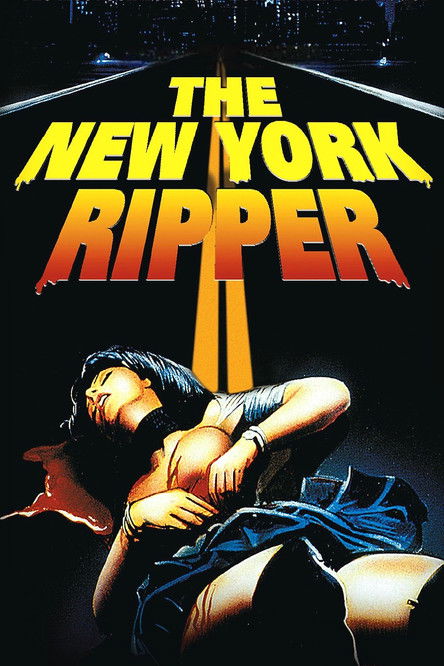
The New York Ripper
1982 · slasher
How The New York Ripper scares: It starts as a grimy police procedural chasing a killer through New York's seedier corners, then keeps slowing down to linger on each attack in ugly, drawn-out detail. The mystery angle is mostly a thin frame for scene after scene of women being stalked and cut apart, with the camera refusing to look away. There's little dread or mind games here, just cold, mean violence shot in a sleazy, matter-of-fact way that feels mean-spirited rather than thrilling. This is for hardened gore fans who want notorious, extreme slasher material, not for anyone looking for a fun scare or a clever whodunit.
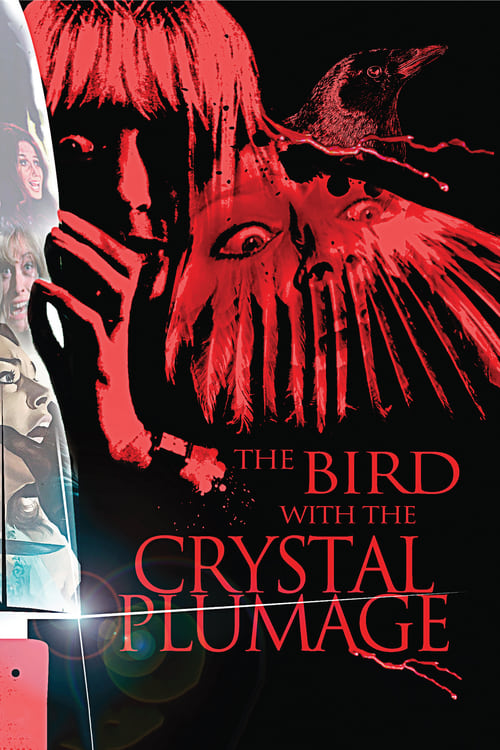
The Bird with the Crystal Plumage
1970 · giallo
How The Bird with the Crystal Plumage scares: The Bird with the Crystal Plumage set the template for Italian giallo thrillers, mixing stylish visuals with mystery-driven tension rather than nonstop terror. The pace is deliberate, following an amateur investigation with bursts of stalking and sudden violence breaking up the slower detective work. Fear here comes from voyeurism, being watched, and not knowing who to trust, more than from gore or jump scares, though there are a few sharp shocks involving a knife-wielding figure in black gloves. It's a stylish, moody watch for fans of mystery and suspense more than pure horror, leaving you unsettled rather than traumatized.
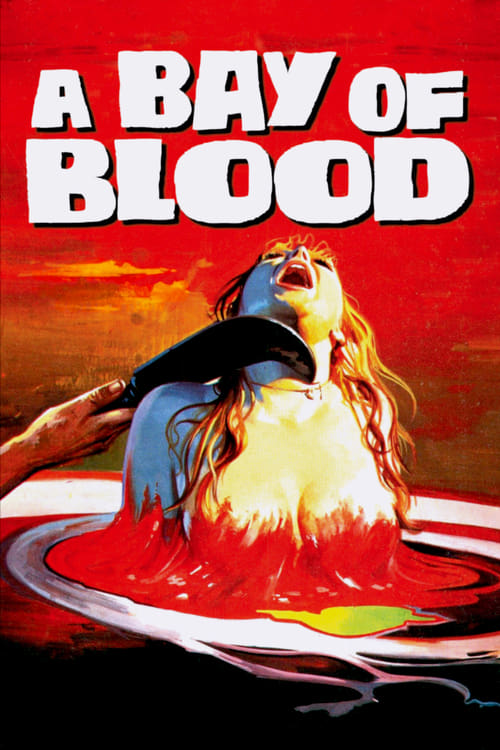
A Bay of Blood
1971 · proto-slasher
How A Bay of Blood scares: A Bay of Blood moves like a murder mystery crossed with a body-count movie, with long stretches of scheming and suspicion suddenly cut short by a burst of shocking, creative violence. The fear here isn't about mood or dread building in your head, it's about watching greedy, awful people get picked off in nasty, inventive ways. There's real blood and blunt violence on screen, shot with a stylish, almost painterly eye that keeps it from feeling mean-spirited. It's more of a twisted, darkly fun ride for gore fans and slasher-history buffs than something that will actually unsettle you afterward.
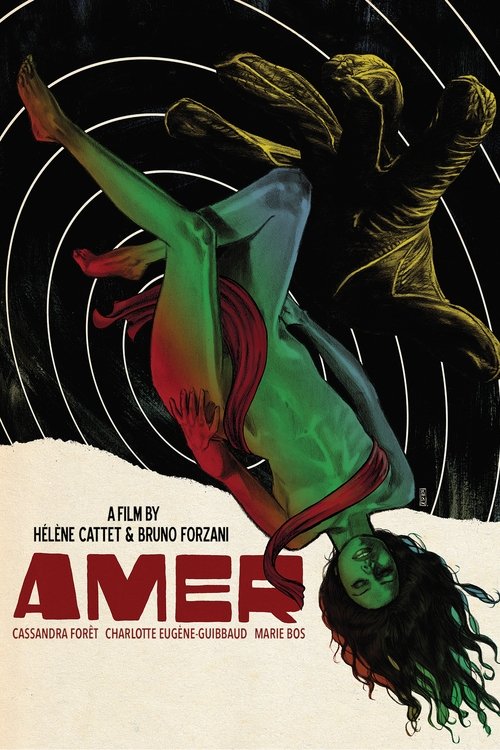
Amer
2009 · giallo
How Amer scares: Amer feels less like a story and more like a fever dream made of color, sound, and skin. It moves in long, wordless stretches where the camera lingers on eyes, hands, and razors until the tension becomes almost unbearable, then cuts away before anything is fully explained. The fear here isn't about monsters or chases; it's about memory, desire, and unease crawling under your skin. It's best for viewers who like art-house style and mood over clear plot or jump scares.

The Black Cat
1981 · giallo
How The Black Cat scares: It opens like a quiet mystery, with a detective poking around a foggy English village, and only slowly reveals its horror side as the body count creeps up. The pace stays deliberate for most of the runtime, favoring moody atmosphere, strange sounds, and a sense that something unnatural is watching over quick shocks. When the violence does arrive it's sudden and a little strange rather than constant, tied to an eerie animal presence rather than a human killer. It's more eerie and odd than truly gut-wrenching, better suited to fans of slow, atmospheric chillers than to people wanting nonstop scares.
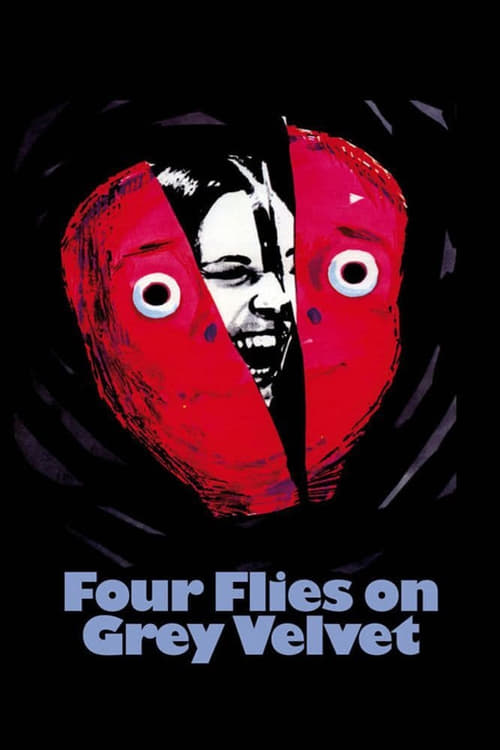
Four Flies on Grey Velvet
1971 · giallo
How Four Flies on Grey Velvet scares: Four Flies on Grey Velvet builds its fear through paranoia and stalking rather than sudden shocks, with a man slowly realizing he's being watched, followed, and set up. The camera lingers on nervous glances and strange figures in the shadows, giving the movie a nagging, anxious feeling rather than constant scares. When violence hits, it's sudden and stylish, shot with sharp angles and bright color rather than lots of gore. This is more of a moody, twisty mystery-thriller than an outright horror movie, good for fans of stylish 70s suspense over jump-scare rides.
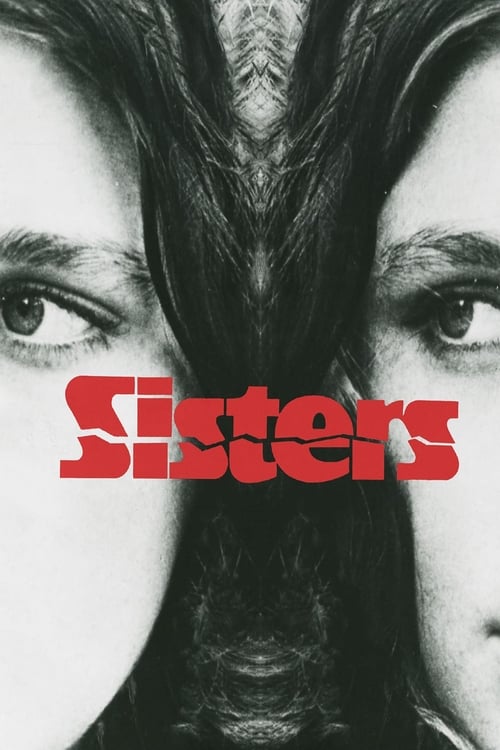
Sisters
1973 · psychological horror
How Sisters scares: It opens calm and almost playful before snapping into a sudden, brutal act of violence that changes the whole mood of the film. From there it slows back down into a tense, paranoid investigation where nothing you saw seems to add up anymore. The fear here comes from confusion and helplessness rather than constant threat, with the camera itself often playing tricks on what you think you're seeing. It's a slow, unsettling puzzle more than a thrill ride, aimed at people who like their scares mixed with mystery and mind games rather than constant scares.
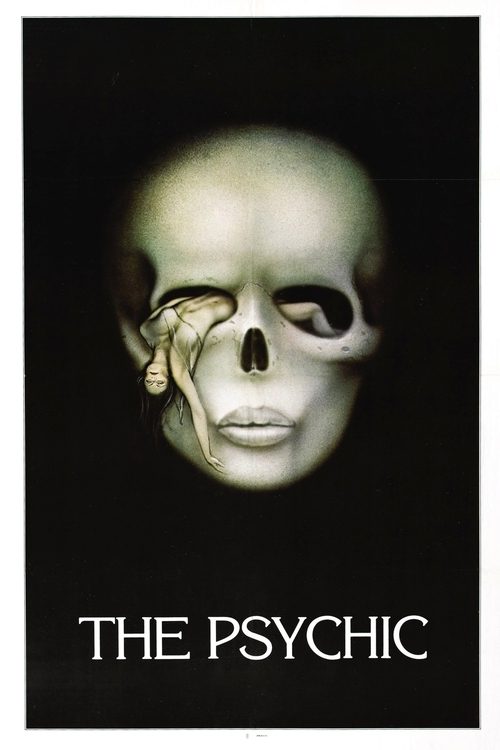
The Psychic
1977 · giallo
How The Psychic scares: The story unfolds like a puzzle, starting with a strange vision and slowly piecing together a murder mystery rather than throwing scares at you right away. It builds through long stretches of unease and dread, with the tension coming from what the main character can't quite explain or escape. There's a supernatural hook in her visions, but the real horror comes from a very human killer and the dread of being trapped by fate. It's more of a slow, moody thriller with horror touches than a movie built around shocks, though it does have a few genuinely disturbing images near the end.
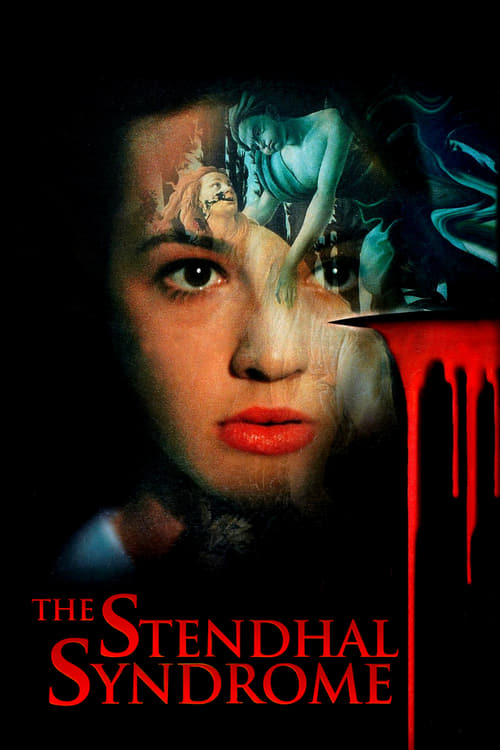
The Stendhal Syndrome
1996 · giallo
How The Stendhal Syndrome scares: It opens almost like a dreamy art film, following a woman getting lost in paintings until the world around her starts to blur, then it turns hard into something much darker and more brutal as she's stalked and hurt by a real, human predator. The back half stops being about mystery and becomes about watching someone's mind slowly come apart after trauma, with violence that feels ugly and personal rather than fun. There are no jump scares here; the dread builds slow and stays low, then spikes into scenes that are hard to watch. This is for people who want a heavy, upsetting psychological horror experience, not a rollercoaster.

Veneciafrenia
2022 · slasher
How Veneciafrenia scares: Watching this feels like being swept into a chaotic, fast-moving nightmare where danger comes from ordinary people rather than anything supernatural. The pace is relentless once things kick off, with characters chased and cornered through Venice's alleys and canals, so it leans more toward heart-pounding physical danger than quiet dread. There's a wild, almost theatrical style to the violence, mixing real menace with moments that tip into dark humor. It's the kind of horror that's more about the thrill of the chase and gruesome set pieces than something that haunts you afterward.
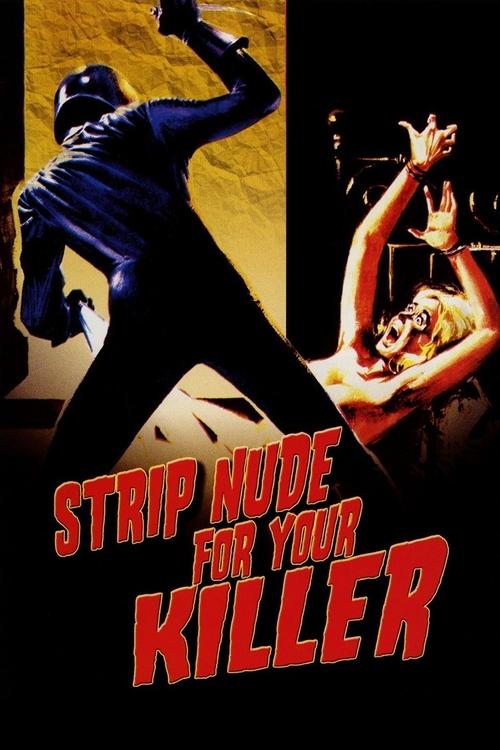
Strip Nude for Your Killer
1975 · giallo
How Strip Nude for Your Killer scares: Strip Nude for Your Killer runs on sleazy 70s style more than real dread, mixing fashion-world glamour with a string of nasty, drawn-out murders. The pace is classic giallo: long stretches of soapy melodrama and sex appeal interrupted by sudden, brutal kill scenes shot in close, lingering detail. It's more trashy and shocking than genuinely scary, leaning on shock value, gore, and a mystery-killer setup rather than mood or slow dread. Good for fans of vintage Italian slasher sleaze who want body count and style over lasting scares.
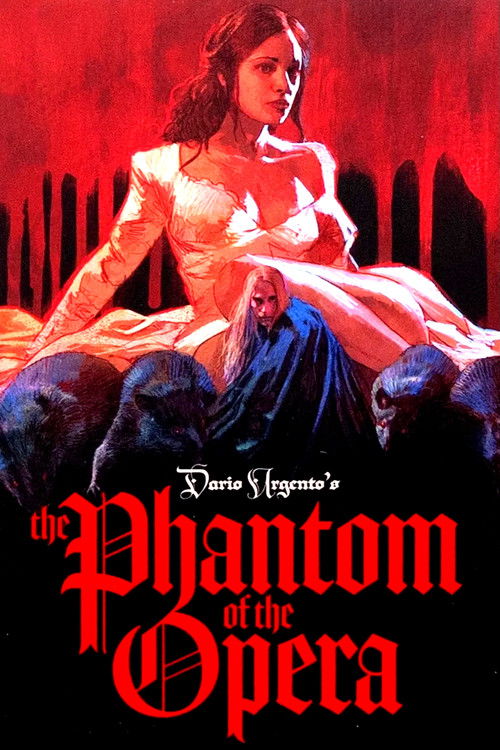
The Phantom of the Opera
1998 · gothic
How The Phantom of the Opera scares: Watching this feels less like being scared and more like being dragged through a gaudy, blood-soaked fever dream that can't decide if it's horror or romance. The pacing is uneven, drifting between lush gothic melodrama and sudden bursts of gruesome violence, so dread never really builds. There are rats, secret passages, and grisly kills, but the tone leans campy and strange rather than genuinely unsettling. It's a good pick if you want something bizarre and bloody to laugh at with friends, not something that will haunt you afterward.
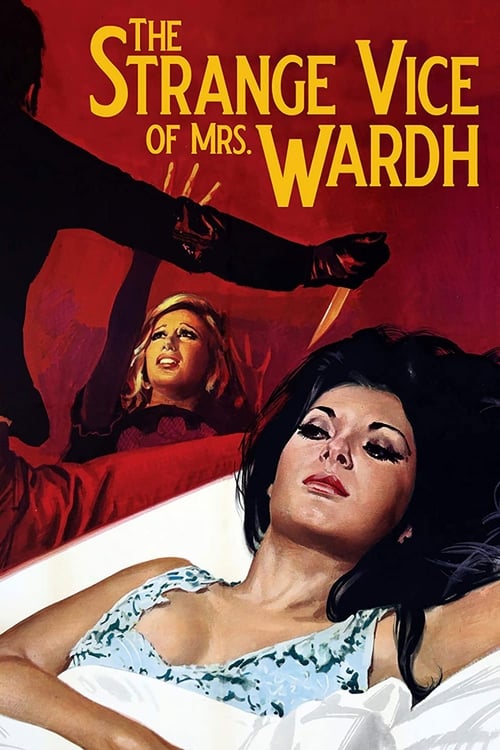
The Strange Vice of Mrs Wardh
1971 · giallo
How The Strange Vice of Mrs Wardh scares: There's a constant, simmering paranoia here, the sense that someone close to the main character might be a killer, and that unease never really lets up. The pace is slow and moody, built more on tension, jealousy, and suspicion than sudden scares, with bursts of stylish violence breaking up long stretches of intrigue. It leans into sex and betrayal as much as horror, so the fear is tangled up with mystery and mistrust rather than pure dread. This is for people who like stylish, twisty thrillers with a killer lurking somewhere in the plot, not for those wanting nonstop scares.
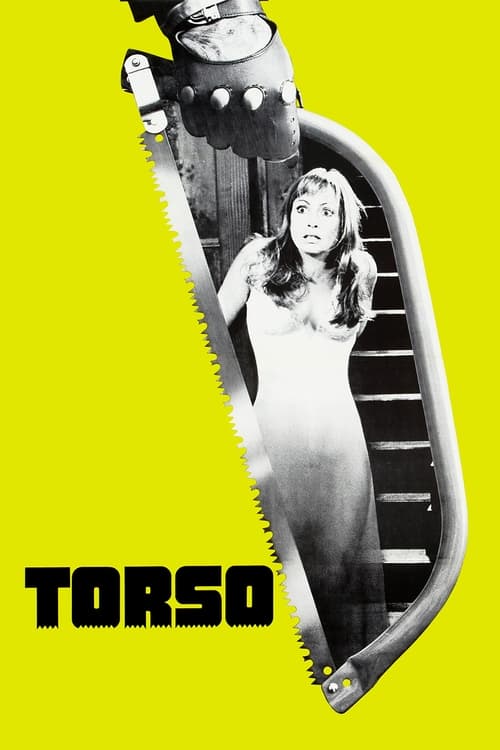
Torso
1973 · giallo
How Torso scares: The first half plays like a moody whodunit, all lingering looks and suspicious glances among a college crowd, before the movie shifts gears into a slower, more isolated stalking nightmare once the setting moves to a remote villa. The pace is deliberate rather than jumpy, building unease through quiet hallways and the sense that someone is always watching. There's real tension in feeling hunted and trapped, especially in the back half, but the scares lean more on dread and suspense than sudden shocks. It's stylish giallo territory: a human killer, some bursts of violence, and a slow tightening of the noose rather than a rollercoaster of jolts.
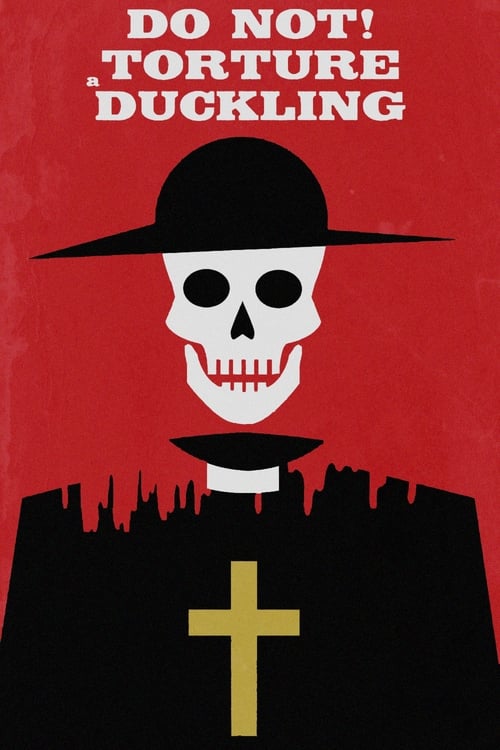
Don't Torture a Duckling
1972 · giallo
How Don't Torture a Duckling scares: Don't Torture a Duckling plays out like a slow-moving mystery, following a reporter piecing together a string of child killings in a small, closed-off Italian town full of old superstitions and gossip. The scares aren't jumps or monsters, they come from a growing sense of suspicion and cruelty simmering in a community that turns on its own. There are bursts of shocking, ugly violence that hit harder because of how grounded and human they are, including one scene of mob brutality that's genuinely hard to watch. This is less a fun scare and more a bleak, angry film about small-town hate and cruelty dressed up as a murder mystery.

Your Vice Is a Locked Room and Only I Have the Key
1972 · giallo
How Your Vice Is a Locked Room and Only I Have the Key scares: There's a sweaty, decadent unease running through this one, more sleazy and paranoid than outright terrifying. It moves at a moody, slow-burn pace, letting tension and suspicion build between characters before breaking into sudden, bloody murder scenes. The fear here is less about jump scares and more about not knowing who to trust in a house full of secrets and bad behavior. It's a stylish, twisty mystery-thriller with real bite, best for people who like their horror mixed with a whodunit and a strong sense of sleaze.
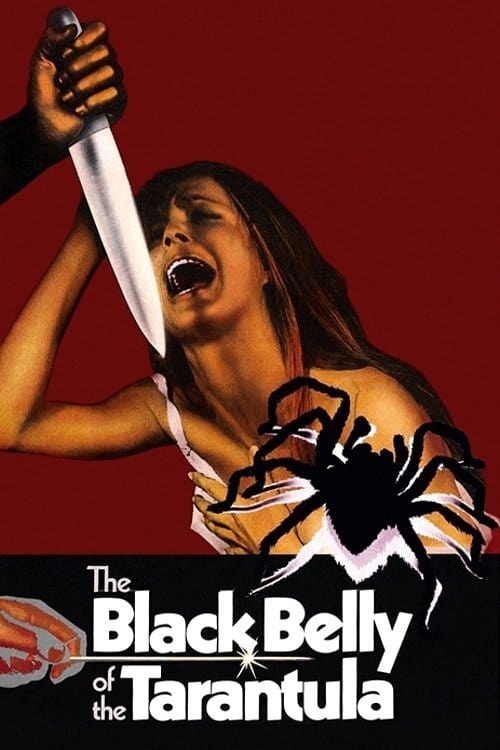
The Black Belly of the Tarantula
1971 · giallo
How The Black Belly of the Tarantula scares: There's a stylish, dreamlike unease to this one, built more on mood, color, and creeping suspicion than sudden shocks. The pacing is deliberate, moving like a detective puzzle with bursts of sudden, sharp violence breaking up the calm. It's more about tension and voyeuristic dread than gross-out horror, though the knife attacks land with real bite. Fans of stylish old-school Italian mystery-thrillers with a killer stalking beautiful people will enjoy the vibe more than horror fans looking for scares.
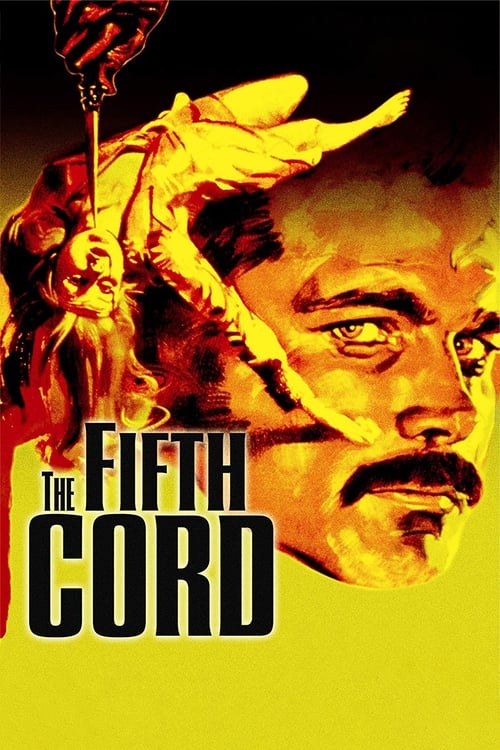
The Fifth Cord
1971 · giallo
How The Fifth Cord scares: The Fifth Cord moves at a deliberate, moody pace, more concerned with mood and suspicion than with scares. It's built like a puzzle, following a flawed, hard-drinking reporter as the killings edge closer to him, and the dread comes from not knowing who to trust rather than from anything jumping out at you. The violence, when it happens, is sudden and stylish rather than drawn-out, shot with a cold, elegant eye. This is for people who like moody, slow-moving mysteries with a killer on the loose more than people looking for straightforward horror.
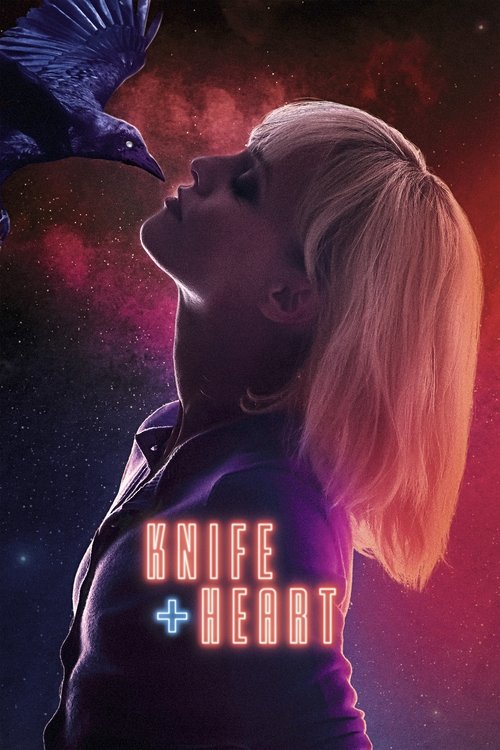
Knife+Heart
2018 · slasher
How Knife+Heart scares: Knife+Heart wraps its slasher plot in a dreamy, neon-soaked haze that feels more like a fever dream than a straightforward chase movie. The pace is moody and slow, with lingering shots and a heavy synth score building unease rather than jumping out at you. When the violence does hit, it's sudden and strange, mixing lust and dread in a way that feels unsettling more than thrilling. It's a good pick for viewers who like their horror artsy, sad, and a little hypnotic rather than fast and adrenaline-driven.
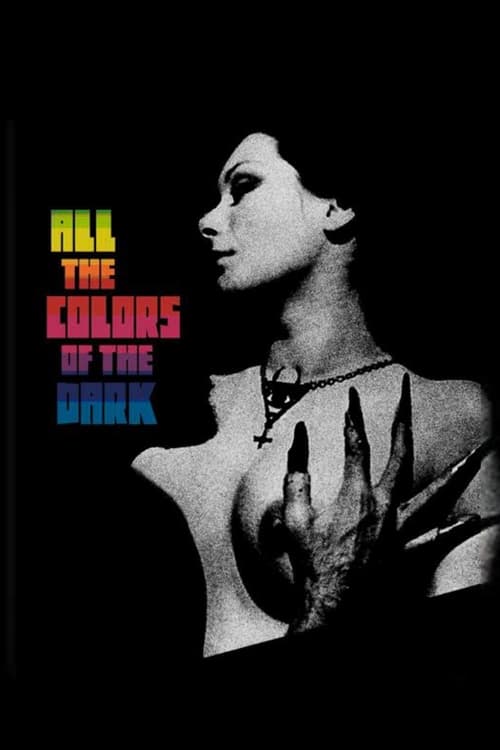
All the Colours of the Dark
1972 · giallo
How All the Colours of the Dark scares: All the Colours of the Dark builds its fear through dreamlike, disorienting imagery rather than shocks or chases, dragging the viewer through a woman's unraveling grip on reality. The camera lingers on strange rituals and hallucinatory visions, so you're never quite sure what's real, which is where the dread comes from. There's some violence and unsettling cult imagery, but the horror is more about paranoia and losing your grip on your own mind than physical danger. It's a moody, trippy, style-heavy watch best suited to fans of 70s Italian horror who like atmosphere and ambiguity over jolts.
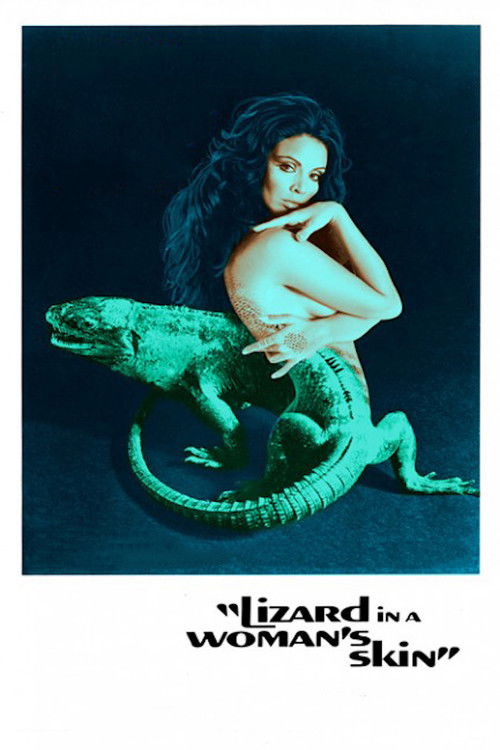
A Lizard in a Woman's Skin
1971 · giallo
How A Lizard in a Woman's Skin scares: Watching it feels like being trapped in someone else's fever dream, where you can never quite tell what's real and what's drug-fueled imagination. The pace is slow and hazy, built more on trippy visuals and mounting confusion than sudden scares, though it does have a couple of shocking, graphic moments that cut through the haze. It plays like a stylish murder mystery wrapped in psychedelic nightmare logic, so the fear is more about losing your grip on reality than being chased or hurt. Good for fans of moody, arty 70s horror-thrillers who don't mind a slower, trippier ride over constant jolts.
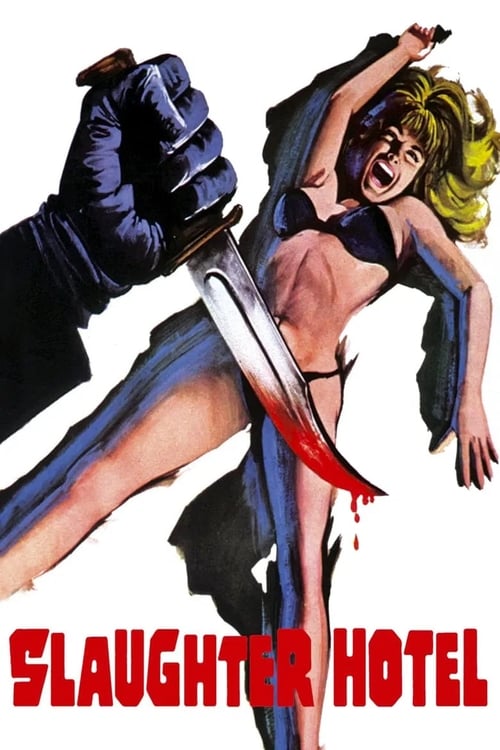
Slaughter Hotel
1971 · giallo
How Slaughter Hotel scares: It spends a lot of its runtime lingering on mood and bodies before getting to the killings, with long stretches of institutional drama and softcore scenes in between murders. The kills themselves come in sudden bursts using sharp weapons, but the overall feel is more sleazy and voyeuristic than truly frightening. It plays like a cheap, trashy whodunit dressed up as horror, aimed at fans of old Italian exploitation flicks rather than anyone looking for real dread. Don't expect much psychological weight or lasting unease here, it's more of a curious genre relic.
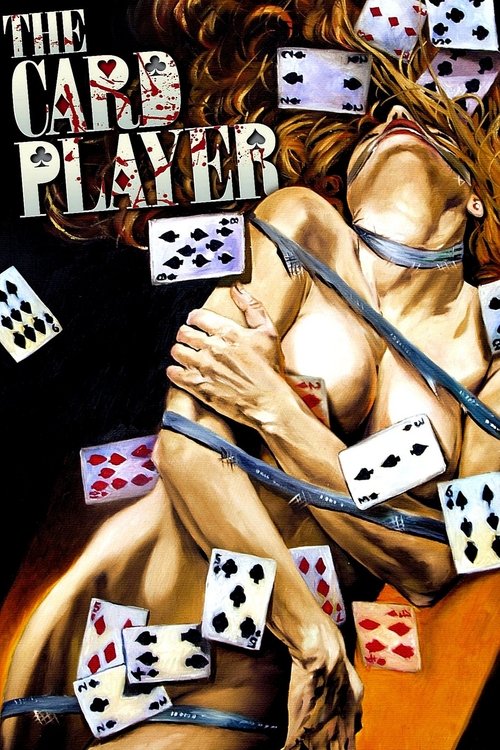
The Card Player
2004 · giallo
How The Card Player scares: There's a queasy, helpless feeling running through this one, since much of the horror comes from watching violence happen live on a screen while characters can only watch, not stop it. The pacing leans toward police-procedural investigation, with dialogue-heavy stretches about tracking an online killer broken up by sudden bursts of ugly violence rather than constant jump scares. The threat here is entirely human, a real serial killer with a sick game to play, not anything supernatural. It's more of a moody, slightly trashy Italian thriller than a heavy, haunting experience, good for fans of stylish giallo-style plots who don't mind some genuinely nasty moments mixed in with silly plotting.
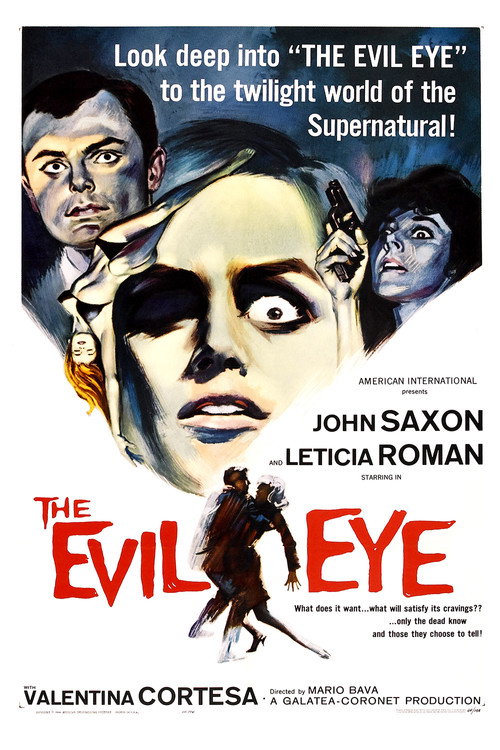
The Girl Who Knew Too Much
1963 · giallo
How The Girl Who Knew Too Much scares: It opens like a breezy travel story before slowly twisting into a moody murder mystery, with the tension building through suspicion and uncertainty rather than shocks. The scares here come from not knowing who to trust and feeling like nobody believes you, more than from anything jumping out of the dark. Blood and violence are kept mostly off-screen, with style and shadow doing the heavy lifting. It's a stylish, moody watch for people who like classic mystery-thrillers with a horror edge rather than something that will actually rattle you.
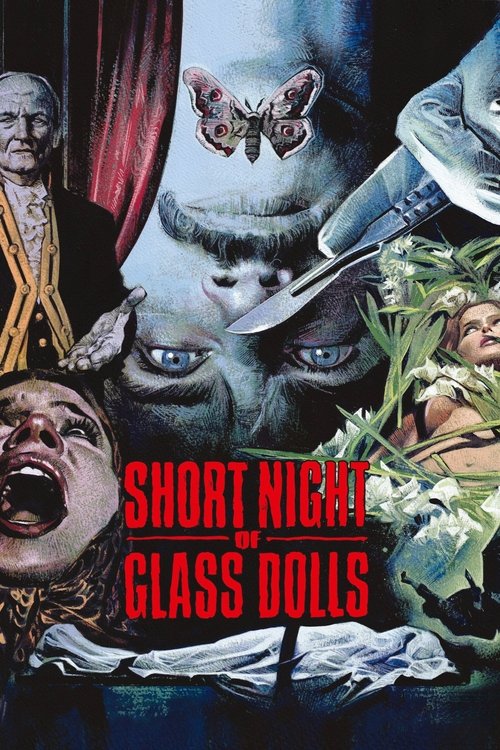
Short Night of Glass Dolls
1971 · giallo
How Short Night of Glass Dolls scares: Short Night of Glass Dolls moves at a slow, cold pace, unfolding like a mystery investigation more than a traditional horror movie. Most of the fear comes from a growing sense of helplessness and dread rather than any blood or violence, building toward a deeply unsettling, almost claustrophobic feeling of being trapped and unheard. It's not gory or jumpy at all, but the quiet, hopeless mood it creates can sit with you long after it ends. Good for people who like their horror cerebral, eerie, and tied to conspiracy and paranoia rather than monsters or gore.
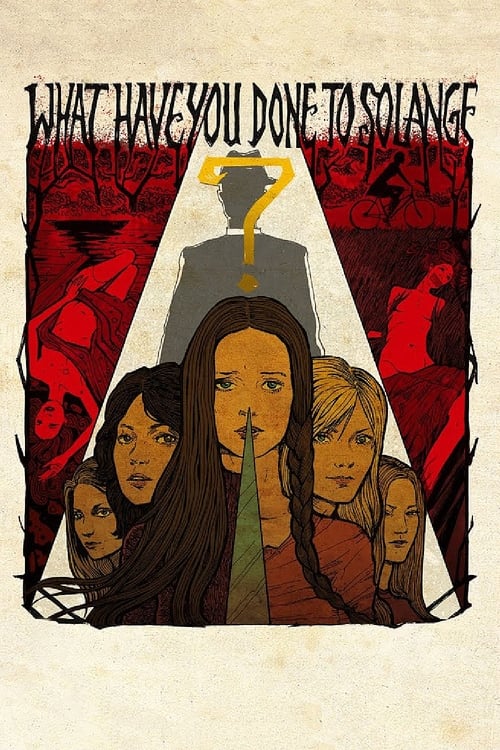
What Have You Done to Solange?
1972 · giallo
How What Have You Done to Solange? scares: What Have You Done to Solange? builds slowly through mystery and suspicion before dropping into sudden, sharp bursts of violence. The camera lingers on unease and guilt as much as on the killings themselves, so a lot of the fear comes from dread and discomfort rather than constant action. When the violence does hit, it's sudden and pointed rather than nonstop, with a queasy, mean-spirited edge that sticks with you. This one is for fans of stylish old-school Italian thrillers who don't mind a slower pace and some genuinely upsetting moments mixed into the mystery.
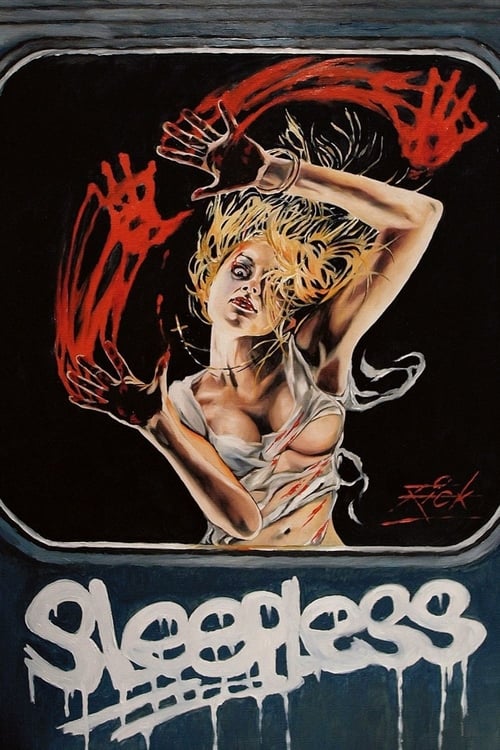
Sleepless
2001 · giallo
How Sleepless scares: There's a stylish, almost theatrical tension running through this one, where every murder scene is built up slowly and then hits hard and bloody. The pace moves like a puzzle box: a detective and a young helper piece together clues between outbursts of sudden, brutal violence. It leans more on shock and style than on quiet dread, with a killer in black gloves stalking victims through moody, colorful settings. Fans of old-school Italian murder mysteries with sharp violence and a fair bit of blood will get the most out of it, more than people looking for slow psychological unease.
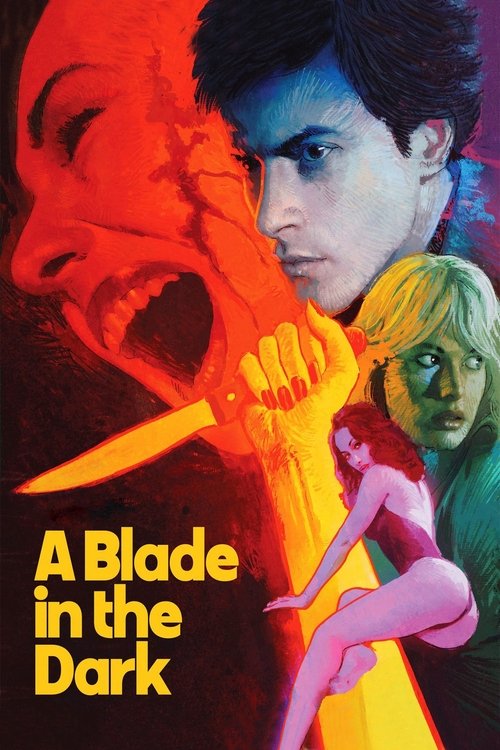
A Blade in the Dark
1983 · giallo
How A Blade in the Dark scares: A Blade in the Dark plays like a slow-moving mystery that keeps interrupting itself with sudden, brutal violence. Most of the runtime is quiet and moody, set in an isolated villa where small clues and odd behavior build a sense that something is off, then the tension breaks with a sharp, bloody kill. The scares lean more shocking than eerie, and the mood stays stylish and colorful rather than heavy or grim. It's a good pick if you like old-school Italian thrillers with style, a bit of nastiness, and a puzzle to piece together rather than pure dread.