Gothic romance horror movies
The Horror Database (THDB) tracks 71 gothic romance movies. As a group they run gentle (average intensity 2.2/5), lean toward slow-burn dread, and average 1.7/5 on gore. Ranked by popularity; every profile describes how the movie scares, spoiler-free.
All Gothic romance horror movies on The Horror Database
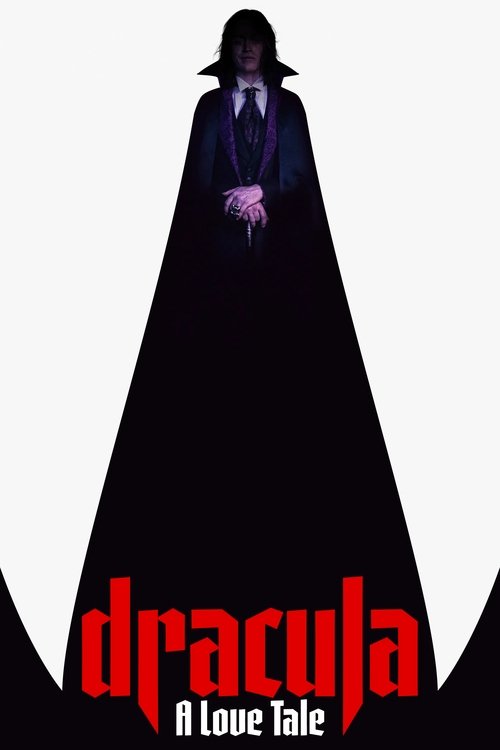
Dracula
2025 · gothic romance
How Dracula scares: Dracula leans more toward sweeping gothic romance than pure horror, with lush visuals, doomed love, and tragedy driving the mood more than scares. The vampire elements bring some blood and violence, but the tone stays melodramatic and operatic rather than tense or dreadful. There are a few brutal, bloody moments, but they're framed as part of a grand love story rather than as horror set pieces. This is a good pick if you want gothic atmosphere and heartbreak more than actual fright.
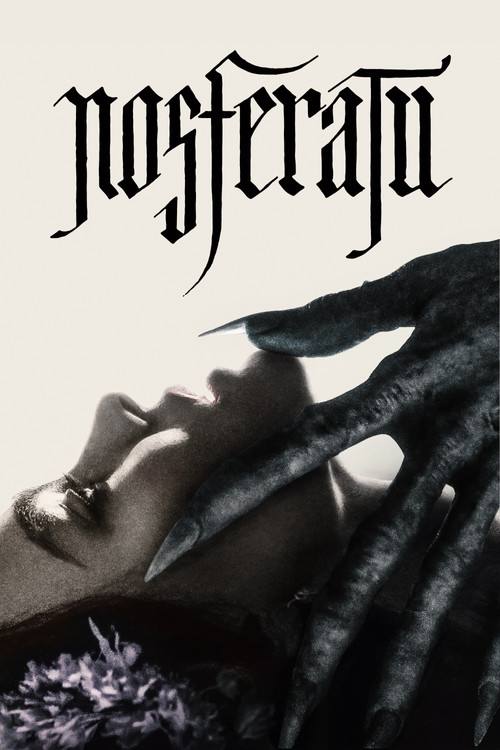
Nosferatu
2024 · gothic
How Nosferatu scares: It opens slow and stays slow, building a thick, oppressive mood that only breaks into real physical horror in short bursts near the end. The fear here comes from dread and obsession more than jolts or chases — heavy shadows, disease, and a suffocating sense that something terrible is closing in. There's blood and body horror when it finally arrives, but the lasting feeling is unease and sadness rather than shock. This is for people who like their horror slow, beautiful, and heavy, not for anyone looking for quick scares.
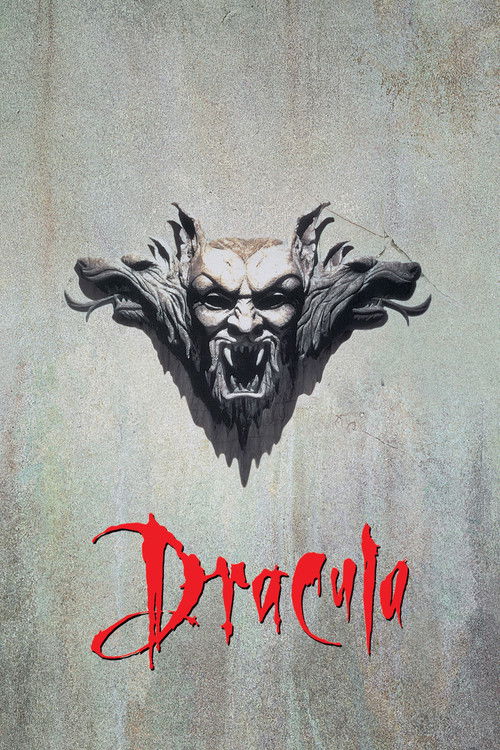
Bram Stoker's Dracula
1992 · gothic romance
How Bram Stoker's Dracula scares: Bram Stoker's Dracula leans more into gothic romance and sensuous dread than outright fear, wrapping its horror in lush, theatrical visuals and heavy atmosphere. The scares come from mood and unease rather than jolts or gore, with the vampire threat feeling tragic and seductive more than menacing. There's some blood and physical danger, but the emotional pull of doomed love and obsession is the real focus. It's a good pick if you want moody, old-fashioned horror with style and passion rather than something that will actually frighten you.
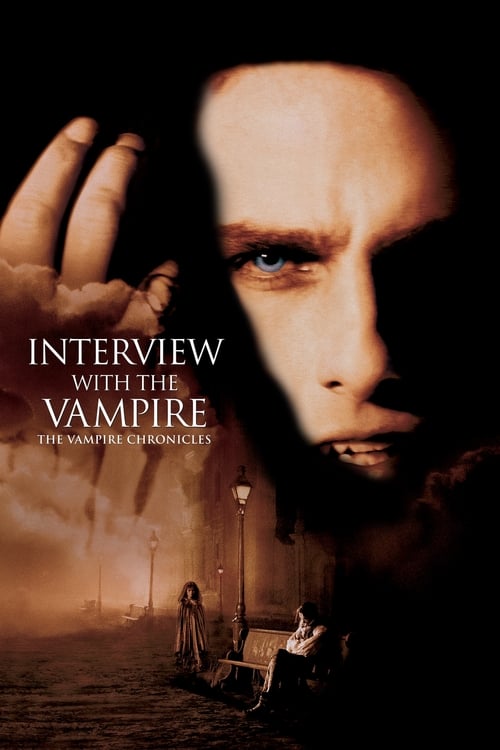
Interview with the Vampire
1994 · vampire
How Interview with the Vampire scares: Watching it feels more like sinking into a sad, beautiful tragedy than being scared by a monster movie. The pace is slow and mournful, following one long life story full of regret, loneliness, and longing rather than building tension scene to scene. There are moments of real cruelty and blood, but the horror here is more about grief and losing your humanity than jump scares or gore. It's a good pick if you want something moody and emotional with a gothic vampire feel, not a movie that will make you jump.
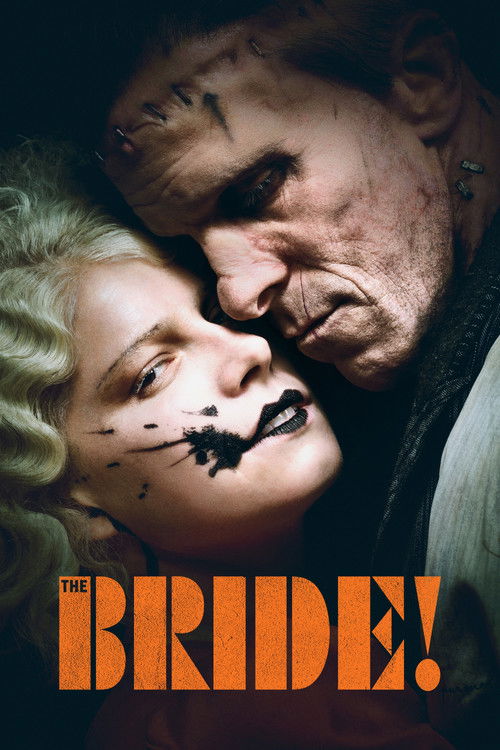
The Bride!
2026 · gothic romance
How The Bride! scares: The story unfolds more like a moody period drama than a horror ride, easing into its world of 1930s back alleys and secret labs before letting the stranger, more fantastical elements take over. It leans on tragic romance and body horror imagery more than scares, with the tension coming from loss, loneliness, and what it means to be brought back from the dead rather than jolts or dread. There's violence and some disturbing moments tied to its themes of abuse and revenge, but the tone stays closer to gothic fairy tale than nightmare. It's built for people who want a strange, emotional monster love story more than a straight-up scary movie.
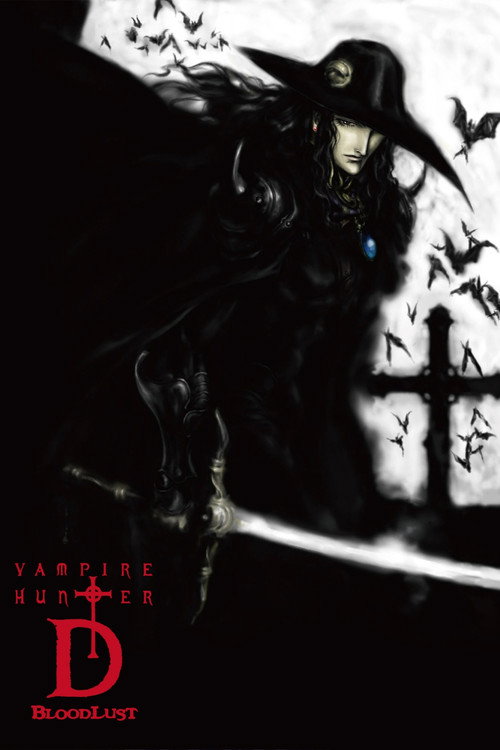
Vampire Hunter D: Bloodlust
2001 · vampire
How Vampire Hunter D: Bloodlust scares: The story unfolds slowly and moodily, more like a tragic legend being told than a movie trying to scare you, with occasional bursts of swordplay and monster action breaking up long stretches of quiet atmosphere. It leans on gothic beauty, sorrow, and strange creatures rather than dread or shock, so the fear here is soft and distant, not something that grabs you by the throat. Blood shows up in the fight scenes but it's stylized and quick, not lingered on. This is better for fans of moody vampire fantasy and doomed romance than for anyone looking for a real scare.
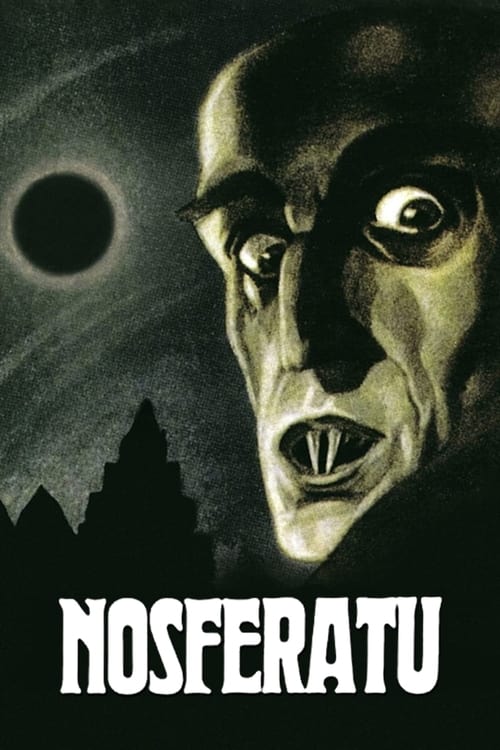
Nosferatu
1922 · vampire
How Nosferatu scares: It opens slow, almost like a fairy tale, following an ordinary man on a business trip, and only gradually reveals how wrong everything is once he reaches the castle. The dread builds through shadows, strange angles, and the count's unnatural stillness rather than any big scares or violence. Once the threat follows him home, the pace shifts into a quieter, creeping sense of doom spreading through an entire town. It's eerie and strange more than jolting, with an old, haunted-painting kind of unease that still gets under your skin even though it's nearly silent and almost a hundred years old.

Crimson Peak
2015 · gothic romance
How Crimson Peak scares: The first half unfolds like a slow, lush period romance, with ghosts appearing only in brief, unsettling glimpses rather than constant scares. As the story moves deeper into the old house, the mood turns heavier and the danger becomes more physical and bloody, building toward a much more violent final stretch. The real fear here comes less from the ghosts themselves and more from the secrets and cruelty of the living people around the main character. It's a good pick if you want gorgeous, moody gothic atmosphere with a slow simmer rather than constant jump scares, but be ready for a sudden turn into some genuinely brutal violence near the end.
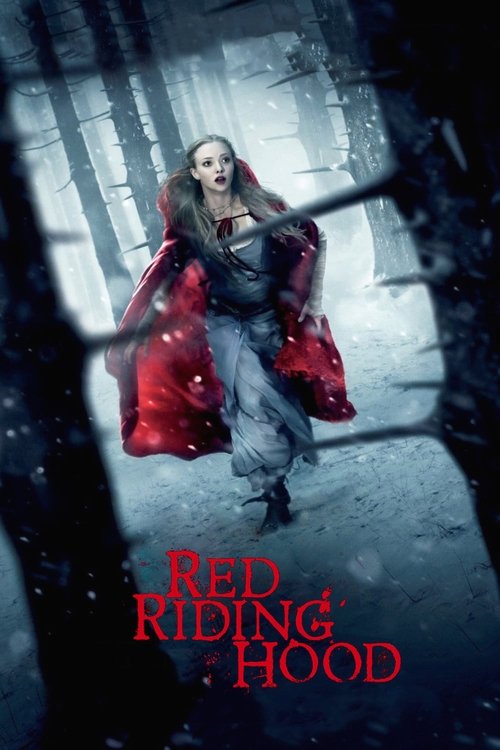
Red Riding Hood
2011 · werewolf
How Red Riding Hood scares: There's more swoony romance and whodunit guessing than actual dread here, so it feels closer to a moody teen mystery than a real horror movie. The pacing is steady and soapy, built around suspicious glances and a mystery about who the werewolf really is, with only occasional bursts of danger breaking up the drama. Blood and violence are kept light and stylized, and the forest setting is used more for mood and romance than genuine scares. It's a good pick if you want a pretty, atmospheric fairy-tale vibe rather than anything that will actually unsettle you.
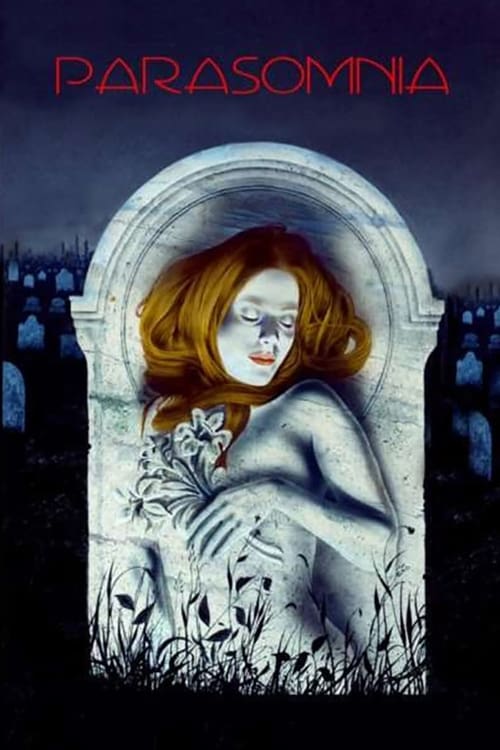
Parasomnia
2008 · psychological horror
How Parasomnia scares: There's a dreamy, off-balance feeling to this one, like you're never quite sure what's real and what's a nightmare slipping through. It mixes a tender, almost fairy-tale romance with sudden bursts of menace from a creepy, controlling villain who can get inside people's heads. The scares lean on unsettling imagery and mind-control dread more than constant jump scares, though it does toss in a few shocks. It's more of a moody, stylish horror-thriller than something that will truly haunt you afterward.
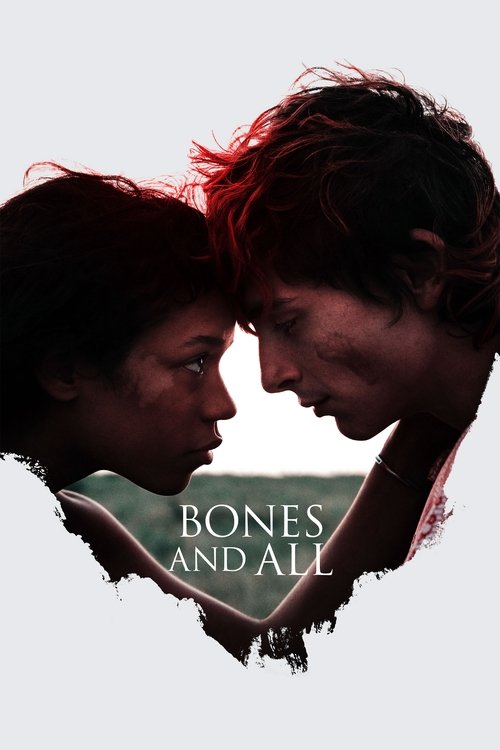
Bones and All
2022 · cannibal
How Bones and All scares: Bones and All is less a scare machine and more a sad, slow-moving road trip movie that happens to have cannibalism in it. Most of the runtime is quiet, tender, and melancholy, focused on two lonely outsiders falling for each other while hiding something ugly about themselves. Then, without much warning, it snaps into sudden bursts of raw, bloody violence that hit hard because the rest of the movie is so gentle. It's more heartbreaking and unsettling than jumpy or fun, sticking with you as a sad love story with a disturbing core rather than a thrill ride.
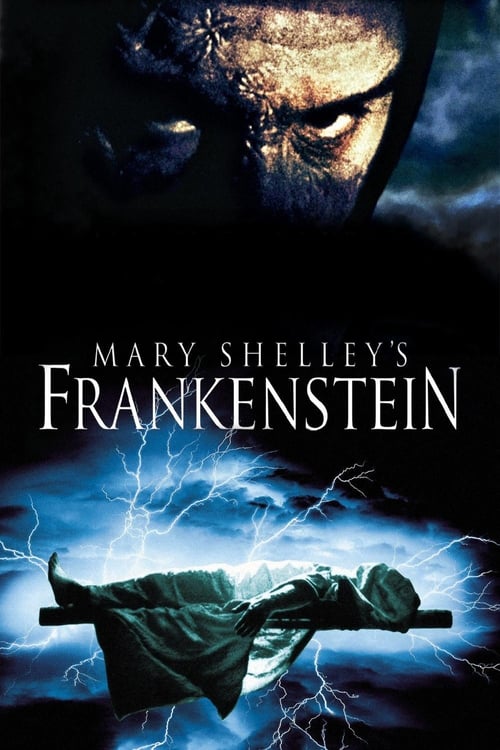
Mary Shelley's Frankenstein
1994 · gothic
How Mary Shelley's Frankenstein scares: There's a heavy, tragic weight to this one that comes more from grief and obsession than from jolts or dread. It moves slowly through gothic mansions and operating theaters, building emotional intensity rather than scares, then breaks into bursts of body horror and violence tied to birth, death, and creation. The fear here is less about being chased and more about watching good intentions curdle into disaster and loss. It's a good pick if you want a moody, melancholy gothic tragedy with horror elements rather than a movie built to frighten you outright.
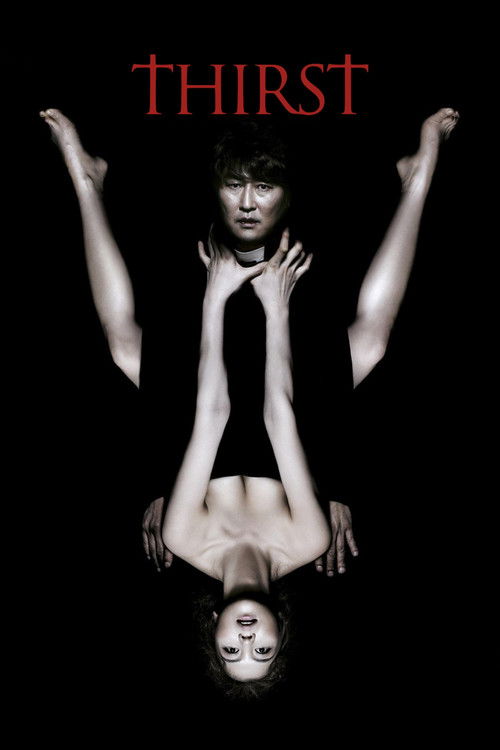
Thirst
2009 · vampire
How Thirst scares: Thirst plays more like a tragic, twisted drama than a typical scare-fest, using vampirism as a way to dig into guilt, desire, and moral collapse rather than to deliver jolts. The dread here is slow and uncomfortable, built from watching someone lose control of themselves, mixed with sudden bursts of blood and physical violence when it breaks loose. It's less about being frightened and more about feeling unsettled and a little sick at what people are capable of. Good for viewers who want something artful, sad, and disturbing rather than a fun scare.
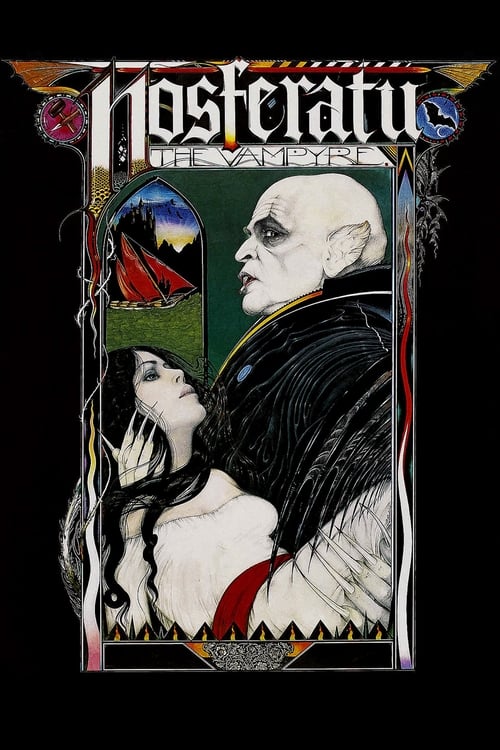
Nosferatu the Vampyre
1979 · gothic
How Nosferatu the Vampyre scares: It opens slow and dreamlike, drifting through quiet rooms and long journeys before settling into a hushed, funereal mood that barely lifts for the rest of the film. There's almost no shock or jolt here; instead you get a heavy, sad kind of dread, like watching a sickness spread through a town that can't stop it. The vampire himself is less a monster to run from and more a sorrowful, decaying presence that makes your skin crawl just by existing in a room. It's a beautiful, mournful watch rather than a thrill ride, better suited to someone who likes their horror slow, artful, and a little heartbroken.
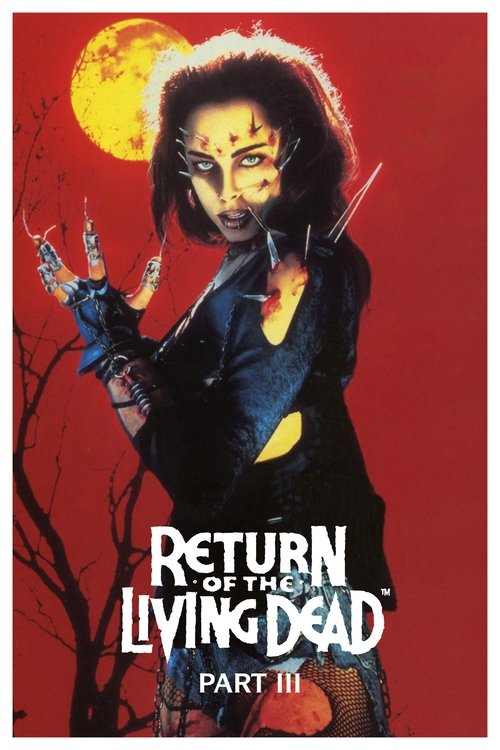
Return of the Living Dead III
1993 · zombie
How Return of the Living Dead III scares: There's a real sadness underneath all the blood here, since the horror is tangled up with a doomed teenage romance that gives the gore some actual weight. The pace is steady rather than jumpy, building through grief and body horror toward increasingly graphic self-harm and violence rather than relying on sudden scares. It leans hard into practical gore and flesh-based effects, with some genuinely nasty and squirmy imagery, but it never feels mean-spirited the way some zombie gore movies do. Good for people who like their zombie movies with some emotional stakes and don't mind a lot of blood and body mutilation on screen.
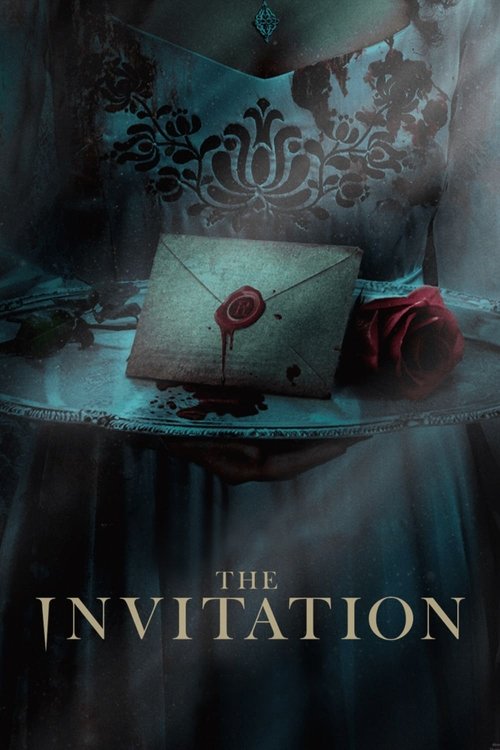
The Invitation
2022 · gothic
How The Invitation scares: Watching it feels more like sinking into a moody gothic romance than being terrorized, at least until the back half tightens the screws. The pace is slow and mystery-driven, letting the lavish setting and unsettling family secrets build unease before things turn into more direct physical danger. Blood and violence show up but aren't the main point, and the scares lean toward a couple of well-placed jolts rather than nonstop dread. It's a good pick if you want something moody and romantic with a horror kick, not something that will actually haunt you afterward.
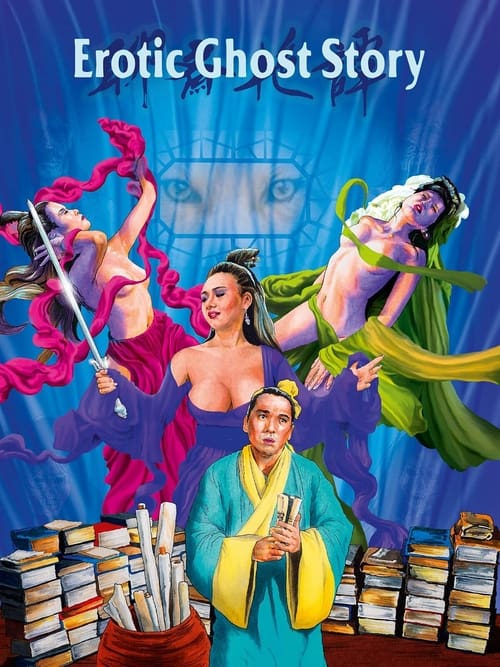
Erotic Ghost Story
1990 · supernatural
How Erotic Ghost Story scares: Erotic Ghost Story leans much more toward fantasy and seduction than actual fear, using its supernatural premise as an excuse for steamy encounters rather than dread. The pacing is dreamy and soft, with occasional eerie or strange visuals but almost nothing built to make you jump or feel unsafe. Any horror elements are decorative, there to add a spooky, mystical mood rather than real tension. It's best approached as a campy, sensual fantasy with a light ghostly flavor, not as something that will scare you.
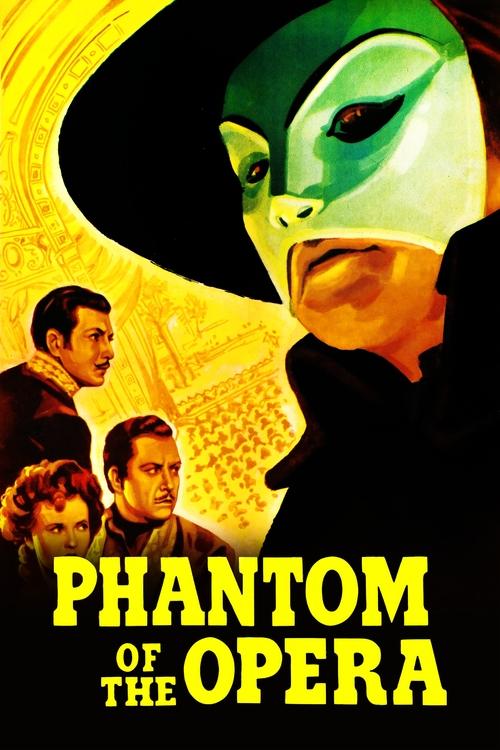
Phantom of the Opera
1943 · gothic romance
How Phantom of the Opera scares: It spends most of its runtime as a glossy backstage romance and musical showcase, with the horror elements folded in gently rather than driving the story. The scary moments are brief and spaced far apart, more about a tragic, masked figure lurking in the shadows than any real threat of violence. There's no supernatural force at work here, just a wronged, disfigured man and a lot of opera singing. It's a gentle, old-fashioned gothic romance more than a fright fest, good for viewers who want mood and elegance over actual scares.
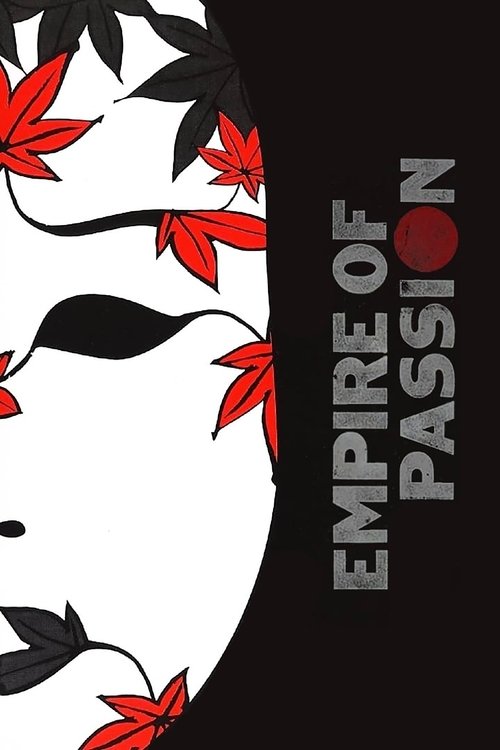
Empire of Passion
1978 · ghost story
How Empire of Passion scares: There's a heavy, suffocating sense of guilt hanging over every scene, more like a slow nightmare than a traditional scare-fest. The pace is unhurried and dreamlike, with long stretches of quiet dread building toward moments of real unease rather than jolts or shocks. Its horror comes from shame, obsession, and the past refusing to stay buried, wrapped in a doomed love story set in old rural Japan. This is for viewers who want something moody, artful, and unsettling rather than a straightforward fright ride.
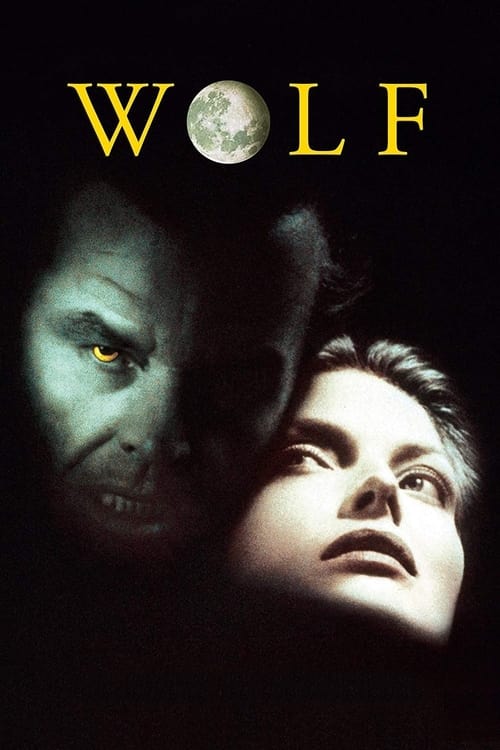
Wolf
1994 · werewolf
How Wolf scares: There's more mood than menace here, with the horror playing second fiddle to office politics and a slow-building romance. The werewolf angle is treated as a metaphor for reclaiming power and vitality, so the movie lingers on quiet transformation and simmering tension rather than chases or scares. When violence does show up it's brief and not lingered on. This is a good pick if you want something atmospheric and a little eerie, but it won't leave you shaken or afraid of the dark.

The Hunger
1983 · vampire
How The Hunger scares: Watching this feels like sinking into a cold, beautiful dream rather than being scared in any traditional sense. The pace is very slow and moody, built on style, mood lighting, and lingering shots rather than jolts or chases. Its horror comes from decay, loss, and the creeping horror of aging and losing yourself, not from anything jumping out at you. It's more melancholy and unsettling than terrifying, better suited to fans of atmosphere and slow-moving dread than people looking for scares.
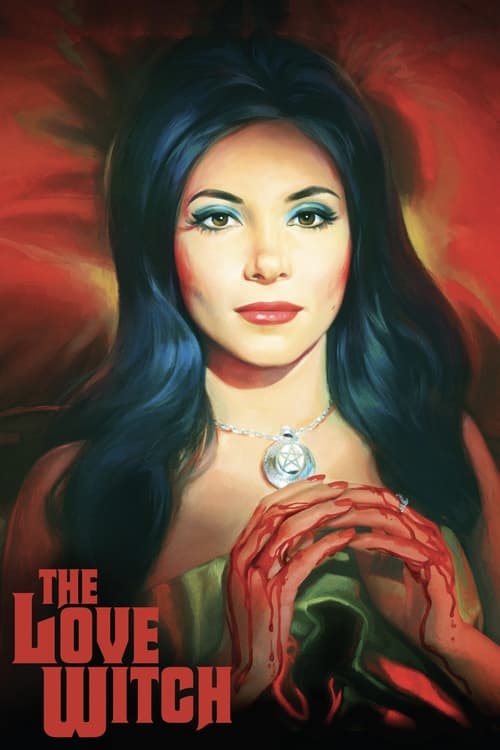
The Love Witch
2016 · witchcraft
How The Love Witch scares: Watching this feels more like sinking into a dreamy, colorful fashion shoot than sitting through a horror movie. The pace is unhurried and dreamlike, more interested in mood, style, and satire than in scaring you. Any dread here is quiet and stylized rather than real dread, and violence is kept soft-focus and almost storybook rather than graphic. It's best for people who want a strange, artsy, tongue-in-cheek take on witchcraft and romance rather than actual scares.

A Girl Walks Home Alone at Night
2014 · vampire
How A Girl Walks Home Alone at Night scares: There's a hypnotic, dreamlike stillness to watching this, like drifting through a town that feels half-asleep and forgotten by time. The pace is unhurried and moody, built more on long silences, empty streets, and lingering stares than on scares or shocks. Its black-and-white look and quiet, romantic sadness matter more than any sense of danger, so it works better as a strange, melancholy mood piece than a fright fest. It's a good pick if you want something atmospheric and a little haunting rather than something that makes you jump.

Dracula
1958 · vampire
How Dracula scares: Dracula leans on rich, moody atmosphere rather than shocks, with candlelit castles, fog, and a real sense of old-world dread building slowly across its runtime. The scares come from tension and confrontation more than surprise, with a few intense physical struggles between the vampire hunter and his prey. Blood and violence are present but restrained compared to modern horror, more suggestive than graphic. It's the kind of horror that feels classy and fun rather than upsetting, great for fans of classic gothic style over pure terror.
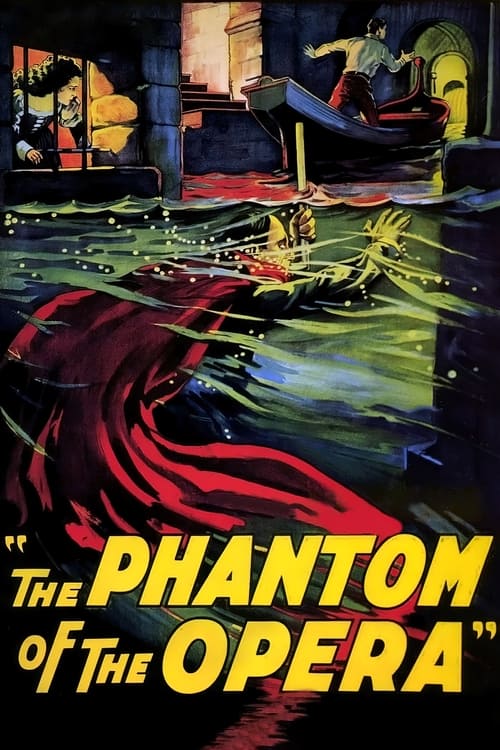
The Phantom of the Opera
1925 · gothic
How The Phantom of the Opera scares: There's an eerie, dreamlike quality to watching this, built on shadowy sets, dramatic makeup, and the strange hush of silent film acting. The dread comes slowly, through unsettling imagery and a looming sense of obsession, rather than sudden shocks. Its most famous moment still carries a real jolt of horror even now, but most of the runtime leans on gothic atmosphere and tragic, uneasy romance. It's more haunting and melancholy than terrifying by modern standards, a good watch for fans of classic gothic mood over scares.
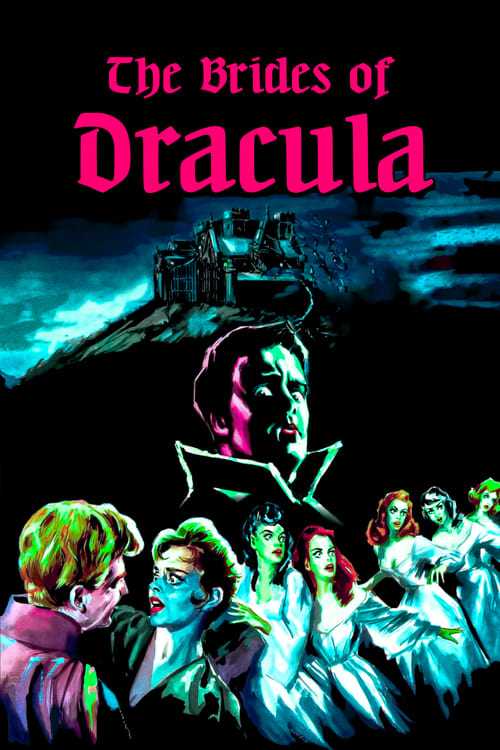
The Brides of Dracula
1960 · vampire
How The Brides of Dracula scares: There's a dreamy, old-fashioned creepiness to watching this one, more like being pulled into a moonlit fairy tale than being put on edge. The pace is slow and stately, full of candlelit castles, fog, and long stretches of talk before anything actually happens. Fear here comes from mood and atmosphere rather than shocks or gore, with only mild bursts of danger and a classic hero riding in to save the day. It's a comfortable, old-school vampire tale best suited to fans of classic gothic style rather than anyone looking for real scares.
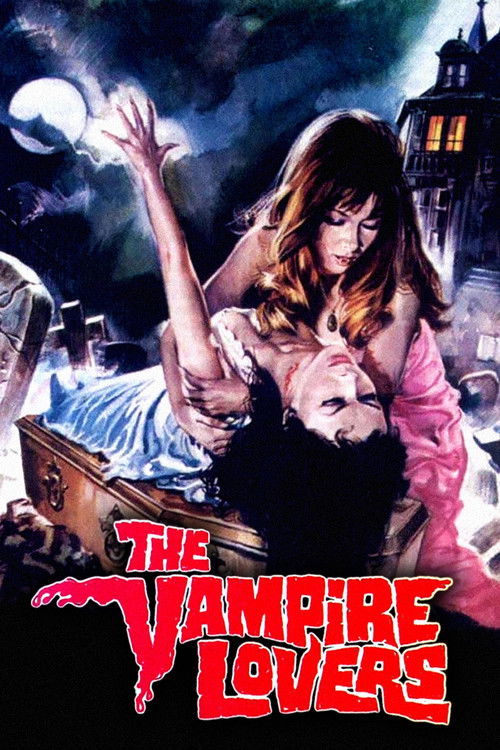
The Vampire Lovers
1970 · vampire
How The Vampire Lovers scares: The Vampire Lovers leans on slow seduction and gothic atmosphere rather than shocks, with a dreamy, languid pace that builds mood through candlelit rooms and lingering glances instead of scares. The fear here is soft and eerie rather than terrifying, more about unease and forbidden temptation than real dread. Blood shows up but it's not a gory film, and the horror is old-school and theatrical rather than intense. This one's a good pick if you like classic gothic horror with a romantic, moody feel more than something that will actually frighten you.
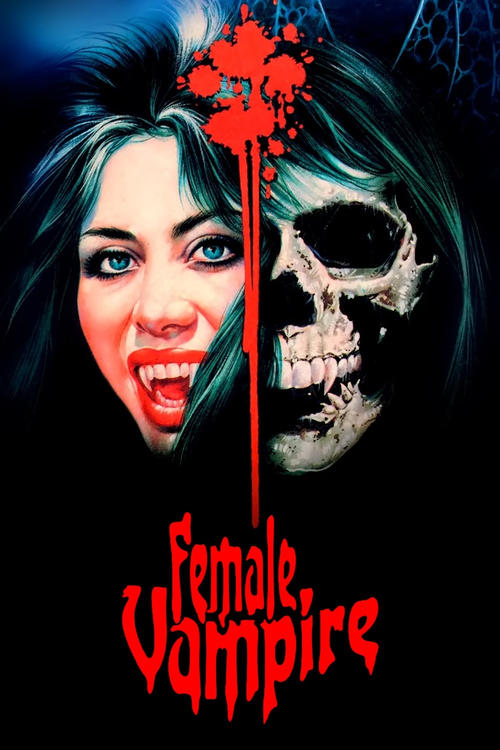
Female Vampire
1973 · vampire
How Female Vampire scares: Watching it feels more like drifting through a hazy, dreamlike fog than being scared — long, quiet stretches of mood and skin take the place of tension or scares. The pace barely moves, with scenes lingering on bodies and empty rooms more than building any real dread. Its vampire is less a monster to fear than a sad, seductive figure, so the horror here is thin and the eroticism is the main event. This is really for fans of strange, slow European cult cinema from the 70s rather than anyone looking to be frightened.
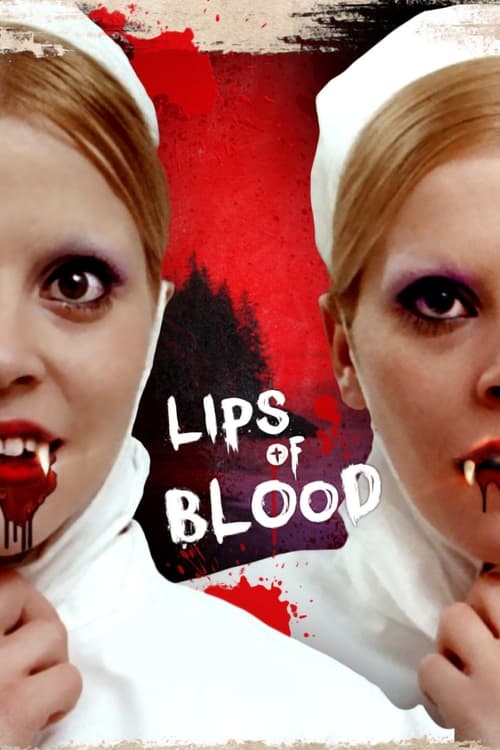
Lips of Blood
1975 · vampire
How Lips of Blood scares: Watching this feels like drifting through a slow, hazy dream rather than sitting through a scary movie. The pace is unhurried and dreamlike, with long stretches of quiet mood, soft lighting, and strange imagery instead of shocks or chases. The vampires here feel more sad and seductive than frightening, so the fear is gentle and distant, almost like a fairy tale with a melancholy edge. It's a good pick if you want something moody and strange and beautiful rather than something that actually scares you.
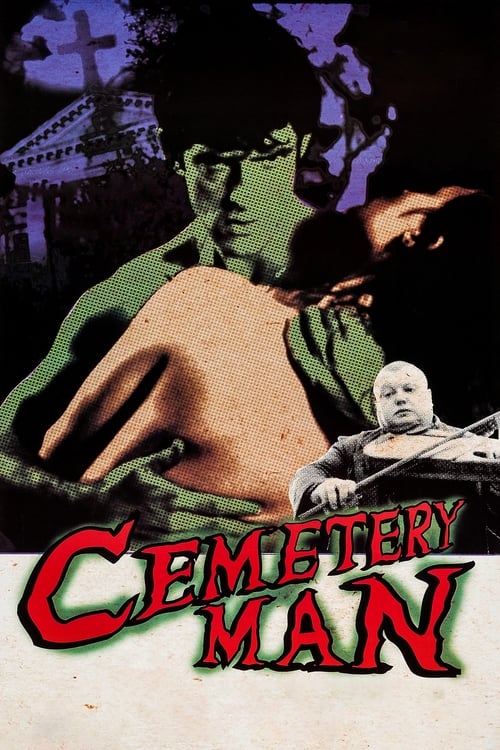
Cemetery Man
1994 · zombie
How Cemetery Man scares: Watching it feels more like slipping into a strange fever dream than sitting through a scary movie. The pacing is loose and dreamlike, drifting between deadpan jokes, sudden zombie attacks, and quiet, melancholy stretches about love and loneliness. Gore shows up in bursts and is stylish and over the top rather than sickening, and the whole thing has a wry, absurd sense of humor running under it. It's a good pick for someone who wants weird and darkly funny over genuinely frightening or upsetting.
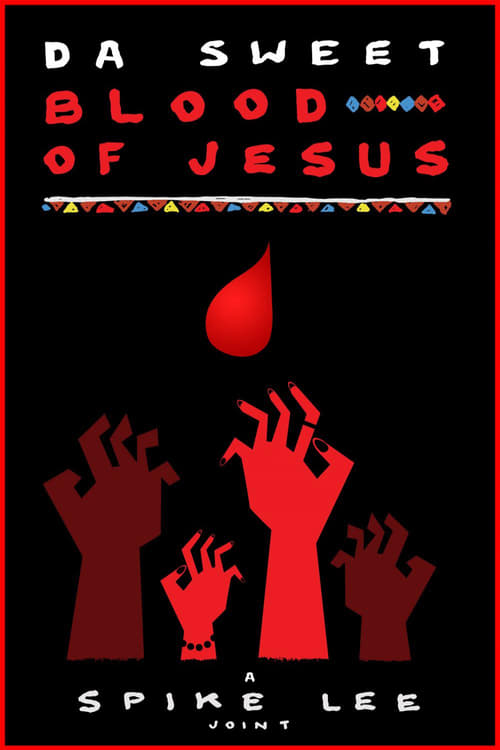
Da Sweet Blood of Jesus
2015 · vampire
How Da Sweet Blood of Jesus scares: Watching this feels more like sinking into a moody art-house drama than sitting through a horror movie. The pace is slow and dreamy, with long stretches focused on relationships, desire, and addiction rather than scares or tension. There's a vampire-like curse at the center, but it's used more as a metaphor than a source of dread, and jump scares are basically nonexistent. This is for people who want horror themes wrapped in a thoughtful, sensual character study, not for anyone looking to be frightened.
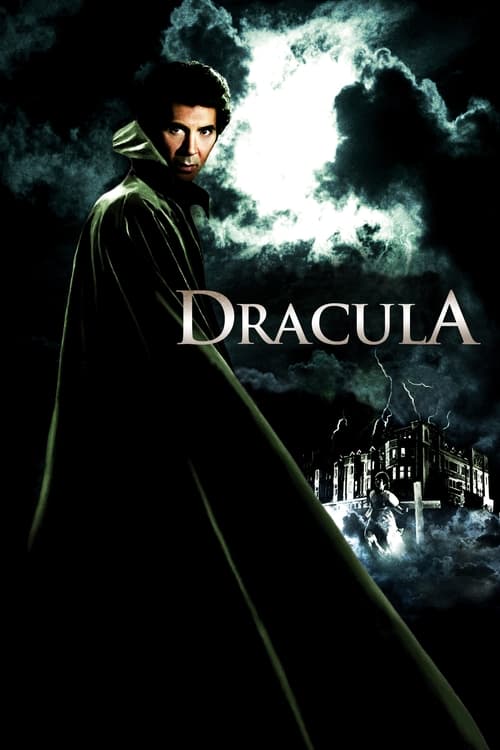
Dracula
1979 · gothic romance
How Dracula scares: Dracula leans into romance and mood more than fear, playing like a gothic love story with horror trimmings rather than something meant to scare you. The pace is slow and dreamy, with lush sets, fog, and candlelight doing most of the work instead of shocks or violence. There's a little bit of danger and darkness around the edges, but the point is seduction and tragedy, not dread. It's a good pick if you want old-fashioned atmosphere and a broody, sexy vampire rather than anything that will actually unsettle you.
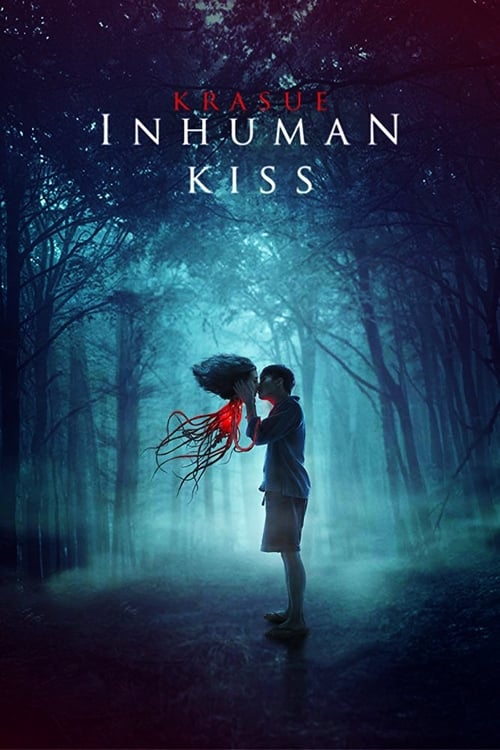
Inhuman Kiss
2019 · folk horror
How Inhuman Kiss scares: Inhuman Kiss spends most of its time as a quiet coming-of-age drama set in a small village, letting the horror creep in slowly around a doomed love story. The scares come from folklore and dread rather than jump scares, with unsettling body horror imagery tied to an old curse. It's sad and uneasy more than it is a thrill ride, leaning on tragedy and guilt as much as fear. Good for viewers who like their horror mixed with heartbreak and old-world superstition rather than nonstop scares.

Night Tide
1961 · atmospheric
How Night Tide scares: There's a dreamy, melancholy pull to this one, more haunting than frightening, like a slow drift into unease rather than a scare. The pace is unhurried, built on mood, seaside fog, and a growing sense that something is off about the romance at its center, rather than shocks or violence. It plays with the idea of the supernatural without ever fully confirming it, leaving you unsettled in a quiet, sad way. This suits viewers who like moody, old-fashioned horror that lingers in your head rather than jolts you in your seat.
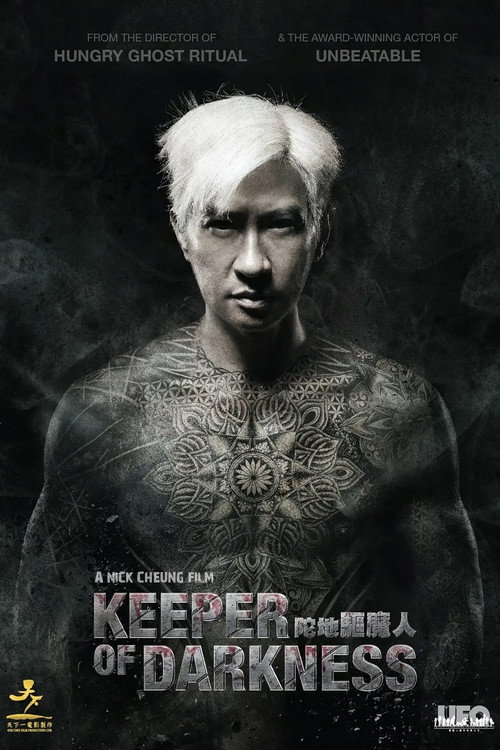
Keeper of Darkness
2015 · ghost story
How Keeper of Darkness scares: Keeper of Darkness mixes ghost story scares with romance and comedy, so it never fully commits to being frightening. The mood swings between eerie encounters with spirits and warmer, sadder moments about letting go of grudges and loss. Jump scares pop up now and then but they're mild, more about surprise than real dread. It's a good pick if you want a gentle, emotional ghost tale rather than something that will actually scare you.
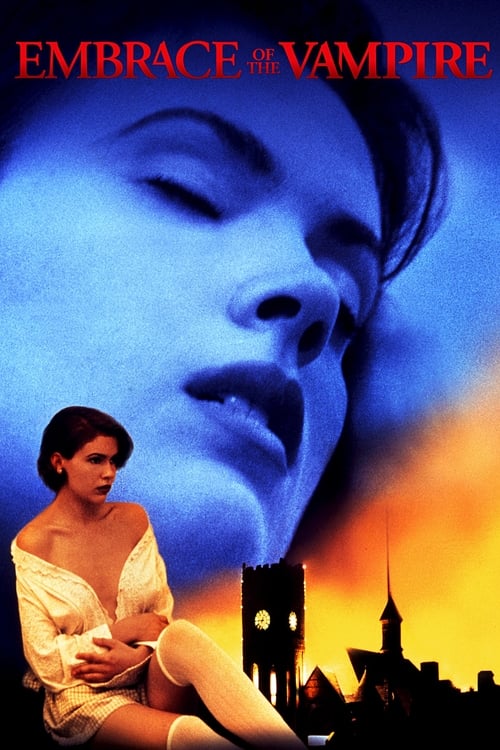
Embrace of the Vampire
1995 · vampire
How Embrace of the Vampire scares: The story drifts slowly through dreamy, romantic scenes before settling into a steady rhythm of seduction rather than suspense or scares. This is much more an erotic fantasy with vampire trappings than a horror movie, so don't expect dread or tension to build. The danger is more about desire and temptation than being chased or hurt, and there's little violence shown on screen. It works best for viewers wanting a moody, sensual vampire romance rather than anything genuinely frightening.
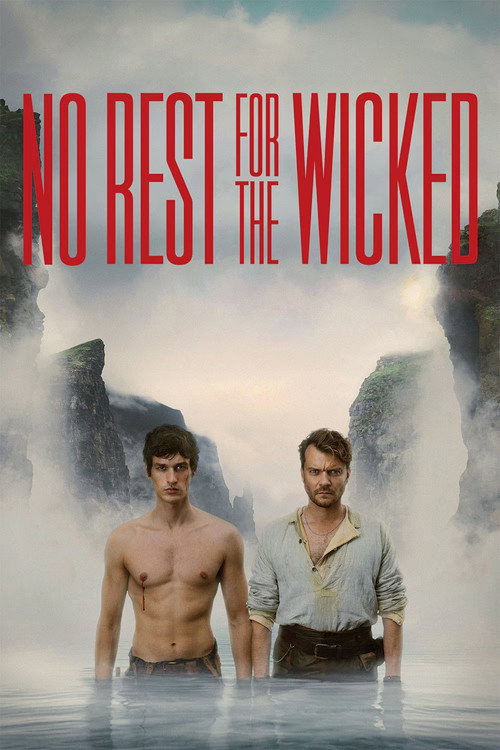
No Rest for the Wicked
2026 · folk horror
How No Rest for the Wicked scares: It starts as a slow, quiet period romance set in a harsh, isolated fishing community, then gradually shifts into something darker and more folk-horror as the story moves forward. The pace stays deliberate throughout, favoring mood, landscape, and emotional tension over shocks or sudden scares. This leans more on unease, grief, and forbidden longing than on gore or physical attacks, with the supernatural elements tied closely to folklore and nature rather than jump-scare theatrics. It feels suited to viewers who want a moody, atmospheric tale that blends romance and dread rather than a fast, scary ride.
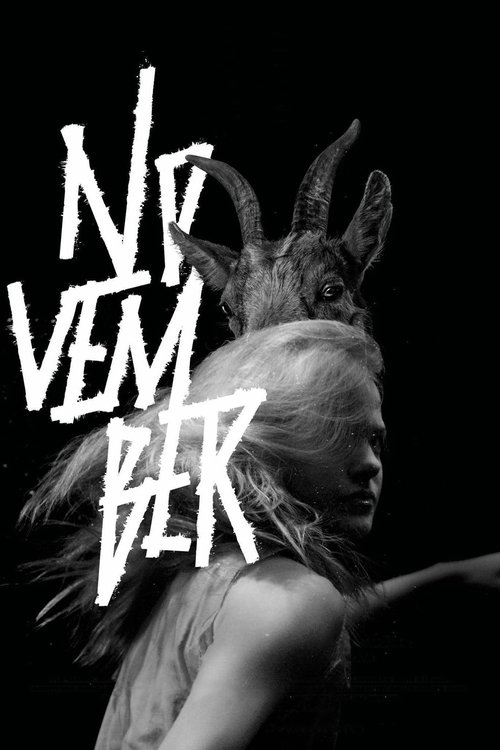
November
2017 · folk horror
How November scares: It moves like a dream rather than a story, drifting between strange folk rituals and quiet, aching romance without much traditional build-up or release. The scares here are less about fright and more about an eerie, melancholy mood that settles over everything, with witches, spirits made of farm tools, and old superstitions treated as ordinary parts of village life. There's almost no blood and no chase-you-down terror, just a cold, haunting atmosphere and a strange sadness underneath it. This is for people who like beautiful, odd, folklore-soaked films more than people looking for jumps or gore.
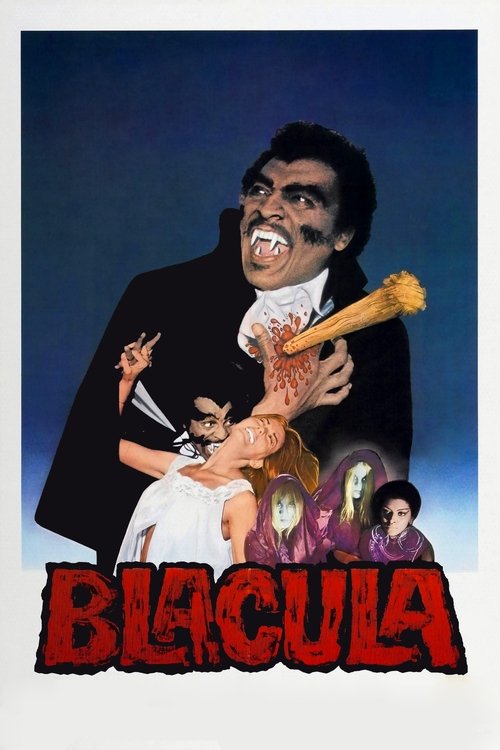
Blacula
1972 · vampire
How Blacula scares: There's a strange mix of tragic romance and old-school monster movie fun here, so the mood swings between sad and pulpy rather than staying scary the whole time. The pacing is pretty relaxed, with slow scenes of mood and love-story drama broken up by sudden vampire attacks and chase scenes in nightclubs and city streets. Blood shows up now and then but it's not graphic by today's standards, and the scares lean more toward classic gothic creepiness than gross-out shock. It's a good pick if you want a fun, nostalgic throwback vampire flick rather than something that will actually unsettle you.
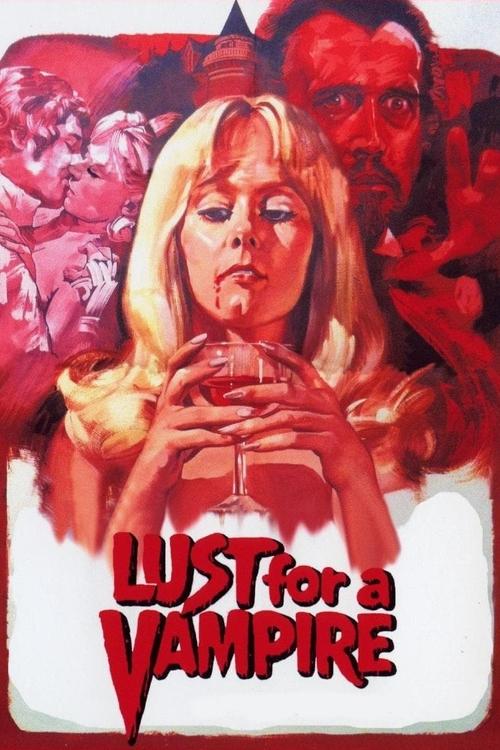
Lust for a Vampire
1971 · vampire
How Lust for a Vampire scares: It starts slow and dreamy, more interested in mood, sunlit gothic scenery, and forbidden romance than in building dread, and it stays that way for most of the runtime. The scares, when they come, are brief and secondary to the seduction and melodrama going on between the characters. This is old-school gothic horror that leans on atmosphere, candlelight, and sensuality rather than tension or shock. It's a good pick if you want moody, campy, old-fashioned vampire romance rather than something that will actually scare you.
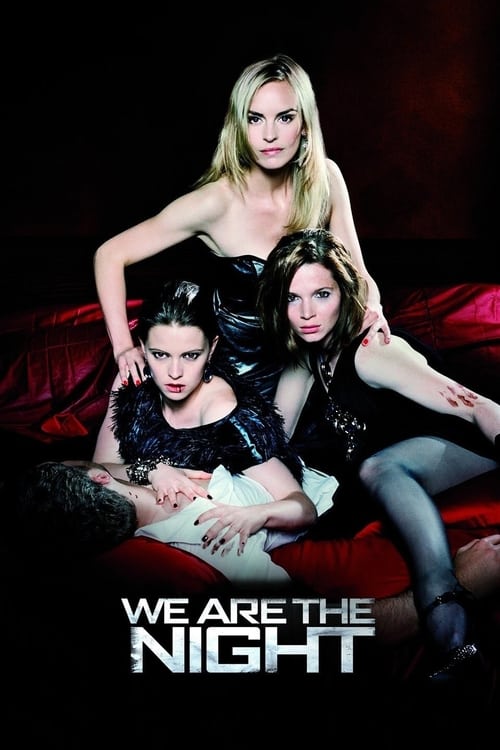
We Are the Night
2010 · vampire
How We Are the Night scares: Watching this feels more like sinking into a glossy, moody music video than sitting through a scary movie. The pace glides between glamorous nightclub scenes and bursts of vampire violence, with style and mood matside over dread or jump scares. It leans on romance, longing, and a melancholy sense of loss rather than true horror, so the fear here is light and mostly visual. Good for viewers who want a stylish, emotional vampire story with a bit of blood, not something that will actually unsettle them.
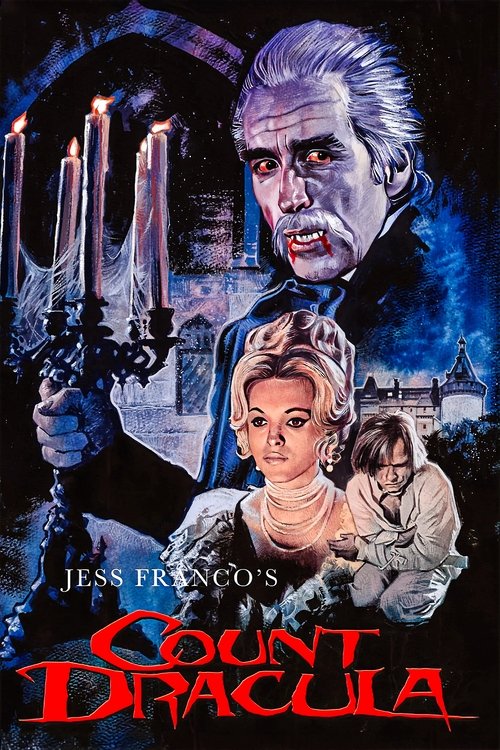
Count Dracula
1970 · gothic
How Count Dracula scares: The movie unfolds slowly and deliberately, more like a moody period drama than a scare machine, with long stretches of dialogue and atmosphere before anything unsettling happens. It leans on gothic sets, fog, candlelight, and a heavy sense of old-world decay rather than shocks or jump scares. The fear here is quiet and eerie rather than intense, built around a sense of creeping wrongness and faded grandeur instead of chases or gore. It's best for people who like classic vampire lore and slow, old-fashioned horror rather than viewers looking for a thrill ride.
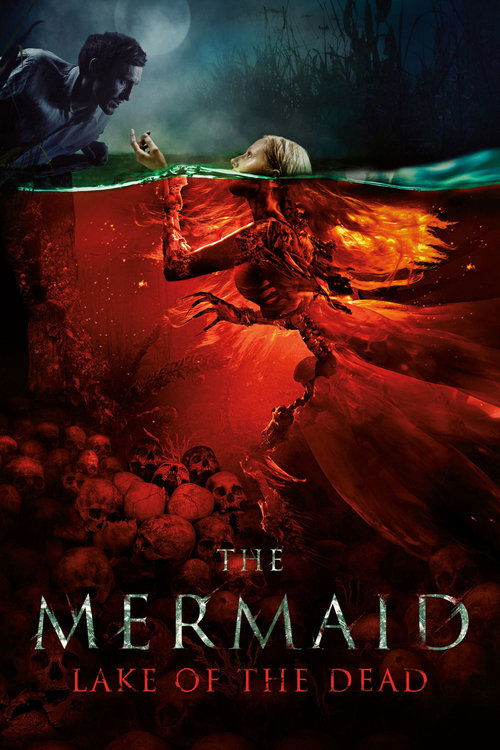
The Mermaid: Lake of the Dead
2018 · folk horror
How The Mermaid: Lake of the Dead scares: There's a dreamy, waterlogged sadness to this one that sits somewhere between a fairy tale and a ghost story, with jump scares popping up every so often to break the quiet. The mood leans heavily on cold lakes, drowned rooms, and pale figures rising out of dark water, so it plays more like a tragic love story with scares mixed in than a straight horror movie. It's not gory or brutal, and it won't leave you shaken for days, but it's moody and a little melancholy in a way that lingers gently. Good for people who like their horror soft, romantic, and rooted in old folklore rather than blood and chaos.
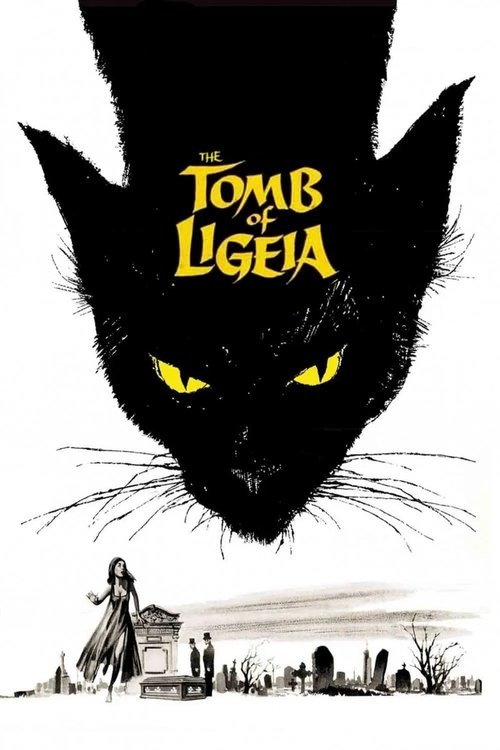
The Tomb of Ligeia
1964 · gothic
How The Tomb of Ligeia scares: The Tomb of Ligeia is a gothic mood piece more than a scare machine, built on shadowy old rooms, candlelight, and a slow sense that something from the past won't stay buried. It moves at a stately, deliberate pace, letting dread build through atmosphere, strange behavior, and unsettling hints rather than shocks or violence. The fear is mostly about obsession, grief, and a marriage haunted by someone who won't let go, so it works more on your imagination than your nerves. It's a good pick if you like old-fashioned, moody gothic horror with lush visuals rather than jolts or blood.
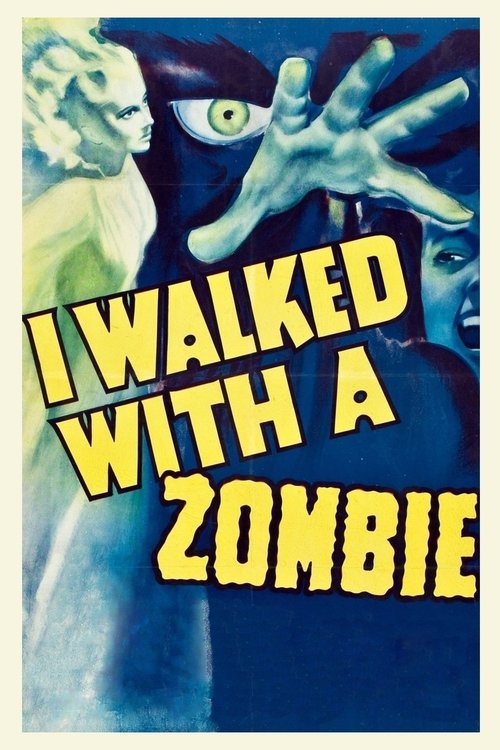
I Walked with a Zombie
1943 · gothic romance
How I Walked with a Zombie scares: There's a hazy, dreamlike sadness to this one that sits with you more than it scares you outright. The pace is slow and hushed, built on whispered rumors, night walks, and quiet unease rather than shocks or violence. Its fear comes from mood and mystery rather than danger, and it never tells you for sure whether what's happening is real magic or something sadder and more human. It's a good pick if you want something moody and strange rather than something that makes you jump.
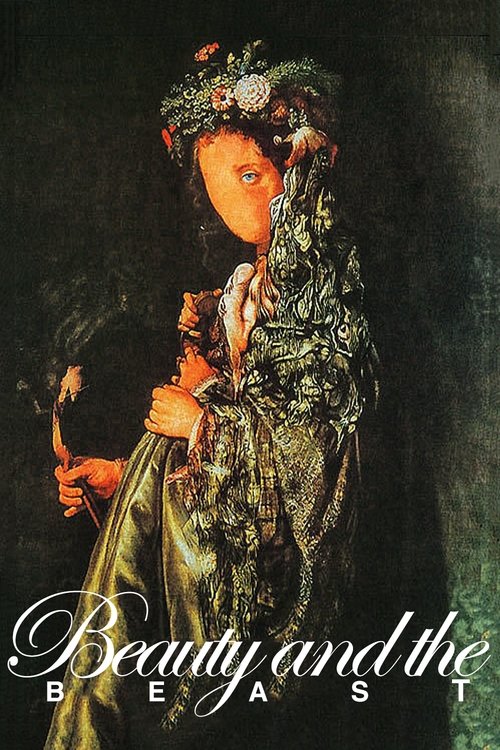
Beauty and the Beast
1979 · gothic romance
How Beauty and the Beast scares: Beauty and the Beast (1979) moves like a fever dream, wrapping its fairy tale in shadows, decay, and a heavy, mournful mood rather than any quick scares. The fear here comes from unease and sadness more than danger: the beast's grotesque, bird-like form and his struggle against his own violent urges create a constant low hum of dread. It's gothic and strange, closer to a beautiful nightmare than a horror ride, with the kind of visuals that stick with you long after. This one is for viewers who want their fairy tales twisted, sorrowful, and a little haunting, not for anyone looking for jump scares or gore.

Dracula
1974 · vampire
How Dracula scares: Dracula leans more into gothic romance and tragedy than outright terror, with a slow, moody pace built on candlelit castles and longing looks rather than shocks. The fear here is soft and old-fashioned, coming from a sense of doom and loss more than any real danger to your body. Blood and violence are kept to a minimum, and the tone stays sad and dreamy rather than upsetting. It's a good pick if you want a classic, moody vampire tale rather than something that will actually scare you.

Blood and Chocolate
2007 · werewolf
How Blood and Chocolate scares: Blood and Chocolate is really more of a supernatural romance than a horror movie, built around forbidden love and family loyalty rather than scares. There's a werewolf pack and some chase and hunt moments, but the mood leans moody and romantic instead of tense or frightening. Any danger feels more like drama and heartache than something meant to unsettle you. This is a gentle watch for people who want a fantasy love story with a werewolf twist, not something that will scare or disturb you.