Mad scientist horror movies
The Horror Database (THDB) tracks 32 mad scientist movies. As a group they run gentle (average intensity 1.9/5), lean toward slow-burn dread, and average 1.6/5 on gore. Ranked by popularity; every profile describes how the movie scares, spoiler-free.
All Mad scientist horror movies on The Horror Database

Re-Animator
1985 · body horror
How Re-Animator scares: It starts as a dark science lab mystery and quickly snowballs into non-stop, over-the-top chaos, with each scene topping the last in sheer craziness. The fear here isn't about dread or mind games, it's about gross-out shocks, wild body horror, and gallons of fake blood played for laughs. Corpses twitch, organs spill, and things generally go wrong in the most gleeful way possible, more like a mad, gory carnival ride than something that will actually scare you. Great for people who love splattery practical effects and don't mind giggling at the carnage instead of covering their eyes.
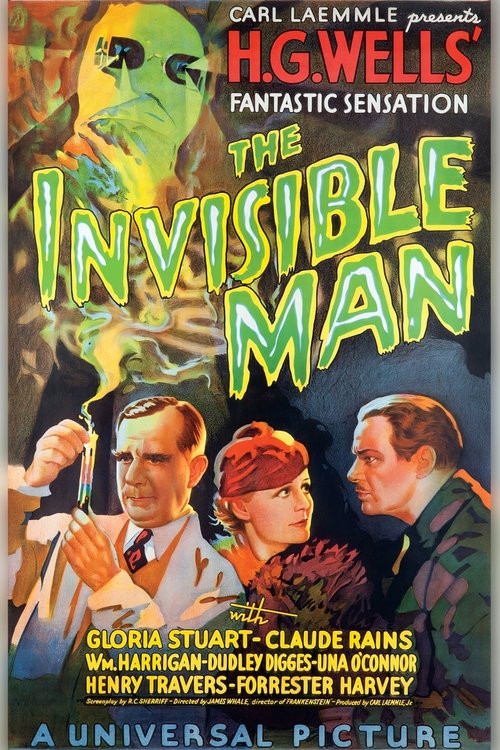
The Invisible Man
1933 · sci-fi horror
How The Invisible Man scares: It starts almost like a mystery, with a bandaged stranger causing unease in a small inn, then slowly turns into a manhunt as the invisible man's mind starts to unravel and his threats grow bigger. The pace is steady and talky by today's standards, more about tension and eerie special-effects tricks than shocks or jolts. There's real menace in the idea of an unseen killer walking among people, but the tone stays closer to old-school thriller adventure than modern horror, with touches of dry humor mixed in. It's a good pick if you like classic black-and-white monster movies and clever practical effects more than gore or scares that make you jump.

Sssssss
1973 · body horror
How Sssssss scares: It starts off slow, more like a science drama about a strange scientist and his snake research, before easing into body horror territory as the story moves along. The fear here comes less from shocks and more from a creeping unease about what's happening to a human body over time. There's some gross-out creature makeup and snake related squirm moments, but it leans more strange and sad than truly terrifying. Good for viewers who like old-school, slower-paced monster movies rather than fast scares.

Lady Frankenstein
1971 · mad scientist
How Lady Frankenstein scares: Lady Frankenstein leans more into gothic sleaze and campy mad-science fun than any real scares. The pace is slow and moody, built around castle sets and lab scenes rather than shocks or chases, with a creature who shows up now and then to cause trouble. It's gorier and a bit more sexual than most classic monster movies of its era, but the tone stays pulpy and theatrical instead of genuinely frightening. Good for fans of old-school Italian horror and Frankenstein riffs who want cheesy atmosphere over real dread.
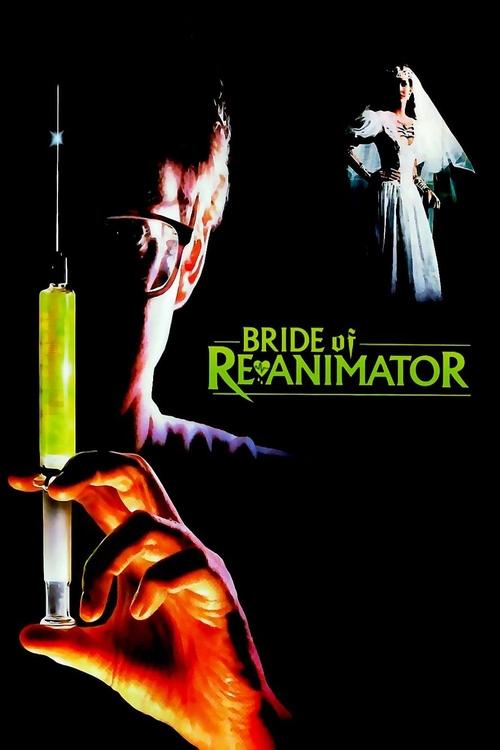
Bride of Re-Animator
1990 · horror comedy
How Bride of Re-Animator scares: You'll spend most of this laughing more than flinching, since it's built as gross-out comedy first and horror second. The pacing is fast and gleeful, throwing one absurd, squishy creation after another at you rather than building any real dread. Blood and body parts fly constantly, but it's played so over-the-top that it feels more like a cartoon than something that gets under your skin. Great pick if you want to laugh at outrageous practical effects with friends, not if you want an actual scare.
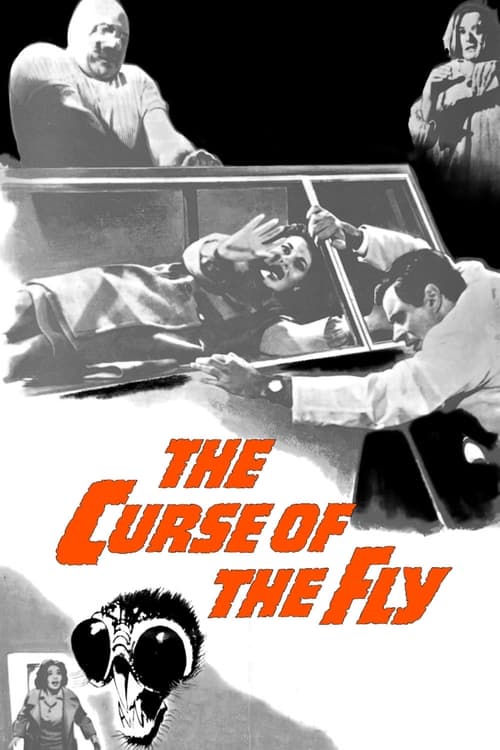
The Curse of the Fly
1965 · mad scientist
How The Curse of the Fly scares: There's a moody, old-fashioned gothic feel here, more about mystery and family secrets than actual scares. The pace is slow and talky, built around uncovering a hidden secret rather than delivering shocks, with only a handful of eerie reveals involving disfigured figures locked away in the dark. Blood and violence are almost nonexistent, and the fear leans more toward unease and pity than real dread. It's a good watch for fans of old black-and-white sci-fi horror who want atmosphere and melodrama over jolts or gore.
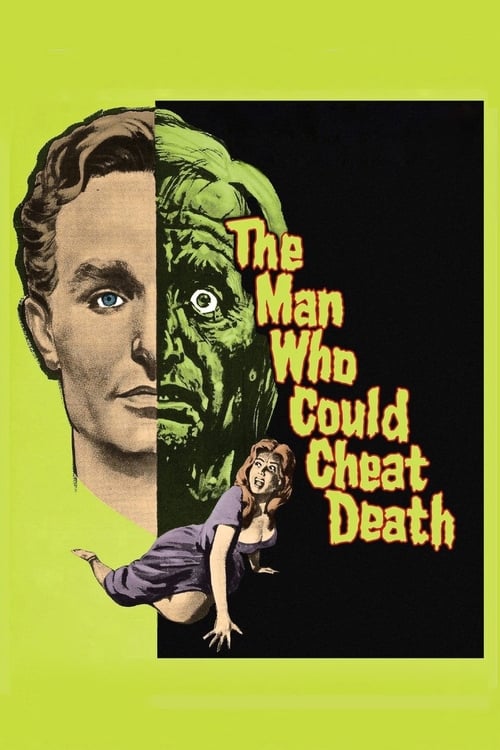
The Man Who Could Cheat Death
1959 · gothic
How The Man Who Could Cheat Death scares: The Man Who Could Cheat Death is a classic Hammer Studios chiller, more of a gothic melodrama than a true scare machine. It moves slowly and talks a lot, building its dread through creepy science and moral decay rather than shocks or chases. The horror comes from a quiet sense of wrongness around eternal youth and the cost of it, not from blood or violence, which stays mild by modern standards. It suits someone who likes old-fashioned, atmospheric horror with a theatrical feel rather than anyone looking for real scares.
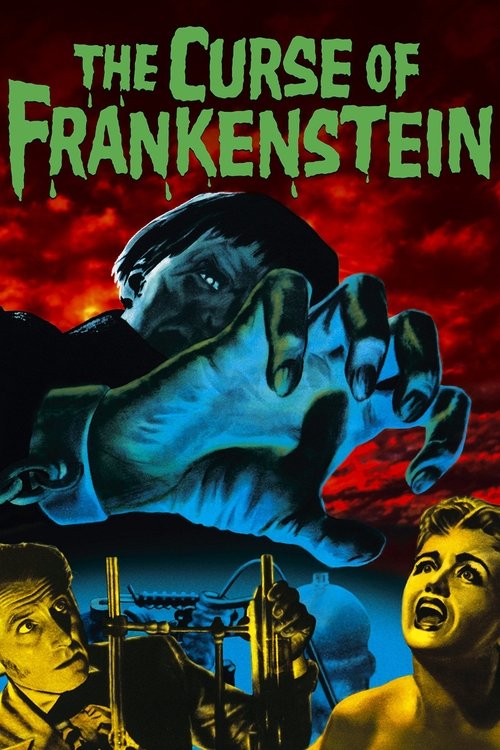
The Curse of Frankenstein
1957 · gothic
How The Curse of Frankenstein scares: Told mostly as a slow-moving flashback, it spends most of its runtime on obsession and ambition before easing into its horror payoff near the end. The pace is deliberate and talky, more like a costume drama with dread simmering underneath than a movie chasing scares. Its horror comes from watching a brilliant man's pride curdle into something monstrous, with the creature itself used sparingly rather than constantly on screen. It's a classic gothic mood piece more than a frightener, good for fans of old-school atmosphere over jolts.

Frankenstein and the Monster from Hell
1974 · gothic
How Frankenstein and the Monster from Hell scares: Frankenstein and the Monster from Hell leans into old-school gothic horror rather than shocks or scares that make you jump. It moves slowly, soaked in candlelit asylum corridors and clinical dread, with the horror coming from grim medical experiments and the sight of a stitched-together body more than from any chase or attack. The blood and surgical gore are fairly plain for the era, more queasy and sad than gruesome, and the overall feeling is somber and tragic rather than truly upsetting. It suits fans of classic monster movies and old Hammer films looking for mood and atmosphere over intensity.
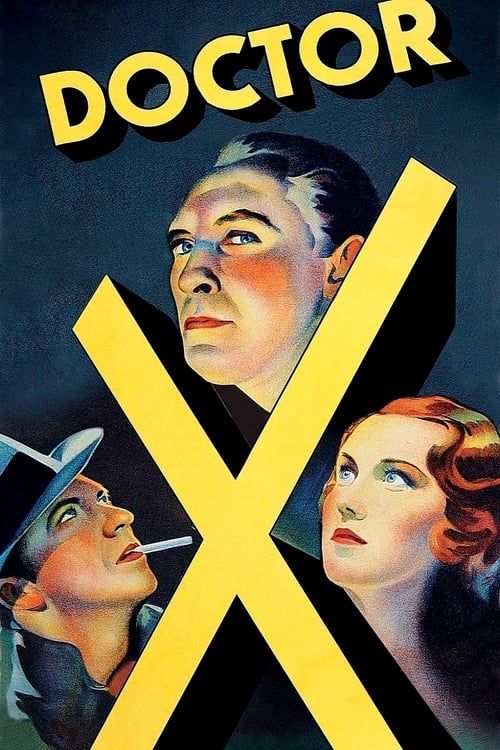
Doctor X
1932 · mad scientist
How Doctor X scares: The story unfolds like an old-fashioned whodunit, spending most of its time on a wisecracking reporter poking around a spooky research lab while a string of killings puts everyone on edge. It builds slowly through suspicious characters and eerie lab settings rather than jolting you with scares, saving its creepier visuals for the back half. The tone leans more toward fun, campy mystery than genuine dread, with some startling makeup effects that were shocking for their time but feel tame today. It's a good pick if you like old-school monster-movie mysteries more than modern horror intensity.

Monkey Shines
1988 · psychological horror
How Monkey Shines scares: Monkey Shines builds its fear slowly around helplessness and dependence, using a disturbing premise rather than constant scares to unsettle you. The tension grows out of watching someone trapped in his own body, unable to protect himself from something that's supposed to be helping him. There are bursts of physical violence and a few shock moments, but most of the dread comes from feeling trapped along with the main character. It's a strange, uncomfortable ride more than a fun scary movie, with a sad, uneasy undertone running through it.
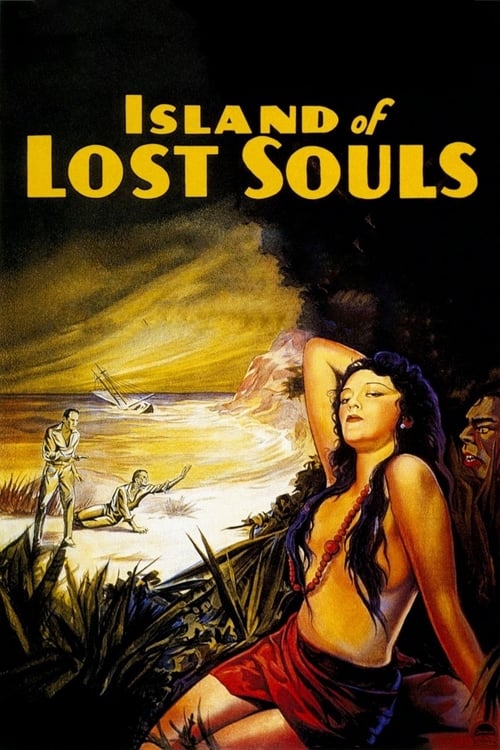
Island of Lost Souls
1932 · mad scientist
How Island of Lost Souls scares: It opens like a survival tale about shipwrecked travelers washing up somewhere strange, then slowly reveals a much darker situation as the island's true nature comes into focus. The dread builds through unease and suggestion rather than shocks, with a creeping sense that something is deeply wrong with the people around you. Much of the horror comes from a controlling, unsettling presence rather than gore or violence, though there's real physical danger by the end. It's an old, atmospheric kind of scary, more disturbing in its ideas than in anything graphic it shows, and it leaves a strange, uneasy feeling rather than pure fun-house thrills.
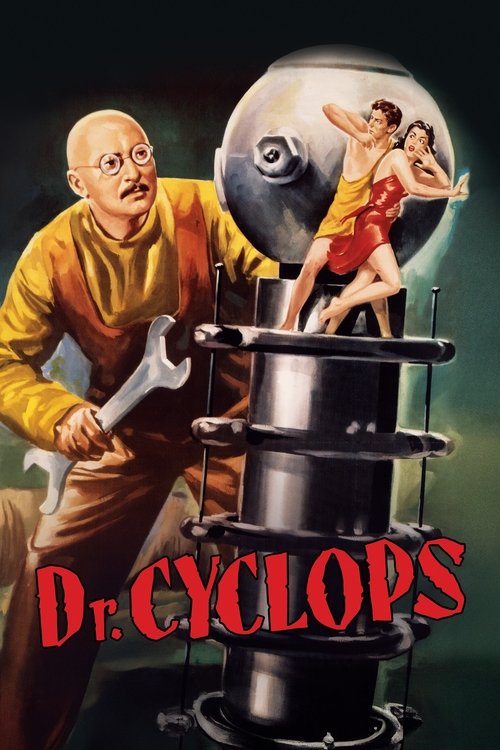
Dr. Cyclops
1940 · mad scientist
How Dr. Cyclops scares: The story starts as a jungle expedition adventure and only slides into horror once the explorers realize the scientist they've come to help has far darker plans for them. From there it turns into a chase story, with the now-tiny heroes dodging oversized household objects, animals, and the looming scientist himself. The scares lean on size and scale rather than blood or dread, playing more like a fantastical survival adventure than a true fright-fest. It's a fun, old-fashioned creature-feature vibe, good for viewers who want pulpy thrills rather than anything heavy or upsetting.

The Brain That Wouldn't Die
1962 · mad scientist
How The Brain That Wouldn't Die scares: You'll mostly feel amused rather than scared, since this plays like a cheap, talky drive-in oddity with long stretches of stiff dialogue between bursts of grim, silly gore. The pace is slow and clunky, building toward a monster reveal that's more startling and gross than genuinely frightening. It leans hard into mad-scientist theatrics and a trapped, talking head rather than tension or dread. Good for people who like laughing at old-school B-movie shock rather than anyone looking to be unsettled.

House of Frankenstein
1944 · monster movie
How House of Frankenstein scares: House of Frankenstein is an old-fashioned monster mash rather than a true scare machine, stitching together Dracula, the Wolf Man, and Frankenstein's Monster into one carnival-style tale. The mood is gothic and shadowy, with creaky castles and fog, but the pace is brisk and pulpy instead of slow and dreadful. It's more spooky adventure than horror in the modern sense, with barely any blood and nothing that lingers once the lights come up. Good for classic monster movie fans or a lighthearted, old-school Halloween watch rather than anyone looking to be genuinely unsettled.
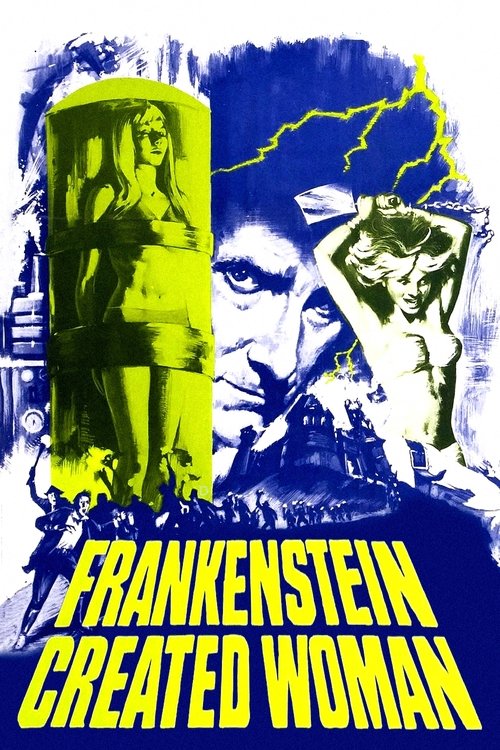
Frankenstein Created Woman
1967 · gothic
How Frankenstein Created Woman scares: Frankenstein Created Woman leans more on Gothic tragedy and melancholy than on scares in the traditional sense, building a mood of sadness and injustice before it turns into a slow revenge story. The pace is deliberate and talky, with long stretches of period drama and science lab scheming before anything violent happens. When the horror does arrive, it's more eerie and sad than shocking, driven by themes of identity, loss, and cruelty rather than chases or gore. This suits viewers who like old-school Hammer horror with a heavy, doomed romance feel rather than modern scares.
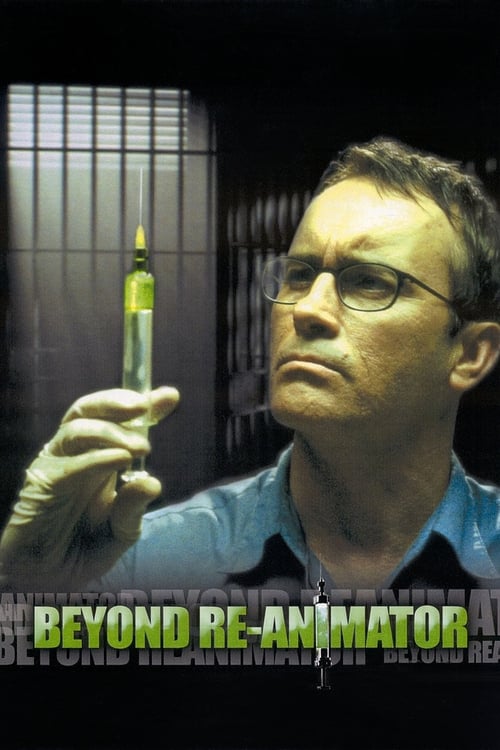
Beyond Re-Animator
2003 · body horror
How Beyond Re-Animator scares: It starts as a prison drama with mad-science undertones, then quickly ramps up into over-the-top gross-out chaos once the reanimated experiments start going wrong. The pace is fast and gleefully messy rather than tense, favoring gooey creature effects and absurd body horror over slow dread. There are barely any real jump scares here; the fear, if you can call it that, comes from just how ridiculous and squishy the gore gets. This is for people who like their horror silly, splattery, and self-aware rather than scary in any serious way.

Murders in the Rue Morgue
1932 · gothic
How Murders in the Rue Morgue scares: Murders in the Rue Morgue leans on old-fashioned gothic atmosphere rather than any real scares by today's standards, with shadowy sets, moody lighting, and a mad-scientist plot that feels more like a strange carnival sideshow than a horror movie built to frighten. The pace is slow and talky, built around mystery and reveal rather than dread or chases, with occasional bursts of melodrama standing in for tension. There's some mild grotesque imagery around captivity and experiments, but nothing graphic is shown. It plays best as a curiosity piece for fans of early horror history rather than something meant to unsettle a modern viewer.

The Corpse Vanishes
1942 · mad scientist
How The Corpse Vanishes scares: There's a creaky, old-fashioned charm to this one that feels more like a spooky stage play than a true scare fest. The pace is slow and talky, with shadowy mansions, a sinister doctor, and a goofy henchman doing most of the heavy lifting instead of real dread. Nothing here is graphic or bloody, and the danger feels more like pulpy adventure than genuine fear. It's a fun, campy watch for fans of old black-and-white horror who want quaint chills rather than nightmares.
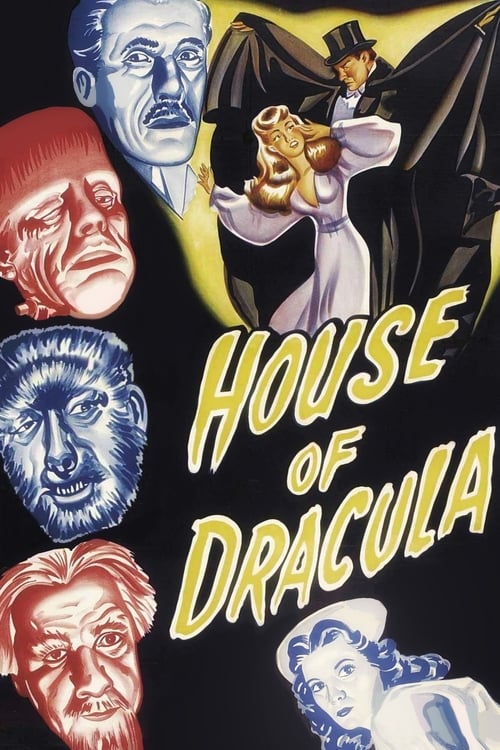
House of Dracula
1945 · monster movie
How House of Dracula scares: It opens like a tidy monster reunion, with Dracula and the Wolf Man both showing up at a doctor's door looking for a cure, then settles into a talky, old-fashioned monster mash rather than building any real dread. The pace is calm and stage-bound, more mystery-drama with monsters than horror, and any fear comes from classic gothic mood, fog, castles, and lab equipment, rather than shocks or gross-out moments. It's the kind of gentle, old black-and-white creature feature you watch for the fun of seeing classic monsters share a movie, not for scares that stick with you. Good for fans of vintage Universal horror or a lighthearted spooky movie night.

The Revenge of Frankenstein
1958 · gothic
How The Revenge of Frankenstein scares: The Revenge of Frankenstein moves at a stately, old-fashioned pace, more interested in gothic atmosphere and mad-science melodrama than in jolting you. The fear here comes from body horror and unsettling medical experiments rather than any real chase or gore-heavy violence. Hammer's lush sets and rich color give it a theatrical, storybook creepiness rather than genuine dread. It's a good pick if you like classic monster movies and want moody fun rather than something that will actually unsettle you.
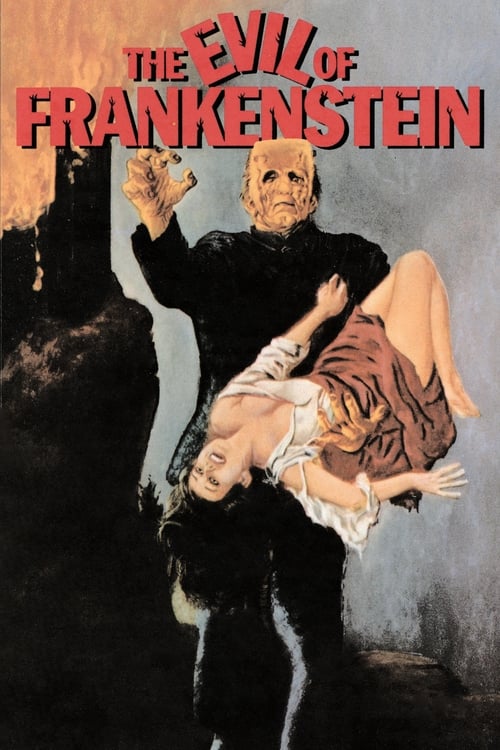
The Evil of Frankenstein
1964 · monster movie
How The Evil of Frankenstein scares: The Evil of Frankenstein is a classic Hammer-style gothic monster movie, built more for mood and old-fashioned melodrama than genuine terror. It leans on castle sets, fog, and a lumbering creature rather than jump scares or dread, so the pace is steady and theatrical rather than tense. There's some physical menace once the monster is under someone else's control, but it plays as adventurous pulp rather than anything upsetting. This is a comfortable, old-school horror pick for fans of classic monster movies, not something meant to haunt you.

The Horror of Frankenstein
1970 · gothic
How The Horror of Frankenstein scares: It starts as a gothic period piece about ambition and family, then settles into a wry, tongue-in-cheek romp rather than building any real dread. The pacing is leisurely and theatrical, more concerned with dark jokes and castle atmosphere than with scaring you. The monster and mad-science trappings are played for camp and macabre fun rather than terror. This is a good pick if you want moody old-school gothic style and a laugh, not something that will actually unsettle you.
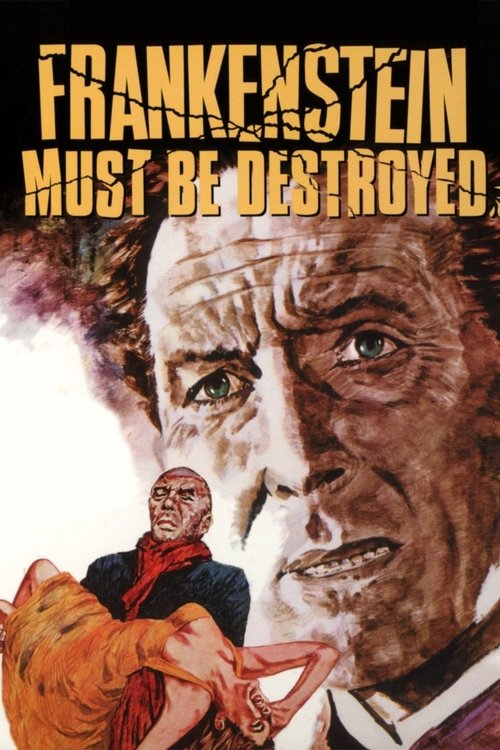
Frankenstein Must Be Destroyed
1969 · gothic
How Frankenstein Must Be Destroyed scares: Frankenstein Must Be Destroyed leans on gothic mood and slow, deliberate build-up rather than sudden shocks. The horror comes from watching a cold, driven scientist manipulate and hurt the people around him, mixed with the sad, monstrous plight of his creation. There's some ugly, real violence and cruelty along the way, more upsetting than thrilling, but the blood and gore stay fairly restrained by modern standards. It's a good pick if you like old-school Hammer horror with strong performances and tragedy over cheap scares.
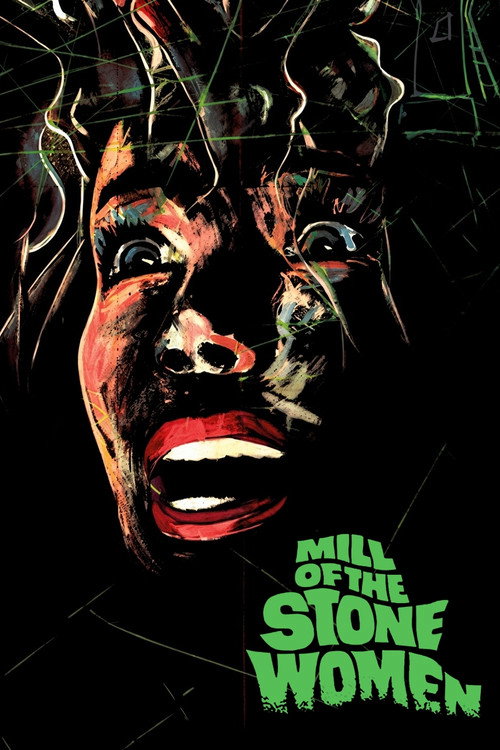
Mill of the Stone Women
1960 · gothic
How Mill of the Stone Women scares: Mill of the Stone Women builds its fear through thick fog, candlelight, and slow reveals rather than sudden shocks. The dread comes from wandering through a decaying old mill full of eerily lifelike statues, with the sense that something is deeply wrong long before anything is explained. It's more eerie and sad than outright terrifying, with a gothic, dreamlike mood that lingers more than it startles. Good for fans of old-school gothic horror who like slow atmosphere and strange, melancholy visuals over jolts or gore.
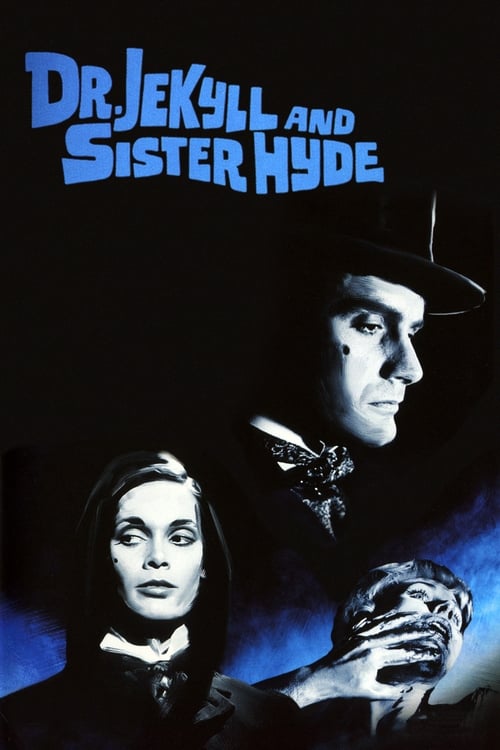
Dr. Jekyll & Sister Hyde
1971 · gothic
How Dr. Jekyll & Sister Hyde scares: Dr. Jekyll & Sister Hyde plays more like a gothic Victorian thriller than a modern horror movie, leaning on mood, fog-soaked streets, and a slow unravelling of identity rather than sudden scares. The fear comes from watching a person lose control of themselves and the body count that follows, mixed with a queasy, real-world menace tied to Jack the Ripper-style killings. It's moodier and stranger than outright terrifying, with old-school pacing that rewards patience over adrenaline. Good for fans of classic horror who like their scares slow, literary, and a little theatrical rather than jumpy.
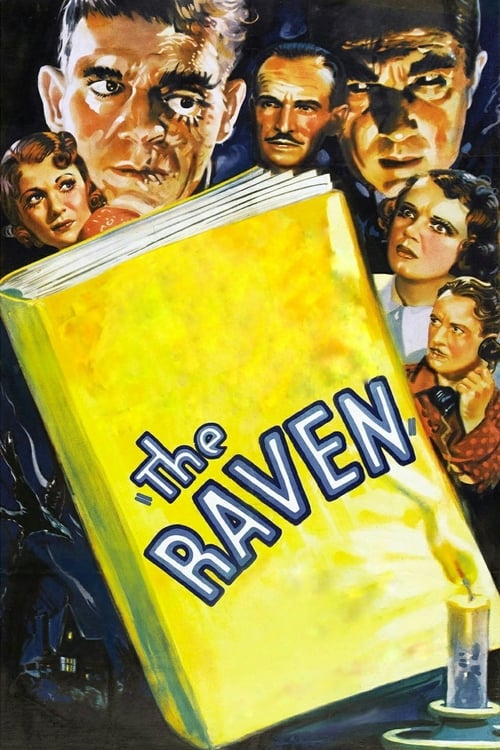
The Raven
1935 · gothic
How The Raven scares: Watching this feels more like an old dark-house thriller than a true scare-fest, full of shadowy castle hallways, secret passages, and a villain who monologues about his obsession before he acts on it. The pace is slow and talky by today's standards, building to a handful of set-piece dangers like trap doors and shrinking rooms rather than sudden jolts. It leans on theatrical menace and a mad doctor's twisted revenge scheme instead of blood or true dread, so it plays more like a spooky, fun old movie night pick than something that will unsettle you. Fans of classic black-and-white horror and gothic mansions will enjoy the mood far more than anyone looking for modern scares.
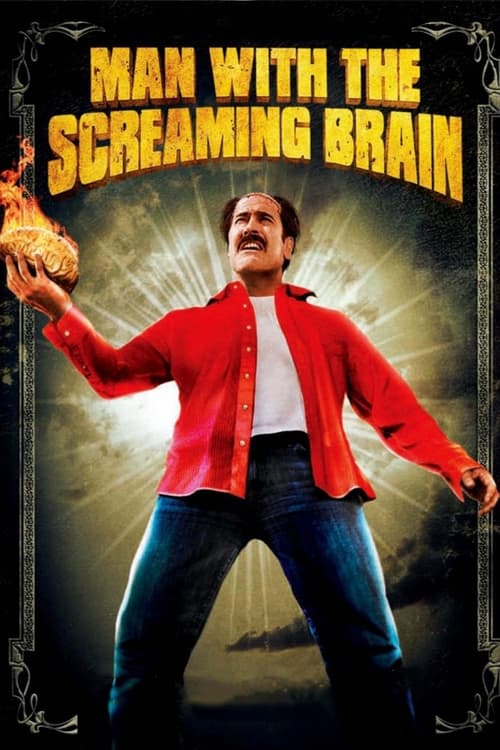
Man with the Screaming Brain
2005 · horror comedy
How Man with the Screaming Brain scares: Man with the Screaming Brain is a goofy B-movie comedy first and a horror movie a distant second, made by Bruce Campbell in full campy, tongue-in-cheek mode. There's no real dread or tension here, just silly mad-scientist antics, cheap-looking gore, and jokes about brain-swapping and body horror played for laughs. It's the kind of thing you watch with friends to laugh at, not to get scared by, closer to a cartoon than a fright film.
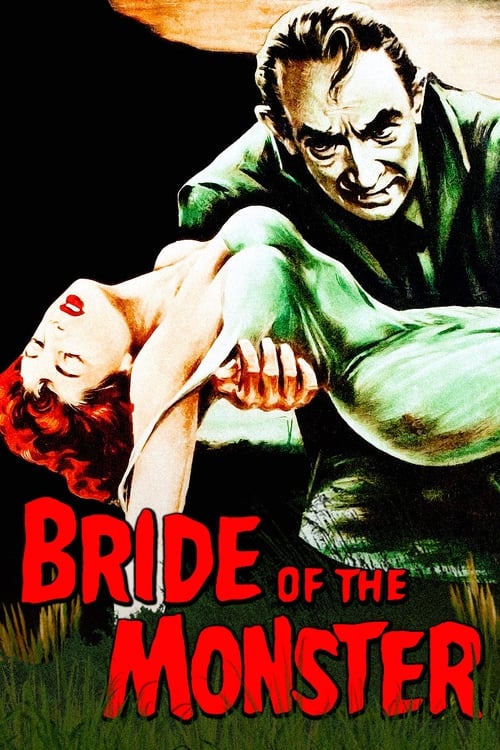
Bride of the Monster
1955 · mad scientist
How Bride of the Monster scares: It moves slowly at first, with lots of talky scenes in a spooky old house, then stumbles toward a goofy monster climax near the end. The scares come from a mad scientist, a rubber octopus, and cheap atmosphere rather than any real tension or dread. It's more silly and awkward than frightening, the kind of movie people watch for laughs rather than chills. Good for a fun, so-bad-it's-good movie night, not for anyone looking to actually be scared.
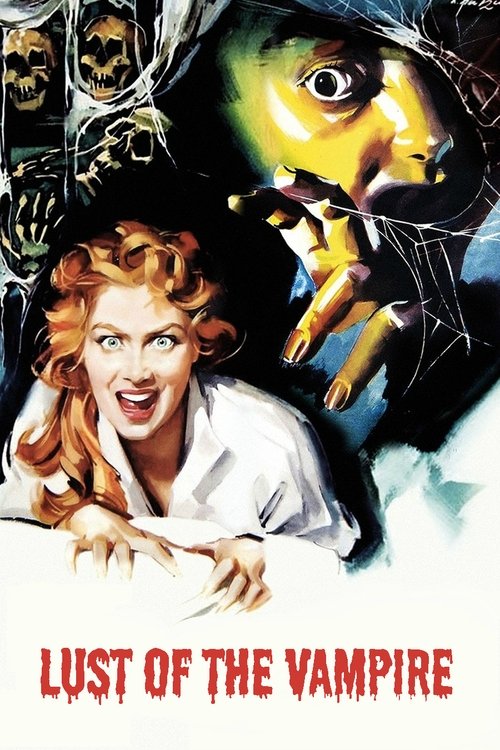
Lust of the Vampire
1957 · gothic
How Lust of the Vampire scares: Lust of the Vampire builds its fear slowly, through fog-drenched castles, shadowy corridors, and a growing sense that something is deeply wrong in this old European town. It plays more like a moody gothic mystery than a scare machine, with almost no jump scares and very little blood shown on screen. The dread here comes from atmosphere and implication rather than shocks, so it suits someone who likes old black-and-white horror with style and mood over fast thrills. Don't expect it to shake you for days afterward, but it's a solid pick if you enjoy classic, slow-paced gothic chillers.
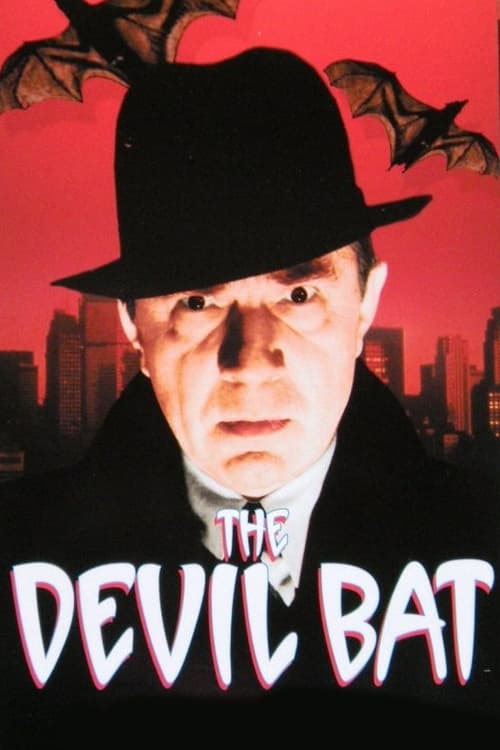
The Devil Bat
1940 · monster movie
How The Devil Bat scares: The Devil Bat is a creaky old-fashioned mad-scientist tale more interested in mystery and revenge plotting than in actually scaring you. The pace is slow and talky, with the giant bat attacks used sparingly as the big moments rather than constant jolts. There's no real dread or gore here, just old-school pulpy fun with a campy monster and a detective angle. It plays more like a quaint curiosity than a horror movie by today's standards, good for fans of vintage creature features looking for something light and silly.
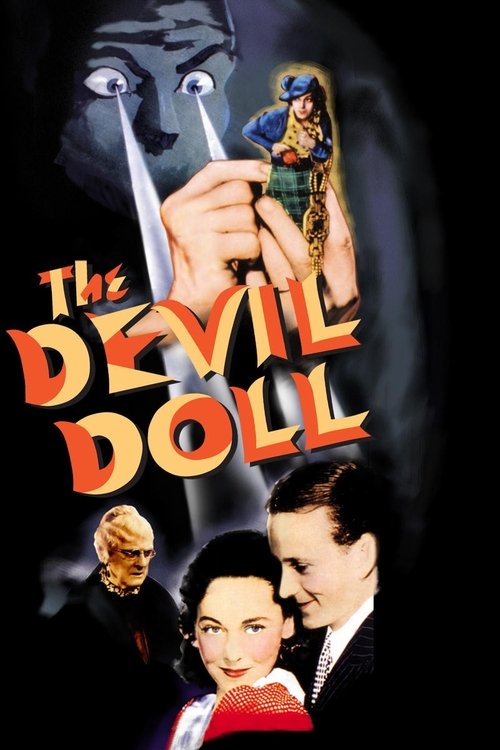
The Devil-Doll
1936 · revenge
How The Devil-Doll scares: The story opens like a wrongful-imprisonment drama and only slowly turns into something stranger, with the eerie science-fiction angle creeping in bit by bit rather than hitting all at once. Once the shrinking angle kicks in, the fear comes more from strange, unsettling visuals than from any real physical danger or dread. It plays more like a moody old-fashioned thriller with a science-gone-wrong twist than a true horror movie, and it's light on blood or shock. This is a good pick if you want a slow, atmospheric, somewhat pulpy classic rather than anything that will actually rattle you.