Mystery horror movies
The Horror Database (THDB) tracks 132 mystery movies. As a group they run gentle (average intensity 2.3/5), lean toward slow-burn dread, and average 1.5/5 on gore. Ranked by popularity; every profile describes how the movie scares, spoiler-free.
All Mystery horror movies on The Horror Database
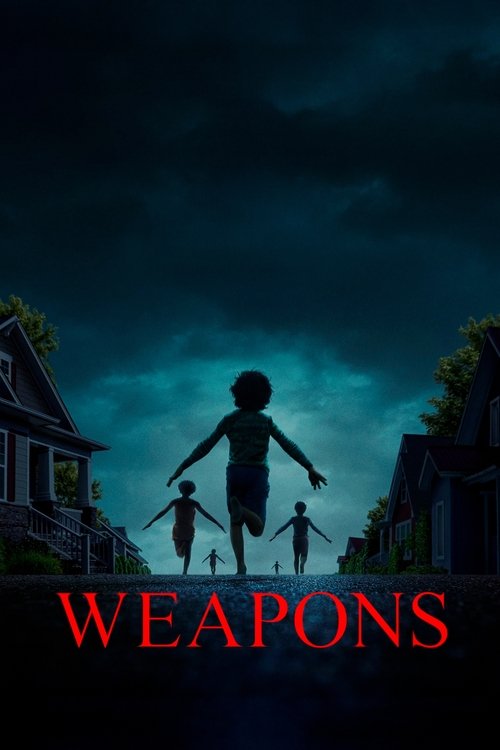
Weapons
2025 · folk horror
How Weapons scares: There's a nagging unease that builds as the story keeps circling back to the same night from different points of view, each pass adding a new layer of wrongness. The pacing is patient and puzzle-like at first, letting dread pool in ordinary places like classrooms and front yards before tipping into a few genuinely jarring, unsettling images. It plays as much like a dark, off-kilter mystery as a straight horror film, with flashes of grim humor cutting through the tension. Good for viewers who like their scares tangled up with a mystery to piece together, rather than a nonstop scare machine.
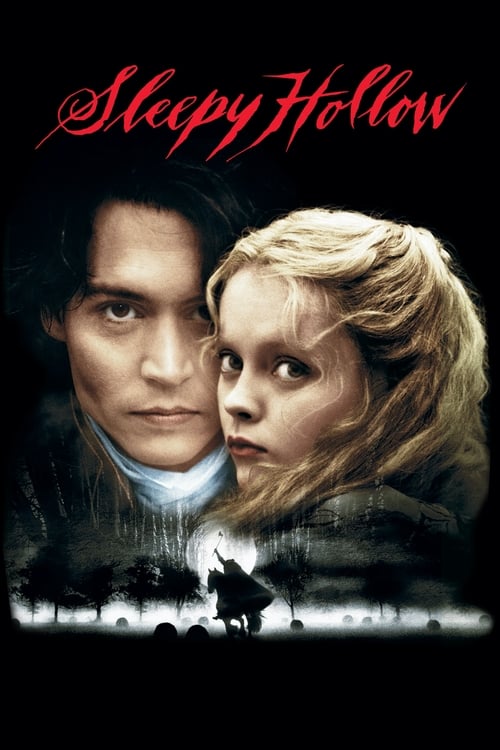
Sleepy Hollow
1999 · gothic
How Sleepy Hollow scares: Sleepy Hollow leans into gothic style more than real dread, with foggy forests, candlelit interiors, and a lot of visual flair from Tim Burton. It mixes a murder-mystery structure with sudden bursts of violence, so the horseman's attacks land as quick, bloody shocks rather than sustained scares. There's decent gore in the beheadings, but the tone stays more adventurous and romantic than genuinely upsetting. It works well for people who like moody, old-fashioned horror with a fairy-tale feel rather than something that will haunt them.
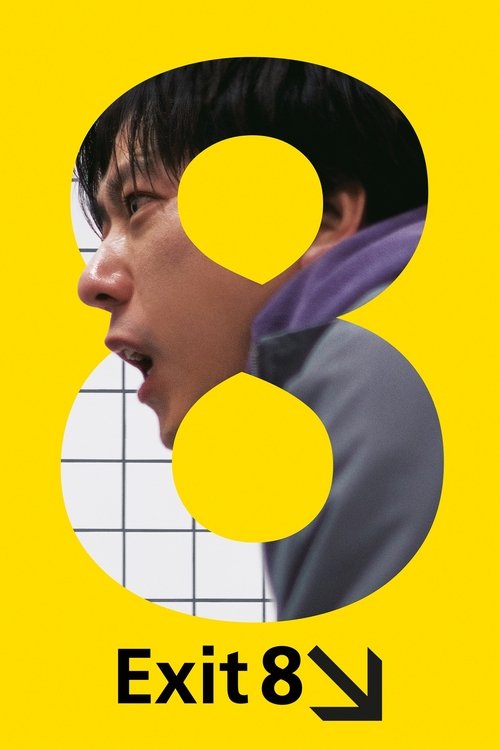
Exit 8
2025 · psychological horror
How Exit 8 scares: There's a quiet, nagging wrongness to watching this one, like staring at a photo that's been subtly edited and trying to spot what's off. Almost the whole thing takes place in the same sterile, empty hallway, and the horror comes from tiny details that don't add up rather than anything jumping out at you. It builds through repetition and unease more than shocks, though the moments when something IS wrong can genuinely startle you. There's no blood and barely any physical danger; the fear is all in your head, in the discomfort of sameness and the fear of missing something.
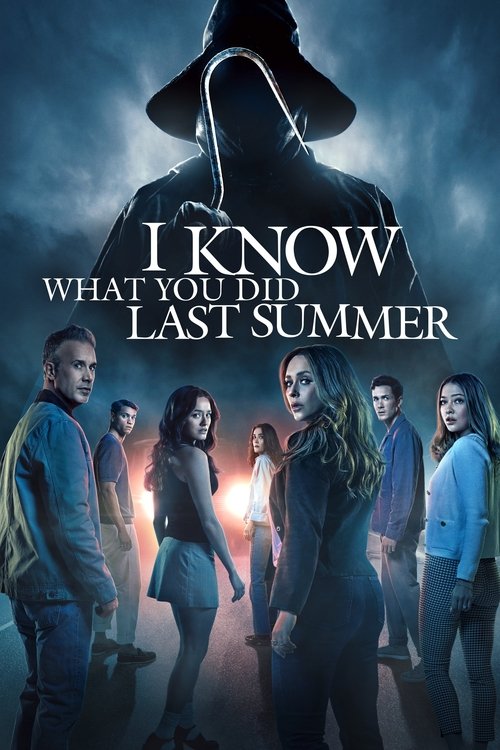
I Know What You Did Last Summer
2025 · slasher
How I Know What You Did Last Summer scares: Watching this feels like a fast, glossy teen thriller more than a slow crawl of dread — it moves briskly between hangout scenes and sudden stalker attacks. The scares lean on jump moments and a masked figure popping up with a weapon, while an underlying guilt-and-secret plot gives it a little emotional weight without ever getting truly heavy. Blood and violence show up in bursts rather than nonstop brutality, and the whole thing is built more to entertain and startle a group of friends than to haunt anyone afterward. Good for a fun watch with popcorn rather than a heavy, unsettling night alone.
Happy Death Day
2017 · slasher
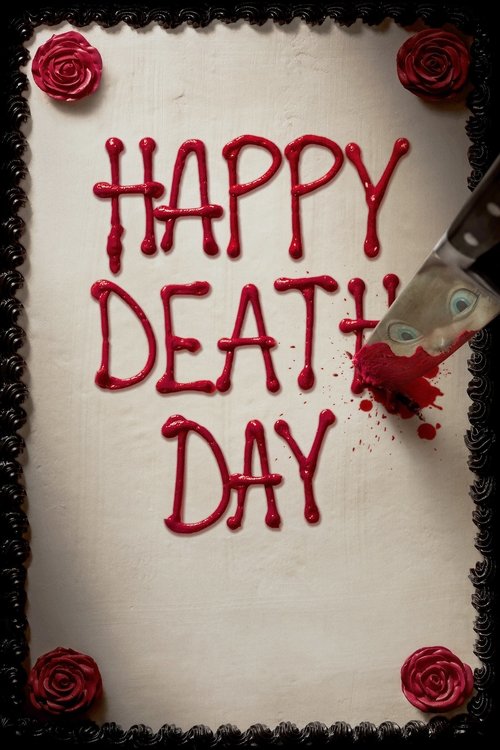
How Happy Death Day scares: Each repeat of the day picks up speed, turning into a playful puzzle where the scares come from jump moments and a masked killer popping up rather than dread building underneath. It leans much more into fun mystery-solving and dark comedy than into anything truly upsetting, with light jolts sprinkled through a college-set whodunit structure. The violence is quick and not lingered on, so it never feels heavy or gross. This is an easygoing pick for people who want a scary movie that's more clever and amusing than actually frightening.

Fantasy Island
2020 · supernatural
How Fantasy Island scares: Fantasy Island mixes glossy, resort-brochure fun with jump scares and twisty reveals rather than any deep sense of dread. The movie hops between different characters' nightmare scenarios, so the tone shifts around a lot, from action-y peril to spooky supernatural stuff to melodrama. It leans on jolts and weird visuals more than slow-building unease, and it wants to entertain more than genuinely unsettle you. This is a light, popcorn kind of scary movie, good for a casual watch rather than something that will stick with you.
Red Riding Hood
2011 · werewolf
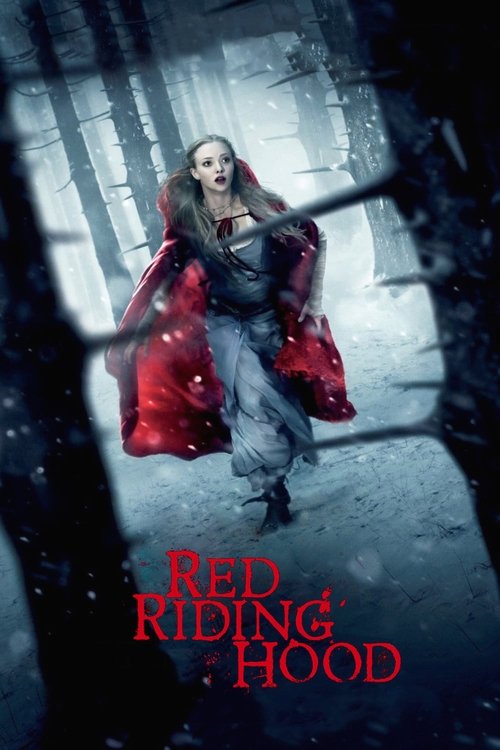
How Red Riding Hood scares: There's more swoony romance and whodunit guessing than actual dread here, so it feels closer to a moody teen mystery than a real horror movie. The pacing is steady and soapy, built around suspicious glances and a mystery about who the werewolf really is, with only occasional bursts of danger breaking up the drama. Blood and violence are kept light and stylized, and the forest setting is used more for mood and romance than genuine scares. It's a good pick if you want a pretty, atmospheric fairy-tale vibe rather than anything that will actually unsettle you.
What Lies Beneath
2000 · ghost story
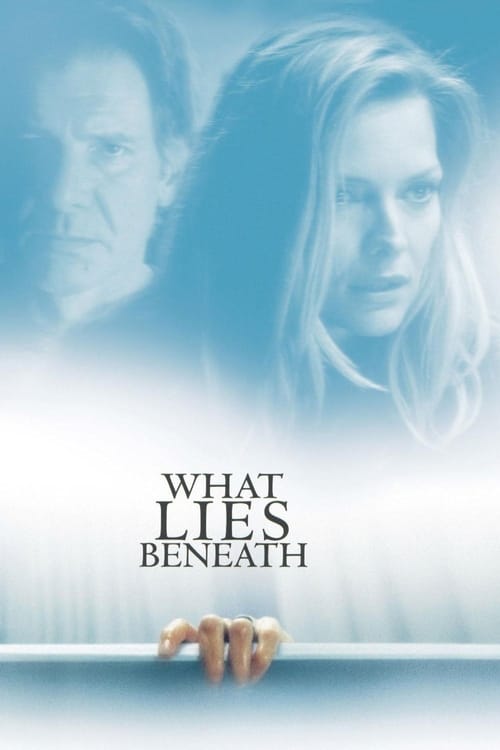
How What Lies Beneath scares: There's a nagging unease that builds slowly through the first half, the kind of dread that comes from noticing small things that don't add up in your own home. Once the story tips into its second half, the movie shifts gears and starts using sharp jump scares and eerie visions to keep you on edge. It blends a hidden-secret mystery with ghostly haunting elements, so the fear comes from both a sense of being watched and the growing suspicion that something is deeply wrong close to home. It's a mainstream, polished kind of scary rather than something that will wreck you emotionally, good for viewers who like a slow mystery that pays off with real scares.

Old
2021 · body horror
How Old scares: Old builds its fear from a strange, unstoppable process happening to people's bodies right in front of you, rather than from anything jumping out at you. The dread comes from watching helplessness set in as time squeezes a lifetime into hours, with family relationships warping under the pressure. There's some unsettling body horror and a few hard-to-watch physical moments, but it's more upsetting and sad than outright brutal. Good for people who like their horror strange and thought-provoking, with an underlying sense of panic rather than constant scares.
Stonehearst Asylum
2014 · psychological horror
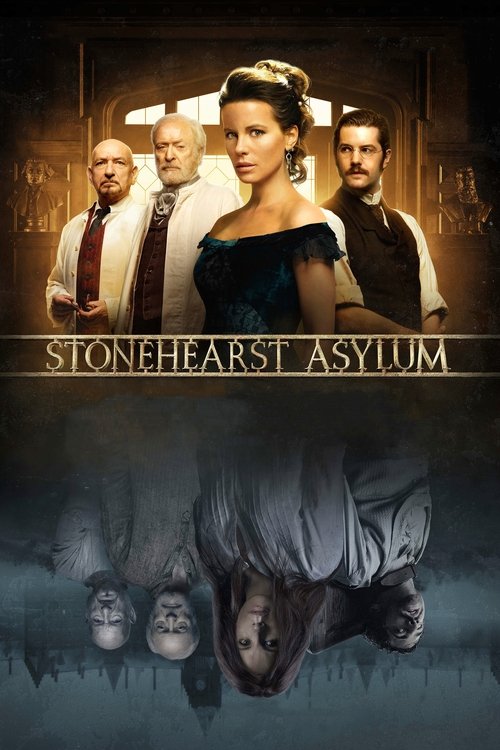
How Stonehearst Asylum scares: There's a constant low-level unease here, the kind that comes from not knowing who to trust rather than anything jumping out at you. The pace is slow and talky, more of a costume-drama mystery than a scare machine, building dread through unsettling asylum scenes, strange behavior, and a sense that something is deeply wrong under the surface. It leans on mind games and moral discomfort more than blood or violence, with only occasional flashes of something harsher. Good for people who like gothic, brainy thrillers with a horror edge rather than a movie built to make you jump.
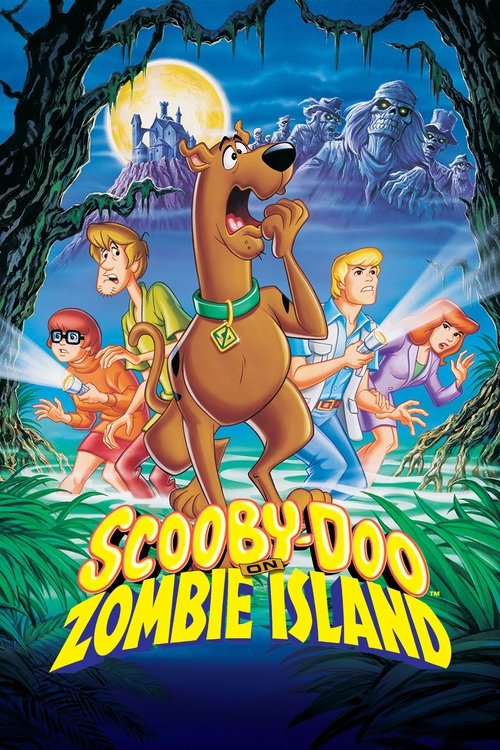
Scooby-Doo on Zombie Island
1998 · haunted house
How Scooby-Doo on Zombie Island scares: There's a genuine spooky mood here, with fog-covered swamps, glowing eyes, and creepy old houses that feel more atmospheric than most cartoons aimed at kids. The mystery unfolds slowly, letting the eerie setting build before anything jumps out, and even then the scares are mild and quick, not designed to make you jump out of your seat. It leans into real ghost-story chills instead of just gag scares, which makes it feel a little more grown-up than typical Scooby-Doo, but it never gets heavy or upsetting. Great for kids who want a taste of a real haunted-house feeling without anything actually frightening sticking with them.
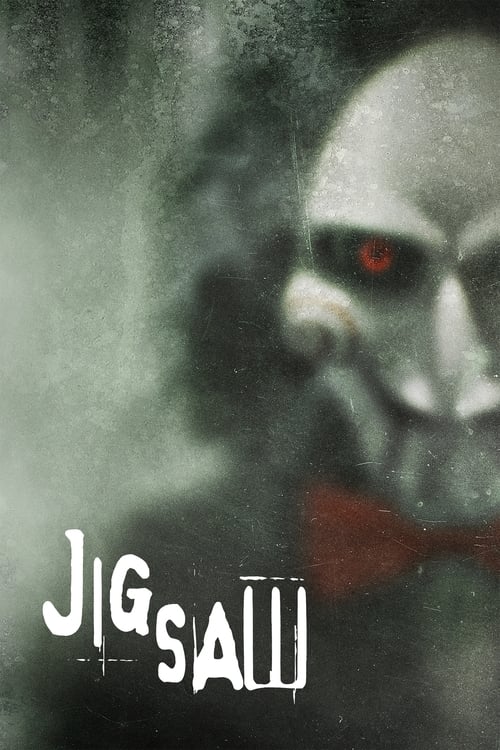
Jigsaw
2017 · torture
How Jigsaw scares: You spend most of the runtime bracing for the next trap, with tension building as characters figure out grim rules and try to survive brutal machines. The scares come from dreading what a device will do to a body, not from things jumping out of the dark, and the mystery plot keeps pulling you forward between the violent set pieces. Blood and injury are shown in graphic detail, but it plays more like a grisly puzzle-box thriller than something that leaves you shaken afterward. Good for fans who like their horror gory and plot-driven rather than eerie or slow.
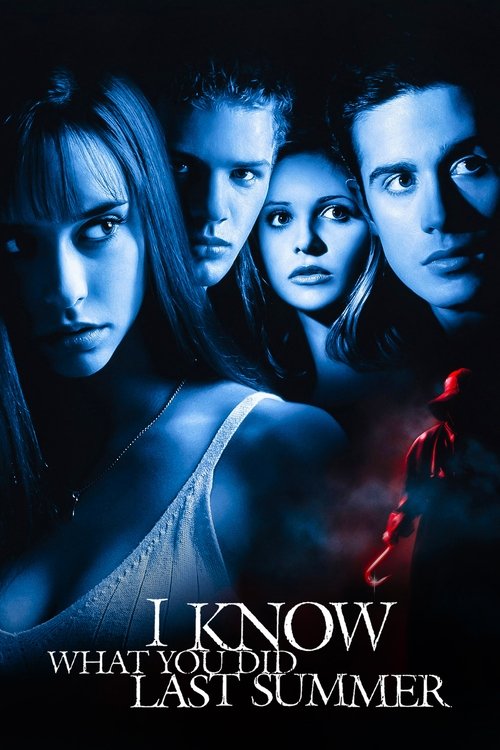
I Know What You Did Last Summer
1997 · slasher
How I Know What You Did Last Summer scares: There's a nagging sense of guilt hanging over every scene, like the past is about to catch up with you, mixed with sudden jolts when the killer shows up. The pace moves like a mystery-thriller with slasher beats stitched in: quiet stretches of paranoia and suspicion between friends, followed by bursts of stalking and violence. The threat is a very human killer with a hook, not anything supernatural, so the fear leans on real physical danger and being hunted rather than mind games. It's the kind of horror that's fun to watch with friends, more thrilling than truly haunting afterward.
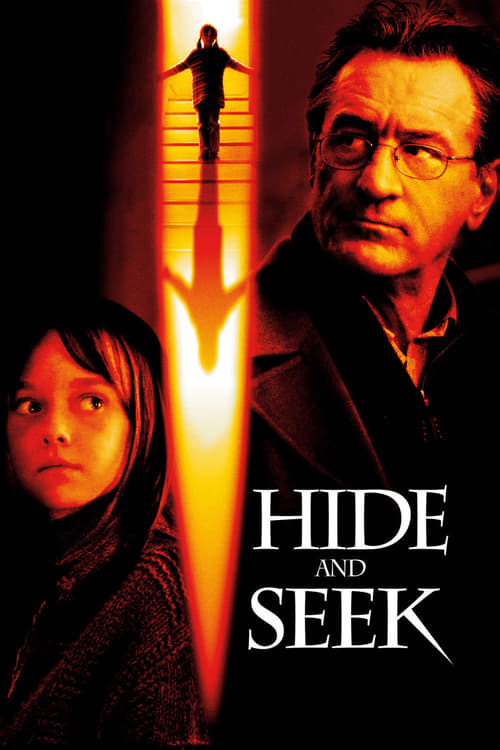
Hide and Seek
2005 · psychological horror
How Hide and Seek scares: Hide and Seek builds its fear slowly, through unease in a big empty house and a kid's strange behavior rather than shocks. Most of the runtime is quiet dread and suspicion, with the tension in not knowing who or what to trust, and only a handful of jolts along the way. It leans hard into a mystery you're trying to solve alongside the main character, and the scares are more about creeping wrongness than blood or gore. It's the kind of horror that unsettles through mood and slow reveals rather than leaving you shaken for days.
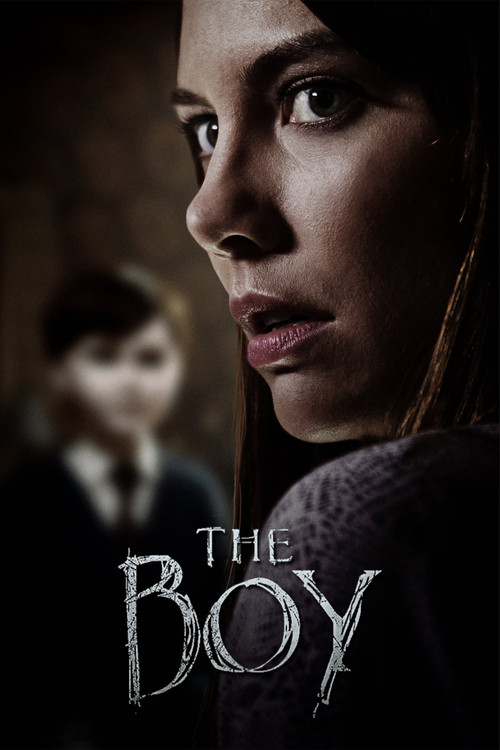
The Boy
2016 · haunted house
How The Boy scares: It opens slow and quiet, easing you into a big, creaky old house and a strange daily routine before any real scares show up. Most of the runtime is spent building unease through silence, empty hallways, and odd rules you're told to follow, with jump scares sprinkled in rather than piled on. The fear here leans more mysterious and eerie than gory or brutal, playing on the creepy idea of a doll that might be more than it seems. It's a good pick if you want a moody, slow-building creep-out rather than something heavy or hard to shake.
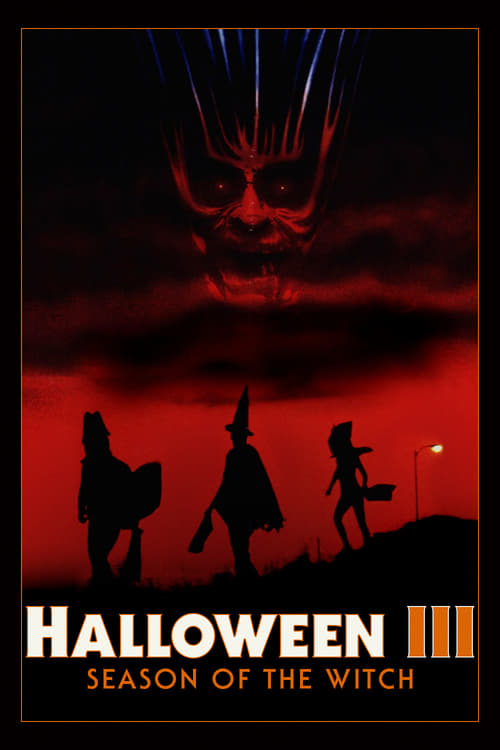
Halloween III: Season of the Witch
1982 · cult horror
How Halloween III: Season of the Witch scares: Halloween III: Season of the Witch trades knives and masks-as-disguise for a strange, slow-moving conspiracy about a toy company with a very sinister plan. It plays more like a mystery thriller than a typical slasher, with a doctor slowly uncovering something rotten instead of anyone being stalked room to room. The dread builds through unease and creeping wrongness rather than jump scares, but it does deliver a few sudden, nasty shocks along the way. It's an odd, cult-favorite mix of eerie and goofy that scares you sideways more than it haunts you afterward.
I See You
2019 · psychological horror
How I See You scares: There's a nagging, off-kilter feeling running through this one, like something in a normal house or family is quietly wrong even before you can say why. The pace is slow and puzzle-like at first, more mystery than horror, before it tightens into something tenser and more uneasy in its back half. It leans on confusion and creeping unease rather than jump scares or blood, so the fear is more about not knowing who or what to trust than about physical danger. Good for people who like a slow, twisty mystery with a genuinely unsettling undercurrent rather than a loud scare-fest.

The Wicker Man
2006 · folk horror
How The Wicker Man scares: The Wicker Man plays out like a slow mystery, with a lawman poking around a strange island community and slowly realizing something is very wrong. It leans on unease and weird cult rituals rather than jump scares, but the tension never really builds into true dread, and a few moments tip into so-strange-it's-funny territory instead of scary. There's almost no blood or gore here, and the ending goes for shock over horror. It's a decent watch if you're curious about creepy folk-horror vibes, but don't expect it to actually scare you.
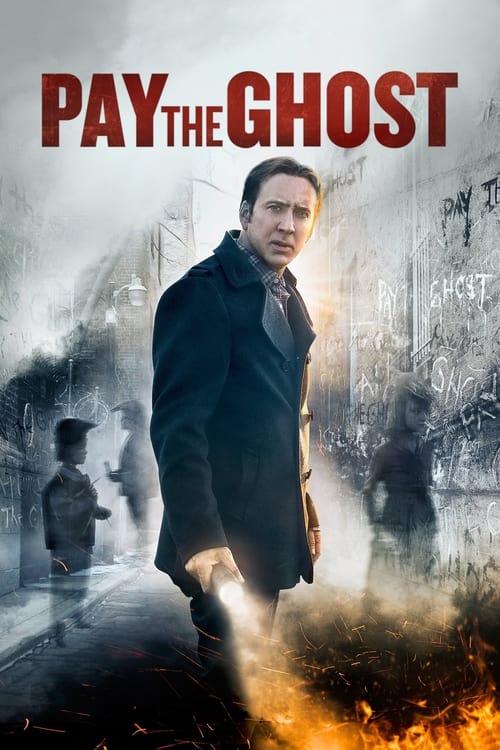
Pay the Ghost
2015 · ghost story
How Pay the Ghost scares: Pay the Ghost leans on eerie visions, sudden apparitions, and jump scares more than sustained dread, with a mystery-hunt plot pulling a grieving father through New York streets and old legends. The scares come in quick bursts rather than a slow creeping build, so it plays more like a haunted mystery ride than a nightmare that sinks in deep. There's some sadness under the surface tied to loss, but it doesn't linger much once the movie ends. It's an easy, moderate watch for people who like ghost stories with a detective angle rather than heavy psychological horror.
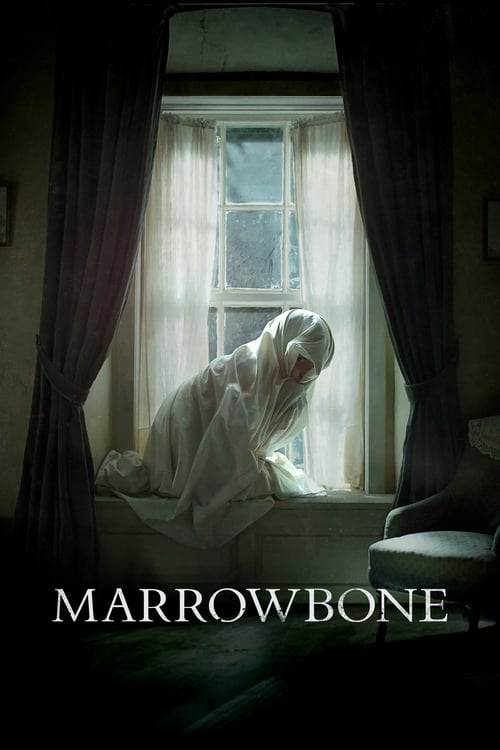
Marrowbone
2017 · gothic
How Marrowbone scares: Marrowbone builds its fear slowly, through hushed rooms, long silences, and the sense that something in the house is watching even when nothing is shown. It plays more like a sad, tense family mystery than a monster movie, with dread coming from grief, secrets, and the fear of being found out rather than from gore or jolts. There's very little blood and almost no jump scares here, just a mounting unease that pays off emotionally more than it shocks you. It suits people who like slow, moody, heartbreaking horror over loud scares.
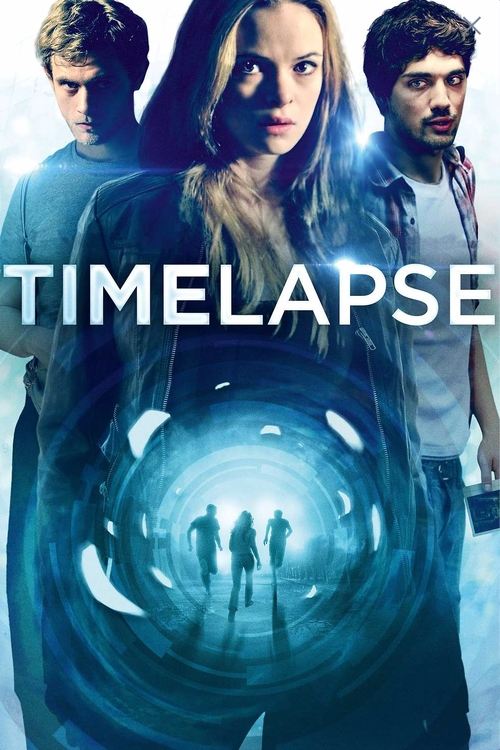
Time Lapse
2014 · psychological horror
How Time Lapse scares: There's a tightening, anxious feeling as you watch, like watching someone slowly paint themselves into a corner they can't escape. It's less a horror movie and more a slow-moving thriller about paranoia, guilt, and bad decisions spiraling out of control, with barely any violence or blood on screen. The scares come from watching people trap themselves in a situation with no good way out, not from jolts or monsters. It's a quiet, brainy pick for someone who wants tension and dread rather than screams and gore.

Devil
2010 · supernatural
How Devil scares: Devil traps its characters in a single stuck elevator, and most of the fear comes from that tight, closed-in space and not knowing who to trust. The lights keep cutting out, and each blackout builds tension before something happens, so it mixes nervous waiting with sudden jolts. It leans more toward mystery and paranoia than gore, with religious undertones giving it a moody, fated feeling rather than pure shock. It's a tense, quick watch more than something that will haunt you afterward.
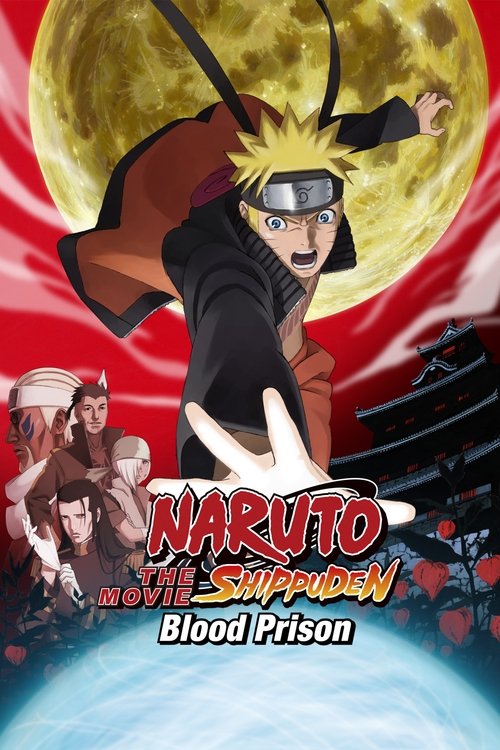
Naruto Shippuden the Movie: Blood Prison
2011 · supernatural
How Naruto Shippuden the Movie: Blood Prison scares: Watching this feels like a fast-paced action adventure with a spooky prison setting, not an actual scary movie. Any tension comes from fights, ninja tricks, and a mystery to solve, not from real dread or fear. There are a few dark, moody moments and an eerie villain power, but nothing close to genuine horror. This is really for Naruto fans who want an exciting story with a slightly creepy backdrop, not for horror fans.
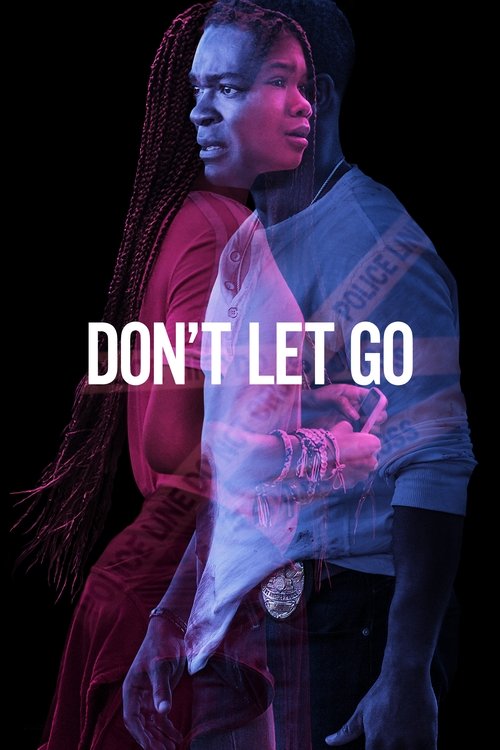
Don't Let Go
2019 · psychological horror
How Don't Let Go scares: It feels more like an emotional puzzle than a scare-fest, with a heavy, sad undercurrent running beneath the mystery. The pace is slow and moody, built around confusion and grief rather than sudden shocks or gore. There's a low hum of unease as the timeline twists back on itself, but the fear here is quiet and cerebral, not jumpy or bloody. It suits people who like a moody, thoughtful thriller with a supernatural twist more than traditional horror fans looking to be scared.
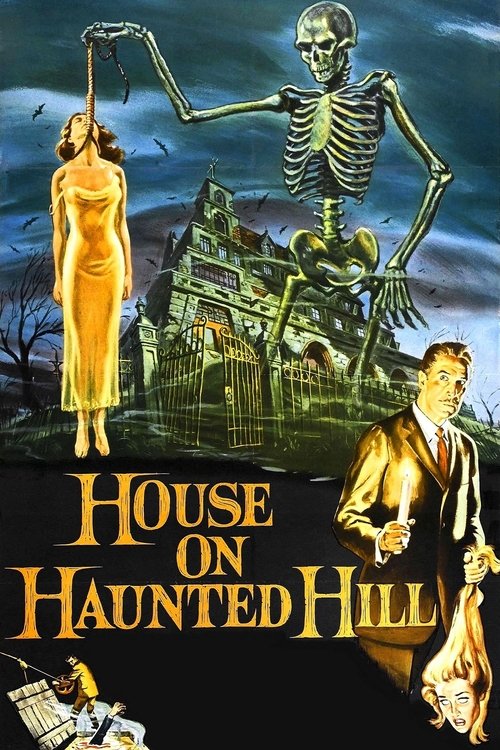
House on Haunted Hill
1959 · haunted house
How House on Haunted Hill scares: House on Haunted Hill leans hard into showmanship, mixing slow, creaky haunted-house atmosphere with sudden gimmicky jolts, like a carnival ride more than a genuine scare-fest. The mood is playful and theatrical rather than heavy, with characters wandering dim, shadowy rooms while eerie effects pop up to startle rather than truly unsettle. It's black and white, light on blood, and more about clever tricks and suspense than real physical danger. A great pick if you want a fun, old-school spooky night rather than something that will actually rattle you.
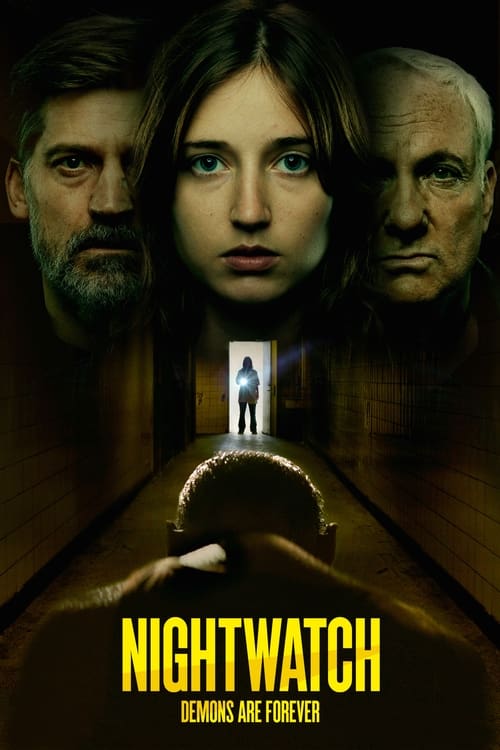
Nightwatch: Demons Are Forever
2023 · serial killer
How Nightwatch: Demons Are Forever scares: It opens slow, letting the mystery of a decades-old crime unfold before tightening into a tense cat-and-mouse chase in the movie's second half. The dread builds mostly through unease and dread of being watched or hunted in dark, empty places rather than constant jump scares. It's a grounded, human kind of horror built around a killer, not ghosts or monsters, with some gruesome moments but not nonstop gore. Good for fans of moody crime-thrillers with a nasty, unsettling edge rather than pure adrenaline scares.
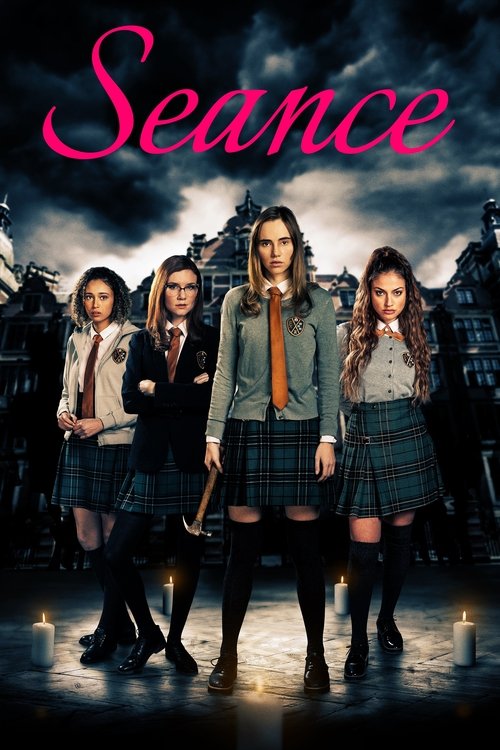
Seance
2021 · slasher
How Seance scares: It opens like a ghost story, with a group of boarding school friends messing around with an occult ritual late at night, but the movie slowly shifts into more of a whodunit thriller as the night's events spiral out of control. The pace is steady and moody rather than jumpy, building suspicion and paranoia between the girls instead of relying on jolts. Blood does show up as things get violent, but the bigger hook is figuring out who or what is really behind the danger. It's a good pick if you like eerie boarding-school settings and slasher-mystery vibes more than pure ghost scares.
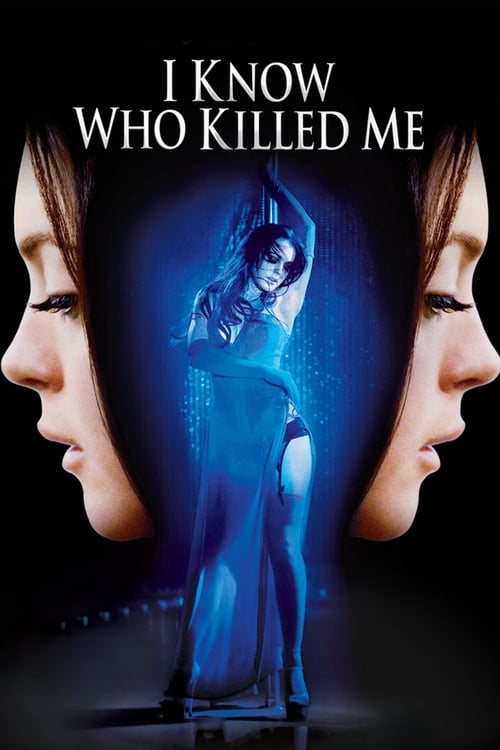
I Know Who Killed Me
2007 · serial killer
How I Know Who Killed Me scares: It opens like a small-town mystery, calm and moody, before sliding into torture and body-horror territory as the story unravels. The pace is uneven, jumping between quiet investigation scenes and sudden bursts of graphic violence, which gives it an off-balance, unpredictable feel rather than a steady build of dread. The scares lean more toward shock and discomfort than atmosphere or jump scares, and the tone often feels strange or overblown rather than tightly controlled. It's more of a bizarre, unsettling curiosity than a polished horror experience, better suited to fans of odd cult movies than traditional scares.

Visions
2015 · psychological horror
How Visions scares: There's a nagging, off-balance feeling running through this one, like you can't quite trust what the main character is seeing, and that unease is the whole point. The pace is slow and moody, built more on unsettling visions and creeping doubt than sudden scares, though a few jolts do show up along the way. Blood and violence are kept light here, with the tension coming from not knowing if the threat is real or all in her head. It's a quieter, mind-bending kind of scary rather than a gory or relentless one, good for viewers who like mystery mixed into their horror.
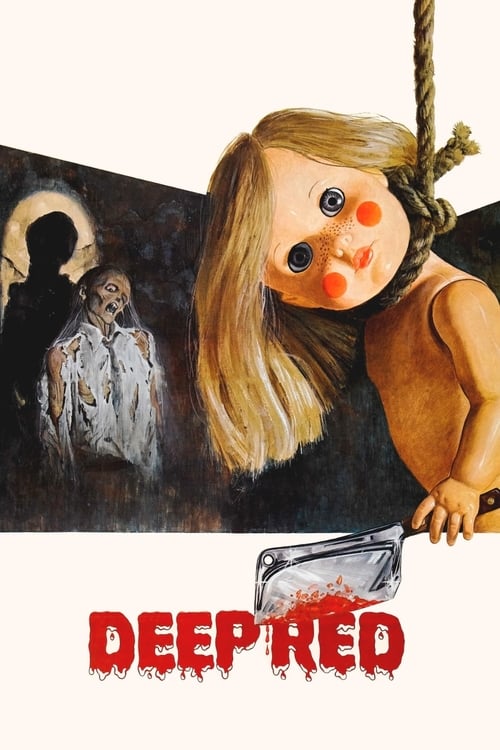
Deep Red
1975 · giallo
How Deep Red scares: There's a stylish, almost dreamlike unease running through the whole thing, with long stretches of moody wandering and puzzle-solving suddenly cut through by bursts of shocking, brutal violence. The camera lingers on odd details and strange color-lit rooms, building a sense that something is wrong long before it shows you why. It plays more like a stylish mystery with teeth than a straight-up scare machine, though when the violence hits it's sharp and startling. Good for people who like moody, artsy horror-thrillers with a real mystery to chew on, not for those wanting nonstop dread or jump scares.
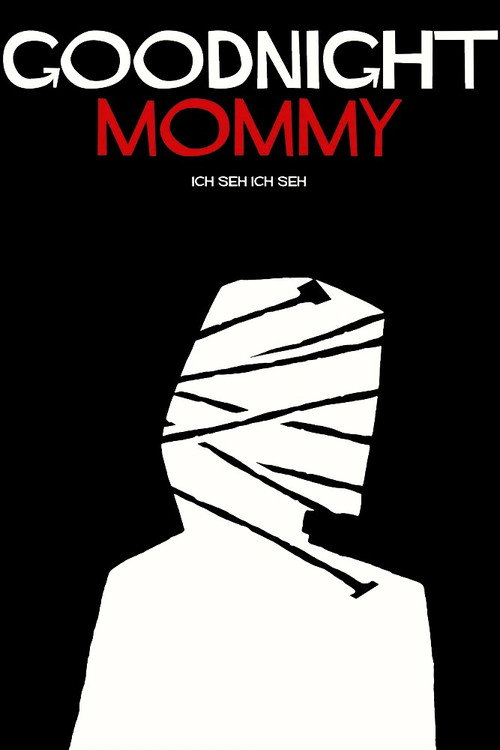
Goodnight Mommy
2015 · psychological horror
How Goodnight Mommy scares: There's a quiet, suffocating unease that builds for most of the runtime, like something is wrong in a way you can't quite name. The pace is patient and deliberate, favoring long silences and strange domestic routines over any kind of jump scare, so the dread creeps in slowly rather than jolting you. Things shift hard in the back half, turning cold and physically uncomfortable in a way that's hard to shake afterward. This is for people who want a slow, mind-bending kind of horror rooted in family and identity, not gore-driven thrills, though it does get rough near the end.

The Crucifixion
2017 · exorcism
How The Crucifixion scares: It opens like a slow investigative mystery, with a reporter digging into a strange death, before shifting gears into a more conventional exorcism horror movie packed with jolts and shrieking demonic imagery. The back half leans hard on sudden scares, flickering lights, and distorted voices rather than the quiet dread of the setup. There's some physical nastiness tied to the exorcism scenes, but it's mostly about mood and shock rather than gore. This fits viewers who like priest-versus-demon horror and don't mind a mystery framework that gets abandoned for genre scares.
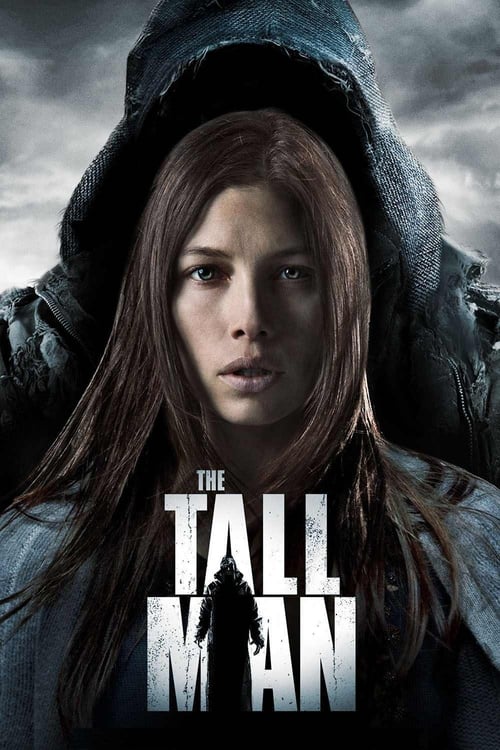
The Tall Man
2012 · psychological horror
How The Tall Man scares: There's a heavy, uneasy weight to this one that settles in early and never really lifts. It moves slowly and deliberately, more concerned with mood, grief, and unanswered questions than with jolts or scares, so patience is required. The fear here comes from dread and not knowing rather than from gore or chases, and the film keeps you off balance about what's really going on in this town. It's best suited to people who like slow, moody, thinker-style horror over fast thrills, and who don't mind a bleak, lingering feeling afterward rather than fun scares.
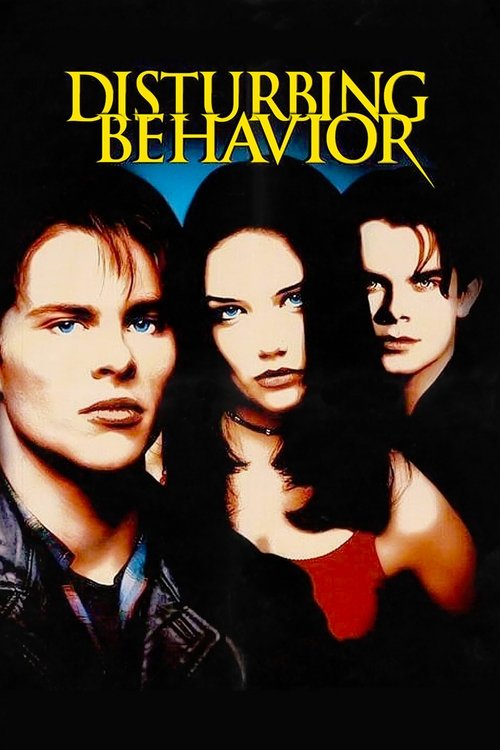
Disturbing Behavior
1998 · sci-fi horror
How Disturbing Behavior scares: Disturbing Behavior plays more like a teen thriller with horror flourishes than a true scare-fest, built around creeping paranoia about the kids around you rather than jolts and gore. The fear comes from watching normal people turn eerily perfect and then snap into sudden violence, which gives it bursts of physical danger mixed with a nagging "something's wrong here" unease. It leans on mystery and conspiracy more than dread, so it's tense and moody rather than truly frightening, and it wraps up more like a fun genre ride than something that stays with you. Good for viewers who like 90s teen horror with a sci-fi twist rather than heavy scares.
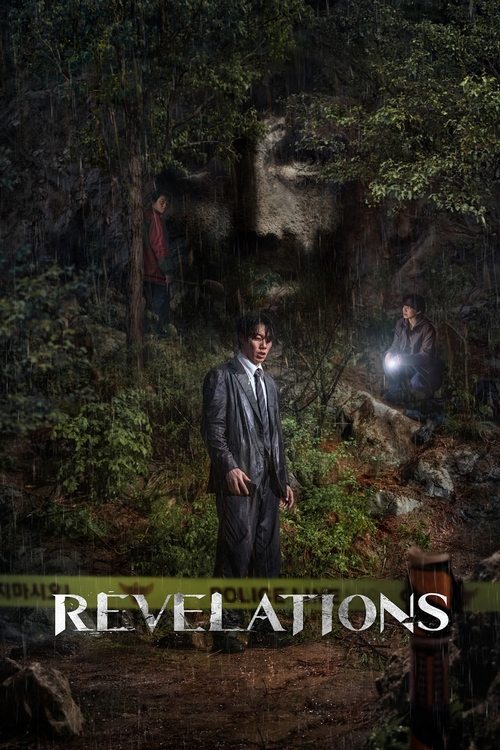
Revelations
2025 · psychological horror
How Revelations scares: It opens as a slow-moving crime investigation and only gradually reveals itself to be something stranger, tangled up with guilt, faith, and visions that may or may not be real. The pace is deliberate and moody rather than jolting, building unease through conversations and glances more than shocks. Its fear comes from watching two broken men slowly unravel under the weight of belief and obsession, not from any monster jumping out. This is a heavy, brooding watch for people who like their horror mixed with crime-drama tension and moral murk rather than thrills.
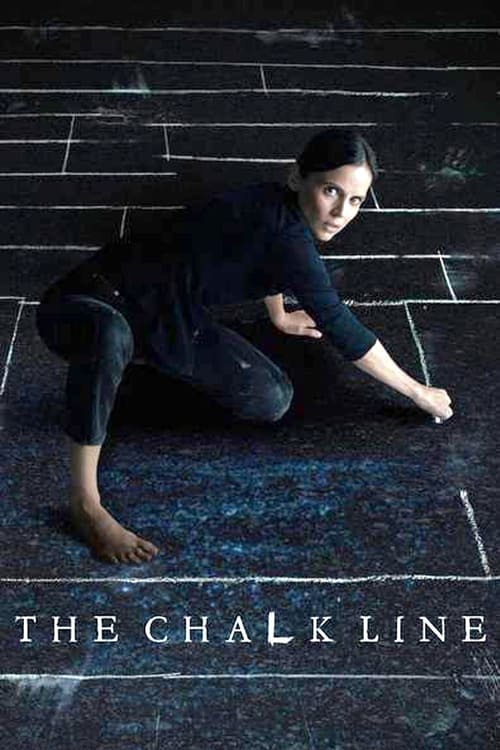
The Chalk Line
2022 · psychological horror
How The Chalk Line scares: It starts slow, almost like a family drama, before easing into unease as the mystery around the child deepens. The tension builds gradually through small strange behaviors and unanswered questions rather than sudden scares. Most of the fear comes from not knowing what's really going on with the girl, and whether the threat is something supernatural or something painfully human. It's more unsettling and sad than jumpy, aimed at people who like slow mysteries with a horror edge rather than quick thrills.

Escape the Field
2022 · survival horror
How Escape the Field scares: Escape the Field builds its fear out of confusion and distrust rather than constant scares, dropping a group of strangers into a maze-like cornfield with no idea what's hunting them. The pace moves like a puzzle box, alternating quiet stretches of arguing and searching for clues with sudden bursts of danger when the unseen threat closes in. It leans more toward tense and mysterious than graphic, with the horror coming from not knowing the rules of the trap you're stuck in. Good for people who like survival-thriller vibes with a sci-fi mystery edge rather than blood and jump scares.
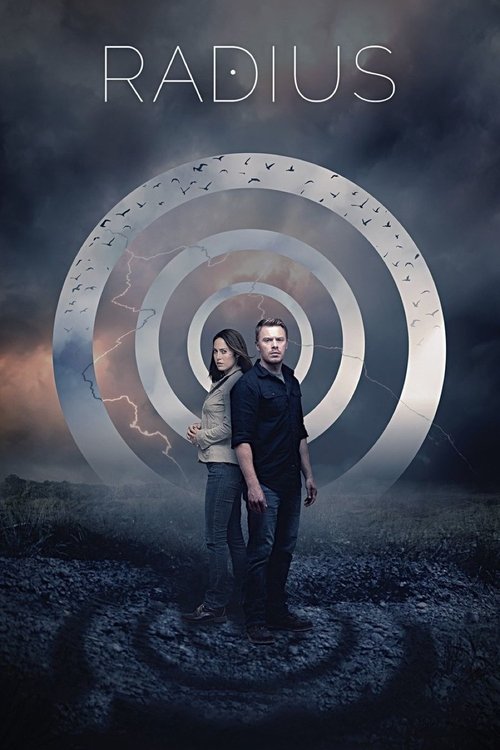
Radius
2017 · sci-fi horror
How Radius scares: There's a quiet, lonely dread to this one that comes from confusion and isolation rather than jump scares or monsters. You spend most of the runtime piecing things together alongside a man who can't trust his own mind, and the horror comes from helplessness and not knowing what's real. It moves slowly and sadly, more like a moody mystery than a scare-fest, building toward something that sits heavy rather than something that makes you jump. It's a good pick if you like your horror thoughtful, sad, and puzzle-like rather than loud or gory.
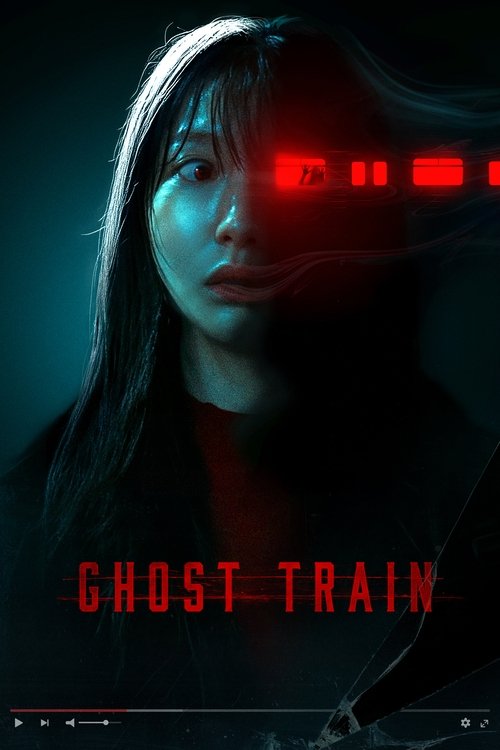
Ghost Train
2025 · found footage
How Ghost Train scares: There's a creeping unease that builds as the story digs into urban legends, punctuated by sudden jolts once the danger becomes real. The found-footage, youtuber-style framing adds a sense of voyeuristic dread, like you're watching someone wander somewhere they shouldn't. Its subway setting keeps things claustrophobic and isolating, with the horror leaning more toward eerie mystery than graphic violence. It's a decent pick if you like urban legend horror with a modern social-media twist, though it doesn't aim to be deeply traumatic.
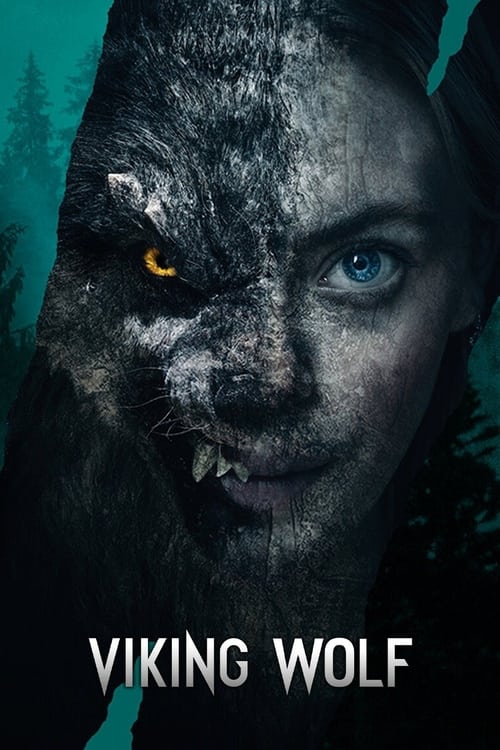
Viking Wolf
2022 · werewolf
How Viking Wolf scares: Viking Wolf spends a good chunk of its runtime as a moody teen drama before letting the creature side take over, so the first half feels more like unease and mystery than outright horror. Once the transformation angle kicks in, the fear shifts to physical danger and sudden violent attacks rather than a slow psychological squeeze. The creature effects are practical and a bit rough around the edges, which gives the attack scenes a raw, on-screen bloodiness instead of hidden-in-shadow dread. It's more of a monster thriller with folklore roots than something that will actually haunt you afterward.
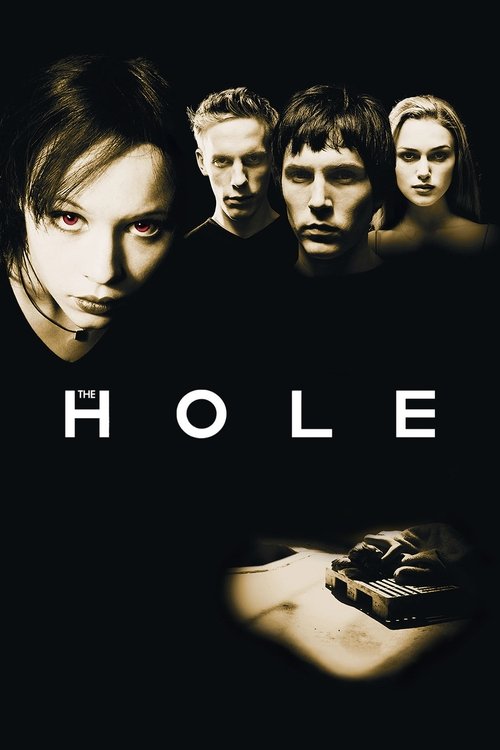
The Hole
2001 · psychological horror
How The Hole scares: The tension creeps up on you slowly, built more on unease and mistrust than any big scares. Four teenagers get trapped somewhere tight and dark, and the fear comes from watching their minds unravel as hunger, thirst, and old grudges take over. There's barely any blood here — the horror is all about isolation, manipulation, and not knowing who's telling the truth. It's a slow, moody watch that leaves you unsettled rather than jumping out of your seat.
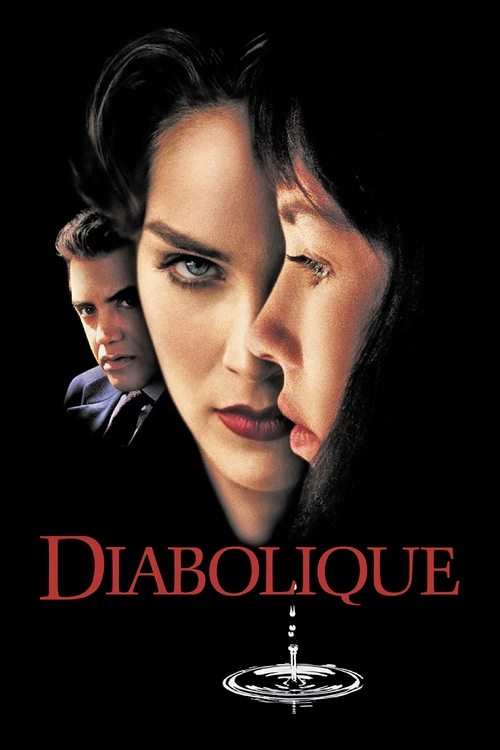
Diabolique
1996 · psychological horror
How Diabolique scares: Diabolique builds its fear through guilt and paranoia rather than shocks, following two women whose nerves start to fray after a plan meant to solve their problems doesn't go the way they expected. The tension comes from small details piling up, suspicious looks, and the fear that their secret is slipping out of their control. It's a quiet, uneasy kind of scary, more about dread and second-guessing than blood or monsters. Good for someone who likes slow-moving thrillers where the horror comes from human nature and mistakes, not supernatural threats.
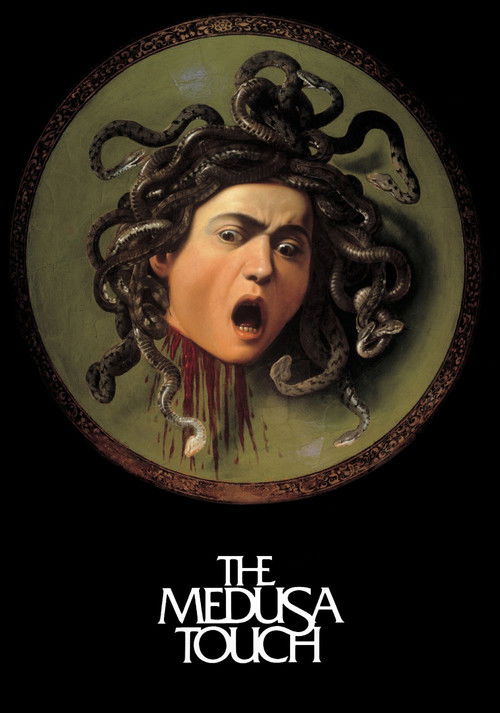
The Medusa Touch
1978 · psychological horror
How The Medusa Touch scares: The story unfolds backwards, piecing together one man's strange past through hospital records and interviews rather than moving forward in real time, so the tension builds through mystery and dread rather than shocks. It's a slow, talky thriller more than a traditional horror movie, with the scares coming from a growing sense that something huge and uncontrollable might be about to happen. The power at its center isn't ghostly or magical so much as an unexplained force of the mind, which gives it an eerie, unsettling edge rather than outright horror. It's the kind of film that leaves you thinking about helplessness and fate rather than jumping in your seat.
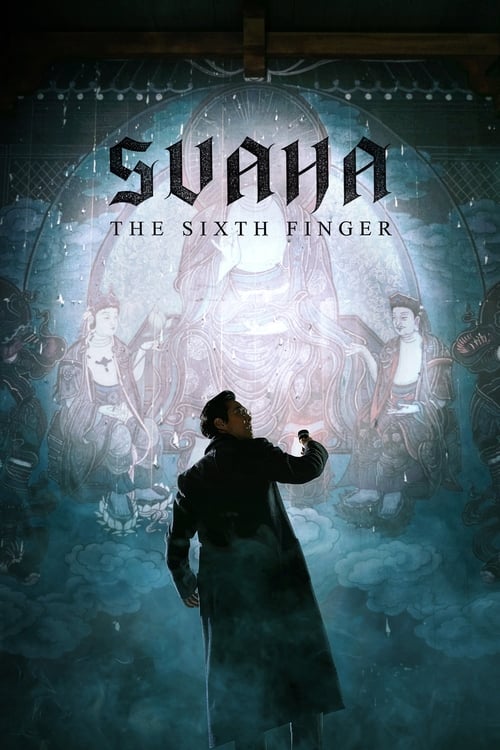
Svaha: The Sixth Finger
2019 · cult horror
How Svaha: The Sixth Finger scares: There's a heavy, uneasy feeling that builds slowly as the story digs into a strange religious group, more like watching a mystery unravel than waiting for scares. The pace is patient and talky for long stretches, following an investigation into faith and cult behavior, before quietly sliding into something stranger and more folk-tale-like near the end. It doesn't rely on jump scares or gore, leaning instead on dread, unease, and a sense that something ancient and wrong is underneath everyday life. This is best for people who like slow-building, thoughtful horror with a religious or mythic edge rather than fast thrills.
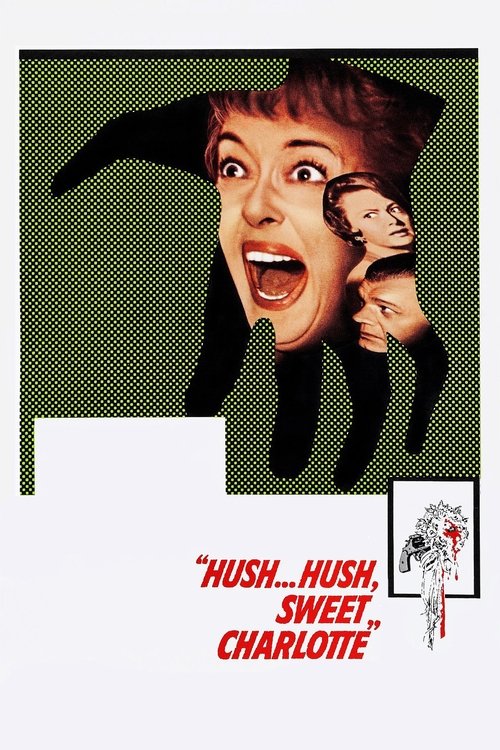
Hush... Hush, Sweet Charlotte
1964 · southern gothic
How Hush... Hush, Sweet Charlotte scares: Hush... Hush, Sweet Charlotte builds its dread through decay, isolation, and a mind slowly unraveling rather than through shocks or monsters. The horror comes from watching someone's grip on reality slip, with old house creaks, shadowy figures, and unreliable memories doing the work instead of blood or violence. It has a gothic, melodramatic heaviness to it, full of family rot and old secrets, more sad and unsettling than fun. Good for viewers who like slow, atmospheric character-driven horror with a classic black-and-white, Southern mansion feel.

The Pact II
2014 · serial killer
How The Pact II scares: It opens quiet and moody, following a woman whose nightmares start bleeding into her everyday life, then slowly tightens into a hunt for answers about a killer from the first film. The pace favors patient investigation and unsettling dream logic over quick shocks, with tension building through unease rather than constant jolts. There's a light supernatural, dreamlike haze over the story, but the real danger comes from a very human threat. It's more of a moody puzzle-box thriller than a gross-out horror movie, good for people who like slow dread more than jump scares.
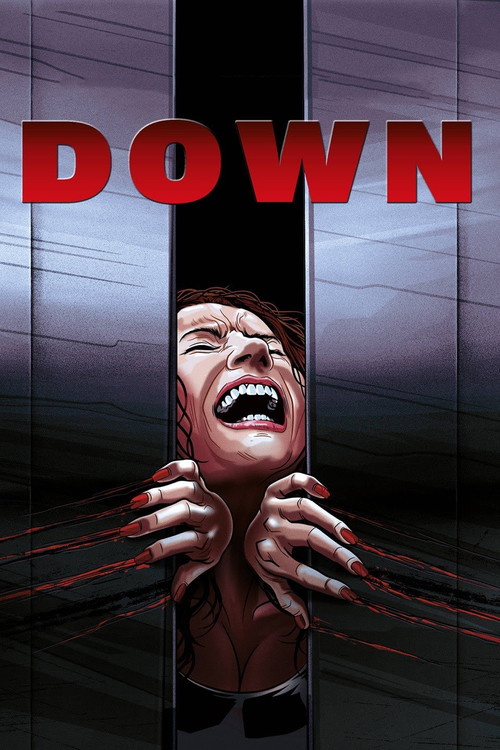
Down
2001 · sci-fi horror
How Down scares: There's a strange, campy thrill to watching something as mundane as an elevator become a source of dread, and the movie leans into that absurdity rather than trying to be truly frightening. The pacing bounces between investigation scenes and sudden, over-the-top death sequences, so it plays more like a gruesome mystery-thriller with horror flourishes than a slow creep-fest. The threat stays hazy for most of the runtime, mixing conspiracy, machinery, and hints of something stranger, which keeps things unpredictable but never heavy or truly disturbing. It's a good pick if you want gory, silly fun rather than something that will stick with you afterward.

The Night Listener
2006 · psychological horror
How The Night Listener scares: The Night Listener works less like a horror movie and more like a slow-building mystery that quietly gets under your skin. There's no blood, no monsters, and no jump scares here—just a growing sense that something about a phone relationship isn't right, and the unease creeps up on you through conversation and doubt rather than shocks. It's a quiet, dialogue-driven kind of dread, built around not knowing who to trust, and it lingers more in your head than in your gut. This one is for people who like unsettling character studies over anything gory or fast-paced.