Mystery horror movies
Page 3 of 4 · 149 movies, ranked by popularity.

The Scary House
2020 · haunted house
How The Scary House scares: The Scary House is a kid-friendly mystery-adventure dressed up in light haunted-house spookiness, more about curiosity and friendship than real fear. The pacing is gentle, with a few mild spooky moments and eerie house sounds rather than any true jump scares or dread. Any threat here feels more like a puzzle to solve than a danger to survive, so it stays fun and adventurous instead of upsetting. This is a good pick for younger viewers or family movie night when you want a little spooky atmosphere without anything upsetting or intense.
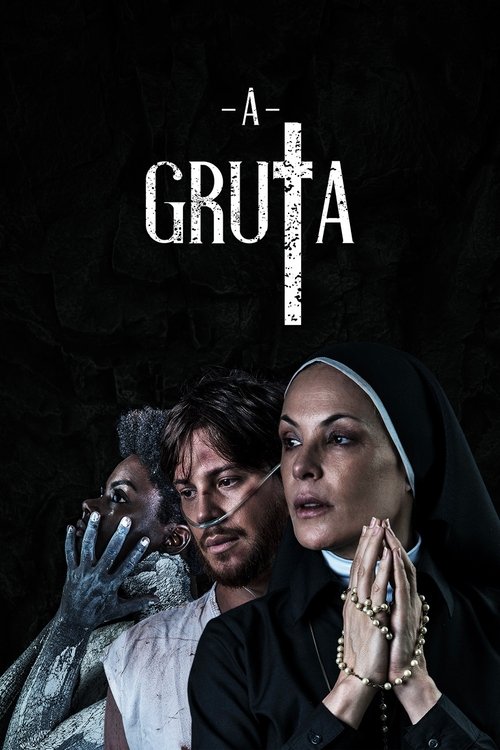
The Grotto
2020 · psychological horror
How The Grotto scares: The story opens after the fact, with investigators piecing together a strange and contradictory crime before slowly rewinding into what actually happened in the cave. The pace is deliberate and puzzle-like, leaning on confusion and dread rather than sudden shocks. It plays more like an eerie mystery than a jump-scare ride, with a creeping sense that something isn't right long before any answers come. This one is for people who like their horror slow, moody, and a little disorienting rather than loud or gory.

The Prophecy: Uprising
2005 · supernatural
How The Prophecy: Uprising scares: It moves like a chase thriller more than a horror movie, starting with a mystery and quickly turning into a series of pursuits and confrontations. The scares are light and infrequent, with most of the tension coming from characters being hunted rather than from dread or atmosphere. Angels and biblical lore stand in for monsters here, so the threat feels more mythological than truly frightening. It's a low-key watch for fans of the franchise's mythology rather than something built to unsettle you.
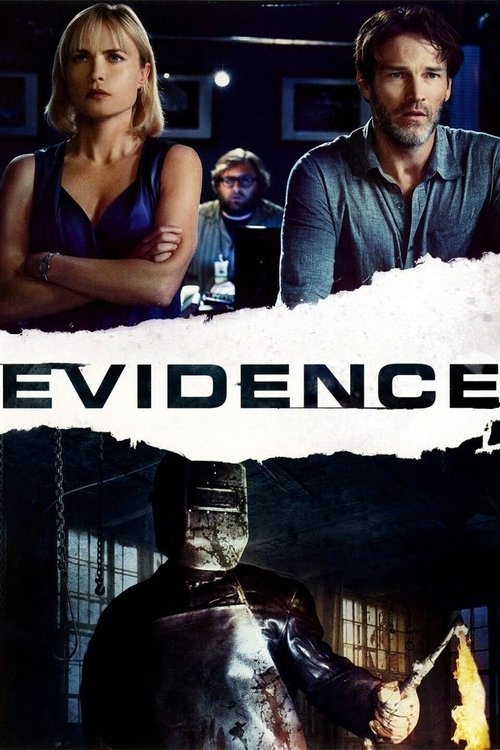
Evidence
2013 · found footage
How Evidence scares: Watching this feels choppy and disorienting on purpose, since the story is pieced together from shaky handheld and security-style footage rather than told in a normal flow. The pacing jumps around in time, building tension through confusion and quick bursts of violence rather than a steady creeping dread. It leans on chaos and sudden attacks more than slow atmosphere, so it plays more like a frantic survival puzzle than a haunting mood piece. Good for people who like found footage and piecing together what happened, less good if you want a purely atmospheric scare.
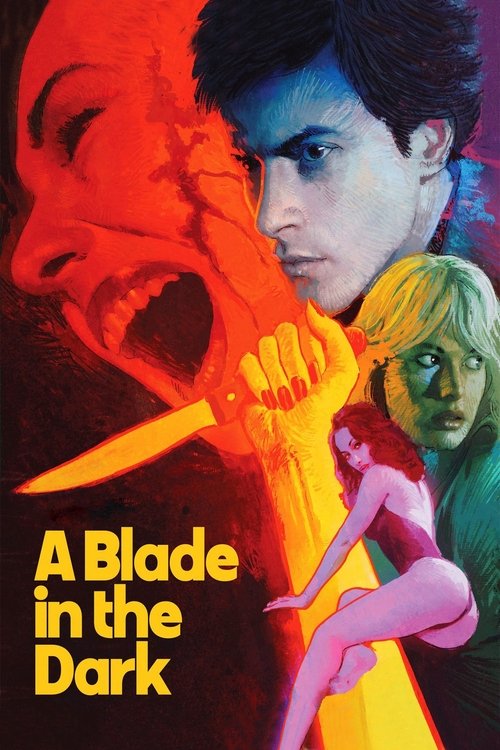
A Blade in the Dark
1983 · giallo
How A Blade in the Dark scares: A Blade in the Dark plays like a slow-moving mystery that keeps interrupting itself with sudden, brutal violence. Most of the runtime is quiet and moody, set in an isolated villa where small clues and odd behavior build a sense that something is off, then the tension breaks with a sharp, bloody kill. The scares lean more shocking than eerie, and the mood stays stylish and colorful rather than heavy or grim. It's a good pick if you like old-school Italian thrillers with style, a bit of nastiness, and a puzzle to piece together rather than pure dread.
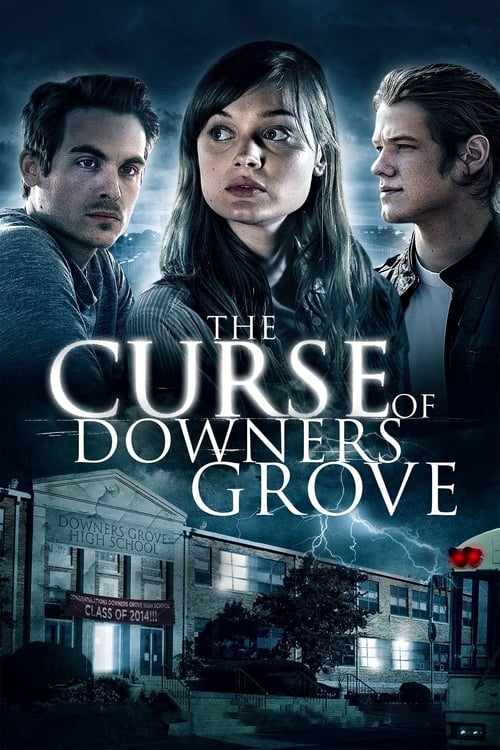
The Curse of Downers Grove
2015 · psychological horror
How The Curse of Downers Grove scares: The story starts slow, settling into everyday teen life and small-town gossip before the sense of dread creeps in bit by bit. Rather than jumping from scare to scare, it builds tension through whispers, suspicion, and a growing feeling that something is wrong with the town's yearly tradition. By the end it leans more into real human danger than anything supernatural, trading ghost-story chills for an uneasy, grounded kind of fear. It's a better fit for someone who likes slow-building teen thrillers with a dark edge than someone looking for jump scares or monsters.

Disquiet
2023 · psychological horror
How Disquiet scares: The story starts with a jolt of chaos and then settles into a slower, more disorienting rhythm as the main character tries to figure out where he is and what's really going on. Most of the tension comes from confusion and isolation rather than constant action, with the mystery of the setting doing a lot of the work. It leans more into unease and dread than gore or big scares, though it can get intense in bursts. This fits people who like puzzle-box horror with a moody, uncertain atmosphere rather than nonstop thrills.
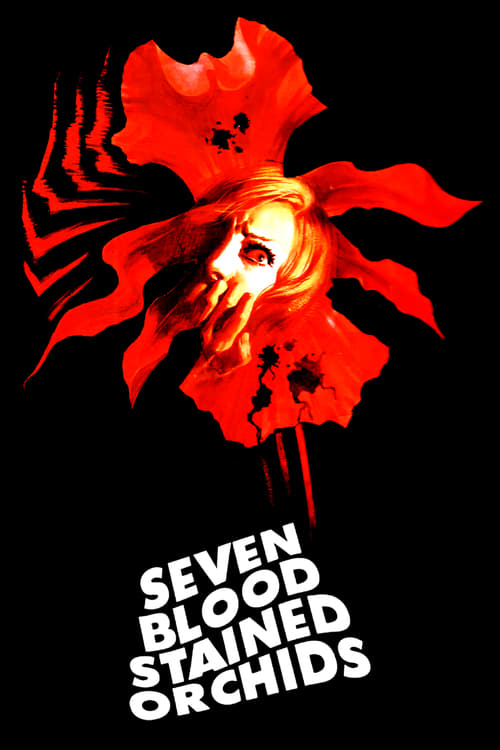
Seven Blood-Stained Orchids
1972 · giallo
How Seven Blood-Stained Orchids scares: Seven Blood-Stained Orchids plays like a stylish Italian murder mystery more than a true horror film, with long stretches of detective-style intrigue punctuated by sudden, brutal attacks. The scares come from stalking and surprise violence rather than creeping dread, and the whole thing has a glossy, pulpy feel instead of a heavy or upsetting one. It's the kind of movie for fans of old-school mystery thrillers who like a body count and a killer's identity to guess at, not for anyone looking for real psychological terror.

Murders in the Rue Morgue
1932 · gothic
How Murders in the Rue Morgue scares: Murders in the Rue Morgue leans on old-fashioned gothic atmosphere rather than any real scares by today's standards, with shadowy sets, moody lighting, and a mad-scientist plot that feels more like a strange carnival sideshow than a horror movie built to frighten. The pace is slow and talky, built around mystery and reveal rather than dread or chases, with occasional bursts of melodrama standing in for tension. There's some mild grotesque imagery around captivity and experiments, but nothing graphic is shown. It plays best as a curiosity piece for fans of early horror history rather than something meant to unsettle a modern viewer.
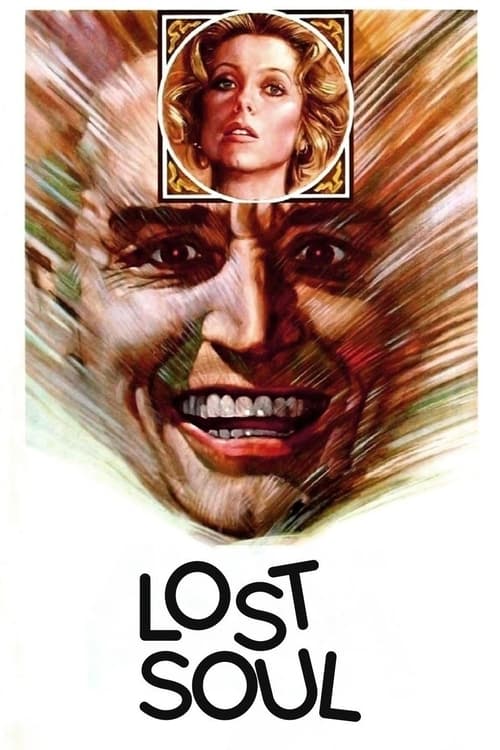
Lost Soul
1977 · gothic
How Lost Soul scares: It opens like a quiet family drama before slowly tilting into something stranger, with the mystery unfolding through small unsettling details rather than big scares. The fear here comes from unease and suggestion a decaying old house, odd behavior, and the sense that something is being hidden, not from gore or chases. It's more moody and strange than frightening in a traditional sense, built for viewers who like slow, atmospheric mysteries over jolts and blood. Patience is rewarded more than nerves are tested.
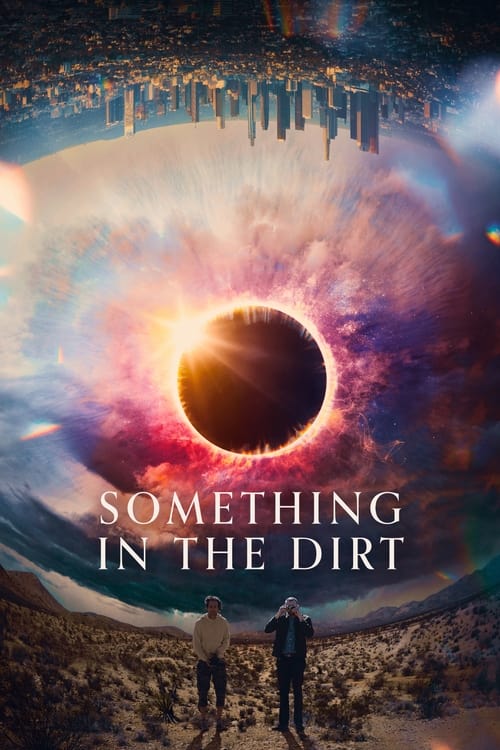
Something in the Dirt
2022 · psychological horror
How Something in the Dirt scares: Something in the Dirt spends most of its time in conversation and conspiracy talk rather than in scares, following two guys who spiral into obsession after noticing strange things in their apartment. It feels more like a paranoid mystery than a horror movie, with a slow, talky build and a sense that reality is quietly coming apart at the edges. There's almost no gore and no jump scares, but there's a creeping unease about what's real and what these two are convincing themselves of. It's best for people who like slow, brainy, ambiguous weirdness over frights, and who don't mind a movie that raises more questions than it answers.
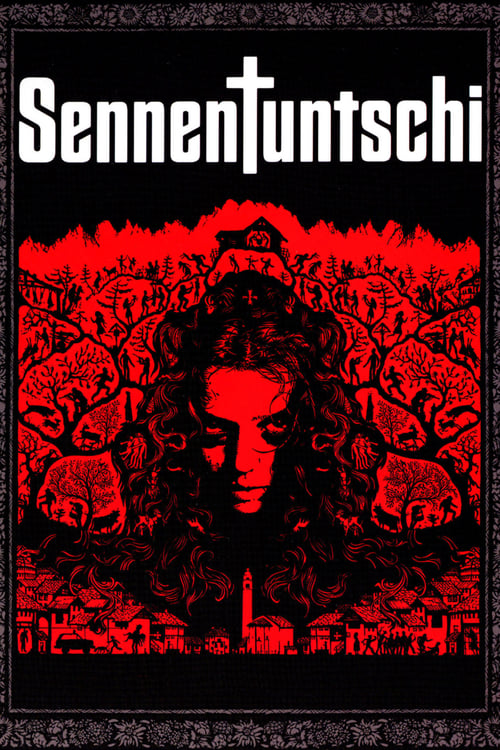
Sennentuntschi: Curse of the Alps
2010 · folk horror
How Sennentuntschi: Curse of the Alps scares: You'll feel a slow, heavy dread settle in early and never really lift, more like watching a grim secret unravel than being scared in quick bursts. The pace is deliberate, built around a mystery that peels back layer after layer of village hypocrisy and cruelty, so patience is rewarded with unease rather than jolts. It leans into themes of abuse, religious guilt, and folklore that stay ambiguous almost to the end, making you unsure if something supernatural is really at play or if human cruelty is monster enough. This is a heavy, upsetting watch best suited for people who want disturbing folk horror with real emotional weight, not a fun scare.
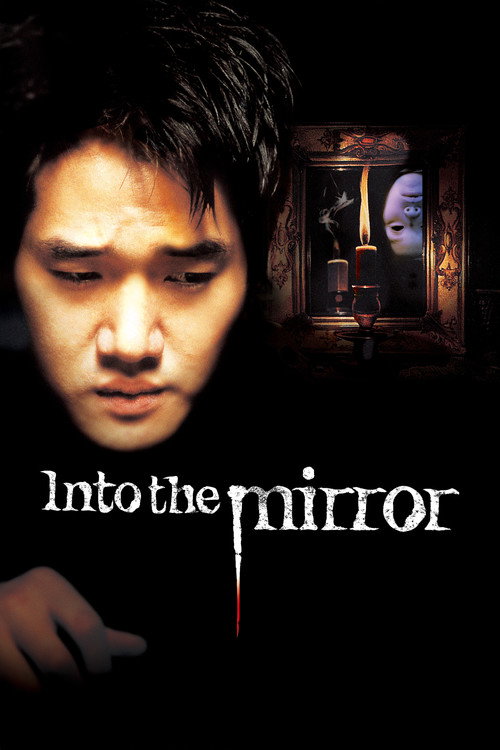
Into the Mirror
2003 · ghost story
How Into the Mirror scares: It opens like a police procedural, with a guilt-ridden ex-cop settling into a quiet security job, and only slowly lets the strangeness creep in as odd deaths pile up around the building. The middle stretch is patient, almost mystery-movie in feel, before the mirror imagery takes over and the dread turns more unsettling and personal. It's less about sudden shocks and more about a slow, uneasy feeling that something in the reflections isn't right. Good for viewers who like their horror wrapped in a real mystery rather than pure scares.

Shallow Ground
2005 · psychological horror
How Shallow Ground scares: Shallow Ground leans into a moody, guilt-soaked small-town atmosphere rather than quick shocks, letting dread build through unease and confusion instead of loud jolts. The mystery around the strange bloody figure keeps things ambiguous for most of the runtime, mixing quiet psychological unease with occasional bursts of disturbing imagery. It plays more like a somber, unsettling character piece than a rollercoaster horror ride, so it suits viewers who like their scares slow and atmospheric rather than fast and adrenaline-driven.
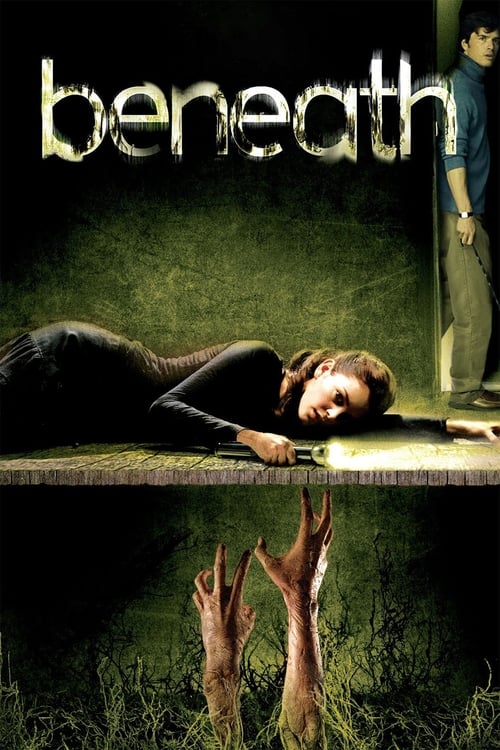
Beneath
2007 · psychological horror
How Beneath scares: There's a heavy, uneasy feeling running through this one, built more on guilt and dread than on scares jumping out at you. The pace is slow and moody, following a woman whose past keeps bleeding into her present through unsettling visions, and the movie keeps you guessing whether what she's seeing is real or in her head. It leans on quiet small-town unease and personal shame rather than blood or chases, so it's a low-key, mind-focused watch rather than a thrill ride. Good for someone who likes mysteries with a psychological, guilt-soaked edge rather than big scares.

The Bat
1959 · old dark house
How The Bat scares: You get a cozy, puzzle-box kind of unease rather than real fear, with a spooky house, a mysterious masked prowler, and a lot of talky detective work in between. The scares are mild and old-fashioned, more about atmosphere and shadowy hallways than shocks or blood. It leans much more mystery than horror, built for people who like a clever whodunit with a creepy costume thrown in rather than anyone looking for real dread. Great for a relaxed, low-stakes night rather than anything that will actually rattle you.

Hex
2022 · supernatural
How Hex scares: Hex mixes an extreme-sports setting with a creeping sense that something is very wrong, building unease around a group of friends who can't quite explain what happened on a jump. The mood leans more mysterious than gory, with strange, unexplained events chipping away at the characters' grip on reality rather than constant blood and violence. It's the kind of horror that plays on confusion and dread more than jump scares, though there are bursts of physical danger tied to the skydiving backdrop. Good for viewers who like their horror wrapped in a puzzle rather than pure shock.
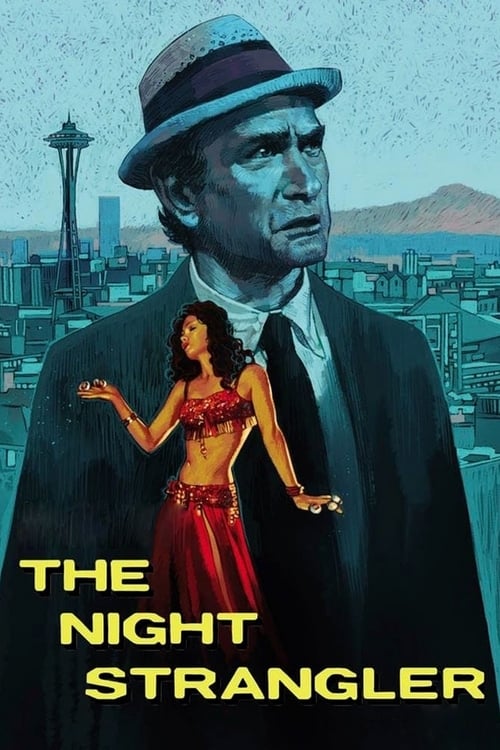
The Night Strangler
1973 · serial killer
How The Night Strangler scares: Watching this feels like tagging along with a wisecracking reporter chasing a weird case through foggy old streets rather than being put through a scary ordeal. The pace is easygoing and talky, built more on curiosity and old-fashioned mystery-solving than on tension or shocks. Any blood or violence stays brief and low-key, and the tone stays more adventurous and pulpy than frightening. It's a good pick if you want a fun, retro monster-hunt vibe rather than something that will actually unsettle you.
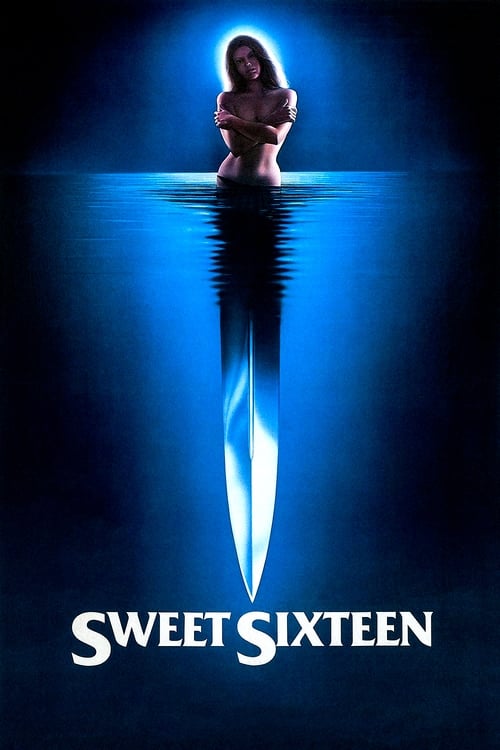
Sweet Sixteen
1982 · slasher
How Sweet Sixteen scares: Sweet Sixteen plays more like a small-town murder mystery with slasher elements than an all-out fright fest. The pace is slow and talky, spending most of its time on teen drama and whodunit suspicion before cutting to a sudden, bloody kill. There are no supernatural threats here, just a human killer and small-town secrets, so the scares lean on unease and suspicion rather than constant dread or chases. It's a product of its era, good for fans of early 80s slasher mysteries rather than anyone looking for a truly intense or disturbing watch.
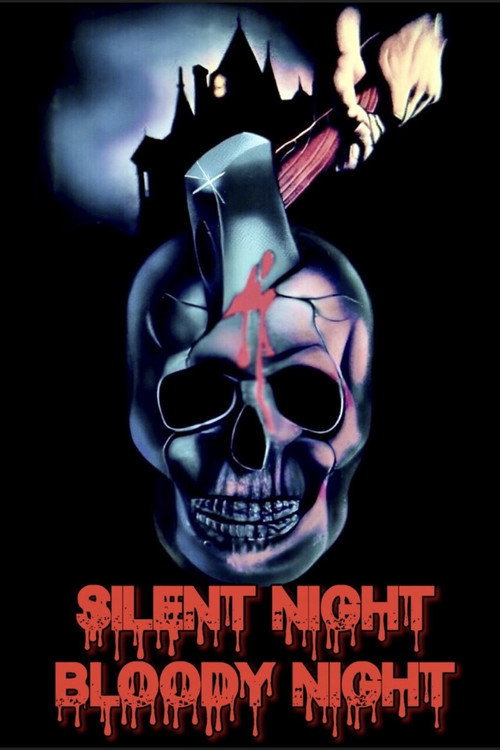
Night of the Dark Full Moon
1972 · proto-slasher
How Night of the Dark Full Moon scares: There's a slow, murky unease to this one, more like wandering through a fog of half-answers than being chased or startled. It moves at a crawl, spending most of its time on small-town secrets and old grudges instead of scares, so patience is required. The violence, when it comes, is sudden and grim rather than flashy or bloody. This is one for fans of obscure, rough-edged early horror who like piecing together a mystery more than jumping in their seat.
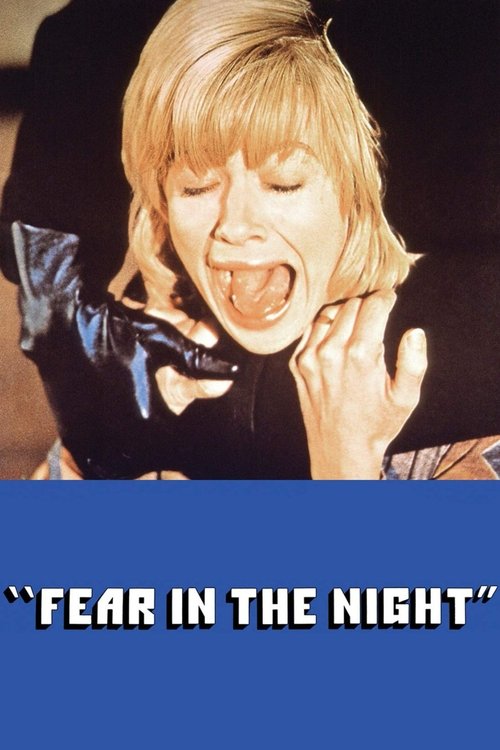
Fear in the Night
1972 · psychological horror
How Fear in the Night scares: Fear in the Night builds its dread slowly, through quiet unease and the nagging question of whether its main character can trust her own mind. There's barely any blood here and no monsters jumping out of closets; the scares come from isolation, gaslighting, and the creeping sense that the people around her might not have her best interests at heart. It plays more like a tense mystery than an all-out horror film, with a classic British chiller feel from the era. Good for viewers who like slow, paranoid stories over shocks and gore.
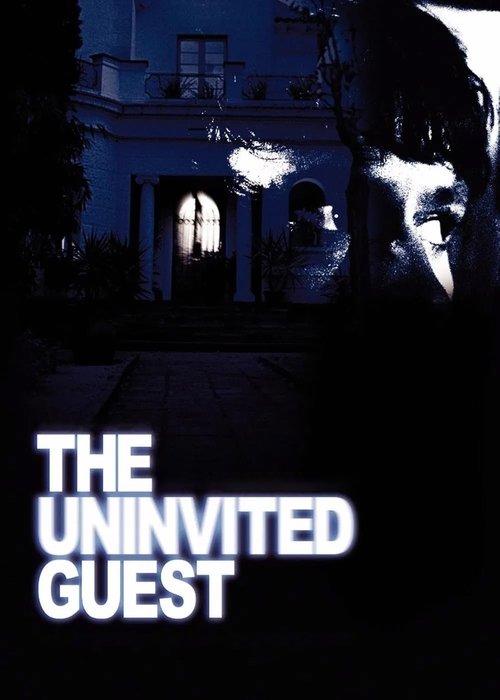
The Uninvited Guest
2005 · psychological horror
How The Uninvited Guest scares: It starts as a quiet character study of a lonely man in a big empty house, then slowly tightens into something much stranger and more unsettling as his sense of being watched grows. The pace is patient and deliberate, favoring long stretches of unease over sudden scares, with tension built through small details and mounting doubt rather than shocks. There's little violence or blood here; the fear comes from not knowing what's real and watching a mind slowly unravel. It's best for viewers who like a slow, moody mystery that lingers rather than a movie built to make you jump.
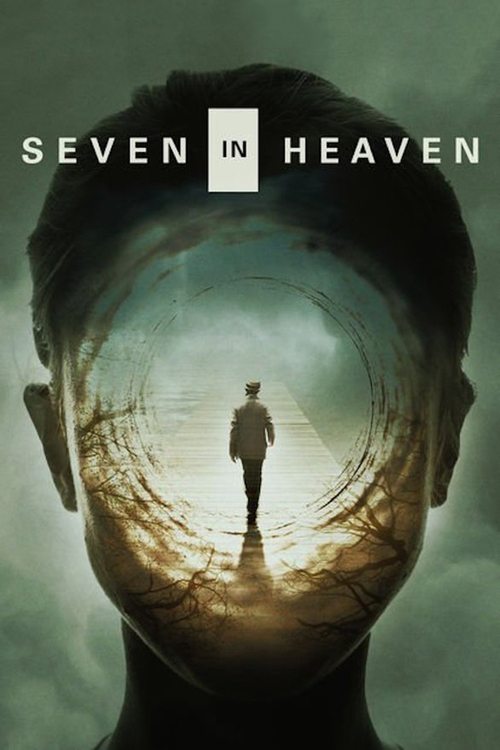
Seven in Heaven
2018 · psychological horror
How Seven in Heaven scares: There's a disorienting, dreamlike unease to watching this one, like you're never quite sure what's real and what isn't. The pace moves in a strange, uneven way, mixing teen drama with sudden shifts into something darker and more unsettling. It leans more on mystery and confusion than on gore or constant scares, so the fear creeps in slowly rather than jumping out at you. This fits best for viewers who like puzzle-like, moody horror rather than fast-paced thrills.

Jack's Back
1988 · serial killer
How Jack's Back scares: Jack's Back plays more like a moody murder mystery than a straight horror film, leaning on twisty plotting and a creepy killer-on-the-loose vibe rather than big scares. The pace is steady and talky, building suspicion and paranoia scene by scene instead of jolting you every few minutes. There's some tense stalking and a handful of bloody crime scenes, but the fear here is more uneasy and puzzle-like than gut-wrenching. It suits people who like a slow detective-style thriller with a horror edge more than fans of pure fright.

The Cat and the Canary
1927 · haunted house
How The Cat and the Canary scares: The Cat and the Canary is one of the original 'old dark house' movies, mixing spooky atmosphere with a lot of comedy and playful mystery rather than real scares. The mansion is full of shadowy hallways, secret passages, and creeping camera work that builds a fun, spooky mood more than actual dread. It leans on silent-era visual style, exaggerated expressions, and slow reveals instead of jolts or gore. This is a gentle, old-fashioned pick for people who like haunted house vibes with a wink and a laugh rather than genuine fright.
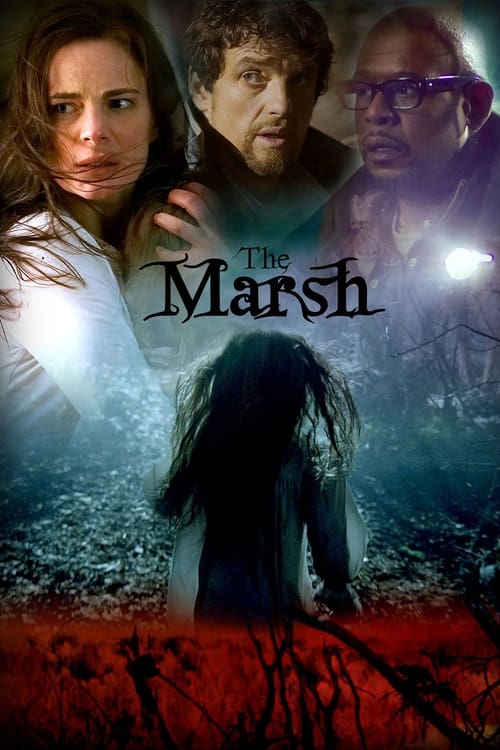
The Marsh
2006 · ghost story
How The Marsh scares: The story opens slow, following a writer's unsettling dreams before easing into a quiet small-town mystery, and it keeps that same deliberate pace as old secrets surface. Most of the scares come from mood and suggestion rather than jolts, with a sad, haunted feeling hanging over everything rather than outright terror. There's almost no blood or violence here; the fear is more about sorrow and unease than physical danger. It suits someone who likes gentle, atmospheric ghost stories more than big scares or gore.
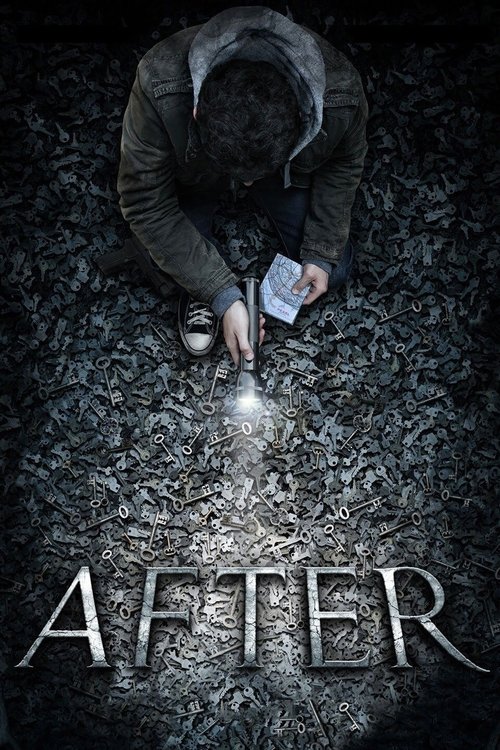
After
2012 · psychological horror
How After scares: There's a quiet, unsettled feeling running through this one, like something is wrong with the world but you can't quite name it. The pace is slow and puzzle-like, following two people trying to piece together why everyone around them has vanished, so it leans more on confusion and dread than on shocks or jolts. It plays out like a mystery wrapped in a bad dream, with the scares coming from isolation and not knowing what's real rather than anything jumping out at you. This is for viewers who like slow, thoughtful, atmosphere-driven horror over fast scares or blood.
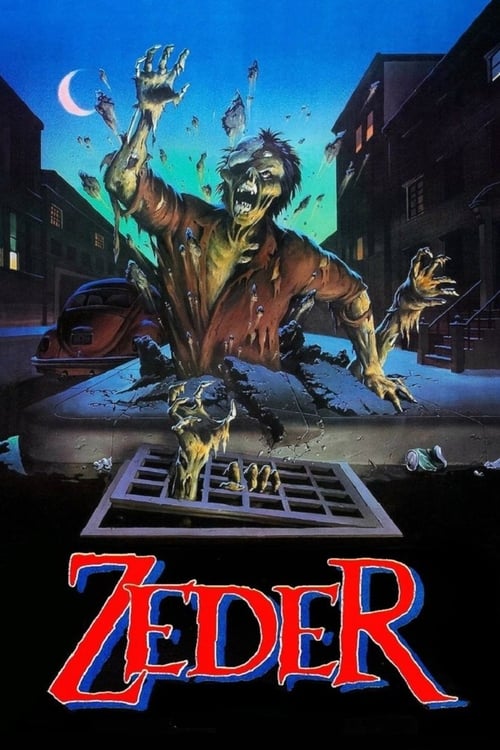
Revenge of the Dead
1983 · slow burn
How Revenge of the Dead scares: It starts like a quiet mystery, following a writer piecing together an old story from typewriter ribbon clues, and only slowly reveals its horror side as the investigation goes deeper. The pace stays patient and moody for most of the runtime, building dread through strange details and a growing sense that something is very wrong, rather than through shocks. There's an eerie, unsettling pull to it that lingers more than it startles, with the scares saved for a slower, creeping payoff. It's a good pick if you like horror that feels like solving a puzzle rather than being chased through one.
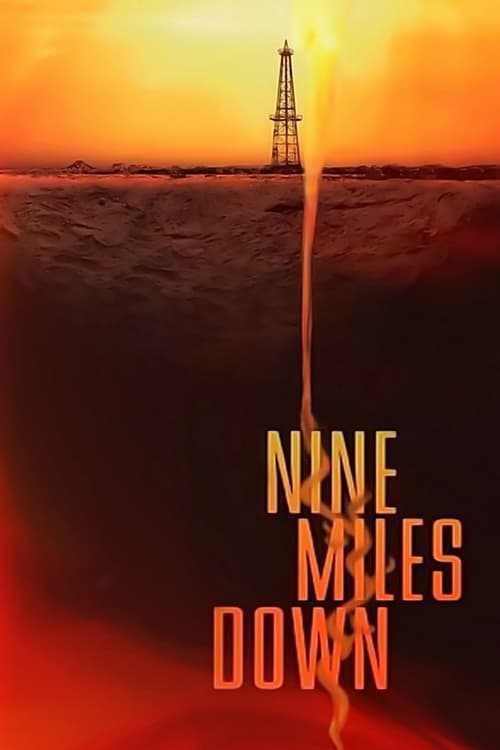
Nine Miles Down
2009 · psychological horror
How Nine Miles Down scares: There's a disorienting, sand-blasted unease to this one, like the heat and isolation are slowly cracking someone's grip on reality. The pace is slow and puzzle-like, built around one person piecing together what happened at an abandoned site rather than chasing quick scares. Confusion and dread build through hallucination and creeping paranoia more than any physical threat. It's a quiet, strange, mystery-driven kind of horror best suited for someone who likes slow unraveling over jolts.

I Bury the Living
1958 · psychological horror
How I Bury the Living scares: There's a creeping sense of paranoia that builds slowly rather than jumping out at you, with most of the fear coming from one man's growing dread that he might be causing deaths just by moving pins on a map. The movie leans hard into uncertainty and guilt rather than physical danger, so it feels more like a slow mental unraveling than a chase or attack. It's shot in stark black and white with a moody, old-fashioned style, and the tension comes from not knowing if something eerie is really happening or if the main character is just losing his mind. This one's a good fit if you like quieter, talkier horror from the 1950s that plays with your head instead of showing you anything graphic.
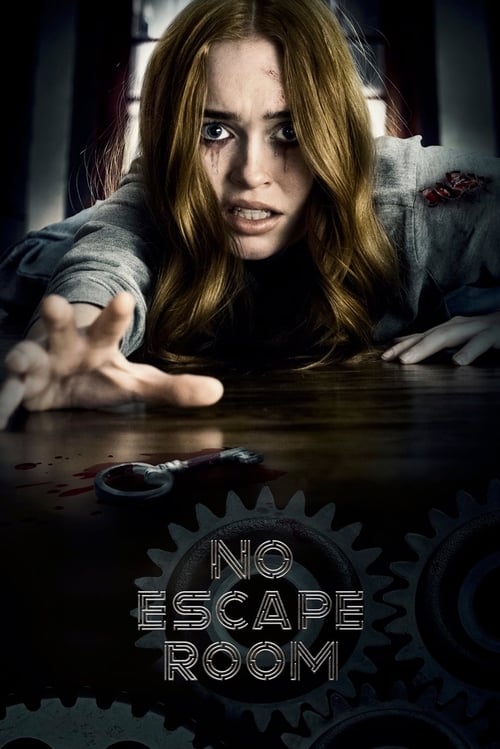
No Escape Room
2018 · haunted house
How No Escape Room scares: No Escape Room is a low-budget TV movie that leans on a puzzle-box setup, with a small cast trapped in a strange, shifting place and unease building room by room. The scares are mild and mostly come from mystery and mood rather than gore or brutal violence, with a few jolts mixed into the slower stretches. It plays more like a mild, twisty thriller with horror touches than a truly frightening film, so it works fine as background or casual viewing rather than something that will actually rattle you. Good for someone who wants a light, easy watch rather than real dread.
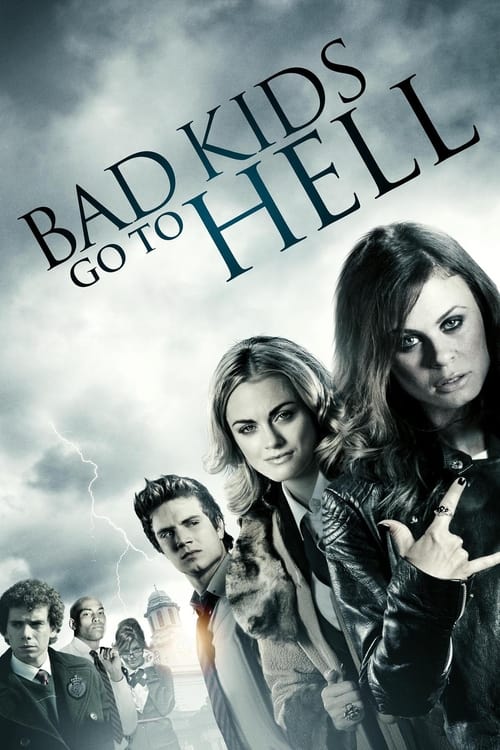
Bad Kids Go to Hell
2012 · dark comedy
How Bad Kids Go to Hell scares: It kicks off like a moody teen drama with a detention-day setup, then quickly turns into a twisty, tongue-in-cheek whodunit with over-the-top death scenes mixed in. The scares are more shock-and-laugh than genuinely creepy, playing out like a dark comic book brought to life rather than a movie meant to unsettle you. There's blood and a mystery about whether something supernatural is involved, but it's all delivered with a wink instead of real dread. Good for a fun group watch when you want gory, campy fun rather than something that'll actually scare you.
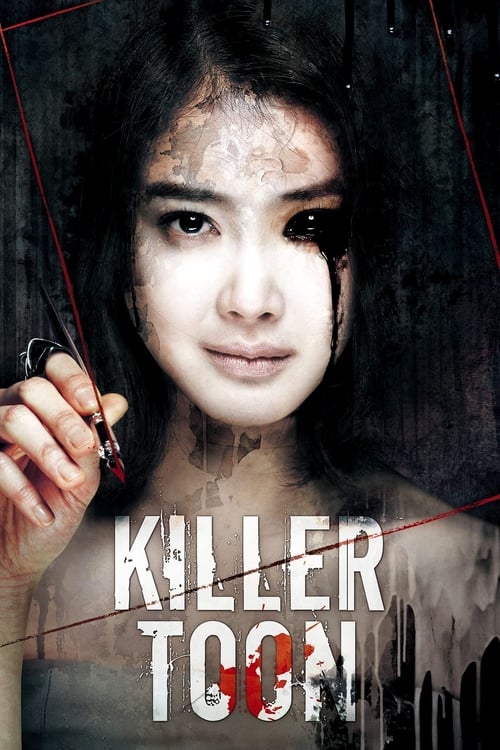
Killer Toon
2013 · psychological horror
How Killer Toon scares: Killer Toon mixes a murder mystery with supernatural horror, building tension through the eerie idea that drawings are predicting real deaths. The pace moves between quiet dread and sudden shocks, with a few gruesome kill scenes breaking up the investigation scenes. It leans more into an unsettling, creepy mood than nonstop scares, with a supernatural twist running underneath the crime plot. Good for fans of Korean horror-thrillers who like a moody mystery with a ghostly edge.
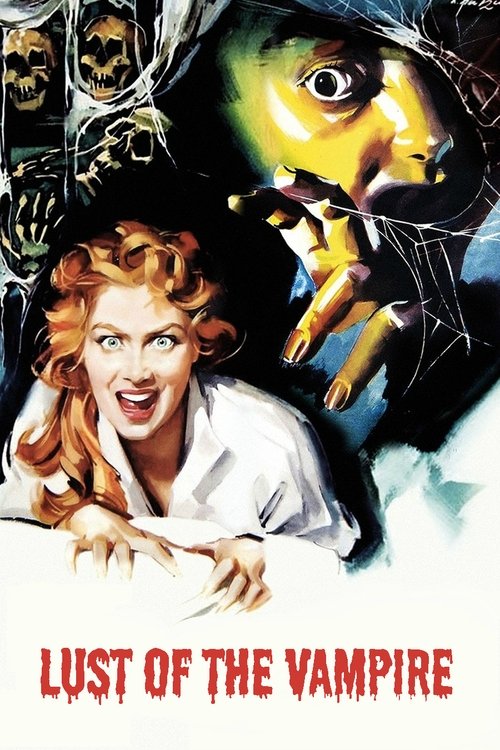
Lust of the Vampire
1957 · gothic
How Lust of the Vampire scares: Lust of the Vampire builds its fear slowly, through fog-drenched castles, shadowy corridors, and a growing sense that something is deeply wrong in this old European town. It plays more like a moody gothic mystery than a scare machine, with almost no jump scares and very little blood shown on screen. The dread here comes from atmosphere and implication rather than shocks, so it suits someone who likes old black-and-white horror with style and mood over fast thrills. Don't expect it to shake you for days afterward, but it's a solid pick if you enjoy classic, slow-paced gothic chillers.
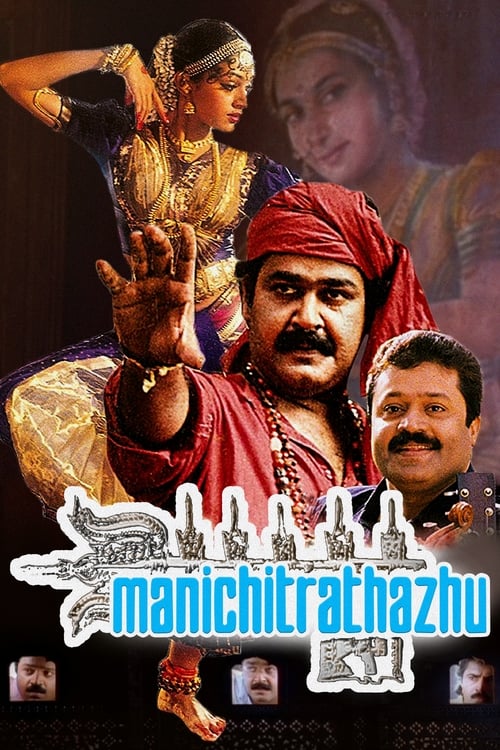
Manichitrathazhu
1993 · psychological horror
How Manichitrathazhu scares: Manichitrathazhu builds its fear slowly through legend, whispers, and an old mansion's reputation rather than through shocks or jolts. The mood leans more toward mystery and family drama, with comedy woven in to keep things light even when things turn eerie. Its scares come from suggestion and atmosphere, not blood or violence, and the emotional weight lands more on human drama than horror. It suits viewers who want an eerie, character-driven story with a puzzle at its heart rather than a movie meant to terrify.

Bhool Bhulaiyaa
2007 · haunted house
How Bhool Bhulaiyaa scares: Bhool Bhulaiyaa mixes spooky old-mansion atmosphere with broad comedy, songs, and a mystery you're meant to puzzle over rather than a horror you're meant to dread. The scares are mild and occasional, more about eerie hallways and jumpy moments than sustained tension, and the tone swings quickly between funny and creepy. It leans more on curiosity and cleverness than fear, so it never gets heavy or upsetting. Good for a family movie night or if you want a spooky story with laughs rather than something that will actually rattle you.
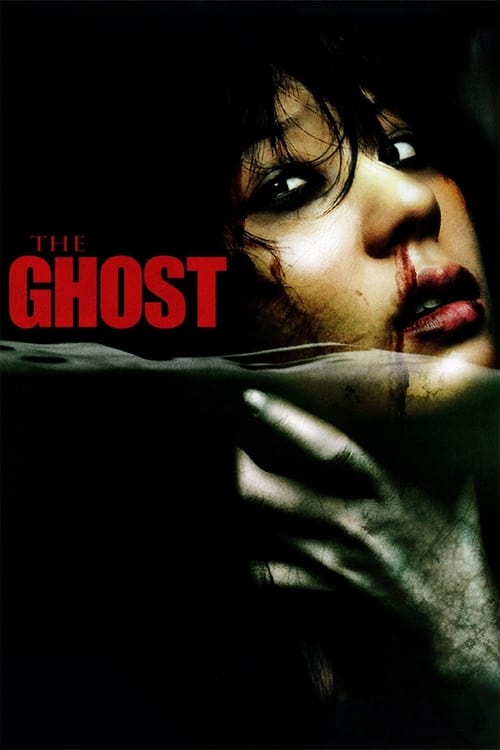
The Ghost
2004 · ghost story
How The Ghost scares: There's a heavy, uneasy feeling that builds slowly as the main character tries to piece together fractured memories, and the dread comes more from not knowing what happened than from sudden shocks. The pacing is deliberate, mixing quiet unsettling moments with flashes of something wrong lurking just out of frame. It leans on mood, water imagery, and a sense of guilt and grief rather than gore or constant scares. This one suits people who like moody Asian ghost stories with a sad, mysterious undertone more than those looking for a jump-scare ride.
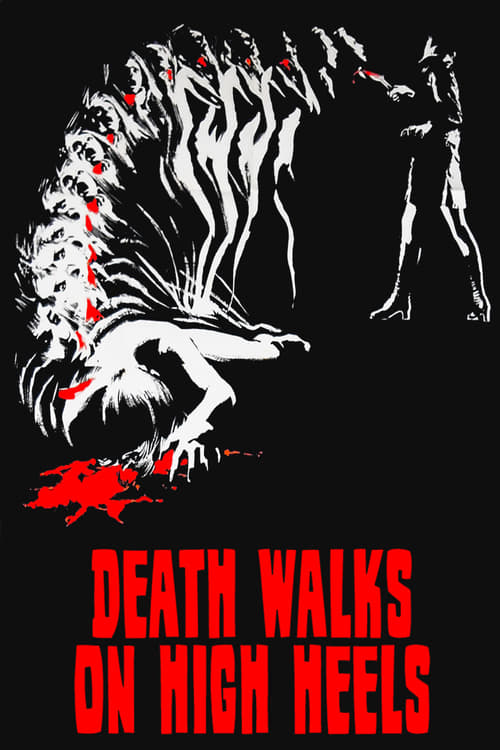
Death Walks on High Heels
1971 · giallo
How Death Walks on High Heels scares: It opens like a moody crime mystery, with a woman being stalked and threatened before it settles into a slow unraveling of who's really after her and why. The pace is deliberate, built more on suspicion, sharp style, and a sense of being watched than on sudden scares. Violence shows up in quick, sharp bursts rather than constant gore, and the fear comes from not knowing who to trust rather than monsters or ghosts. It's a good pick if you like stylish, twisty mysteries with a real sense of danger, not something meant to traumatize you.

Broadcast Signal Intrusion
2021 · analog horror
How Broadcast Signal Intrusion scares: Broadcast Signal Intrusion soaks in unease rather than jolting you, building a foggy, paranoid mood out of grainy VHS static and creepy old broadcasts. The pace is slow and deliberate, more mystery than chase, with dread that comes from not knowing what's real and a growing sense that the main character is losing his grip. There's almost no blood or violence on screen; the fear is all in your head, built from isolation, obsession, and things that don't add up. It's a good pick for people who like slow, unsettling puzzle-box horror over jump scares and gore.
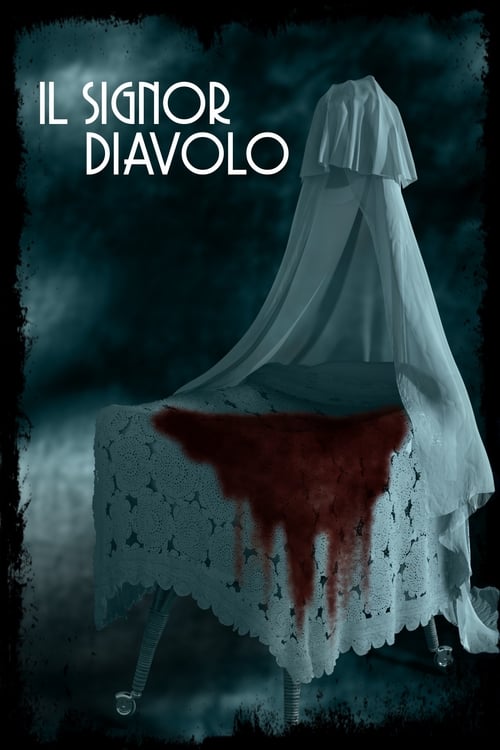
Mr. Devil
2019 · folk horror
How Mr. Devil scares: The story unfolds slowly, starting as a quiet investigation drama before easing into something stranger and more unsettling as it goes. It leans on mood and mystery rather than shocks, with a damp, old-fashioned rural Italy setting that feels heavy and off from the start. The fear here is more about unease and doubt than blood or chases, and the movie never rushes to explain itself. It's a good pick if you like slow, eerie mysteries that leave you thinking rather than movies built for screaming out loud.

Arctic Void
2022 · survival horror
How Arctic Void scares: The story opens with a strange, unexplained disappearance and then slows down into a long, isolated struggle for survival on the ice. Instead of jump scares, the fear builds through paranoia, cold, exhaustion, and the slow unraveling of the remaining men's minds. It leans more on dread and uncertainty than on gore or chases, with the question of what's really happening hanging over everything. This fits viewers who like quiet, tense isolation horror more than fast scares.

Savageland
2015 · found footage
How Savageland scares: Savageland unfolds like a true-crime documentary, told almost entirely through a series of still photographs found after a massacre. There's no jumping music or sudden shocks here; instead the dread builds slowly as investigators and witnesses piece together what the photos might mean. The horror is as much about suspicion, racism, and fear of the unknown as it is about the creatures glimpsed in the background of the pictures. It's a quiet, unsettling watch for people who like their horror presented as a mystery rather than a rollercoaster.
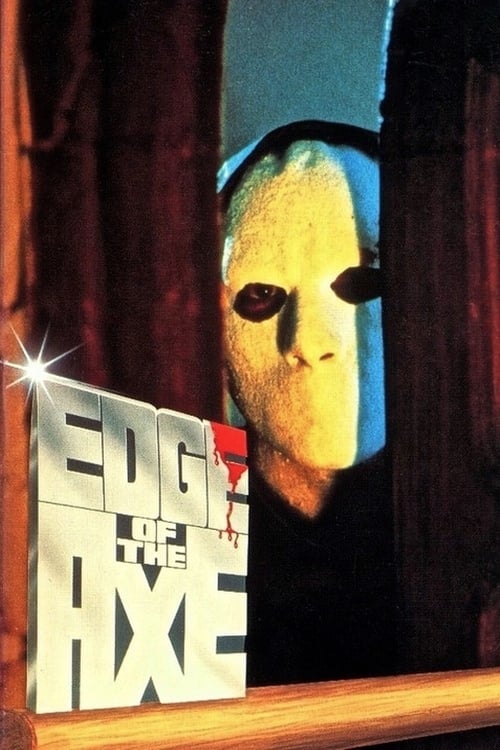
Edge of the Axe
1988 · slasher
How Edge of the Axe scares: You get a slow, moody small-town mystery more than a nonstop scare machine, with the killer's identity hanging over every scene. The pace is patient, spending a lot of time on the town's people and an odd early-computer subplot before circling back to sudden bursts of axe violence. It leans into gory kills when they happen, but in between it's more puzzle-solving and lurking dread than jump scares. This one is best for slasher fans who like a good whodunit vibe and don't mind a slower, cheesy 80s build-up.

Death Walks at Midnight
1972 · giallo
How Death Walks at Midnight scares: Death Walks at Midnight builds its fear through mystery and paranoia rather than constant scares, with a stylish, dreamlike haze hanging over everything thanks to its drug-trip opening. The danger comes from a very human killer in black gloves, stalking women in moody apartments and city streets, and the murders themselves are sudden and bloody when they happen. It's more about not knowing who to trust and feeling watched than deep psychological dread, with flashy visuals and fashion-world glamour keeping it feeling stylish rather than truly upsetting. Good for fans of retro mystery-thrillers who like a bit of style with their scares.

Footprints on the Moon
1975 · psychological horror
How Footprints on the Moon scares: Footprints on the Moon moves like a fever dream, drifting between memory, hallucination, and waking life until you're not sure which one you're watching. There are no jump scares and almost no violence; the fear comes from a quiet, growing confusion about identity and reality itself. It's slow and dreamlike, more hypnotic than frightening in a traditional sense, and it lingers less like a scare and more like a strange mood you can't quite shake. This is for patient viewers who like unsettling, arty mysteries over fast thrills.
Thr3e
2007 · serial killer
How Thr3e scares: It opens like a moody detective puzzle and slowly tightens into a race-against-time thriller, with the pressure building more through phone calls and riddles than through jolts. The fear here comes from guilt, dread, and not knowing who to trust, rather than from blood or chases. It stays fairly restrained on screen violence, leaning on tension and moral unease instead. This is a good pick if you like your scares cerebral and puzzle-driven rather than gory or relentless.

The Midnight After
2014 · slow burn
How The Midnight After scares: The Midnight After unfolds like a strange dream that never fully explains itself, letting unease build from mystery rather than scares. It moves slowly, spending most of its time on odd conversations and growing paranoia among strangers trapped together, rather than chasing you with shocks. The fear here is quiet and uncertain, more about not knowing what's real than about physical danger. It's a good pick if you like weird, thought-provoking horror that leaves you unsettled and thinking rather than screaming.
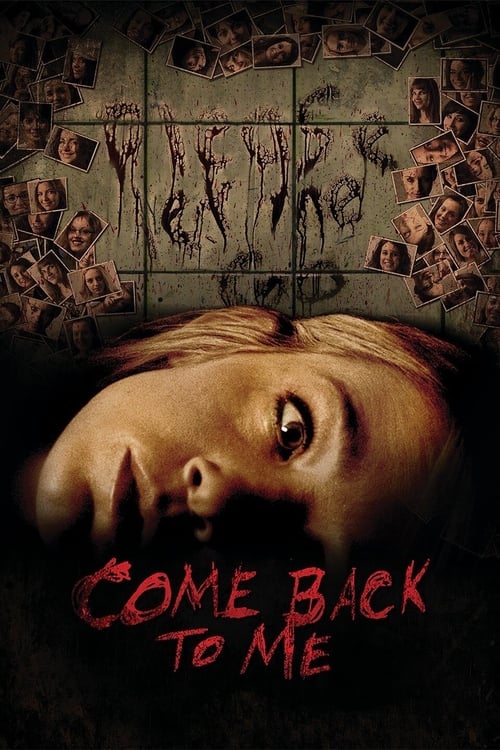
Come Back to Me
2014 · psychological horror
How Come Back to Me scares: There's a creeping unease running through this one, more mystery-thriller than outright horror for long stretches, with a sense that something is deeply wrong in an otherwise normal suburban life. The pace is slow and puzzle-like, built around paranoia, hidden surveillance, and the feeling of being watched or manipulated rather than jump scares. It leans on dread and confusion more than blood or physical attacks, though the ambiguity about what's real keeps things tense. This suits someone who wants a moody, secretive thriller with a horror twist rather than a fast, scary ride.