Neo-noir horror movies
The Horror Database (THDB) tracks 12 neo-noir movies. As a group they run moderately intense (average intensity 3.3/5), lean toward slow-burn dread, and average 2.3/5 on gore. Ranked by popularity; every profile describes how the movie scares, spoiler-free.
All Neo-noir horror movies on The Horror Database
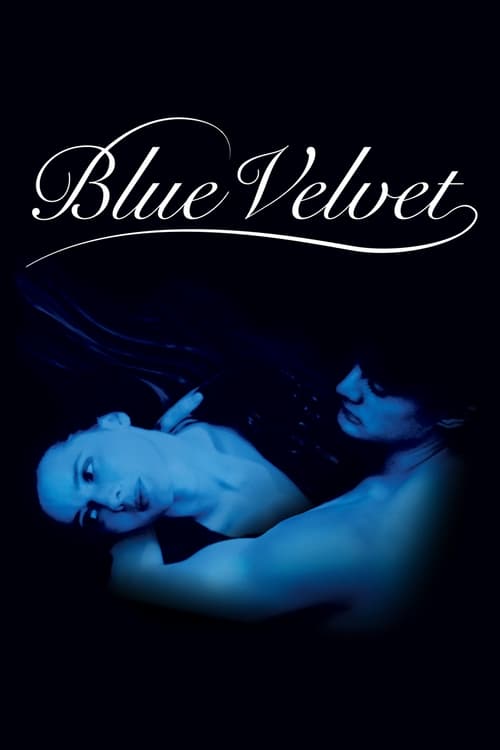
Blue Velvet
1986 · psychological horror
How Blue Velvet scares: Blue Velvet uses a dreamy small-town surface to lure you into something much darker and more twisted underneath. The fear here isn't ghosts or monsters, it's the feeling of watching normal life crack open to reveal cruelty, obsession, and abuse hiding in plain sight. It moves slowly and deliberately, more uncomfortable and strange than jumpy, with a creeping sense of dread that builds through unsettling scenes rather than sudden shocks. This is less a horror movie and more a deeply disturbing psychological experience for people who like their unease slow, weird, and hard to shake.

Cure
1997 · psychological horror
How Cure scares: There's a cold, quiet dread that never lets up, like something is wrong with the air in every room. The pace is slow and methodical, following a detective's investigation rather than building toward scares, but the mood gets under your skin and stays there. Nothing supernatural is ever confirmed; the horror comes from how easily ordinary minds can be taken over and turned against themselves. This is for people who want a movie that unsettles and haunts rather than one that makes them jump.
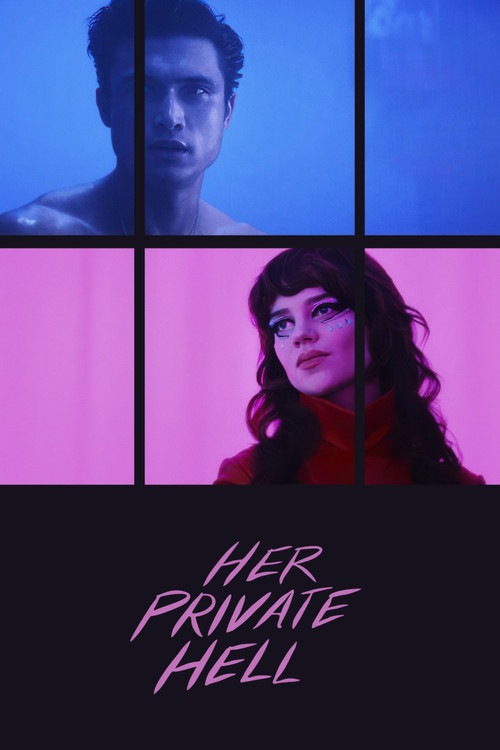
Her Private Hell
2026 · neo-noir
How Her Private Hell scares: It seems to open like a moody noir mystery before drifting into something stranger and more nightmarish, with a fog-covered city blurring the line between a missing-person hunt and a descent into something otherworldly. Given the director's style, expect long stretches of hypnotic, neon-soaked atmosphere over quick scares, with unease built through mood, color, and silence rather than jolts. The threat feels dreamlike and uncertain rather than a clear monster or killer, and any violence is likely stylized and unsettling rather than realistic. This looks like a pick for people who enjoy slow, surreal, art-house horror over fast thrills.
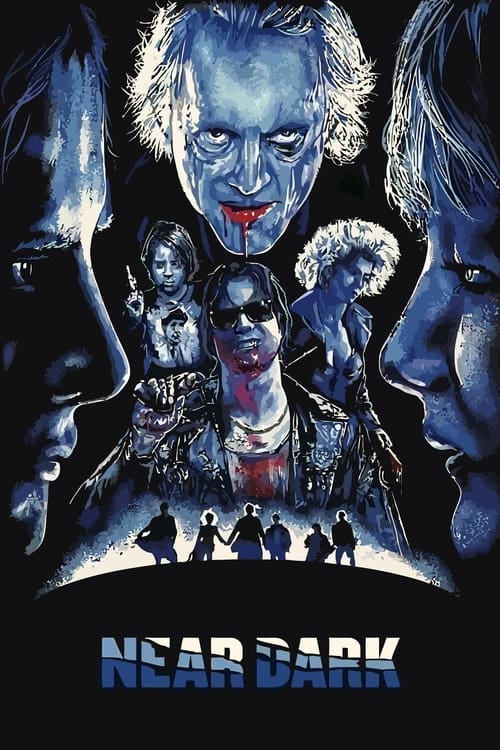
Near Dark
1987 · vampire
How Near Dark scares: It starts slow and moody, like a small-town romance, then shifts gears into a tense road trip full of danger once the main character falls in with a rough group of nomads. The pace stays loose and atmospheric rather than jumpy, building unease through mood, dusty night-time settings, and a real sense that violence could break out at any moment. There's blood and physical danger, but the fear comes more from the group's unpredictable menace than from gross-out shock. It plays like a horror movie crossed with a Western road story, moody and a little sad rather than purely terrifying.
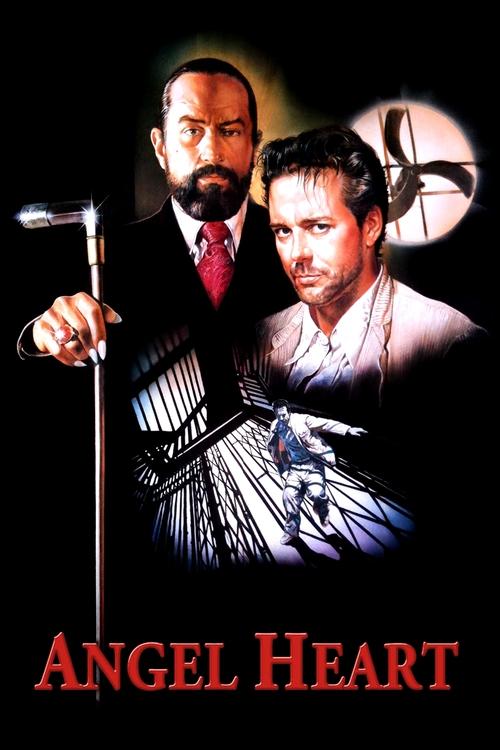
Angel Heart
1987 · neo-noir
How Angel Heart scares: There's a heavy, sweaty dread that builds the whole way through, like something is wrong just under the surface of every scene. The pace is slow and moody, following a detective case that keeps sinking deeper into strange, uneasy territory rather than jumping out at you. It mixes old-school detective mystery with occult horror, and the horror creeps in through unsettling visions and a growing sense of doom rather than shocks or scares. This is one for people who like their horror slow, sad, and disturbing rather than fun, and who don't mind a story that leaves them a little shaken after.
Scissors
1991 · psychological horror
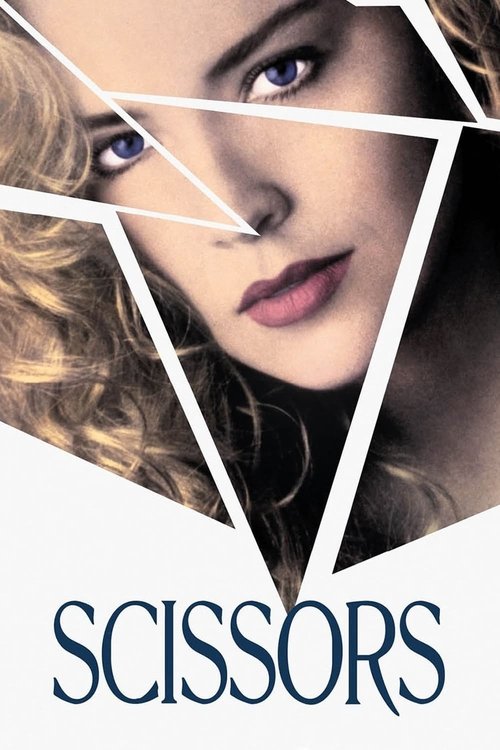
How Scissors scares: Scissors leans on claustrophobia and mind games rather than blood or monsters, trapping its main character (and the viewer) in one unsettling space for most of the runtime. The scares come from paranoia and uncertainty about what's real, not from jolts or chases, so it plays more like a slow psychological squeeze than a rollercoaster. There's a trashy, early-90s erotic-thriller edge to it, so it's campy in places even when it's trying to unsettle you. Good for someone who likes twisty, paranoid thrillers more than outright horror.

Dark Country
2009 · psychological horror
How Dark Country scares: It opens like a lean crime thriller, with a slow, tense build in an empty desert setting, before shifting into something stranger and more disorienting as it goes. The dread comes from isolation and not knowing who to trust, more than from sudden scares or gore. It plays with your sense of reality rather than throwing shocks at you, so it rewards patience more than jumpy nerves. This is a better fit for viewers who like moody, neo-noir style thrillers with a creeping unease than for those wanting a fast, scary ride.

WΔZ
2007 · torture
How WΔZ scares: It starts as a grim police procedural, following two detectives piecing together a string of mutilated bodies, then slowly tightens into something much darker and more personal. The pace is deliberate for long stretches, letting dread build through investigation, before dropping into sudden bursts of brutal, hands-on violence. The scares here come less from jolts and more from the horrible logic behind what's being done to people, and from watching victims forced into impossible choices. It's a bleak, grimy, city-at-night kind of horror movie, closer to a nasty crime thriller than a ghost story, made for people who like their horror rooted in real human cruelty rather than monsters.
I Remember You
2017 · ghost story
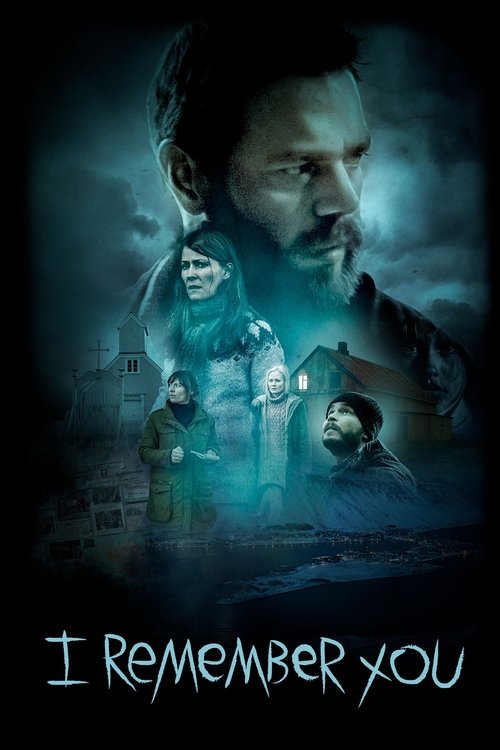
How I Remember You scares: It opens as two separate stories, a grieving family and a small crew fixing up a remote house, and spends a long stretch letting dread build quietly before the two threads tie together near the end. The pace is patient and cold, more about unease and grief than shocks, with the isolated, wind-battered Icelandic setting doing a lot of the work. There's very little blood, but the tone gets heavier and sadder as it goes, leaving more of a lump in your throat than a jolt. Good for people who like their ghost stories slow, sad, and quietly unsettling rather than loud.
The Leopard Man
1943 · atmospheric
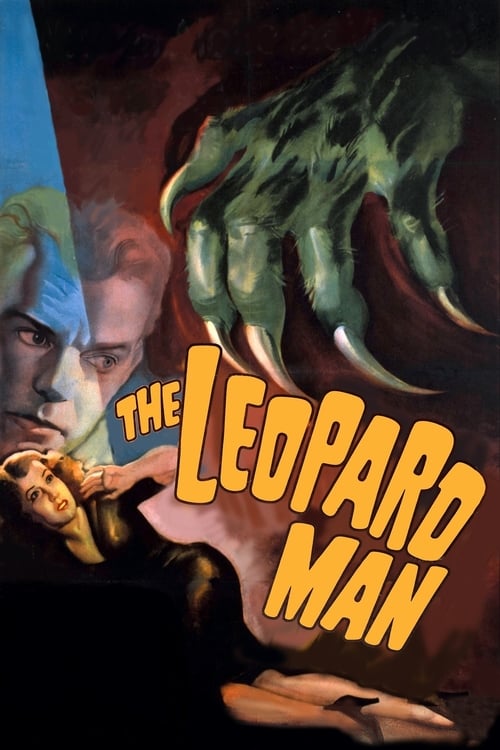
How The Leopard Man scares: The Leopard Man builds its fear through shadows, sound, and empty streets rather than anything jumping out at you. Most of the violence happens just out of frame, so your imagination does the scaring, not the camera. It has a quiet, dread-soaked mood that lingers in the space between scenes, more unsettling than shocking. Good for viewers who like their horror slow, moody, and suggestive rather than bloody or fast-paced.

Singapore Sling
1990 · torture
How Singapore Sling scares: Watching it feels claustrophobic and suffocating, like being locked in someone else's sick fantasy with no clear way out. It's shot in moody black and white and moves slowly, lingering on strange rituals and uncomfortable games instead of building toward scares or jumps. There's no monster or ghost here, just very human cruelty and obsession played out as both erotic and grotesque. This is for people who want art-house shock value and taboo-breaking weirdness, not a fun scare — it's more unsettling and gross than thrilling.
Manhunter
1986 · serial killer
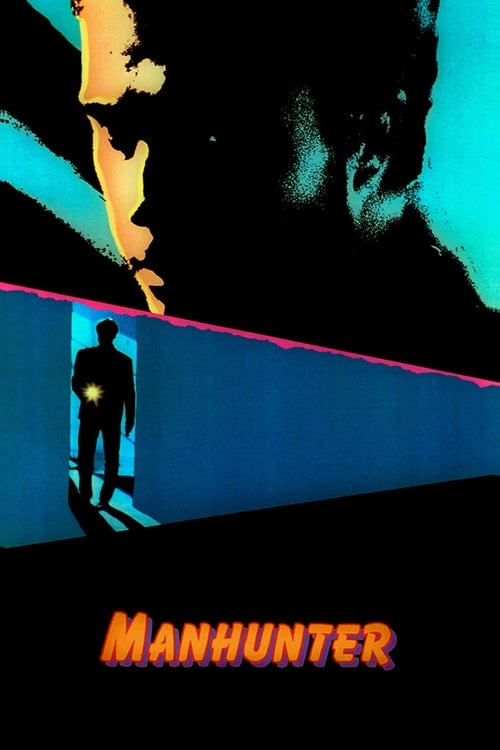
How Manhunter scares: Manhunter moves at a cool, deliberate pace, more like a detective drama than a typical horror movie, letting tension build through investigation rather than shocks. The fear here is quiet and mental: it comes from getting inside a killer's head and feeling how thin the line is between hunter and hunted. There's little blood or violence shown directly, and almost no jump scares, but the mood stays tense and a little sick to your stomach throughout. It's a good pick if you like slow, smart thrillers about obsession and profiling more than fright-night scares.