Paranoia horror movies
The Horror Database (THDB) tracks 9 paranoia movies. As a group they run moderately intense (average intensity 3.1/5), lean toward slow-burn dread, and average 1.4/5 on gore. Ranked by popularity; every profile describes how the movie scares, spoiler-free.
All Paranoia horror movies on The Horror Database
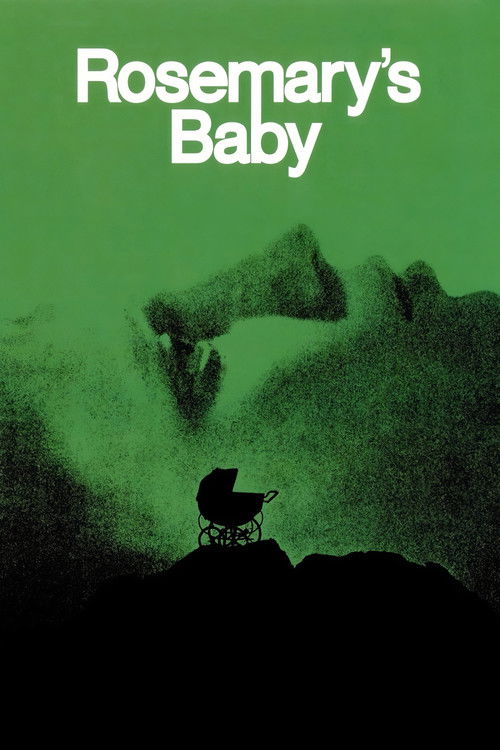
Rosemary's Baby
1968 · psychological horror
How Rosemary's Baby scares: It starts as a quiet, almost cozy drama about a couple settling into a new home, then slowly tightens over two hours until every friendly gesture from a neighbor feels like a threat. There are no jump scares here, just a mounting sense that something is wrong and that no one will believe you or help you. The fear is almost entirely in your head, built from isolation, distrust, and losing control over your own body and choices, rather than any physical attack. It's more unsettling than fun, the kind of movie that leaves you quietly rattled rather than pumped up, and it rewards patience over quick thrills.
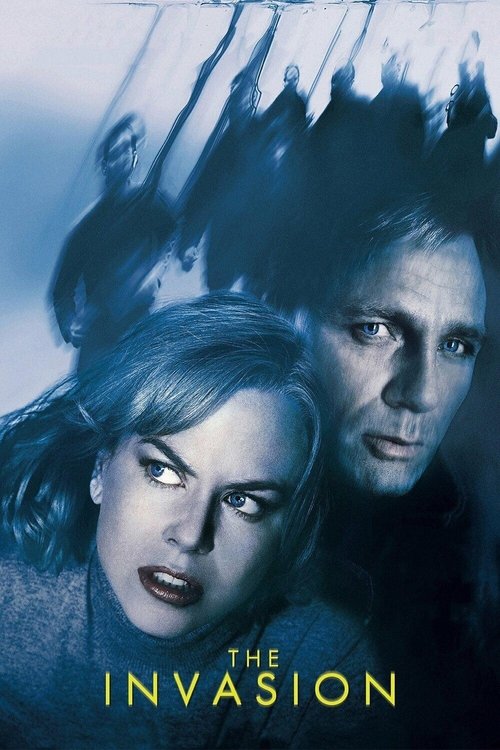
The Invasion
2007 · sci-fi horror
How The Invasion scares: The Invasion moves like a paranoid thriller more than a traditional horror movie, with quiet unease building through conversations, news reports, and people acting just slightly wrong. The fear here comes from not knowing who to trust and the dread of falling asleep, rather than from jump scares or gore. There are chase and escape scenes that get your heart pounding, but the bigger feeling is cold, creeping helplessness as the world quietly changes around the main character. It's a decent pick if you like slow-building dread and distrust more than shocks and blood.

MadS
2024 · paranoia
How MadS scares: Watching this feels like being trapped in someone else's bad trip, with no cuts and no breaks to catch your breath, since the whole thing plays out in what feels like one continuous take. The camera sticks close to different people as the night spirals, so the fear builds through confusion and rising panic rather than sudden jolts. It gets more chaotic and violent as it goes, mixing real physical danger with a woozy, disorienting sense that nothing can be trusted, including your own eyes. This is for viewers who like their horror unsettling and immersive rather than a series of jump scares.
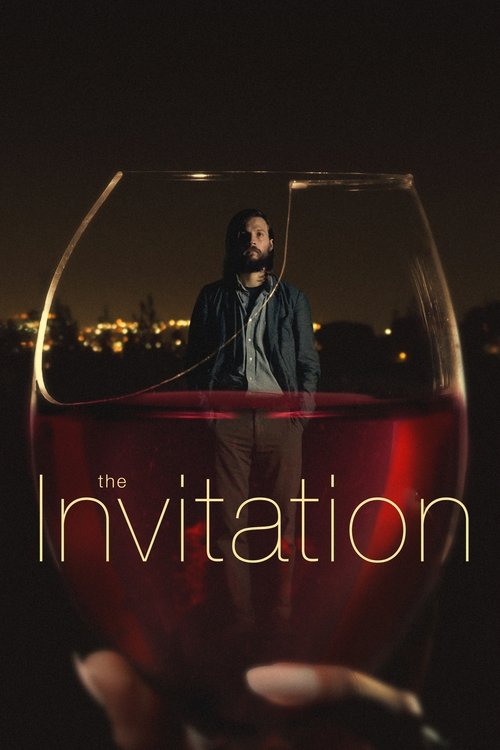
The Invitation
2016 · psychological horror
How The Invitation scares: A tightening knot in your stomach is the main feeling here, as a normal dinner party slowly starts to feel wrong in ways you can't quite point to. The pace is patient almost to a fault, letting awkward small talk and forced smiles build unease long before anything actually happens. There are no ghosts or monsters, just people, secrets, and the creeping sense that something is very off with the whole evening. It's more unsettling and tense than jumpy, and it rewards patience with a gut-punch ending rather than constant scares.
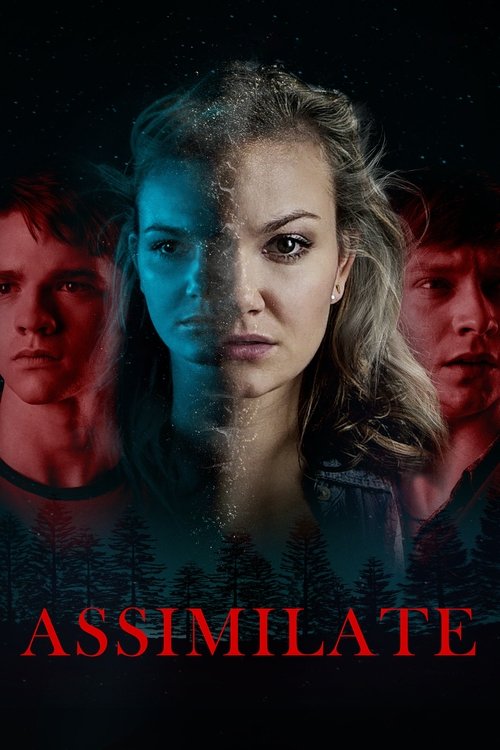
Assimilate
2019 · body horror
How Assimilate scares: There's a creeping unease about not being able to trust the people around you, mixed with some found-footage style jolts once things get physical. The threat here is alien-like creatures copying people, not ghosts or magic, so the fear leans more toward paranoia and body horror than anything supernatural. It plays like a low-budget riff on classic body-snatcher stories, more tense and occasionally gross than truly haunting. Good for a casual watch if you like paranoid sci-fi horror without needing it to stick with you afterward.
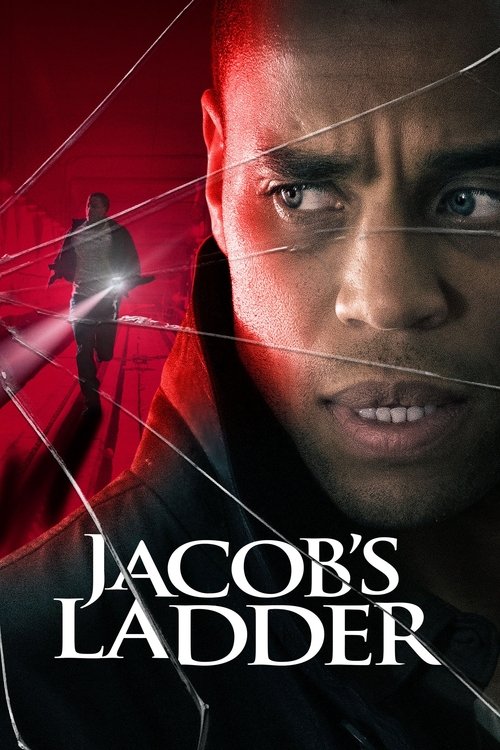
Jacob's Ladder
2019 · psychological horror
How Jacob's Ladder scares: Jacob's Ladder plays out as a hazy, disorienting puzzle rather than a straight scare machine, built around a soldier's shaky grip on what's real after coming home from war. The fear here is mostly mental: creeping paranoia, distorted memories, and a growing sense that the world around the main character can't be trusted. There's little blood or physical violence on screen, and almost no jump-scare style shocks, so it leans more toward unsettling confusion than outright horror. It's a decent watch if you like slow, moody head-trip stories, but it won't leave you shaken for days.
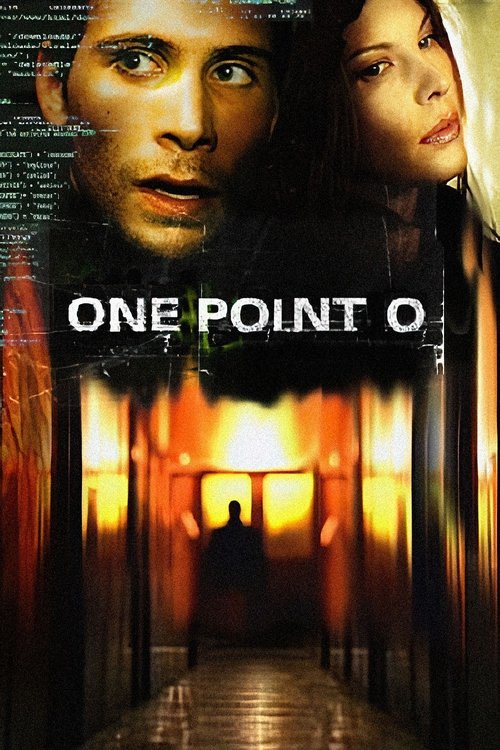
One Point O
2004 · psychological horror
How One Point O scares: It starts small and mundane, with one strange delivery, and slowly spirals into a much bigger, stranger conspiracy about who's really controlling the main character's life. The pace is deliberate and talky, more of a paranoid mystery than a scare machine, with dread building through isolation and confusion rather than shocks. There's almost no blood or violence here; the fear is all about losing control of your own mind and identity. It's a heady, unsettling watch better suited to people who like slow sci-fi head-trips than viewers looking for jumps or gore.
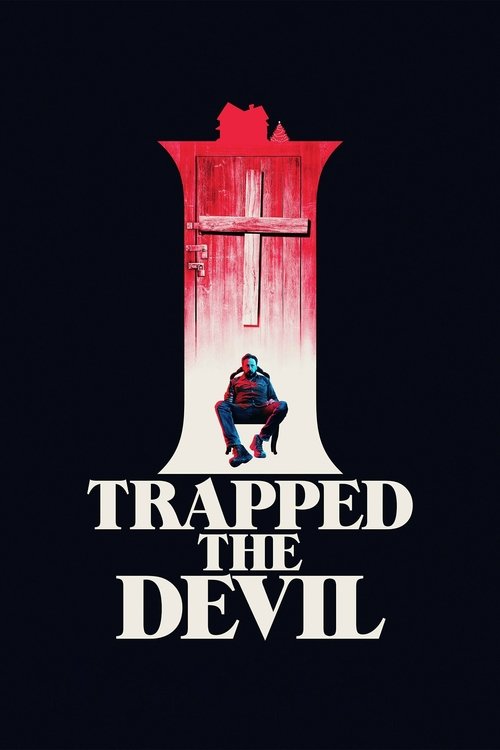
I Trapped the Devil
2019 · psychological horror
How I Trapped the Devil scares: There's a tight, suffocating feeling to this one, like being stuck in a small house with someone whose grip on reality is slipping. Almost the entire movie takes place in a few dim rooms, with a red glow bleeding under a locked door, and the tension comes from not knowing if the danger is real or all in one man's head. It moves slowly and quietly, more interested in unease and dread than in shocks or scares, and it never really lets you relax enough to catch your breath. This is one for people who like their horror slow, quiet, and unresolved rather than loud or bloody.
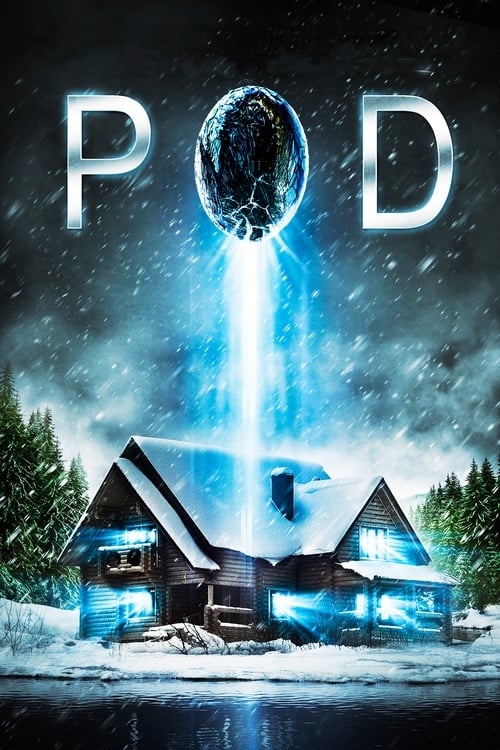
Pod
2015 · psychological horror
How Pod scares: There's a tight, claustrophobic unease to this one, like being trapped in a small house with people whose grip on reality feels shakier by the minute. Most of the runtime is quiet tension and mounting paranoia rather than scares you can point to, with the camera lingering on nervous faces and tense silences. It stays ambiguous for a long stretch about whether the danger is real or all in someone's head, which is part of what makes it unsettling. This is for people who like slow, uncomfortable family-drama horror over anything fast or flashy.