Period horror movies
The Horror Database (THDB) tracks 31 period horror movies. As a group they run moderately intense (average intensity 2.9/5), lean toward slow-burn dread, and average 2.2/5 on gore. Ranked by popularity; every profile describes how the movie scares, spoiler-free.
All Period horror movies on The Horror Database
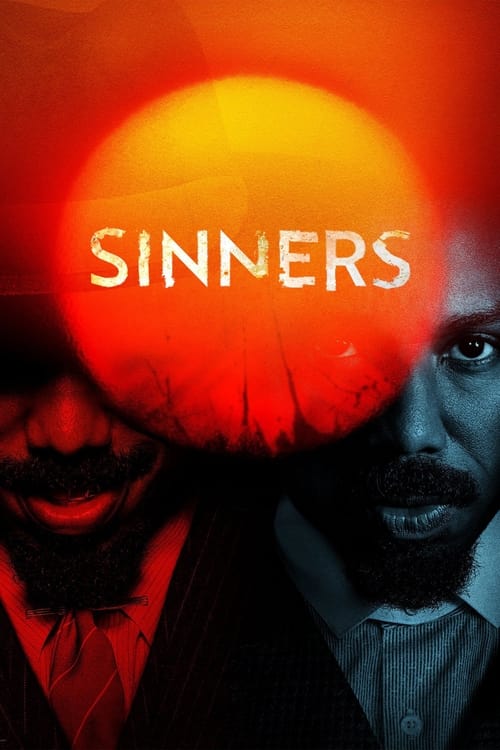
Sinners
2025 · vampire
How Sinners scares: There's a heavy, simmering tension running under the whole thing, like trouble is coming even before anyone says the word vampire out loud. The first stretch plays like a period drama soaked in music and old grudges, then the danger turns sharp and physical once the blood-suckers show up in force. It mixes real dread about history and violence with flashes of stylish, almost thrilling action, so it never sits in one mood for long. Good for people who want horror wrapped inside a bigger story, not a straight scare-machine.
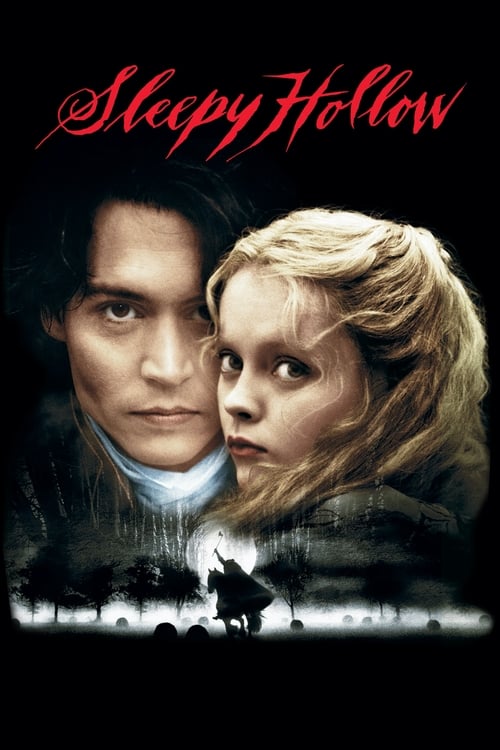
Sleepy Hollow
1999 · gothic
How Sleepy Hollow scares: Sleepy Hollow leans into gothic style more than real dread, with foggy forests, candlelit interiors, and a lot of visual flair from Tim Burton. It mixes a murder-mystery structure with sudden bursts of violence, so the horseman's attacks land as quick, bloody shocks rather than sustained scares. There's decent gore in the beheadings, but the tone stays more adventurous and romantic than genuinely upsetting. It works well for people who like moody, old-fashioned horror with a fairy-tale feel rather than something that will haunt them.
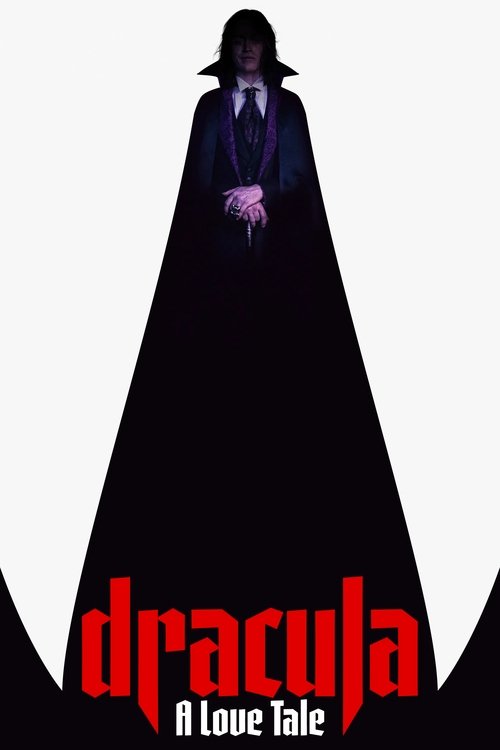
Dracula
2025 · gothic romance
How Dracula scares: Dracula leans more toward sweeping gothic romance than pure horror, with lush visuals, doomed love, and tragedy driving the mood more than scares. The vampire elements bring some blood and violence, but the tone stays melodramatic and operatic rather than tense or dreadful. There are a few brutal, bloody moments, but they're framed as part of a grand love story rather than as horror set pieces. This is a good pick if you want gothic atmosphere and heartbreak more than actual fright.
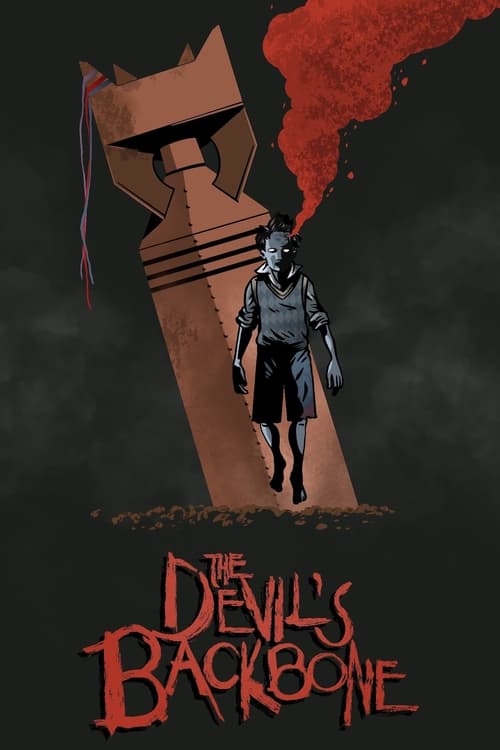
The Devil's Backbone
2001 · ghost story
How The Devil's Backbone scares: There's a heavy sadness hanging over every scene, more mournful than jumpy, like walking through a house where something terrible already happened. The ghost story unfolds slowly, with long stretches of quiet tension and unease rather than shocks, though a few images will stick with you. Real-world cruelty from the living adults is just as frightening as anything supernatural, and the horror is tangled up with grief and history. This is for people who want a sad, beautiful, slow ghost story rather than a scare-machine.
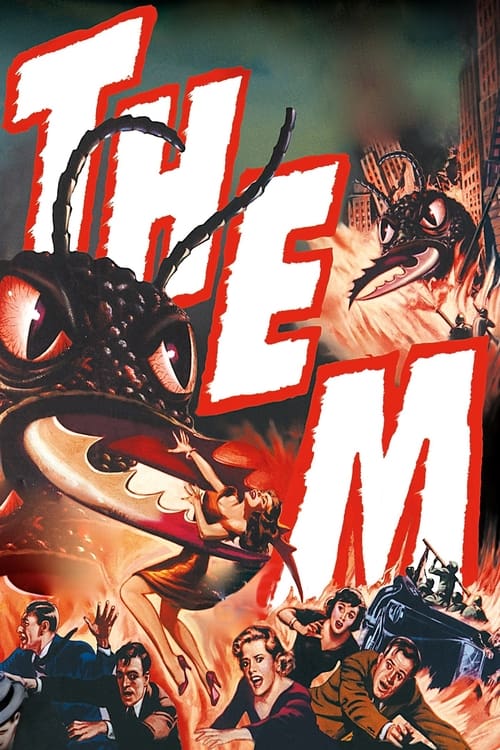
Them!
1954 · creature feature
How Them! scares: Them! builds slowly like an old detective story, with investigators piecing together clues before the real threat is ever fully shown. Once the giant ants appear, the fear comes from tense stand-offs and action-style peril rather than blood or shock scares. It plays more like a tense adventure than a nightmare, with 1950s creature-feature charm instead of real dread. Good for viewers who like classic monster movies and don't need gore or heavy scares to enjoy the ride.
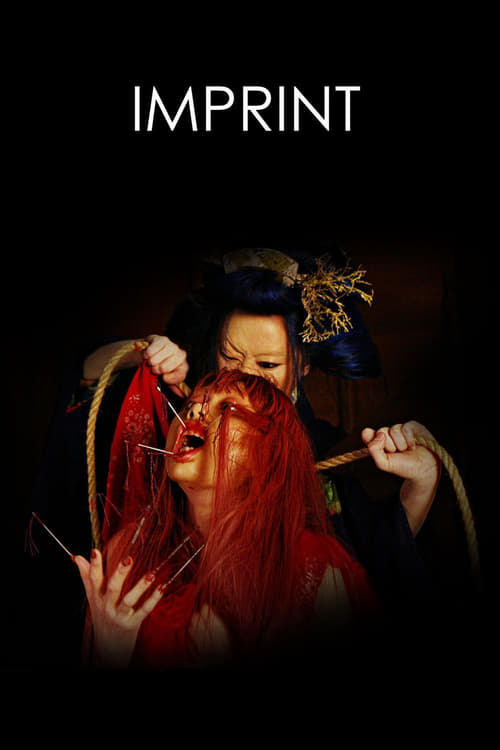
Imprint
2006 · torture
How Imprint scares: Watching it feels like being trapped in a bad dream that keeps getting worse and never lets you look away. The pace is slow and hypnotic at first, pulling you into a strange, old Japan setting, before it turns into long, unbearable scenes of cruelty and pain. The fear here isn't jumpy or fun, it's heavy and sad, mixing real human cruelty with hints of ghosts and curses that are never fully explained. This is for people who want to be truly disturbed, not entertained, and who can handle very graphic torture and body horror without looking away.
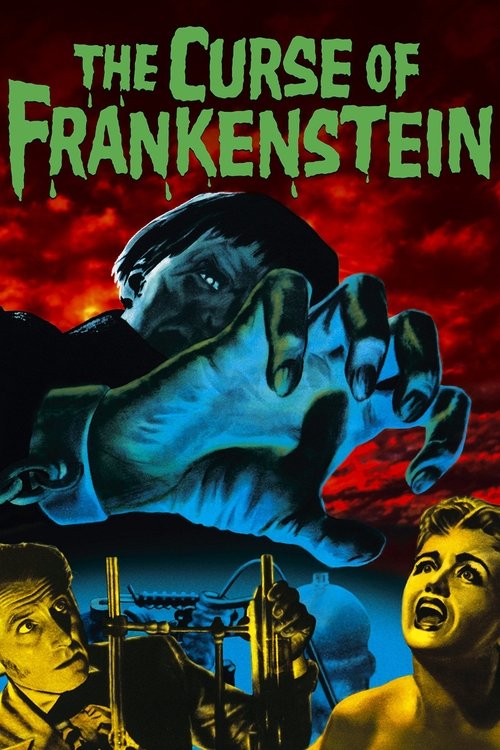
The Curse of Frankenstein
1957 · gothic
How The Curse of Frankenstein scares: Told mostly as a slow-moving flashback, it spends most of its runtime on obsession and ambition before easing into its horror payoff near the end. The pace is deliberate and talky, more like a costume drama with dread simmering underneath than a movie chasing scares. Its horror comes from watching a brilliant man's pride curdle into something monstrous, with the creature itself used sparingly rather than constantly on screen. It's a classic gothic mood piece more than a frightener, good for fans of old-school atmosphere over jolts.
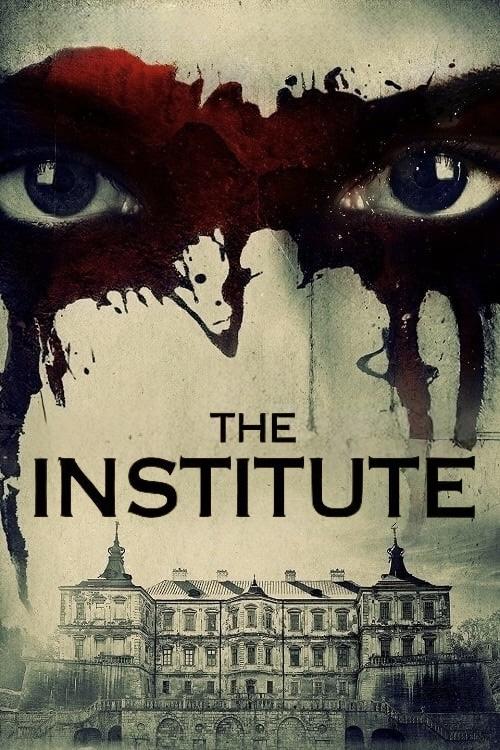
The Institute
2017 · psychological horror
How The Institute scares: It starts as a quiet period drama about grief before slipping into something colder and more oppressive, as the setting reveals itself to be a place of control rather than healing. The dread builds slowly through unsettling procedures and a sense of being trapped, rather than through jolts or sudden scares. There's a heavy, claustrophobic mood throughout, more unnerving than gory, with the fear coming from powerlessness and manipulation rather than physical attacks. It's a fit for viewers who like slow-moving period horror with a psychological edge rather than fast scares or slasher-style violence.
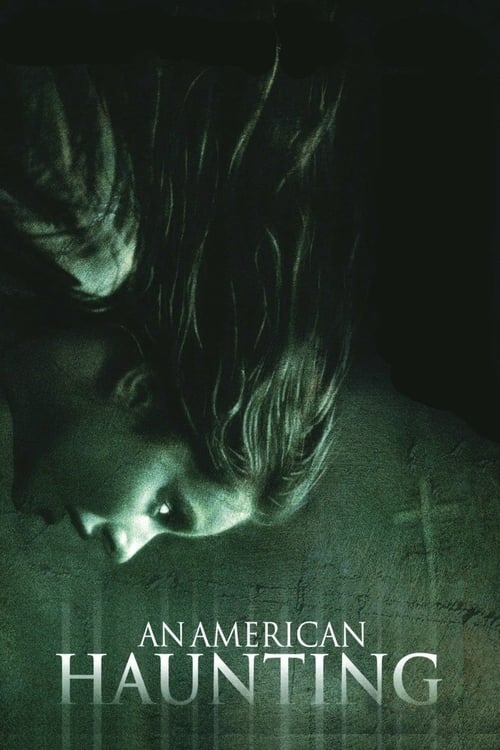
An American Haunting
2005 · ghost story
How An American Haunting scares: An American Haunting builds around a family being tormented by an unseen force in their own home, mixing quiet dread with sudden jolts as things get moved, touched, or attacked by nothing visible. The mood leans heavy and uneasy rather than playful, with a dark family secret humming underneath the haunting that makes the whole thing feel more sad and uncomfortable than fun. There's very little blood here; the fear comes from helplessness and violation more than physical gore. It's a decent watch if you want a moody period ghost story, but it doesn't fully commit to either pure scares or deep dread, so it can feel a bit uneven.
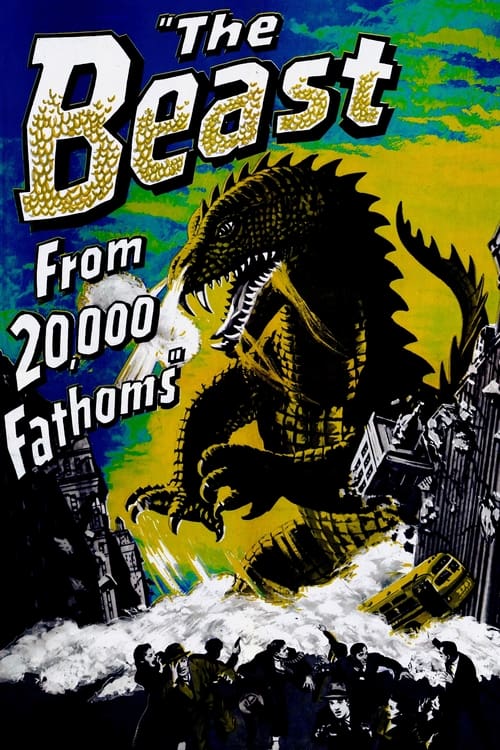
The Beast from 20,000 Fathoms
1953 · creature feature
How The Beast from 20,000 Fathoms scares: The Beast from 20,000 Fathoms is more of a classic adventure and monster spectacle than a true scare machine, built around a slowly awakened creature that eventually rampages through a city. The tension builds gradually through investigation and mystery before shifting into destruction and spectacle, with the stop-motion creature as the main draw rather than dread or shock. There's little blood and almost nothing designed to make you jump; it's the kind of old-school monster movie you watch for fun and awe rather than fear. Great for viewers who love vintage giant-creature films and don't need modern scares to enjoy the ride.
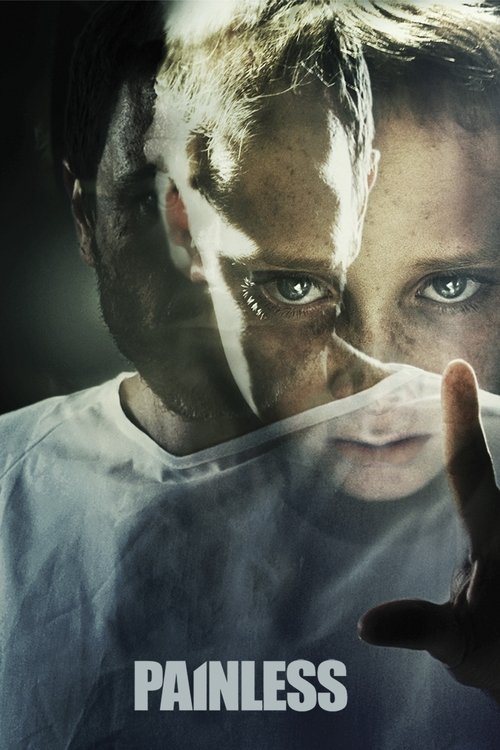
Painless
2012 · psychological horror
How Painless scares: It unfolds across two timelines, moving slowly between a present-day doctor's personal search and a grim past hidden in an old children's institution, with the two threads only fully connecting near the end. The pacing is patient and heavy, more like a somber drama than a typical horror movie, letting dread build through implication rather than shocks. There are unsettling images of self-inflicted harm and cruelty, tied to real historical trauma, which give it a sad, disturbing weight rather than cheap scares. It's best for viewers who want something that sits with them afterward rather than a fun scary ride.
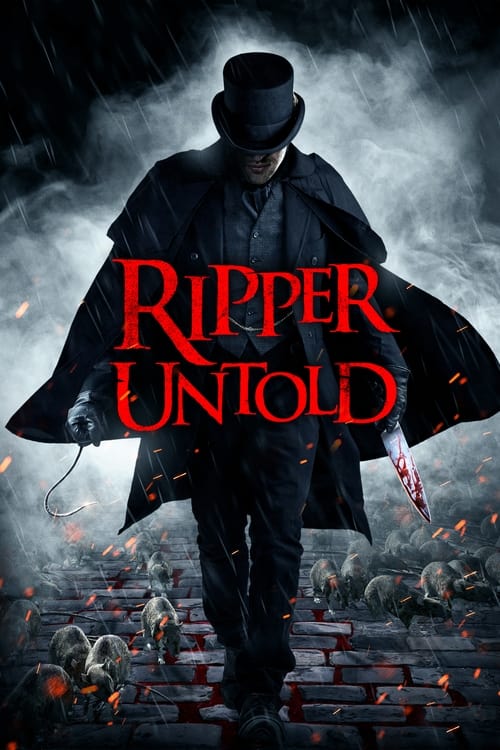
Ripper Untold
2021 · serial killer
How Ripper Untold scares: It starts as a slow, talky murder-mystery in foggy Victorian London before settling into a steady rhythm of investigation scenes broken up by grim crime discoveries. The fear here comes less from jolts and more from a queasy sense of dread tied to real human violence, alcoholism, and moral rot rather than anything otherworldly. Expect some blood and autopsy-table nastiness, but it's more grim and unsettling than outright terrifying, and it won't stick with you for long after the credits roll.
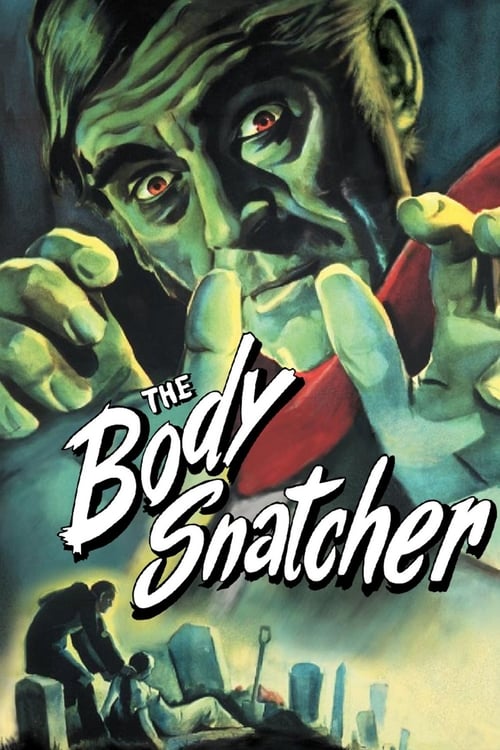
The Body Snatcher
1945 · gothic
How The Body Snatcher scares: There's a quiet, suffocating dread to this one that builds through conversation and mood rather than shocks. Most of the horror lives in shadows, tone of voice, and the slow unraveling of guilt between two men bound by a terrible secret. It moves at a deliberate, old-fashioned pace, more interested in unease and moral rot than in showing anything graphic. Good for viewers who like their scares quiet, character-driven, and left mostly to the imagination.
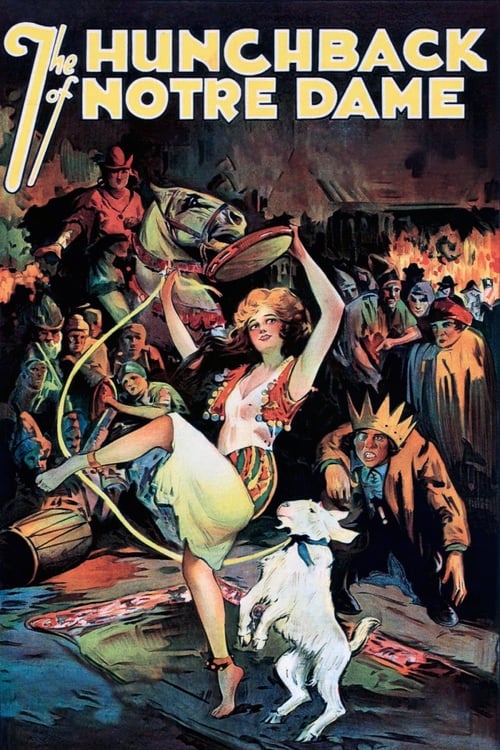
The Hunchback of Notre Dame
1923 · gothic
How The Hunchback of Notre Dame scares: The Hunchback of Notre Dame is really more of a tragic romance and period drama than a scare machine, even though it gets filed under horror for its grim setting and unsettling makeup effects. The mood leans gothic and melancholy, built around pity and cruelty rather than dread or shocks, with the cathedral's shadows and crowds giving it a dark, oppressive atmosphere. There's no supernatural threat and almost nothing graphic on screen; the unease comes from injustice, mob cruelty, and physical deformity used for pathos more than terror. It's a good pick for someone curious about old gothic cinema rather than someone looking to be genuinely frightened.
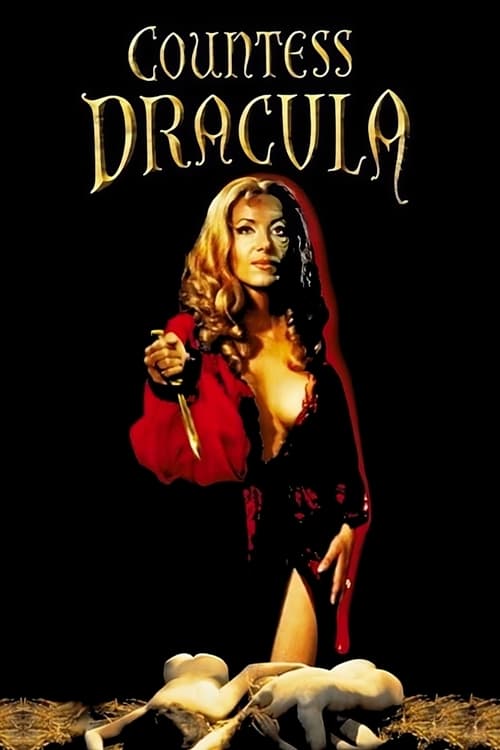
Countess Dracula
1971 · gothic
How Countess Dracula scares: It unfolds like a slow costume drama for most of its runtime, with palace scheming and quiet dread building well before anything violent happens. The pace stays deliberate and talky, more concerned with vanity, aging, and court politics than with shocks or scares. When the horror does surface, it's tied to very human cruelty and desperation rather than anything otherworldly, despite the title. This is a good pick for viewers who like old-school gothic melodrama with a dark edge, not for anyone wanting jumps or gore.
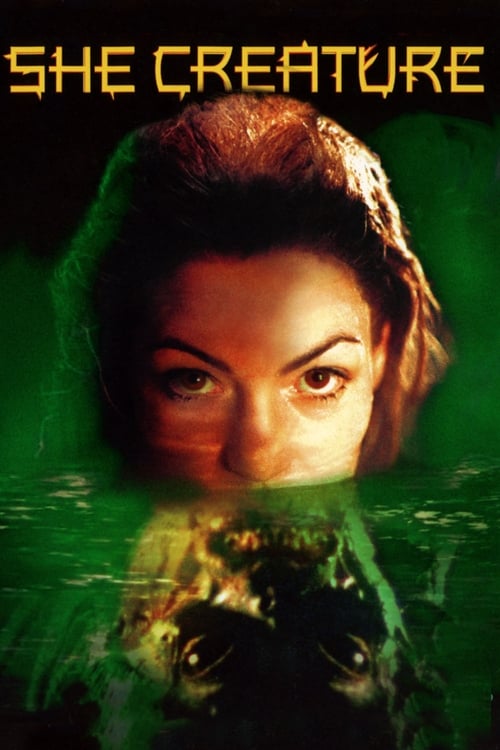
Mermaid Chronicles Part 1: She Creature
2001 · creature feature
How Mermaid Chronicles Part 1: She Creature scares: Mermaid Chronicles Part 1: She Creature leans more into moody period atmosphere and creature-feature thrills than real scares, playing out like a dark fairy tale aboard a ship at sea. The pace is slow for long stretches, with tension building around the mystery of the captured creature rather than constant threats. When the danger does show itself, it's more about physical attacks than deep dread, and the overall feel stays closer to a strange adventure story than a nightmare. It's a good pick if you want something atmospheric and a little eerie rather than something that will actually frighten you.

The Pit and the Pendulum
1991 · torture
How The Pit and the Pendulum scares: It opens with a public punishment and then slowly tightens the screws, spending most of its runtime building toward one long, brutal ordeal in a torture chamber rather than jumping around with quick scares. The dread here comes from watching someone trapped and utterly powerless against a cruel authority figure, so it's more about physical suffering and helplessness than ghosts or curses. Blood, pain, and body horror are shown pretty openly, and the tone leans nasty and uncomfortable rather than playful. This is for people who can handle grim, exploitative period horror about real human cruelty, not supernatural chills.
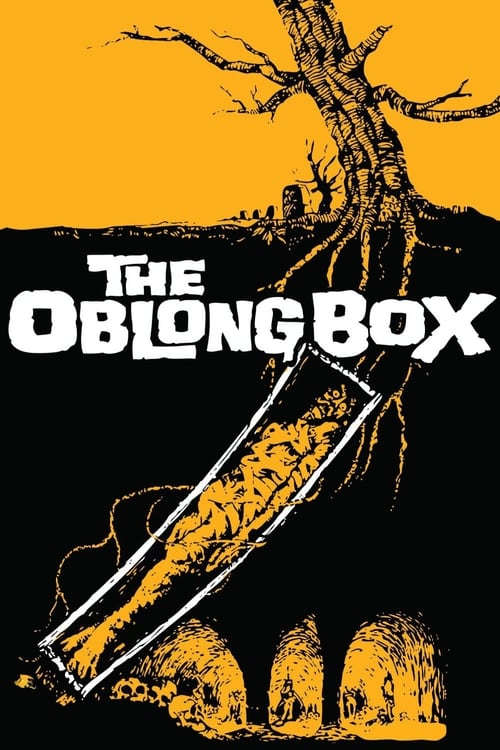
The Oblong Box
1969 · gothic
How The Oblong Box scares: It opens slow, with a lot of moody gothic setup in dim manor rooms before building toward a string of revenge killings in its back half. The dread comes more from creepy atmosphere, disfigurement, and a sense of family rot than from jump scares or gory shocks. There's some physical violence once the killings start, but it's more unsettling and sad than terrifying. Good for fans of old-school Poe-style gothic horror who want mood and slow dread rather than a modern scare-a-minute ride.
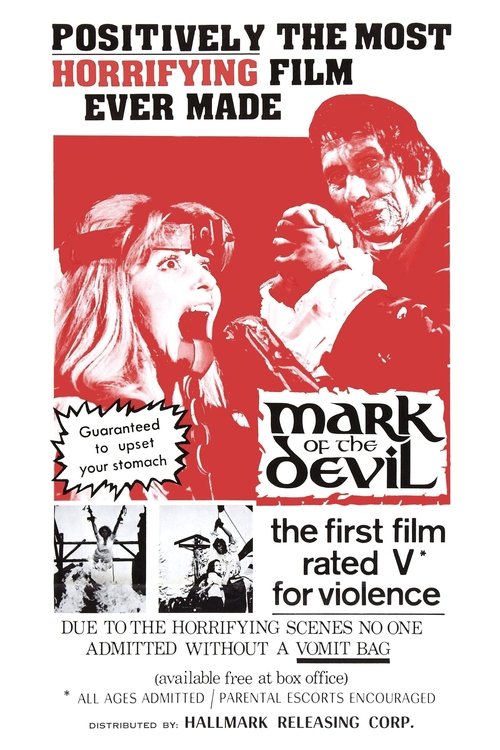
Mark of the Devil
1970 · torture
How Mark of the Devil scares: Watching this feels less like being scared and more like being worn down, since it lingers on cruelty and suffering rather than building suspense. The pace is slow and heavy, with long stretches of grim procedure and abuse instead of scares or shocks. There's no monster or ghost here, just ordinary people committing horrific acts under the cover of law and religion, which makes it feel uglier and more real. This is for viewers who want to be disturbed by human cruelty on screen, not for anyone looking for fun scares or a thrill ride.
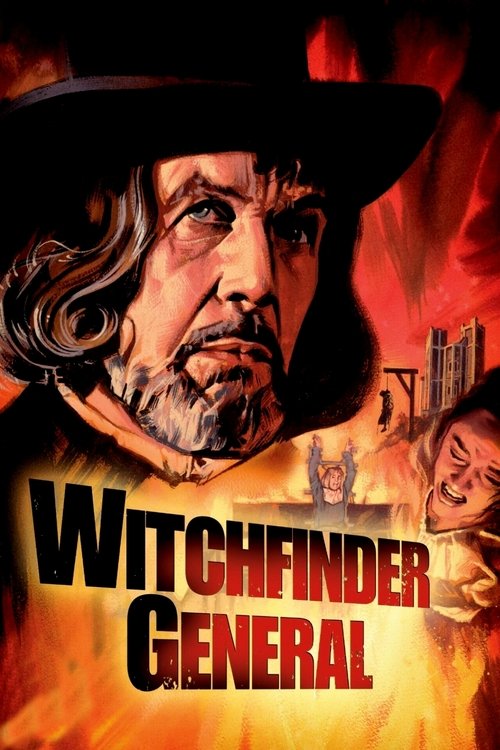
Witchfinder General
1968 · folk horror
How Witchfinder General scares: The movie moves at a grim, steady pace, following a man traveling from village to village, and it never breaks into shocks or jolts along the way. Instead the dread builds quietly through cruelty, greed, and the abuse of power, with violence that feels ugly and real rather than staged for thrills. There are no ghosts or monsters here, just ordinary human cruelty dressed up in religion and law, which makes it hit harder and feel more upsetting than scary. It's a heavy, bleak watch best suited to viewers who want horror rooted in history and human evil rather than fright or fun.

The Power
2021 · ghost story
How The Power scares: It starts slow, almost like a period drama, following a nervous young nurse through empty hospital corridors before the dread creeps in and doesn't let up. Darkness itself becomes the enemy here, with long stretches of near-silence and shadow rather than jolts or loud scares. The fear is tied closely to real trauma and powerlessness, so it feels heavier and sadder than most ghost stories, even though the threat leans toward something otherworldly by the end. This one is better suited to viewers who want a moody, slow-building watch with an emotional gut-punch rather than pure scares.
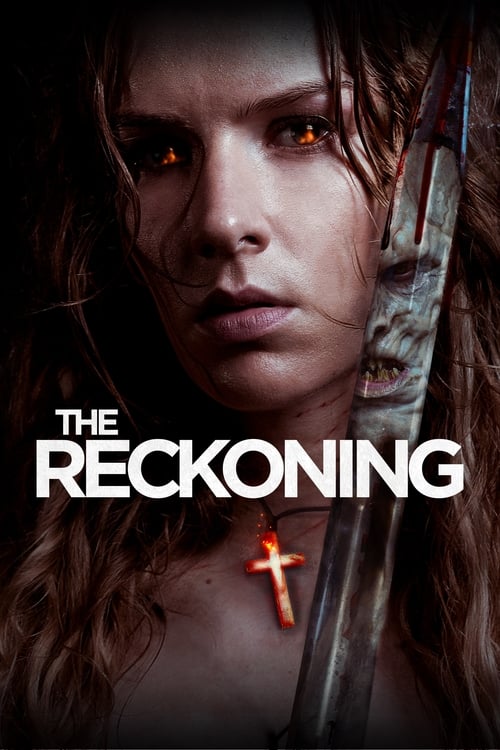
The Reckoning
2021 · witchcraft
How The Reckoning scares: The story starts slow, laying out grief and suspicion in a plague-ravaged village, then tightens into a long, grim stretch of imprisonment and torture that makes up most of the back half. It builds dread through helplessness and cruelty rather than jump scares, with occasional visions that blur into something devil-tinged, though the real horror is what people do to each other. It's heavy and upsetting rather than fun, with hard-to-watch stretches of physical and psychological cruelty. This is one for viewers who want grim historical horror with real weight, not a quick scare ride.
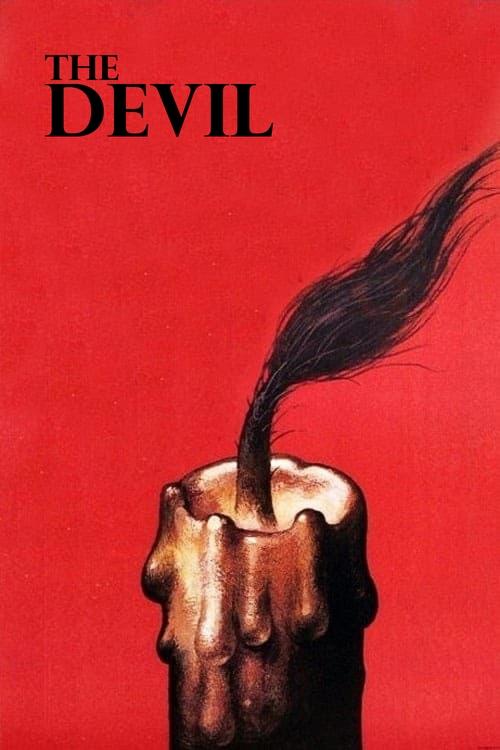
The Devil
1972 · psychological horror
How The Devil scares: The Devil throws you into a spiral of chaos from almost the first scene, with characters screaming, running, and unraveling rather than any calm build-up. The fear here isn't about jump scares or monsters — it's watching a mind and a whole society collapse into cruelty and madness during wartime, which feels suffocating rather than thrilling. There's a mysterious figure who may or may not be something more than human, but the movie keeps that hazy, so the real horror stays human: violence, betrayal, and people turning on each other. This is a heavy, punishing watch meant for people who want art-house horror that unsettles rather than entertains.
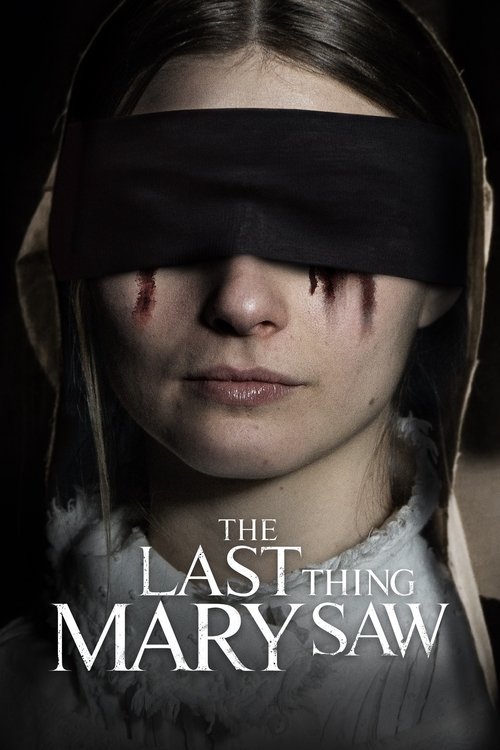
The Last Thing Mary Saw
2021 · gothic
How The Last Thing Mary Saw scares: A heavy, suffocating dread settles in almost immediately and never really lifts, thanks to candlelit rooms, hushed voices, and a sense that something old and wrong is pressing in from the edges of the story. The pace is patient and quiet, more interested in guilt, punishment, and repression than in scaring you with jolts, so tension builds through silence and stillness rather than shocks. There are a few sudden bursts of cruelty and pain that hit hard precisely because of how still everything has been. This is for people who want a somber, artful, slow gothic tale rather than a fun scare, and who don't mind sitting with sadness and unease long after it ends.
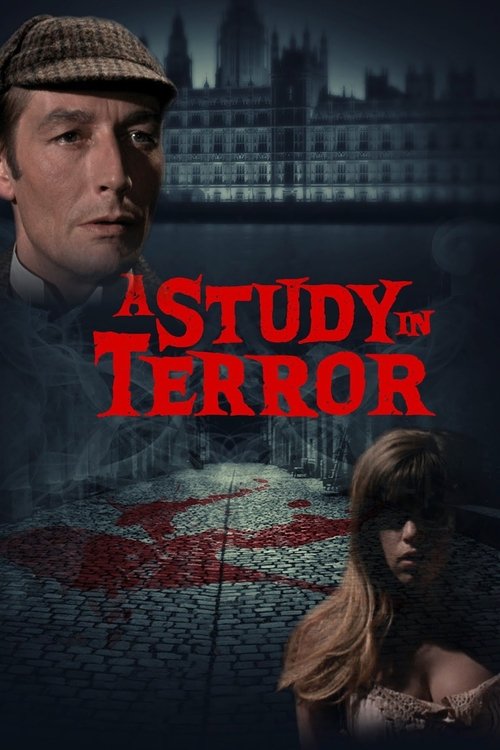
A Study in Terror
1965 · serial killer
How A Study in Terror scares: The story unfolds like a classic detective case, starting with a newspaper clipping and clues before slowly working toward darker, bloodier back alleys. It builds more like a mystery than a horror movie, with tension coming from piecing together clues rather than from scares or chases. There's a looming sense of menace tied to the real Jack the Ripper murders, but the violence is kept mostly off-screen or stylized for its time. It's a good pick if you like old-school whodunits with a spooky Victorian backdrop rather than something that will actually frighten you.
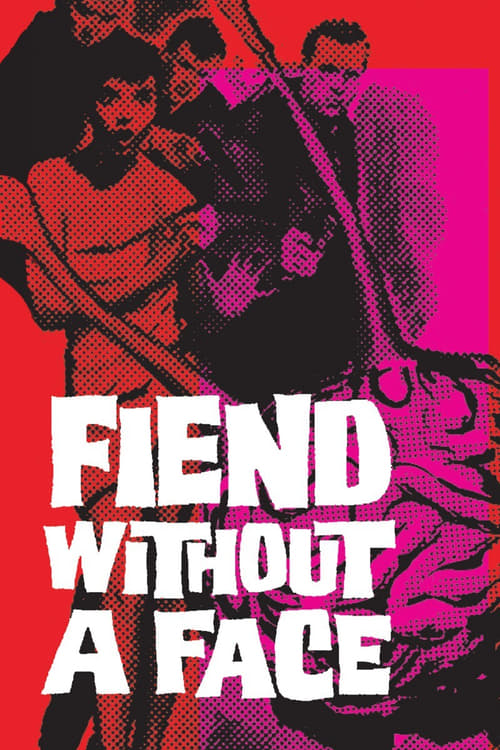
Fiend Without a Face
1958 · creature feature
How Fiend Without a Face scares: Watching it feels like an old-fashioned monster mystery that spends most of its time on hushed small-town suspicion before letting its creatures loose. The pace is slow and talky for a long stretch, all about strange deaths and nervous townsfolk, then it suddenly turns into a wild, gooey creature attack in the last act. The threat comes from science gone wrong rather than anything ghostly or magical, and the tone stays more fun and pulpy than upsetting. It's a good pick if you like cheesy, old-school sci-fi horror with a genuinely surprising gross-out finish.
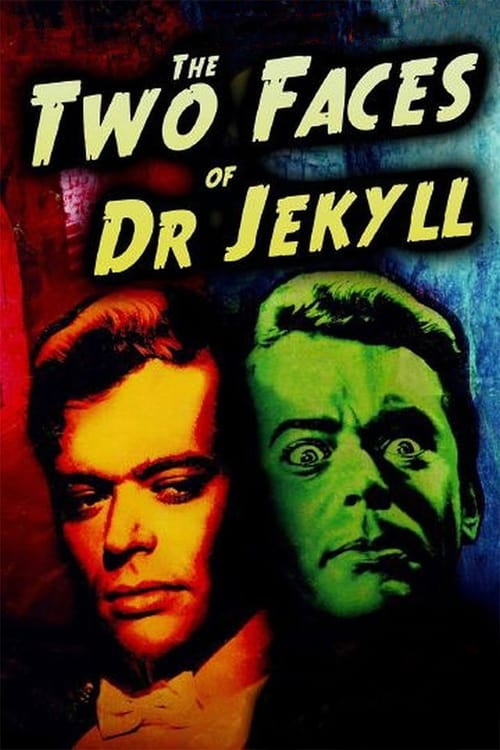
The Two Faces of Dr. Jekyll
1960 · gothic
How The Two Faces of Dr. Jekyll scares: It starts as a slow, talky Victorian drama about a scientist and his troubled marriage before easing into darker territory once the experiments take hold. The pace stays deliberate and theatrical throughout, more interested in mood, manners, and moral decay than in shocking you. Fear here comes from watching a respectable man's control slip away, not from gore or jolts. It's a good pick if you like old-fashioned gothic horror with a period setting and a slow, character-driven descent rather than modern scares.
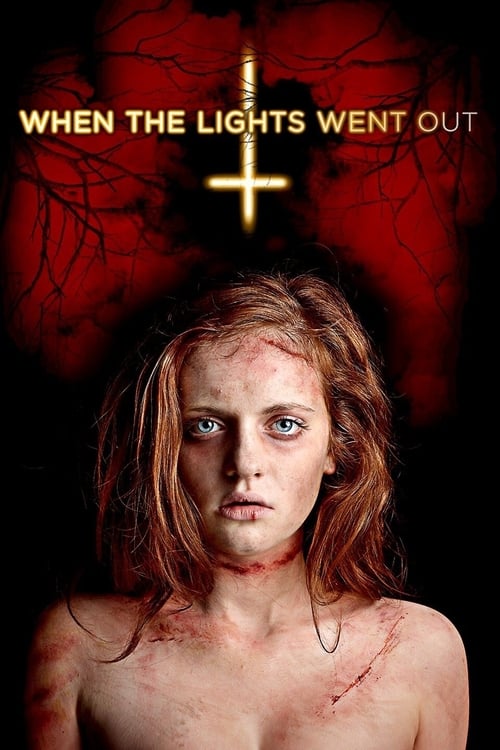
When the Lights Went Out
2012 · haunted house
How When the Lights Went Out scares: There's a heavy, damp unease that settles in early and just sits on you, more like a slow squeeze than a series of shocks. The pacing favors long stretches of dread inside one house, with the fear coming from a family losing control of their own home rather than from monsters jumping out. A few big, loud disturbances break the quiet, but most of the horror is about helplessness and the sense that something is watching and waiting. It's a good pick if you like grounded, old-school British haunting stories that feel more eerie than gory.
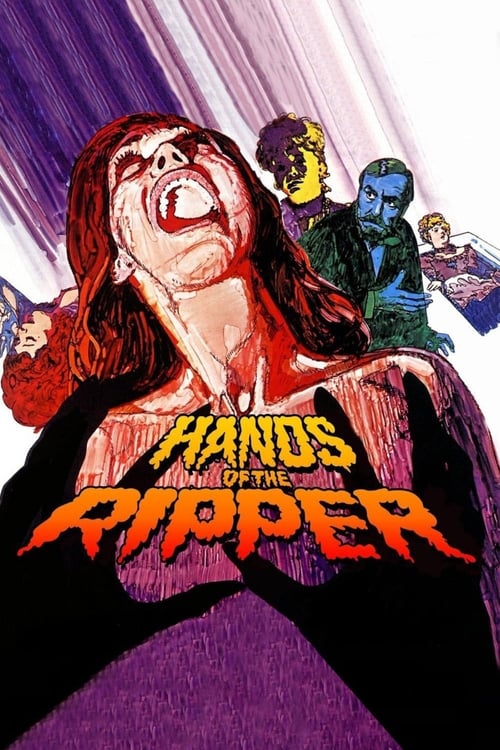
Hands of the Ripper
1971 · gothic
How Hands of the Ripper scares: It opens like a quiet Victorian drama about doctors and grief, slowly building tension through conversations and hidden secrets before breaking into sudden, brutal bursts of violence. The horror comes less from jump scares and more from a creeping sense of dread about what's hiding underneath a calm surface. There's real sadness and tragedy woven into the fear, which gives it more emotional weight than a typical slasher. It suits people who like old-school gothic horror with a mix of psychological unease and shocking, bloody moments rather than constant scares.

Romasanta: The Werewolf Hunt
2004 · gothic
How Romasanta: The Werewolf Hunt scares: The story unfolds slowly, more like a period drama than a horror ride, letting suspicion and dread build over time instead of hitting you with shocks. It's set in a gloomy, old-fashioned Spanish countryside, and the fear comes from not knowing who to trust rather than from monsters jumping out. As it goes on, the violence gets more upsetting and personal, even though the werewolf angle stays more legend than literal beast. It's better suited to people who like moody, true-crime-tinged horror than those wanting fast scares.

Post Mortem
2020 · ghost story
How Post Mortem scares: There's a heavy, waterlogged dread that settles in early and never really lifts, more like walking through a cold fog than being chased. The pace is patient, letting silence and strange details build unease before anything actually happens, so the scares feel earned rather than cheap. Ghosts here are quiet and wrong-looking rather than loud or gory, and the horror leans on grief and unease more than blood or violence. It suits people who like slow, moody period ghost stories over fast thrills or gore.