Period piece horror movies
The Horror Database (THDB) tracks 34 period piece movies. As a group they run gentle (average intensity 2.1/5), lean toward slow-burn dread, and average 1.2/5 on gore. Ranked by popularity; every profile describes how the movie scares, spoiler-free.
All Period piece horror movies on The Horror Database
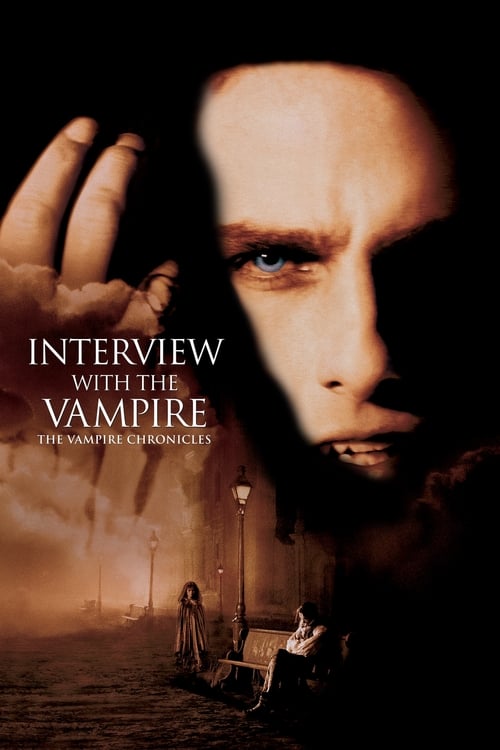
Interview with the Vampire
1994 · vampire
How Interview with the Vampire scares: Watching it feels more like sinking into a sad, beautiful tragedy than being scared by a monster movie. The pace is slow and mournful, following one long life story full of regret, loneliness, and longing rather than building tension scene to scene. There are moments of real cruelty and blood, but the horror here is more about grief and losing your humanity than jump scares or gore. It's a good pick if you want something moody and emotional with a gothic vampire feel, not a movie that will make you jump.
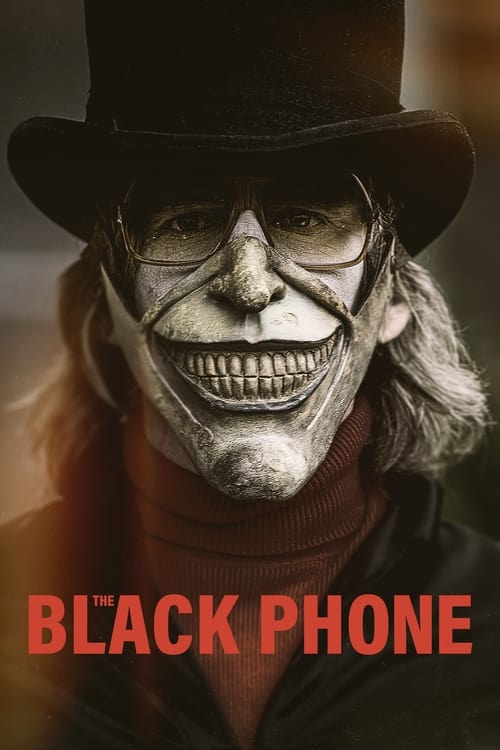
The Black Phone
2022 · serial killer
How The Black Phone scares: There's a tight, closed-in dread to this one, like the walls are always a little too close and time is running out. Most of the fear comes from feeling trapped and outmatched, with a kid's fear of a grown adult who holds all the power, rather than constant blood or jump scares. A ghostly element creeps in and actually gives some hope and connection instead of just more scares, which makes the mood swing between hopeless and oddly warm. It's tense and sad in places more than gross, and it hits hardest through helplessness rather than shock.
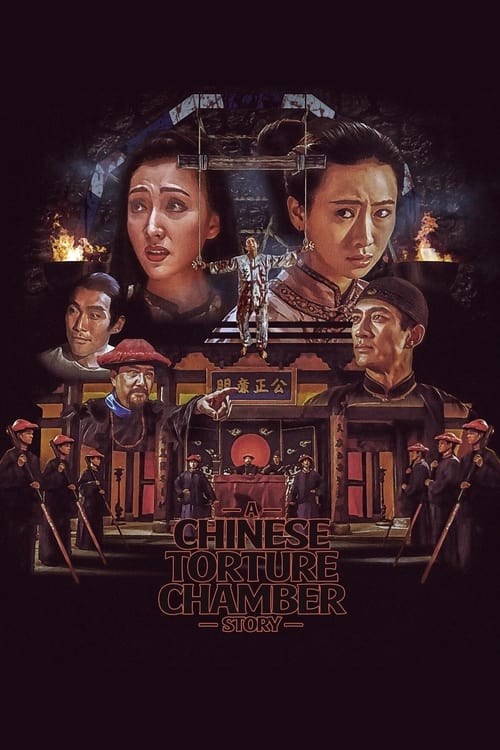
A Chinese Torture Chamber Story
1994 · torture
How A Chinese Torture Chamber Story scares: A Chinese Torture Chamber Story throws you straight into brutal, drawn-out scenes of physical punishment set against a corrupt historical court, and it doesn't let up for long stretches at a time. The fear here isn't about dread building in your head, it's about watching bodies suffer in graphic, unflinching detail, mixed oddly with crude, dark jokes that undercut the horror. There's no ghost or monster to blame, just cruel people with power, which makes it feel uncomfortably grounded. It's less a scary movie and more a shock-and-exploitation watch for people who can handle extreme, bleakly comic content mixed with real brutality.

Brotherhood of the Wolf
2001 · creature feature
How Brotherhood of the Wolf scares: It starts as a slow investigation into a string of brutal killings, then keeps widening into court politics, romance, and martial arts action, so the mystery takes a back seat to spectacle. The monster attacks are sudden and violent, but the movie spends just as much time on swordplay, chases, and palace intrigue as it does on building dread. Its scares lean more toward exciting than unsettling, and the history and conspiracy angle keep pulling focus away from straight horror. Good for people who want a moody period adventure with a creature-feature edge rather than something that will actually frighten them.
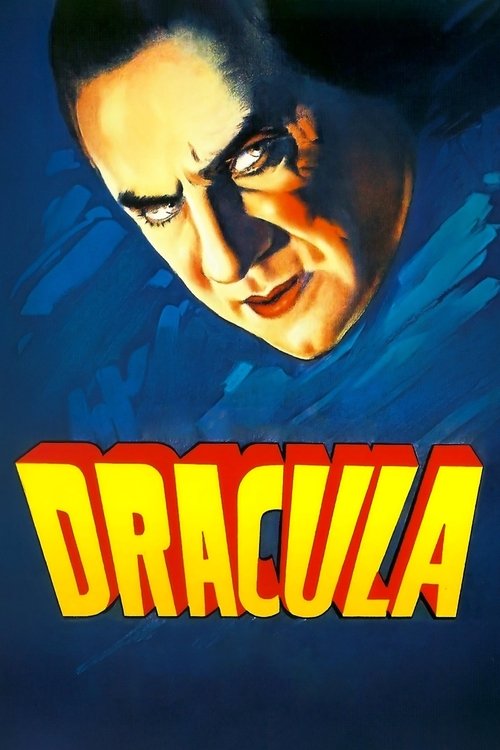
Dracula
1931 · gothic
How Dracula scares: Dracula relies on mood, shadows, and slow theatrical menace rather than shocks or violence. The scares come from stagey atmosphere and the eerie presence of its lead, not from chases or gore, so it feels more haunting-in-tone than actually frightening by modern standards. It's a classic, stately kind of creepy, good for a cozy Halloween watch rather than a real scare. Expect old-fashioned gothic charm more than lingering dread.
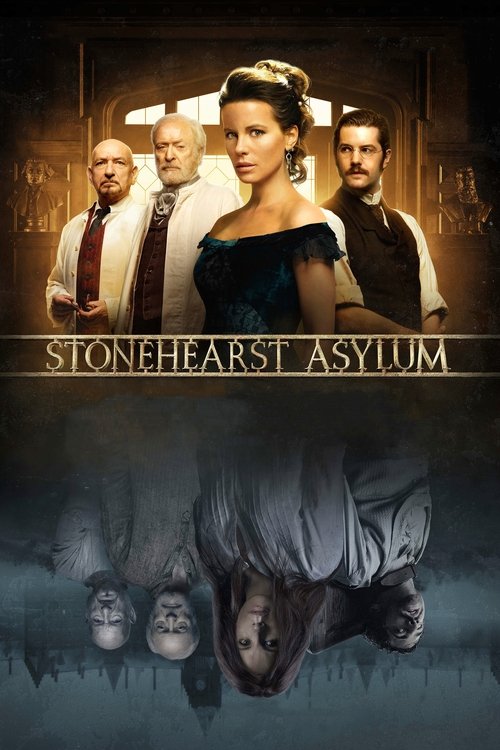
Stonehearst Asylum
2014 · psychological horror
How Stonehearst Asylum scares: There's a constant low-level unease here, the kind that comes from not knowing who to trust rather than anything jumping out at you. The pace is slow and talky, more of a costume-drama mystery than a scare machine, building dread through unsettling asylum scenes, strange behavior, and a sense that something is deeply wrong under the surface. It leans on mind games and moral discomfort more than blood or violence, with only occasional flashes of something harsher. Good for people who like gothic, brainy thrillers with a horror edge rather than a movie built to make you jump.
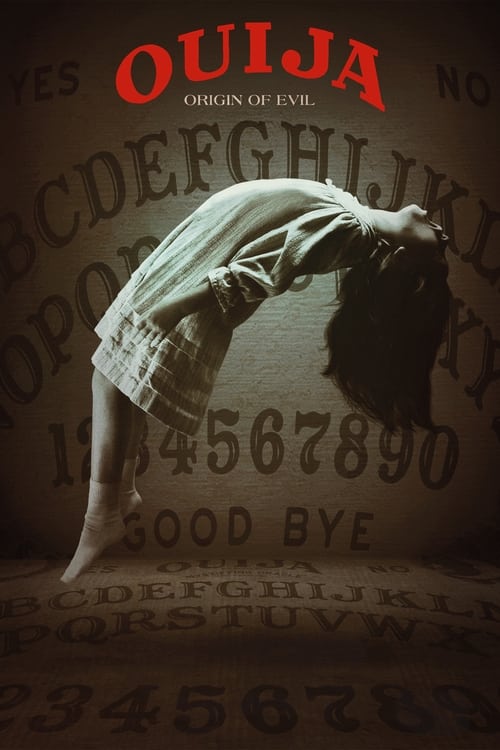
Ouija: Origin of Evil
2016 · possession
How Ouija: Origin of Evil scares: Ouija: Origin of Evil builds its fear patiently, letting a warm family setting slowly curdle into something wrong. Mike Flanagan leans on unsettling imagery, off body movement, and dread that grows in the quiet moments rather than constant jolts, though there are a few well-placed scares. The scariest parts are about watching someone you love change into something else, which hits harder emotionally than it does physically. It's a good pick if you want a genuinely creepy ghost story with real heart underneath, not just a haunted house thrill ride.
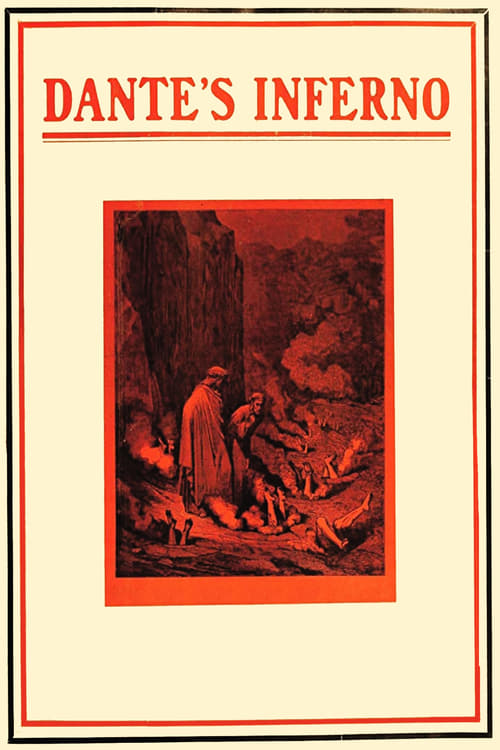
Dante's Inferno
1911 · gothic
How Dante's Inferno scares: The movie moves like a procession, drifting from one strange vision of the underworld to the next rather than building toward a single scare. It plays more like a moving picture gallery of suffering souls and monstrous imagery than a story with rising tension, using elaborate hand-painted sets and effects that were groundbreaking for its time. There's no chasing, no jolts, just a slow parade of grotesque and sometimes eerie sights meant to awe rather than terrify. It's better suited to curiosity about early cinema and religious imagery than to anyone looking for real scares.
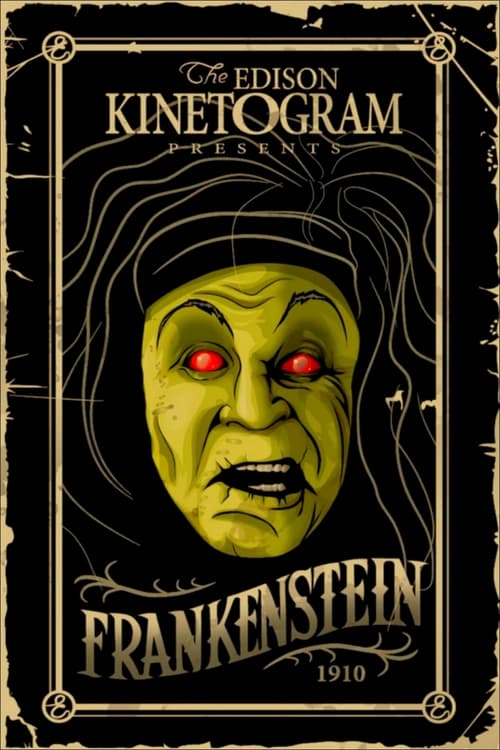
Frankenstein
1910 · gothic
How Frankenstein scares: Watching this feels more like peering into a strange old curiosity than being scared in any modern sense — it's quiet, stagey, and slow, built from a handful of static shots rather than any real build-up or release. The fear here comes from eerie, uncanny imagery rather than danger or violence; there's no chasing, no blood, just an unsettling presence and a mirror that becomes the film's creepiest image. It plays more like a fragile piece of horror history than something designed to actually unsettle a modern viewer. Good for horror fans curious about where the genre started, not for anyone looking for genuine scares.
The Night Strangler
1973 · serial killer
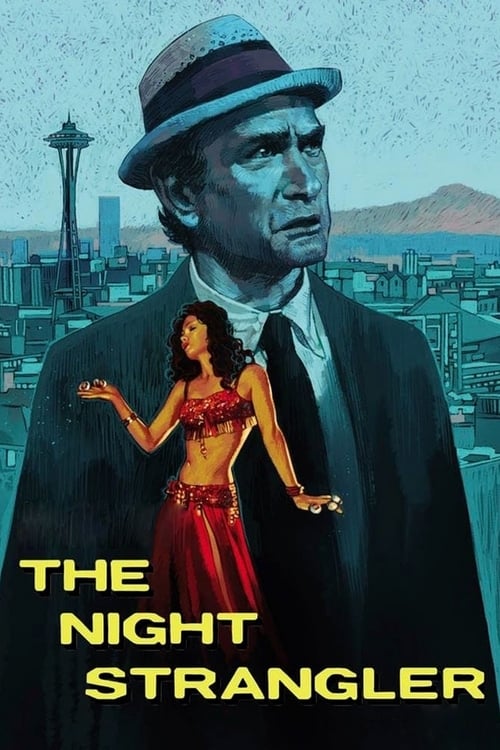
How The Night Strangler scares: Watching this feels like tagging along with a wisecracking reporter chasing a weird case through foggy old streets rather than being put through a scary ordeal. The pace is easygoing and talky, built more on curiosity and old-fashioned mystery-solving than on tension or shocks. Any blood or violence stays brief and low-key, and the tone stays more adventurous and pulpy than frightening. It's a good pick if you want a fun, retro monster-hunt vibe rather than something that will actually unsettle you.
The Diary of Ellen Rimbauer
2003 · haunted house
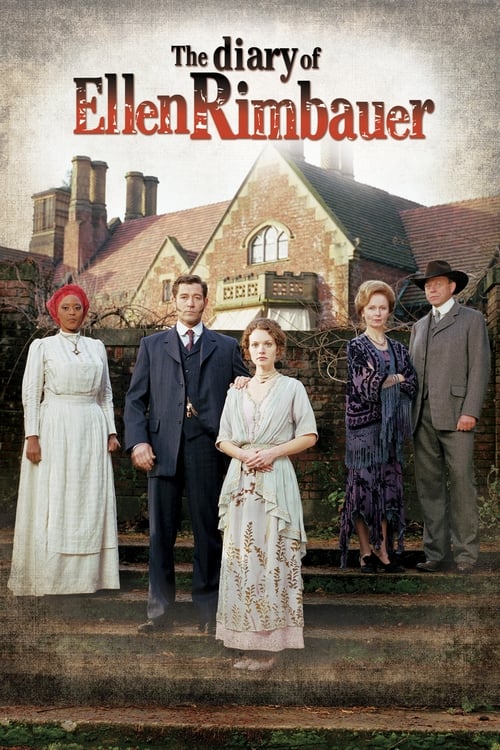
How The Diary of Ellen Rimbauer scares: The Diary of Ellen Rimbauer plays more like a gothic period drama with horror creeping in around the edges than a straight-up scare machine. It leans on an old mansion's creepy atmosphere, slow reveals, and a sense of a woman's life slowly being swallowed by the house around her, rather than loud jolts or on-screen violence. Being a TV movie, it's fairly tame and talky, with dread building gradually instead of hitting hard. It suits people who like old-fashioned haunted house stories and gothic romance more than those wanting intense modern horror.

Dr. Jekyll and Mr. Hyde
1931 · gothic
How Dr. Jekyll and Mr. Hyde scares: Watching it feels like sinking slowly into dread as a decent man's control over himself falls apart, rather than being jolted by shocks. The horror comes from watching someone lose their grip on their own morality, with real menace and cruelty once the darker side takes over. It's more unsettling and sad than gory, carried by mood, shadows, and a genuinely unsettling transformation rather than violence on screen. Good for viewers who like old-school gothic horror with real psychological weight instead of modern scares.

Shadow of the Vampire
2000 · vampire
How Shadow of the Vampire scares: There's a dry, uneasy amusement running through this one more than actual fear — you're watching a slow-motion disaster unfold on a movie set and half-laughing while your skin crawls. The pace is unhurried and talky, more character drama than horror, with tension building through awkward, off-kilter behavior rather than shocks or chases. When the danger surfaces it's sudden and nasty but brief, not sustained. This is for people who like their horror clever, theatrical, and darkly funny rather than intense or upsetting.

The Return of the Vampire
1943 · vampire
How The Return of the Vampire scares: The Return of the Vampire plays like an old-fashioned gothic chiller, built around fog-soaked graveyards, candlelit manors, and a classic bloodsucker in a cape rather than any real sense of danger. The pace is slow and talky by modern standards, with mood and atmosphere doing the work instead of scares or shocks. There's a werewolf-like servant and some eerie hypnotic stares, but violence and blood are kept very mild. It's best for fans of vintage monster movies who enjoy old-school spooky style over actual fright.
The Hunchback of Notre Dame
1956 · gothic
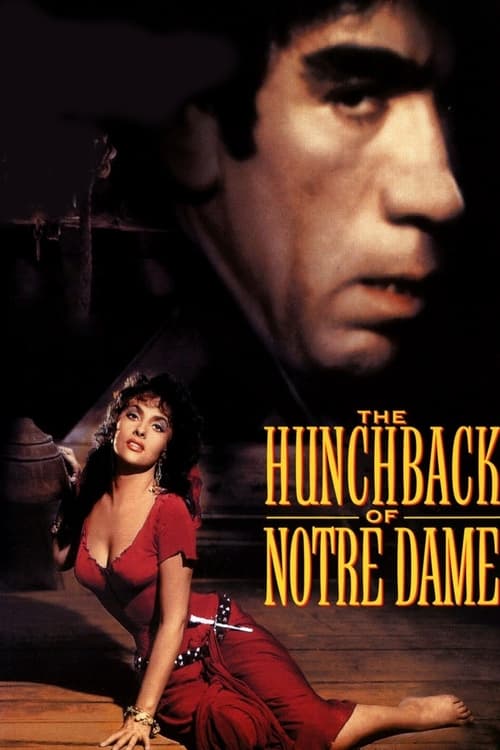
How The Hunchback of Notre Dame scares: The Hunchback of Notre Dame is really a period drama and romance more than a fright film, even though it gets tagged as horror for its grim setting and tragic figures. Any unease comes from human cruelty, obsession, and injustice rather than anything otherworldly or gory. The mood is more melancholy and sweeping than scary, with grand sets and costumes carrying the atmosphere instead of dread or jolts. This is a good pick for someone who wants a moody, tragic classic rather than an actual scare.
Burke & Hare
2010 · dark comedy
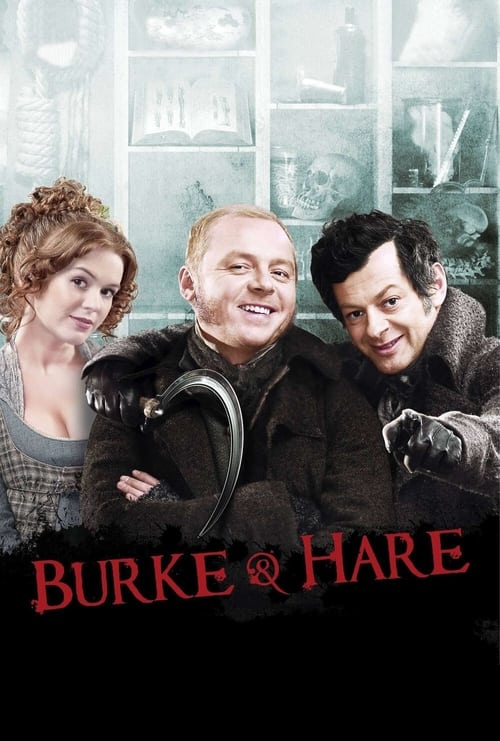
How Burke & Hare scares: Watching this feels more like sitting through a witty period comedy than anything scary, with murder played for laughs rather than dread. The pace is light and breezy, bouncing between scheming, bumbling, and dark jokes rather than building tension. Any violence is quick and almost cartoonish, used for shock-laughs instead of real horror. This is a good pick if you want dark humor and history with a grim setup, not if you're looking to be scared.
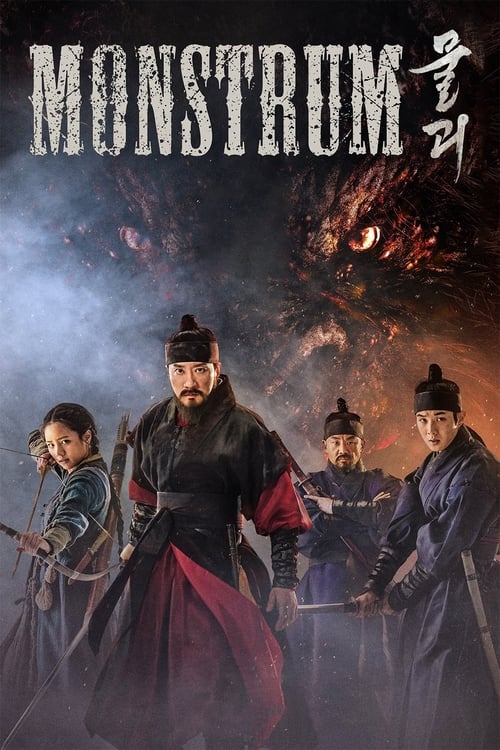
Monstrum
2018 · creature feature
How Monstrum scares: Monstrum plays more like a historical adventure with a monster in it than a true horror film, mixing palace conspiracy with creature-feature action. The scares come from chase sequences and sudden creature attacks rather than dread that builds in your head, so it's more about physical danger than psychological unease. Blood and violence show up in bursts during the monster's attacks but don't linger on gore. It's a good pick if you want a fun period adventure with a beast-on-the-loose thrill, not something that will haunt you afterward.
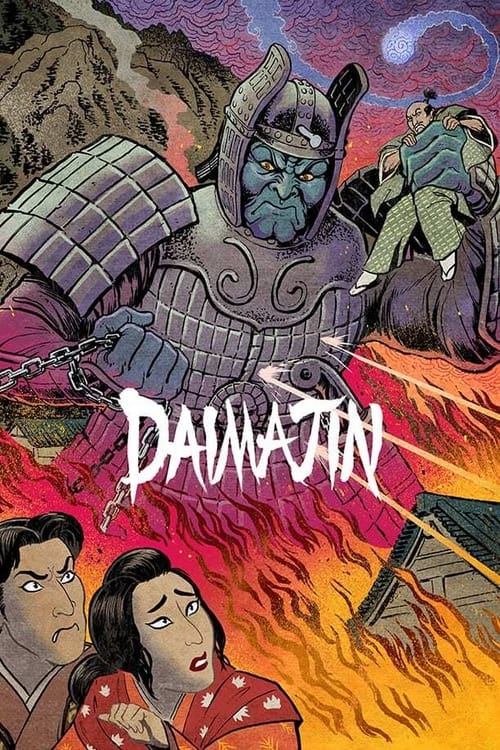
Daimajin
1966 · kaiju
How Daimajin scares: Daimajin spends most of its time as a quiet, slow period drama about a village suffering under a cruel ruler, building patience and tension rather than scares. The fear here is more about dread and anticipation of divine punishment than jump scares or gore. Once the stone giant wakes up, the mood shifts into something closer to awe and spectacle, with a sense of unstoppable, towering retribution. It's a good pick for people who like folklore and slow-building myth more than modern horror thrills.
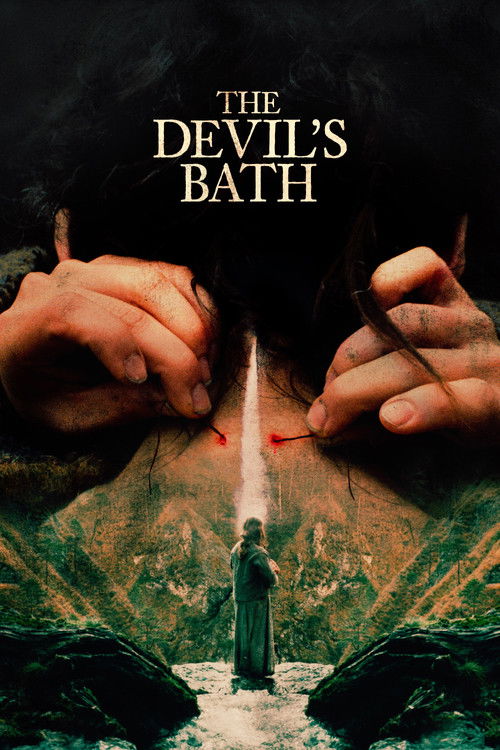
The Devil's Bath
2024 · folk horror
How The Devil's Bath scares: Watching this feels like being slowly buried under gray skies and endless chores, with no jolts or shocks to break the tension, just a steady sinking feeling. The dread here comes from watching a mind quietly fall apart under isolation, religious guilt, and a life with no way out, not from any monster or killer. It moves at a crawl, lingering on mud, ritual, and silence until the weight becomes almost unbearable. This is heavy, art-house horror for people who want to feel true despair rather than get a fun scare, and it stays with you long after it ends.
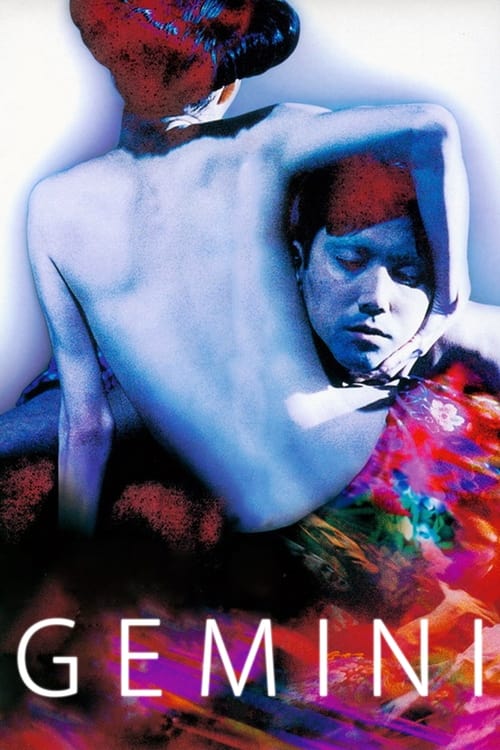
Gemini
1999 · psychological horror
How Gemini scares: It starts slow and formal, like a quiet period drama about a respected doctor's family, then twists into something feverish and nightmarish as identity and class resentment boil over. The pace is uneven on purpose, calm scenes suddenly breaking into stylized, almost theatrical chaos. Fear here comes less from shocks and more from a creeping sense that someone's whole sense of self is unraveling. It's a strange, unsettling art-horror piece more than a straightforward scary movie, best for viewers who like unease and symbolism over easy thrills.

Parents
1989 · dark comedy
How Parents scares: Parents tells its story through a little kid's eyes, and most of the fear comes from that kid slowly realizing something is deeply wrong with his own mom and dad. The style is bright, plastic, and cheerful on the surface, like an old TV commercial, which makes the creeping wrongness underneath feel even stranger. There's almost nothing in the way of jump scares here; instead it builds a slow, queasy unease that mixes dark humor with real dread about not being able to trust the people who are supposed to protect you. It's more of a weird, unsettling watch than a scary rollercoaster, good for someone who likes their horror strange, quiet, and a little funny in a twisted way.

The Piper
2015 · folk horror
How The Piper scares: The Piper builds slowly, like a grim folk tale being told around a fire, with dread creeping in through the strange looks and silences of the villagers long before anything horrible actually happens. The fear here comes from unease and a sense that something is deeply wrong with this isolated place, rather than from jump scares or chases. There's a touch of eerie, almost magical menace tied to the old pied piper legend, but it stays grounded in human cruelty and desperation more than outright supernatural horror. It's a heavy, sad kind of scary that sits with you afterward rather than a fun scream-fest.
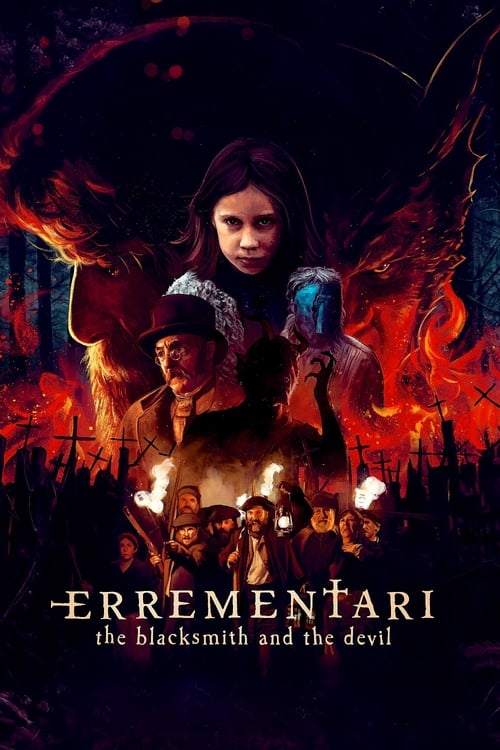
Errementari: The Blacksmith and the Devil
2018 · folk horror
How Errementari: The Blacksmith and the Devil scares: Errementari: The Blacksmith and the Devil leans on old folk tale atmosphere more than shocks, building a moody, fairy tale sense of dread out of dark forests, superstition, and a devil that feels ancient and rule-bound rather than random. It's more fantasy-adventure with horror touches than a straight fright fest, so the scares come from creepy imagery and unsettling folklore rather than constant tension or jolts. There's some physical danger and a few grim, monstrous visuals, but it's not a gore-heavy or relentlessly brutal watch. Good for people who like Guillermo del Toro style dark fairy tales more than pure horror fans looking to be terrified.
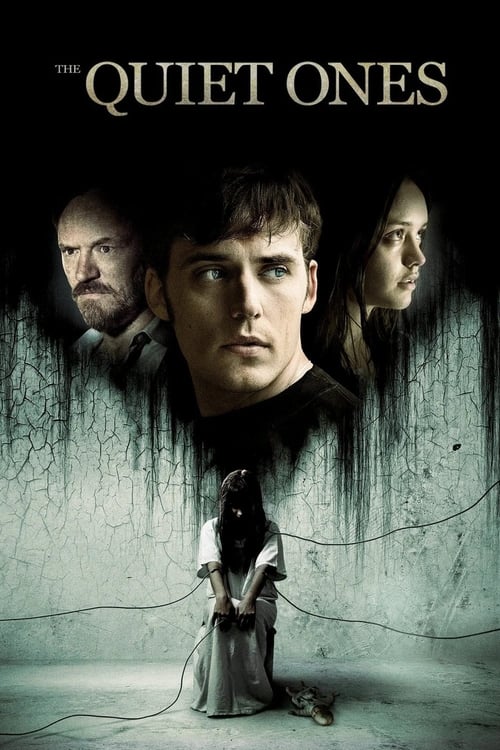
The Quiet Ones
2014 · found footage
How The Quiet Ones scares: There's a clammy, clinical unease to this one, like watching a science experiment slowly go wrong in a room you can't leave. Long stretches of tense, quiet build-up are used to set up the scares, with the camera and recording equipment themselves becoming part of the dread. It plays with the question of whether what's happening is madness or something else entirely, and leans more on unsettling suggestion than blood or gore. Good for people who like slow-moving, moody horror with a handful of well-placed jolts rather than constant action.

A Page of Madness
1926 · psychological horror
How A Page of Madness scares: Watching it feels like slipping into someone else's fractured mind, with images that blur together rather than a story that moves in a straight line. There are no jump scares here, no monsters jumping out, just a slow, dizzying sense of confusion and sadness that builds through strange, jarring editing and silence. The fear is quiet and internal, tied to madness and being trapped rather than any physical threat. It's less a scary movie in the usual sense and more an unsettling, dreamlike experience best suited to patient viewers interested in early experimental film.
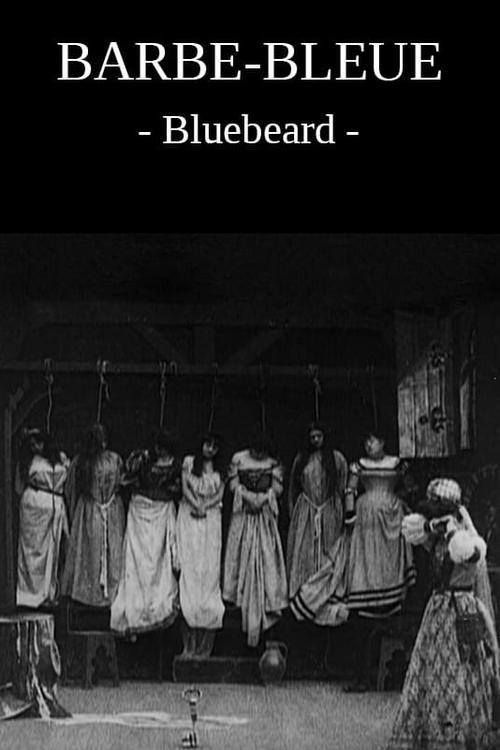
Bluebeard
1901 · dark fantasy
How Bluebeard scares: Watching this feels more like seeing a magic show than a modern scary movie, full of stage tricks, bright theatrical sets, and quick scene changes rather than any real dread. It moves fast, like a filmed fairy tale sketch, with simple staged effects standing in for true suspense. The fear here is old-fashioned and storybook in nature, built around a wicked husband and a dark secret room rather than gore or jump scares. It's a fun curiosity for fans of very early film history more than something that will actually unsettle a modern viewer.
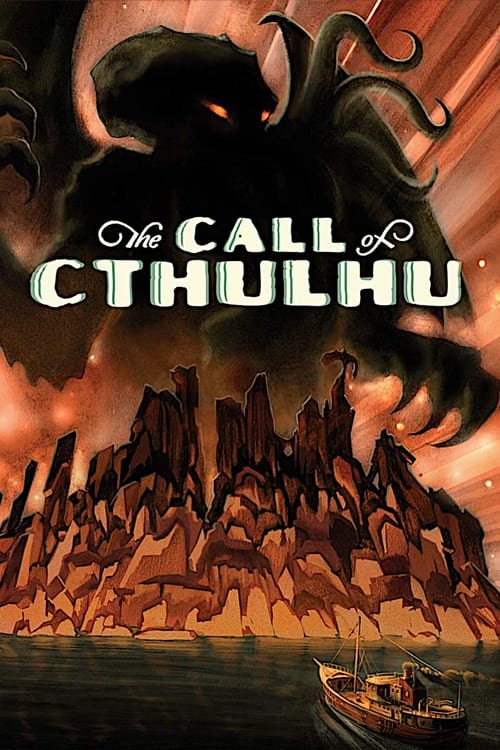
The Call of Cthulhu
2006 · cosmic horror
How The Call of Cthulhu scares: It unfolds like an old silent film, complete with title cards, grainy black-and-white visuals, and jerky old-timey motion, building slowly through documents, letters, and secondhand accounts rather than direct action. The pace is deliberate and dreamlike, more interested in mounting cosmic unease than in shocking you, and it never resorts to loud jolts or graphic violence. The fear here is quiet and creeping, tied to the idea of something vast and incomprehensible lurking behind ordinary reality, rather than anyone being chased or hurt on screen. It's a strange, artsy curiosity best suited to fans of old horror aesthetics and Lovecraft's brand of cosmic dread rather than anyone looking for a visceral scare.
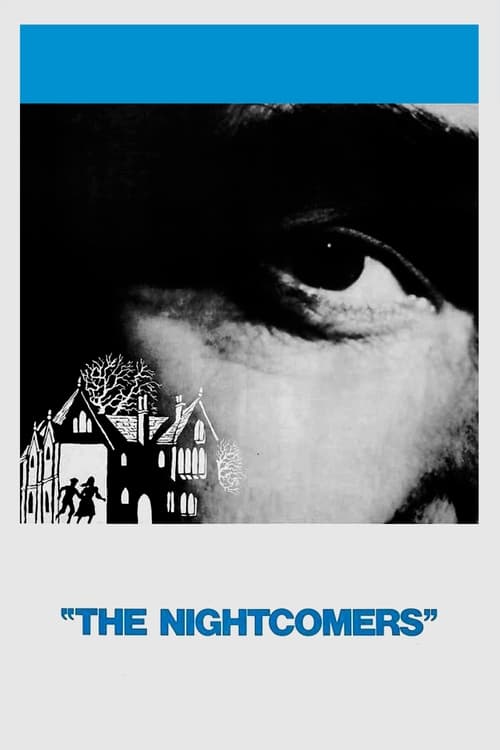
The Nightcomers
1972 · psychological horror
How The Nightcomers scares: The Nightcomers works less like a horror movie and more like a slow, uncomfortable character study that just happens to end in tragedy. It creeps along with long stretches of tension built from power, control, and twisted relationships rather than any monsters or jump scares. The dread comes from watching corruption spread quietly between adults and children, which feels queasy rather than thrilling. It's a heavy, unsettling watch aimed at people who want disturbing psychological horror, not cheap scares.
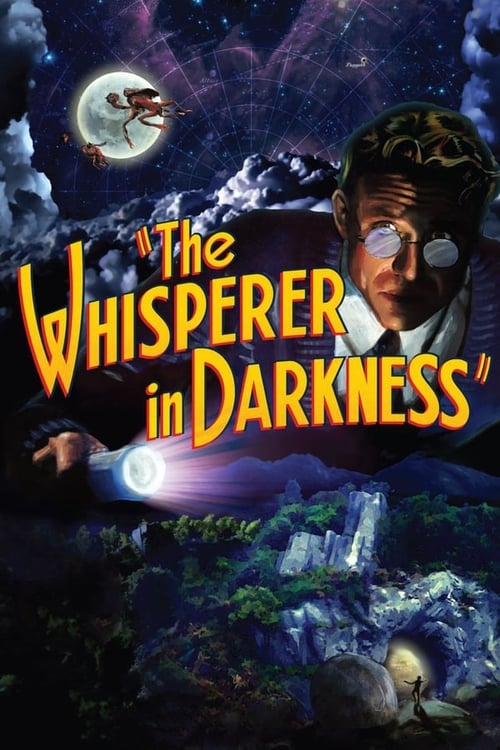
The Whisperer in Darkness
2011 · cosmic horror
How The Whisperer in Darkness scares: Watching it feels like sinking into an old black-and-white mystery serial that slowly turns cosmic and unsettling. The pace is deliberate and talky for most of its runtime, built on letters, interviews, and strange rumors rather than scares you can see coming, until the last act opens up into a more frantic, otherworldly threat. The fear here is more about unease and the sense that reality doesn't work the way you thought, not about blood or gore. It's a good pick if you like old-school pulpy dread and slow-building mystery over shock and jump scares.
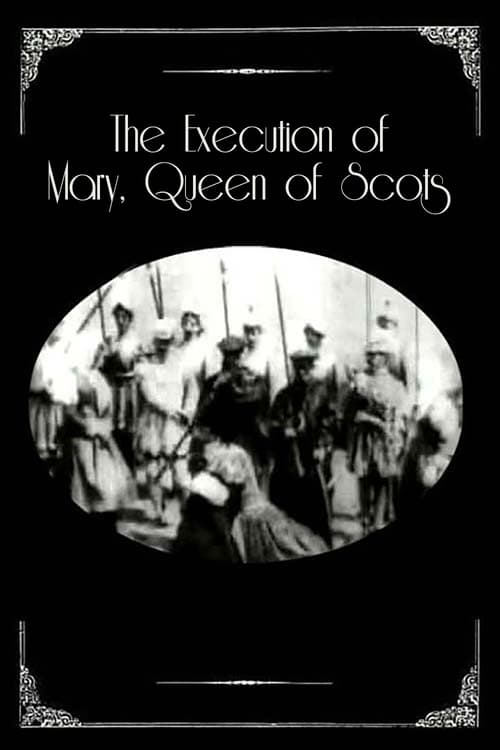
The Execution of Mary, Queen of Scots
1895 · historical
How The Execution of Mary, Queen of Scots scares: The Execution of Mary, Queen of Scots is less a horror movie in the modern sense and more a short historical reenactment built around one shocking special effect. It plays out in real time, with no build-up or mood-setting, just a quick staged beheading using an early stop-motion trick. There's no lingering dread or suspense, just the blunt shock of seeing violence depicted on camera for the first time. It's more a curiosity for film history fans than something meant to actually frighten a modern viewer.
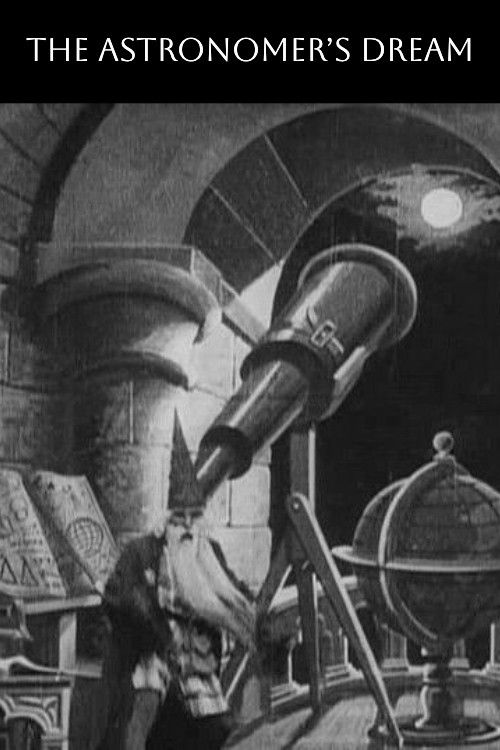
The Astronomer's Dream
1900 · camp
How The Astronomer's Dream scares: It opens gently with a man dozing off and then tumbles into a string of playful, dreamlike visions rather than building toward any real scare. The whole thing is short and whimsical, using trick photography and stage magic to turn the night sky into a silly, surreal spectacle. There's no real danger or dread here, just early cinema having fun with the idea of a bad dream. It's more charming curiosity than horror, good for anyone curious about where movie fantasy and trick effects began.
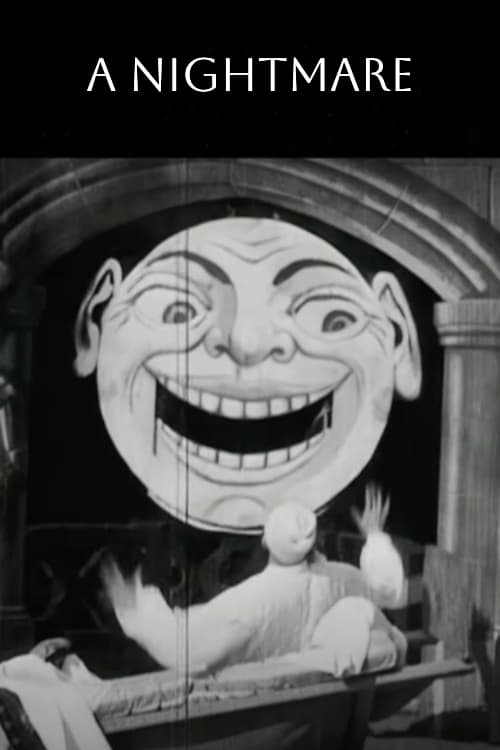
A Nightmare
1896 · period piece
How A Nightmare scares: Watching it feels like flipping through a strange picture book brought to life, full of odd trick-photography images rather than any real sense of danger. The pace is quick and dreamlike, hopping from one bizarre image to the next instead of building tension. There's no blood, no chasing, and nothing meant to make you jump out of your seat - it's more charming and curious than scary. Good for film history fans curious about the very earliest horror imagery on screen, not for anyone looking for real frights.
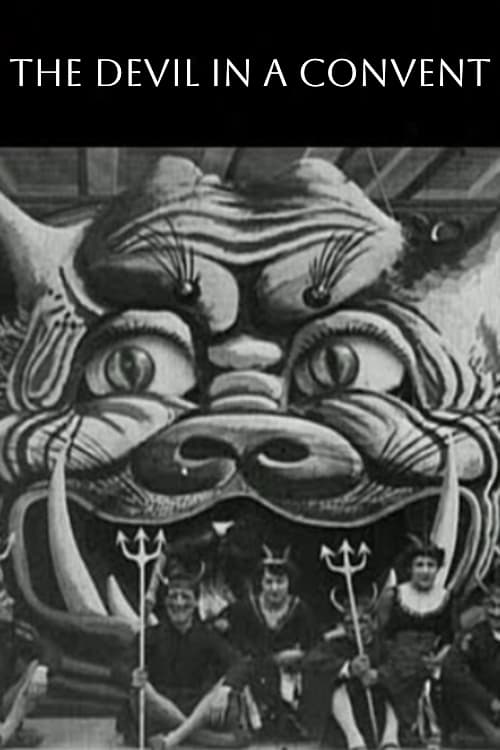
The Devil in a Convent
1899 · camp
How The Devil in a Convent scares: Watching this feels more like seeing a magic show than a horror movie, full of stage tricks, sudden transformations, and playful chaos rather than real fear. It moves fast, packed with quick visual gags and theatrical effects typical of very early trick films. The devil and supernatural mayhem are played for wonder and silly fright, not dread. It's a fun curiosity piece for film history fans, not something that will unsettle anyone today.
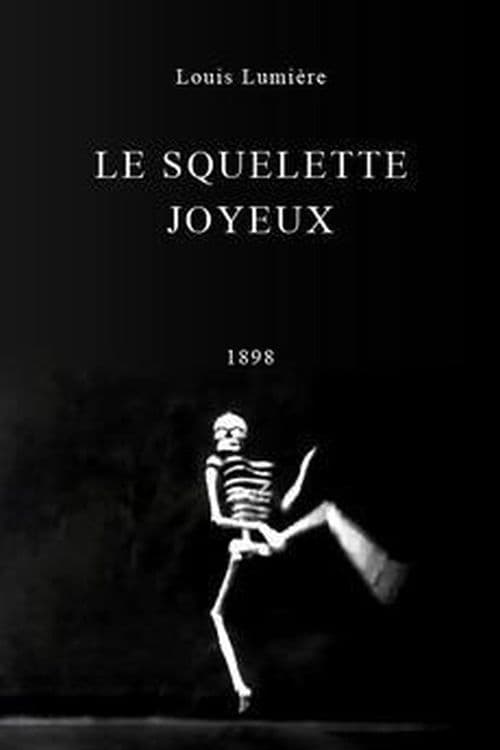
The Dancing Skeleton
1898 · camp
How The Dancing Skeleton scares: The whole thing runs just a minute or so, a single simple scene with no build-up and no story beyond the one playful idea. A skeleton dances around and falls apart and puts itself back together, more like a magic trick or a cartoon gag than anything meant to frighten you. There's no blood, no threat, and nothing chasing anyone — it's closer to a charming old novelty reel than a horror movie. Good for curiosity about early film history, not for actual scares.