Proto-slasher horror movies
The Horror Database (THDB) tracks 11 proto-slasher movies. As a group they run moderately intense (average intensity 2.6/5), lean toward slow-burn dread, and average 1.8/5 on gore. Ranked by popularity; every profile describes how the movie scares, spoiler-free.
All Proto-slasher horror movies on The Horror Database
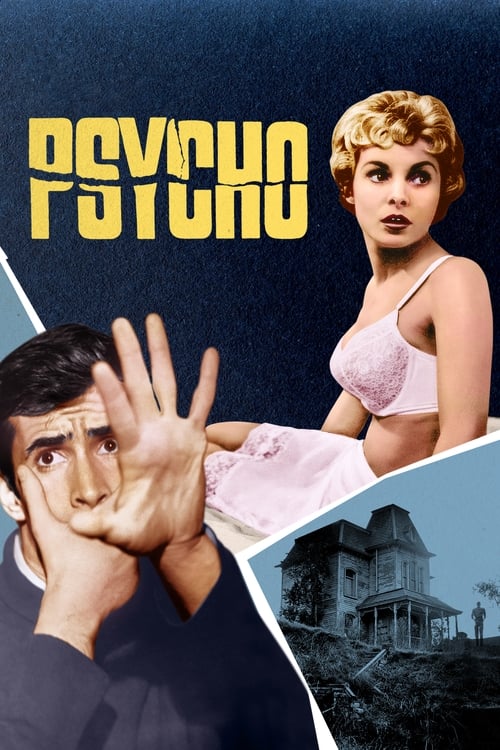
Psycho
1960 · psychological horror
How Psycho scares: It starts off as a tense crime story about a woman running from her own guilt, then slowly shifts into something much darker once she checks into a quiet, out-of-the-way motel. The dread builds through unease and odd behavior rather than jolts or gore, with a sense that something is deeply wrong long before anything violent happens. What makes it stick with you is the mood: isolation, quiet unease, and one unforgettable burst of violence that feels shocking because of how calm everything was before it. It's less about being scared in the moment and more about the creeping wrongness that stays with you after.
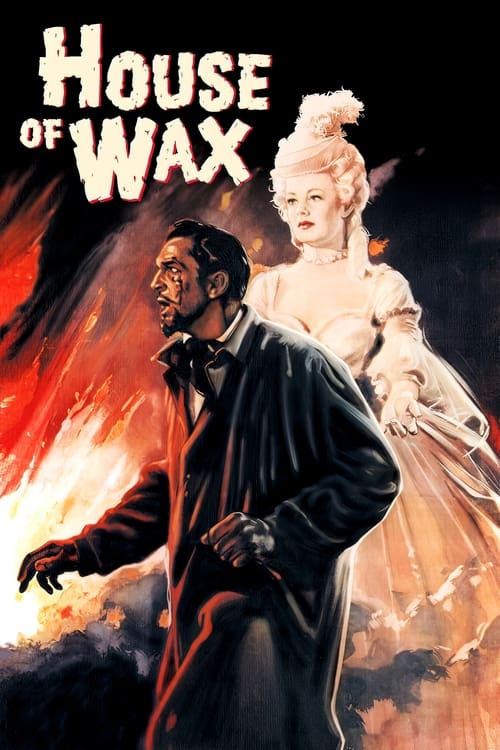
House of Wax
1953 · gothic
How House of Wax scares: There's a stagey, theatrical creepiness to this one, built around uncanny, too-lifelike wax figures and shadowy museum halls rather than blood or shocks. The pace is old-fashioned and deliberate, easing you through mystery and mood before tipping into a tense chase in its second half. The threat here is a disfigured, obsessed man, not anything supernatural, and the horror leans more eerie and atmospheric than graphic. It's a good pick if you like classic, moody horror with a touch of showmanship rather than something that will actually disturb you.
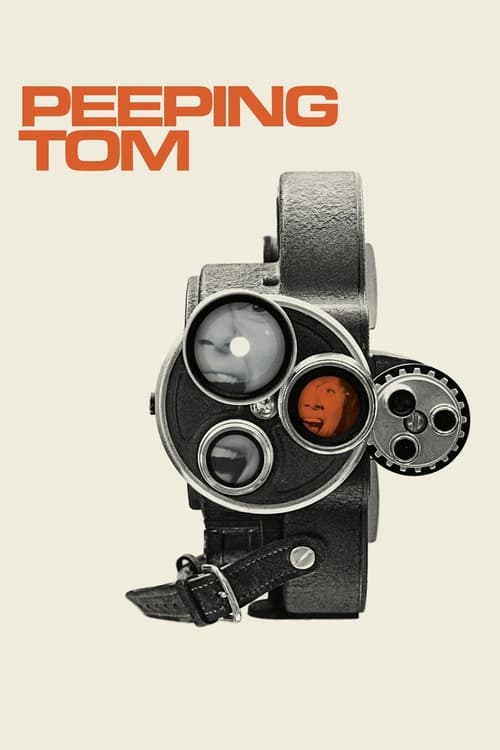
Peeping Tom
1960 · psychological horror
How Peeping Tom scares: Peeping Tom builds its dread slowly and quietly, through long, uncomfortable scenes of watching and being watched rather than shocks or jolts. The fear here lives almost entirely in your head: it's about guilt, voyeurism, and the queasy feeling of being made complicit in someone else's obsession. There's very little blood or violence actually shown, but the ideas underneath are deeply unsettling and stick with you well after it ends. This is one for people who like their horror cerebral and unnerving rather than loud or gory.
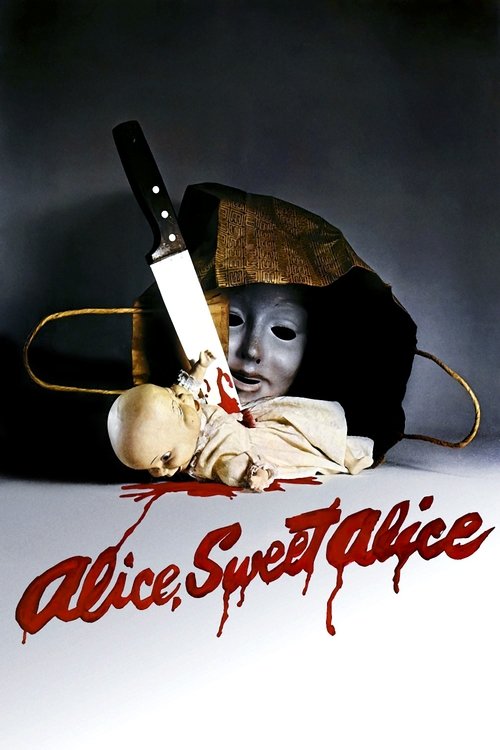
Alice, Sweet Alice
1976 · proto-slasher
How Alice, Sweet Alice scares: There's a grimy, uneasy feeling to this one that never really lets up, like something is wrong in this family long before anything violent happens. The pacing is slow and moody, built on strange looks, religious imagery, and a creepy child-sized mask, with the actual violence arriving in short, ugly bursts rather than constant action. It's more unsettling than thrilling, leaning into family dysfunction and grief instead of cheap scares. Good for fans of grim 70s thrillers who want something that sits with you afterward rather than a fun scare-fest.
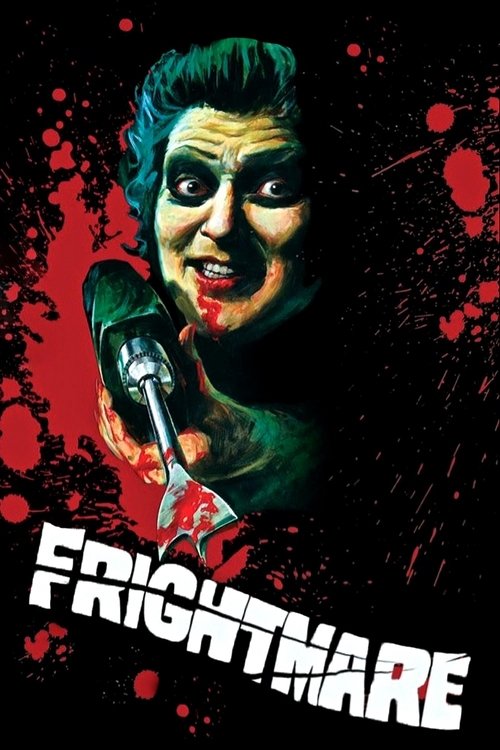
Frightmare
1974 · proto-slasher
How Frightmare scares: There's a queasy, creeping unease to this one that builds slowly through family tension before it lets the horror show its teeth. The pace is patient and talky for long stretches, more concerned with dread and suspicion than scares, until a handful of sudden, nasty bursts of violence break the calm. It leans into real, human monstrousness rather than anything supernatural, which makes it feel colder and more upsetting than thrilling. This is one for people who like grim, slow-cooked British horror with a genuinely sick streak rather than a fun scare-fest.
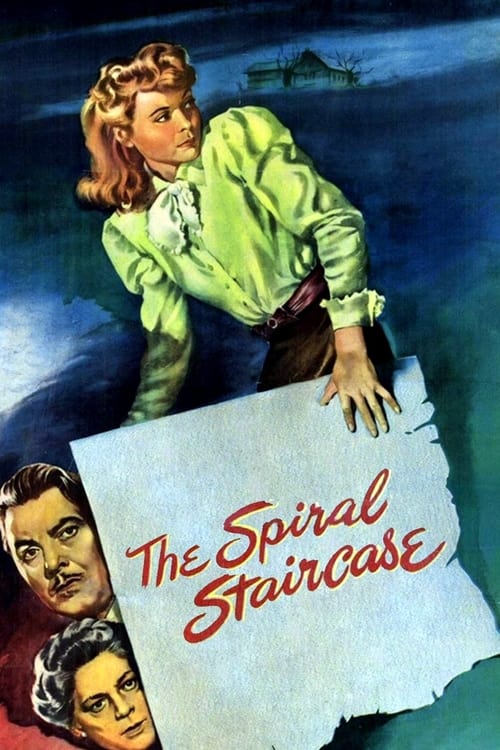
The Spiral Staircase
1946 · gothic
How The Spiral Staircase scares: The Spiral Staircase builds its fear through shadows, silence, and the terror of not being able to call for help. It moves slowly, letting dread creep in through creaking floors, close-ups of watching eyes, and a house full of dark corners rather than any sudden shocks. The scares come from feeling trapped and unheard, not from blood or violence, which stays almost completely off screen. It's an old-fashioned, moody thriller more than a gross-out horror movie, good for someone who likes tension and atmosphere over jolts and gore.
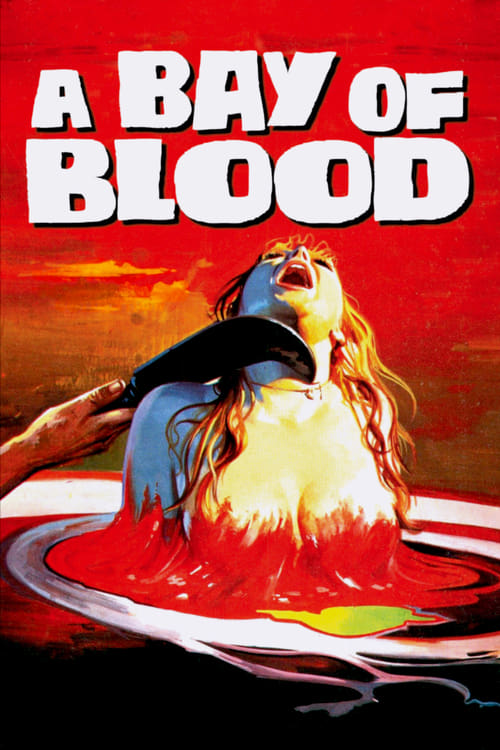
A Bay of Blood
1971 · proto-slasher
How A Bay of Blood scares: A Bay of Blood moves like a murder mystery crossed with a body-count movie, with long stretches of scheming and suspicion suddenly cut short by a burst of shocking, creative violence. The fear here isn't about mood or dread building in your head, it's about watching greedy, awful people get picked off in nasty, inventive ways. There's real blood and blunt violence on screen, shot with a stylish, almost painterly eye that keeps it from feeling mean-spirited. It's more of a twisted, darkly fun ride for gore fans and slasher-history buffs than something that will actually unsettle you afterward.
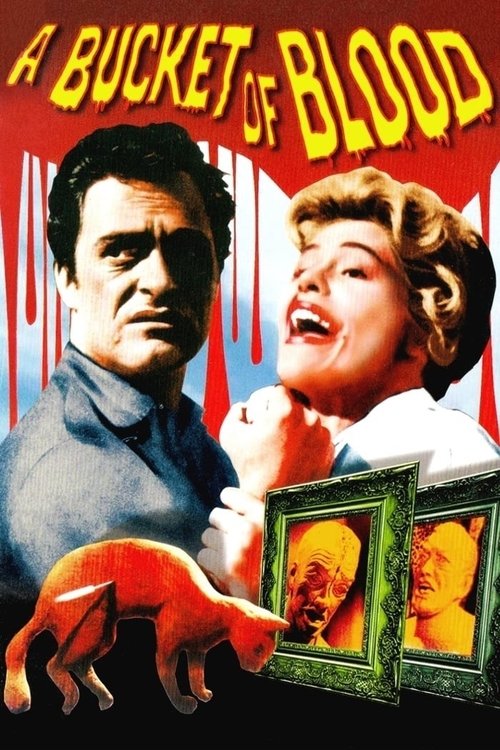
A Bucket of Blood
1959 · dark comedy
How A Bucket of Blood scares: A Bucket of Blood is really a dark comedy wearing a horror costume, poking fun at the beatnik art scene more than trying to scare anyone. The pace is light and talky, with a nerdy, sad-sack main character stumbling into trouble rather than any tension-building or stalking. There's almost no blood or violence shown on screen, and the horror elements are played for dry, ironic laughs instead of dread. It's a fun, campy watch for people who like old-school low-budget cheekiness more than actual scares.
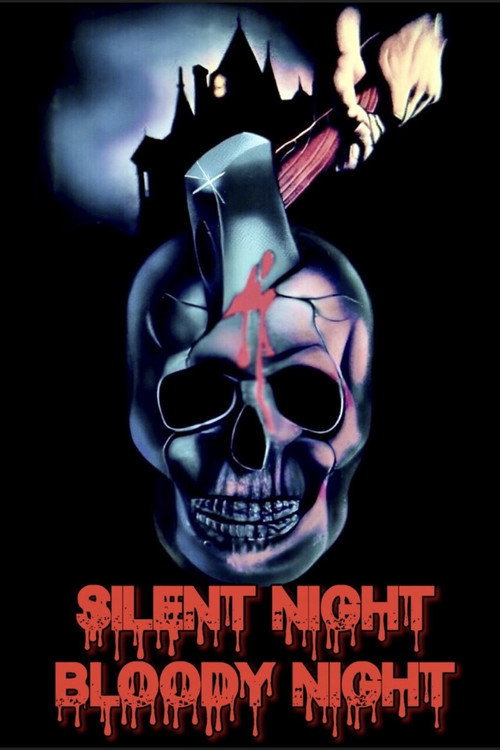
Night of the Dark Full Moon
1972 · proto-slasher
How Night of the Dark Full Moon scares: There's a slow, murky unease to this one, more like wandering through a fog of half-answers than being chased or startled. It moves at a crawl, spending most of its time on small-town secrets and old grudges instead of scares, so patience is required. The violence, when it comes, is sudden and grim rather than flashy or bloody. This is one for fans of obscure, rough-edged early horror who like piecing together a mystery more than jumping in their seat.
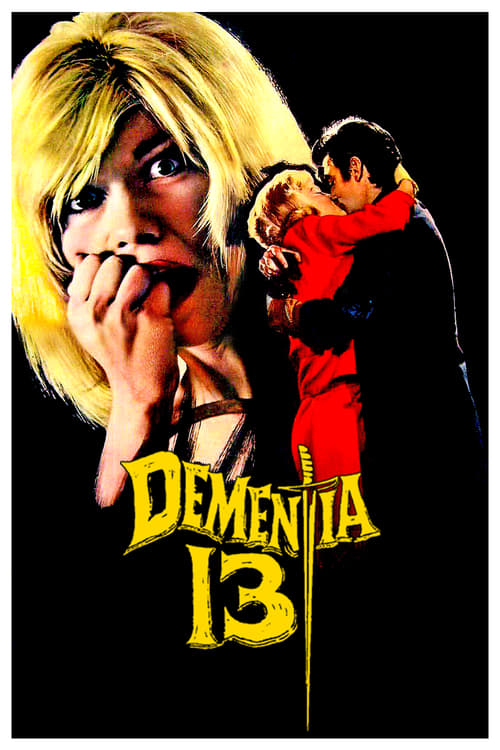
Dementia 13
1963 · gothic
How Dementia 13 scares: There's a hushed, uneasy quality to the whole thing, like walking through a cold old house where every creak might mean something bad. It moves slowly for long stretches, building suspicion and family secrets, then suddenly snaps into a burst of violence before slowing back down again. The threat here is a real person with an axe, not a ghost, so the fear is more about who's lurking around the corner than anything otherworldly. It's a moody, black-and-white gothic mystery more than a nonstop scare machine, good for someone who likes slow-building dread over jump scares.
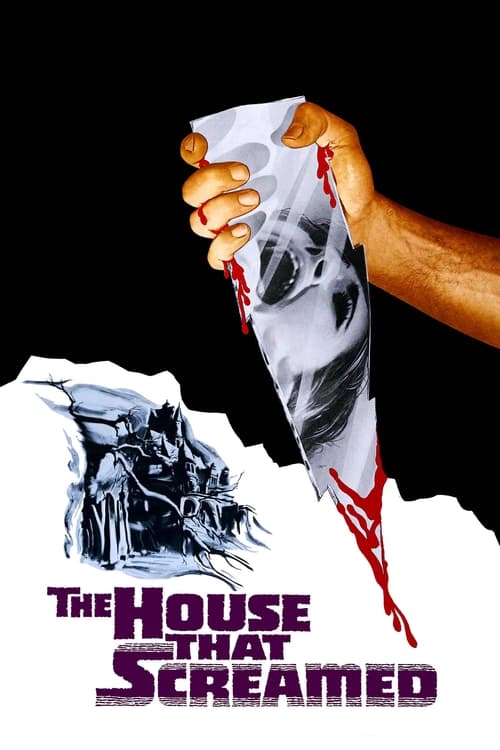
The House That Screamed
1969 · gothic
How The House That Screamed scares: There's a suffocating, closed-in feeling to this one, like being trapped inside a cold institution where cruelty is just part of the daily routine. The pace is slow and deliberate, building unease through control, humiliation, and repressed tension rather than jolts or shocks. It plays more like a grim character study of power and abuse behind gothic school walls, with the horror creeping up on you gradually until it turns genuinely nasty by the end. This suits patient viewers who like dread that builds through atmosphere and human cruelty rather than fast scares or supernatural menace.