Stalker horror movies
The Horror Database (THDB) tracks 33 stalker movies. As a group they run moderately intense (average intensity 2.9/5), lean toward slow-burn dread, and average 2.0/5 on gore. Ranked by popularity; every profile describes how the movie scares, spoiler-free.
All Stalker horror movies on The Horror Database
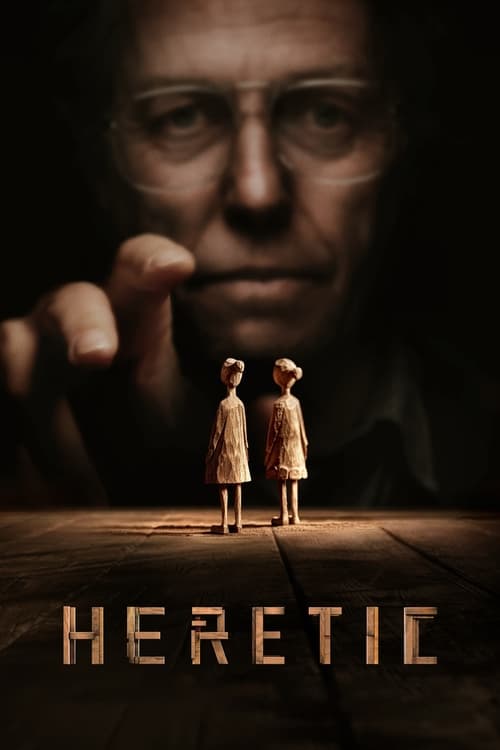
Heretic
2024 · psychological horror
How Heretic scares: It opens like a slow, talky debate about religion, with two missionaries drawn into a stranger's house for what feels like an intense conversation rather than a horror scene. The dread builds gradually through long stretches of unsettling dialogue and mind games before the situation turns physically dangerous and the walls start closing in for real. There are no cheap jump scares here; the fear comes from feeling trapped, outmatched, and manipulated by someone who's always a step ahead. It's a slow squeeze rather than a fun scare, and it leaves you thinking about control and belief long after it ends.

Trap
2024 · serial killer
How Trap scares: Trap plays more like a tense cat-and-mouse thriller than a traditional scare-machine, building nervous energy through irony and dramatic tension rather than dread or jump scares. The fear here comes from watching a dangerous situation unfold in plain sight, with the tension rooted in suspense and close calls rather than gore or physical brutality. It's a fun, twisty ride you can watch with family, not something that will haunt you afterward. Good for viewers who enjoy clever, nerve-wracking setups more than outright horror.
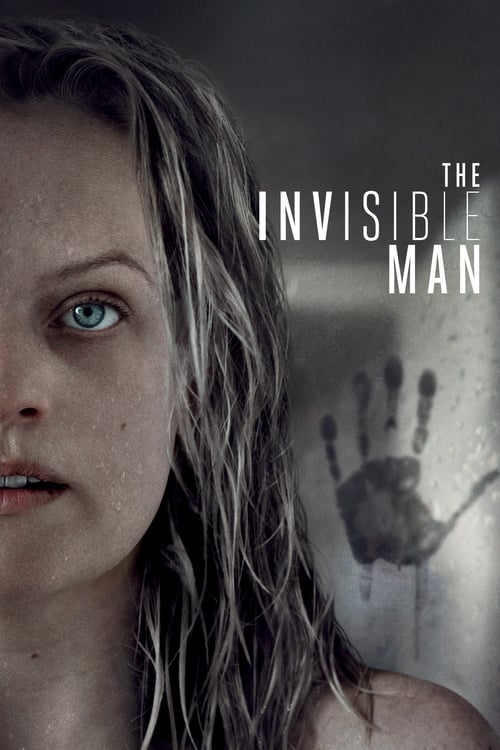
The Invisible Man
2020 · psychological horror
How The Invisible Man scares: It opens quiet and controlled, spending its first stretch on paranoia and gaslighting before shifting into more physical, violent confrontations as the danger becomes undeniable. The fear builds from not being believed and never feeling safe in your own space, which makes the tension crawl under your skin rather than just startle you. Once the threat turns physical, it gets tense and dangerous fast, with real stakes and no easy relief. It's less about cheap jolts and more about the dread of being hunted by something you can't see or prove exists.
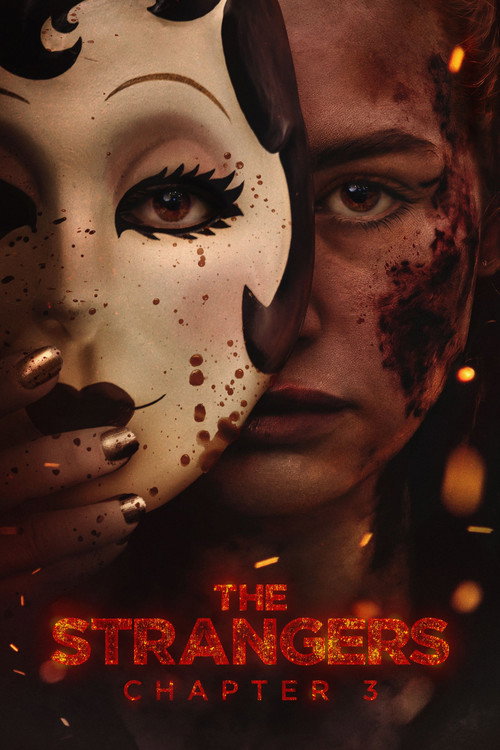
The Strangers: Chapter 3
2026 · home invasion
How The Strangers: Chapter 3 scares: The Strangers: Chapter 3 continues the trilogy's slow-build dread, with long stretches of quiet unease before masked figures close in. The fear here comes from being hunted by ordinary people with no clear motive, which makes it feel unsettlingly plausible rather than fantastical. Expect isolation, silence, and the sense that safety can be broken into at any moment, more than a barrage of jump scares. It leans toward tense survival horror rather than something that lingers as deeply upsetting once the credits roll.
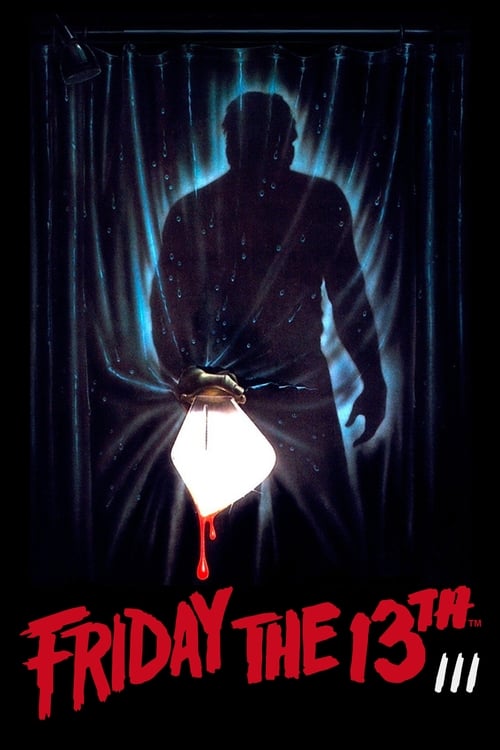
Friday the 13th Part III
1982 · slasher
How Friday the 13th Part III scares: Friday the 13th Part III sticks to the same formula as the rest of the early series: a group of young people hang out at a lake, and a masked killer picks them off one at a time. It's built around stalking scenes and sudden attacks rather than any deep sense of dread, so it plays more like a spooky fun house than something that gets in your head. The kills are bloody and played for shock and gross-out fun (this is also the one originally shot in 3D, so expect stuff poking at the camera). It's a good pick for a group watch or a horror-comfort-food night, not for anyone looking for something heavy or upsetting.
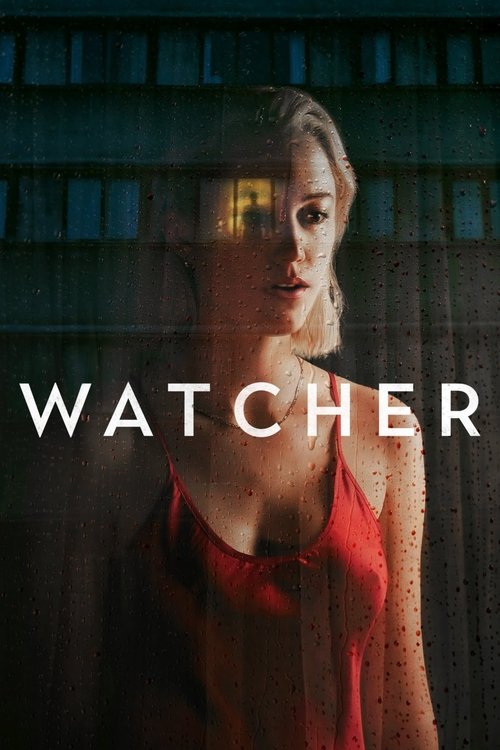
Watcher
2022 · psychological horror
How Watcher scares: A tight, uneasy feeling builds slowly as you watch someone start to doubt her own eyes and instincts. The pace is quiet and patient, letting long stretches of everyday city life curdle into paranoia rather than jumping out at you. Its fear comes from isolation, being disbelieved, and not knowing who to trust, more than from chases or violence. There's a real sense of dread that creeps in gradually and stays unsettling rather than fun, with only brief bursts of harsher violence near the end.

Hush
2016 · home invasion
How Hush scares: Watching this feels like holding your breath for most of the runtime, since the main character can't hear the danger closing in and neither can you rely on sound cues the way most horror movies use them. The pace is tight and mostly steady tension rather than jump scares, with the fear coming from being trapped and out-thought as much as from being chased. It leans hard into physical danger and clever back-and-forth strategy between hunter and hunted, with a decent amount of on-screen violence when things turn physical. This is a good pick if you want a lean, stressful thriller rather than something ghostly or slow-building.
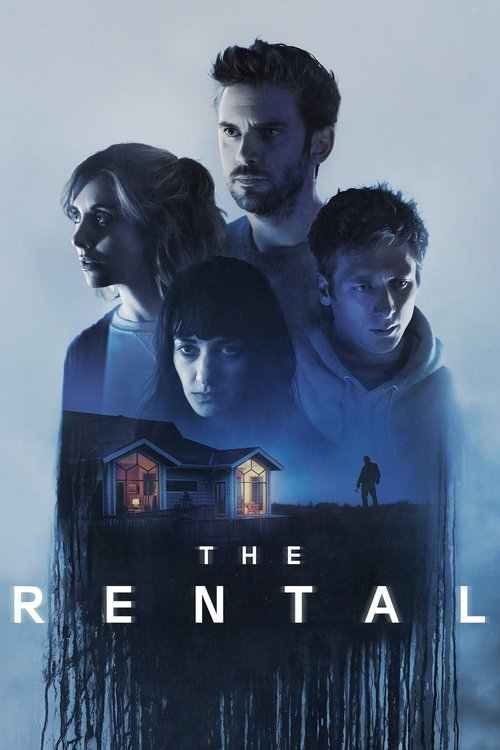
The Rental
2020 · slow burn
How The Rental scares: It spends most of its time as a tense hangout movie, letting jealousy, distrust, and small lies between two couples build slowly before anything overtly scary happens. Once the sense that someone might be watching them takes hold, the mood shifts into cold, creeping paranoia rather than jump scares. The last stretch turns into a harder, more physical nightmare, but the movie earns it through patience rather than shock cuts. It's a good pick if you like slow dread and an ending that leaves you unsettled rather than relieved.
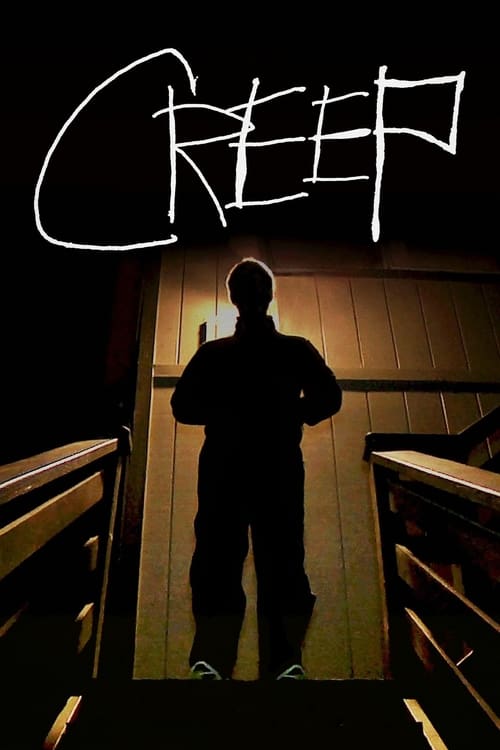
Creep
2014 · found footage
How Creep scares: You spend most of the runtime feeling awkward and unsure whether you're overreacting, which is exactly what makes it so uncomfortable. The camera never leaves the two people in the story, so every strange comment or too-long stare lands directly on you with nowhere to look away. It's a quiet, patient kind of unease rather than a movie stacked with jolts, and the dread builds slowly through conversation and behavior instead of music cues or shadows. This is one for people who like their scares low-key and character-based, not for anyone wanting fast thrills or blood.
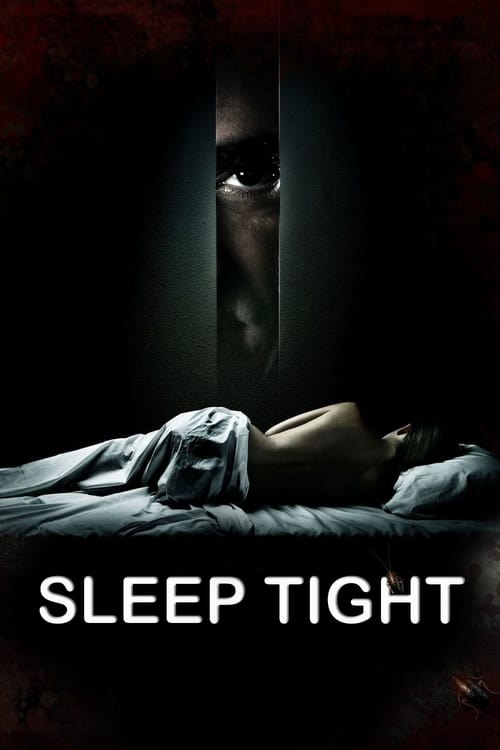
Sleep Tight
2011 · psychological horror
How Sleep Tight scares: Sleep Tight builds its fear from watching someone quietly and patiently violate another person's life, one small intrusion at a time. There are no monsters or jolts here, just a mounting sense of dread as you realize how much control one calm, ordinary-looking man has over someone who has no idea she's in danger. The horror comes from helplessness and violation rather than blood or chases, and it sits heavy in your stomach rather than making you jump. This is one for people who want something quiet, uncomfortable, and hard to shake, not a fun scare-fest with the lights off for a party.
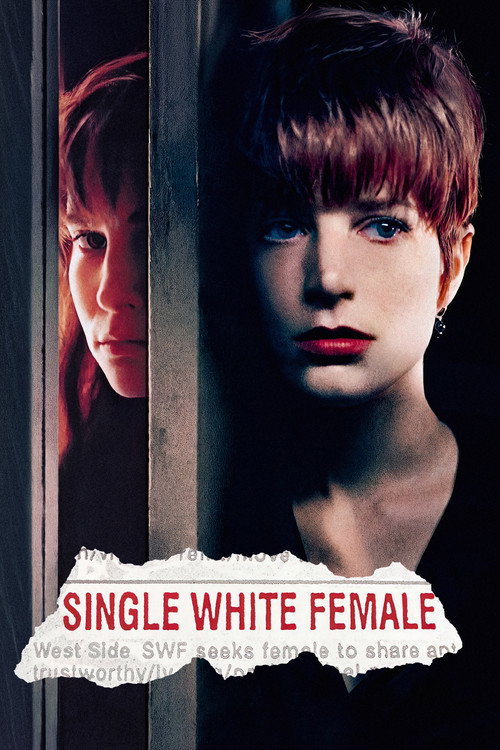
Single White Female
1992 · psychological horror
How Single White Female scares: A slow, uncomfortable tightening in your chest is what this movie goes for, not sudden shocks. It builds through small, creepy details in everyday domestic life, like a roommate copying your haircut or going through your things, before tipping into real danger. The fear comes from watching trust curdle into something unsafe in a space that's supposed to feel safe, your own home. By the later stretch it turns into a tense, physical fight for survival, but most of the runtime is about paranoia and slowly losing control of your own space.
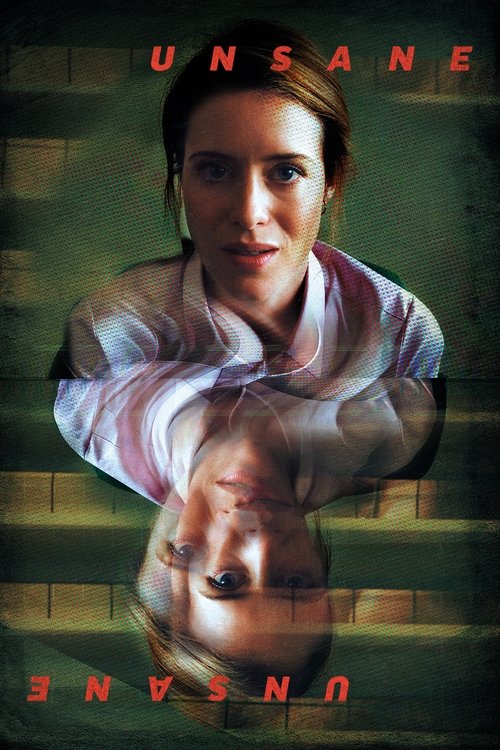
Unsane
2018 · psychological horror
How Unsane scares: It starts tight and claustrophobic, trapping you inside a psychiatric facility alongside a woman who isn't sure if she's actually in danger or losing her grip on reality, and it stays in that uneasy headspace for most of the runtime before tipping into more direct physical threat near the end. The camera work feels cheap and intimate on purpose, like security footage or a phone recording, which makes everything feel closer and more uncomfortable. There are no monsters or ghosts here, just a very real, very personal kind of dread about not being believed and not being in control of your own body or surroundings. It's more unsettling than gory, better suited to people who like tense, paranoid thrillers than to those looking for scares and jumps.

Within
2016 · home invasion
How Within scares: It opens like a quiet family drama about starting over in a new house, then slowly tightens into a stalking nightmare once you realize someone else might already be inside the walls. The back half shifts into a more frantic home-invasion chase, with jolts and close calls piling up as the family tries to figure out who they can trust. There's no ghost or monster here, just a very real, very patient threat hiding closer than anyone realizes. It's the kind of horror that plays on being watched in your own safe space rather than being drenched in blood.

Borderline
2025 · home invasion
How Borderline scares: Borderline moves fast and mean, mixing dark laughs with bursts of real violence rather than slow dread. The scares come from a dangerous, unpredictable man closing in on his target inside her own home, so the fear is physical and immediate, not creepy or supernatural. It's played with a wink throughout, so the tone stays closer to a twisted comedy than a nightmare. Good for people who want a violent, darkly funny ride rather than something that actually haunts them.
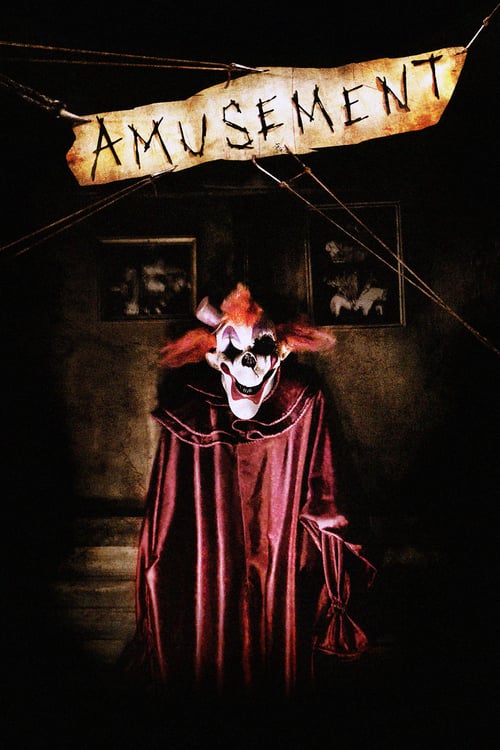
Amusement
2008 · slasher
How Amusement scares: It opens with three separate stories that slowly reveal how they connect, building toward one long stretch of chasing and stalking once the pieces click together. The pace is uneven, with quieter stretches of dread followed by sudden bursts of violence and jump scares. The threat here is a very human, masked stalker rather than anything ghostly, so the fear leans more into physical danger than mind games. It's the kind of horror movie you watch for a fun scare with friends, not one that stays with you for long after the credits roll.

He Knows You're Alone
1980 · slasher
How He Knows You're Alone scares: Starts off as a moody stalker story, with a lot of time spent on the sense of being watched before the killing really ramps up in the back half. The pace follows the classic slasher formula: a slow setup, a string of kills spread through ordinary places like a dance studio or a bridal shop, and a cop closing in near the end. There's more suspense from being followed and cornered than jump scares, though a few are sprinkled in. It's a product of its era, playing like a fun, moody throwback rather than something that leaves you shaken.
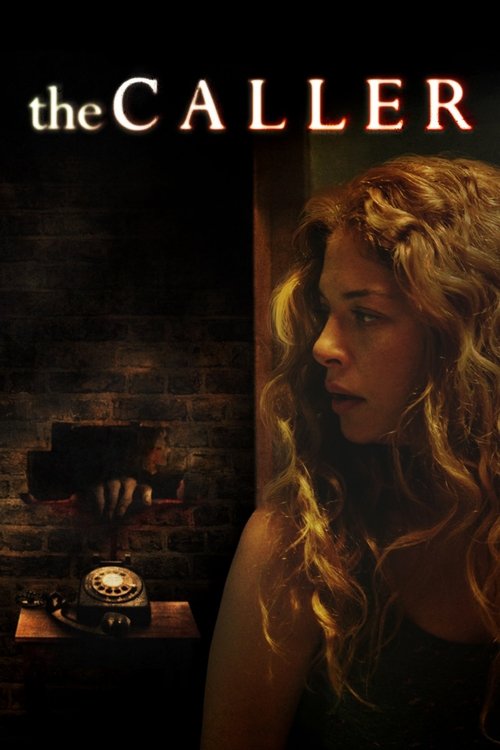
The Caller
2011 · psychological horror
How The Caller scares: The Caller builds its dread slowly through phone calls and a growing sense that something is deeply wrong with time itself. The scares come from unease and a creeping feeling of helplessness rather than jump scares, as the main character realizes she can't escape or reason her way out of her situation. There's a strange, quiet horror to it, more unsettling than violent, though it does turn physical and grim in its back half. It's a good pick for anyone who likes their horror moody and psychological rather than loud and jumpy.
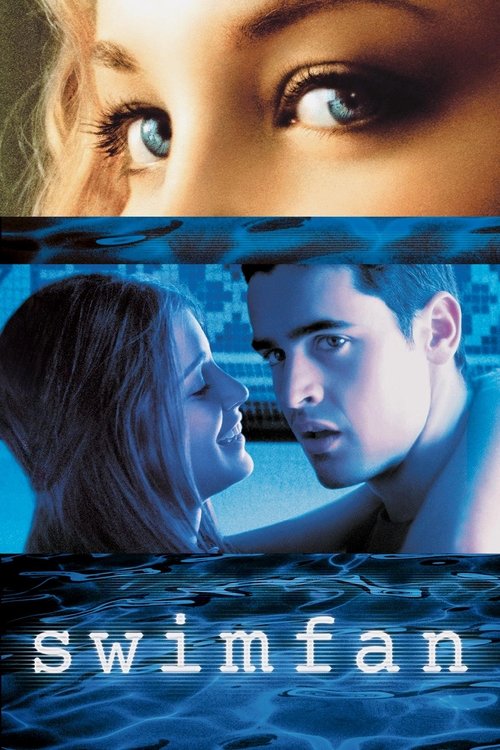
Swimfan
2002 · psychological horror
How Swimfan scares: It starts like a typical teen romance drama and slowly tightens into a stalker thriller as the new girl's interest turns into something controlling and dangerous. The tension builds through escalating jealousy and manipulation rather than sudden scares, with the back half picking up into more direct physical danger. There's little blood here, and the fear is more about watching someone's life get hijacked than feeling truly haunted afterward. It plays well for anyone who likes obsessive-crush thrillers more than hardcore horror.
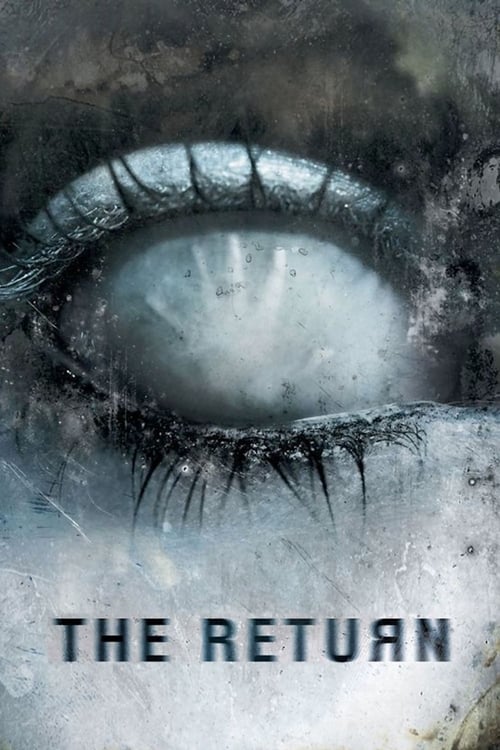
The Return
2006 · psychological horror
How The Return scares: The Return leans on mood and mystery more than shocks, following a woman whose disturbing visions and fractured memories slowly take over her sense of reality. The pace is deliberate and moody, more mystery-thriller than horror ride, with tension built through unease and dread rather than sudden scares. It sits in that hazy space where you're never quite sure if something supernatural is going on or if it's all in her head, which keeps things unsettling without ever getting graphic. This one is better suited to viewers who like slow psychological unease over jump scares or blood.
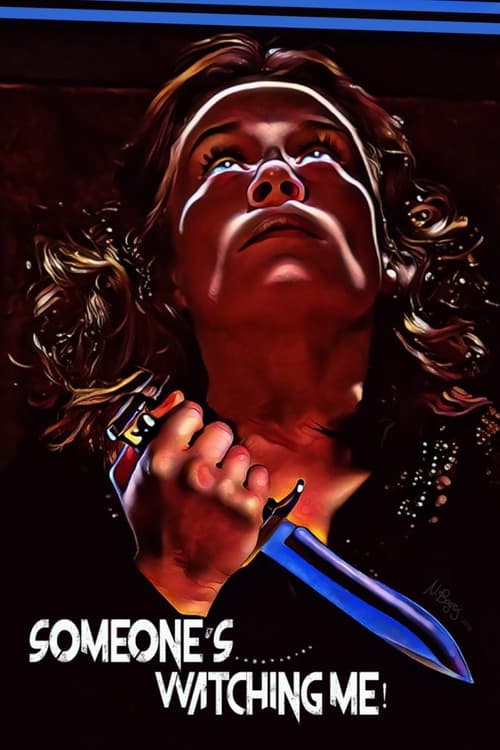
Someone's Watching Me!
1978 · psychological horror
How Someone's Watching Me! scares: Someone's Watching Me! builds its fear through slow, quiet paranoia rather than shocks, following a woman who starts to feel like her apartment isn't as private as she thought. Most of the tension comes from phone calls, watching eyes, and the creeping sense that she's never really alone, rather than sudden attacks. It's more of a tense, controlled thriller than a bloody or violent film, and it feels closer to a stalker suspense story than a supernatural horror. Good for viewers who like slow-building dread and clever tension over gore or jump scares.
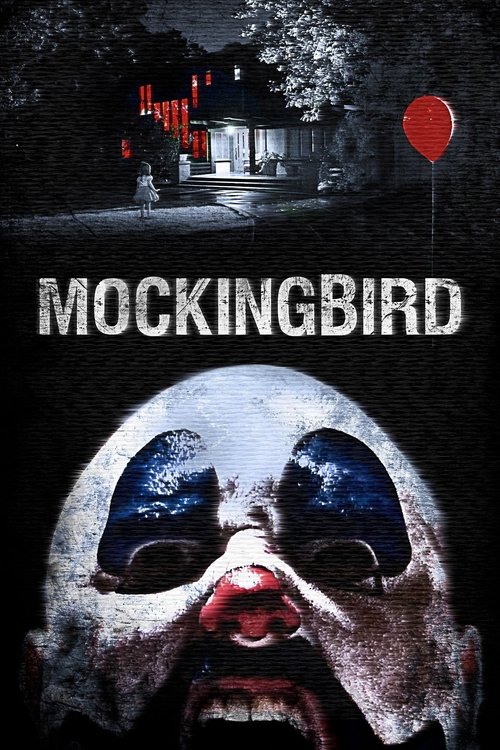
Mockingbird
2014 · found footage
How Mockingbird scares: Mockingbird follows three separate people being forced to follow strange instructions through cameras left in their homes, and the found footage style makes everything feel raw and unplanned. The pace crawls for long stretches, building a sense of being watched and controlled, before tipping into panicked, chaotic violence near the end. The fear here is mostly about helplessness and not knowing who's behind the camera, with a stalker menace that feels unsettlingly human rather than magical. It's a good pick if you like slow dread that pays off with a rough, frantic finish rather than constant jolts.
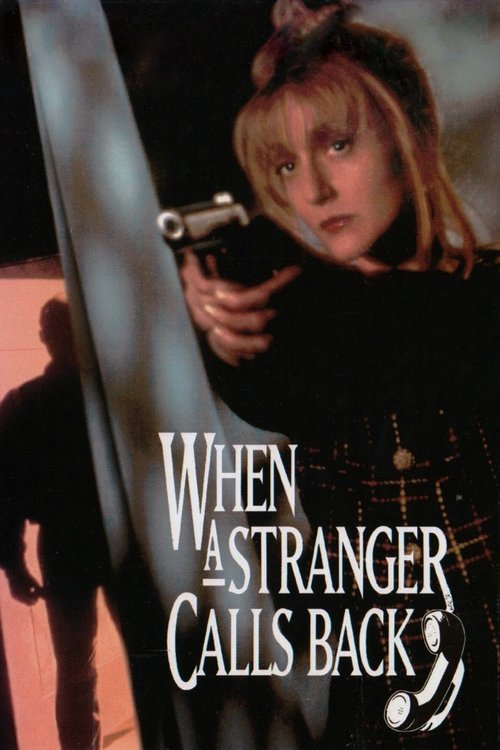
When a Stranger Calls Back
1993 · stalker
How When a Stranger Calls Back scares: The dread here creeps in slowly and sits with you, built on long stretches of quiet unease rather than loud shocks. Much of the fear comes from waiting and watching, from the sense that someone is closer than they should be, not from gore or violence on screen. It's a patient, talky thriller more than a rollercoaster, with a chilling stalker at its center and very little blood. Good for viewers who like their scares slow and unsettling rather than fast and jumpy.
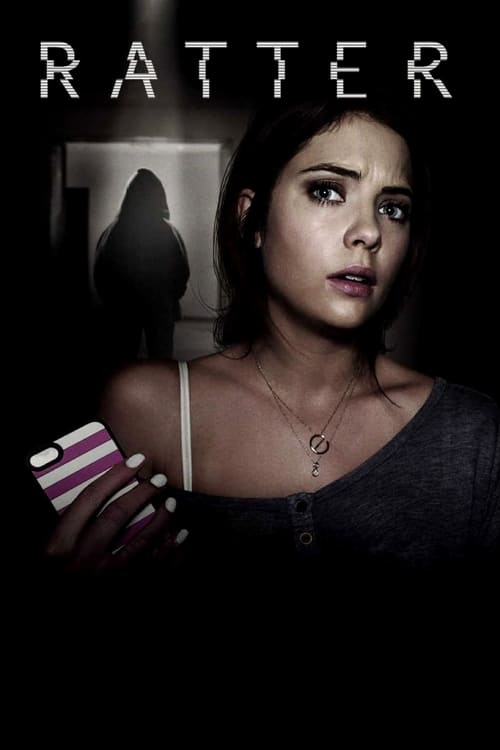
Ratter
2015 · found footage
How Ratter scares: Ratter builds its fear through screens: webcams, phone cameras, and laptop feeds that slowly turn a normal life into something being watched by someone else. Most of the runtime is quiet, uncomfortable dread as you realize how much of an ordinary day is caught on camera, rather than loud scares or gore. It's grounded in something that feels uncomfortably possible, which makes it linger less as a scary story and more as a nagging worry about your own devices. Good for viewers who like tension built from paranoia and invasion of privacy rather than monsters or blood.
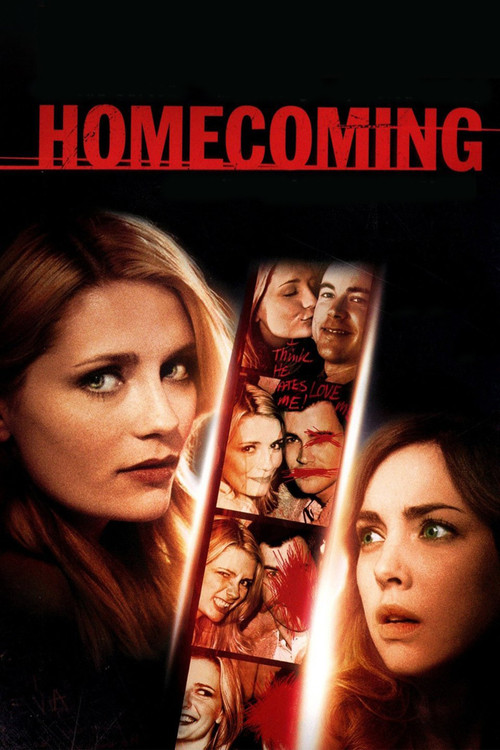
Homecoming
2009 · psychological horror
How Homecoming scares: There's a slow, uneasy creep to this one, more about watching someone unravel than jumping in your seat. The fear comes from obsession and jealousy curdling into something dangerous, with tension building steadily instead of relying on shocks. Late in the film things turn more physically dangerous, but most of the runtime is about suspicion, control, and someone who won't let go. It's a small-town, teen-thriller kind of scary rather than a nightmare-inducing one.

Babysitter Wanted
2007 · home invasion
How Babysitter Wanted scares: It starts small and quiet, with a lone babysitter settling into a job at an isolated farmhouse, then slowly tightens as odd phone calls and a prowling stranger outside the windows start chipping away at her sense of safety. The back half turns into a tense cat-and-mouse ordeal, with the threat closing in and the danger becoming direct and physical rather than just suggested. There's a decent amount of blood and rough violence once things escalate, and the scares lean on both slow dread and sudden jolts. It's a good pick if you like babysitter-in-danger thrillers with an isolated setting and don't mind some nasty violence along the way.
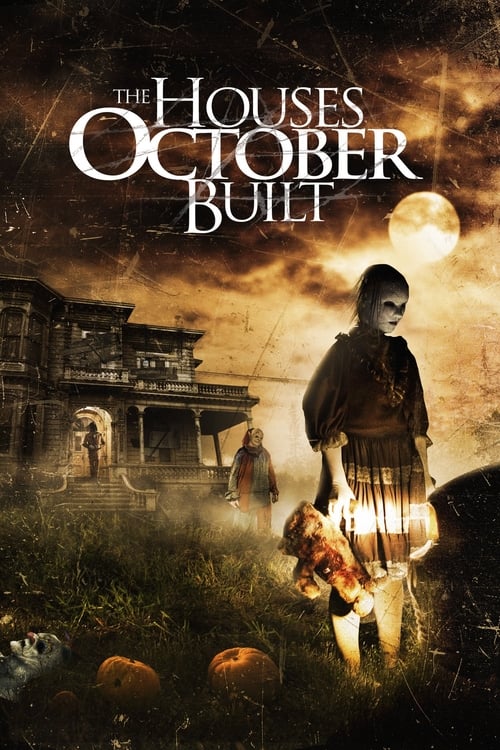
The Houses October Built
2014 · found footage
How The Houses October Built scares: There's a creeping unease that builds the whole way through, like something is watching just off camera, long before anything actually happens. The found-footage style makes it feel raw and unscripted, with shaky glimpses of masked figures and strange warnings that pile up slowly rather than jumping out at you constantly. It leans on real, grounded dread — no ghosts or demons, just the growing sense that these friends have wandered somewhere they shouldn't have. The back half tightens into something much more frightening and hard to shake, especially if you don't like the feeling of being followed or trapped.

Bad Match
2017 · psychological horror
How Bad Match scares: There's a nagging, uneasy feeling that builds as a casual hookup turns into something the main character can't control or escape. The pace is slow at first, more about mounting dread and bad decisions than shocks, before tightening into real physical danger later on. It leans on paranoia and the sense of being watched rather than jump scares, with the fear coming from how out of control everything gets. This is more for people who like tense, grounded thrillers about obsession than fans of big scares or monsters.
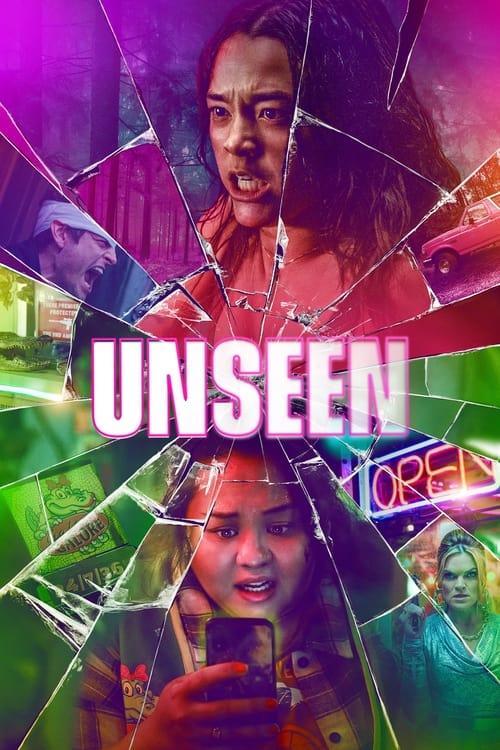
Unseen
2023 · stalker
How Unseen scares: There's a real sense of helplessness here, since so much of the fear comes from watching someone try to survive a threat she literally cannot see, relying only on a voice on the phone to guide her. The pace moves like a tense chase, with stretches of quiet dread in the woods punctuated by sudden bursts of danger rather than cheap jolts. It leans more into nail-biting suspense and vulnerability than blood or shock effects. Good for people who like a tight, real-world cat-and-mouse thriller more than ghosts or gore.
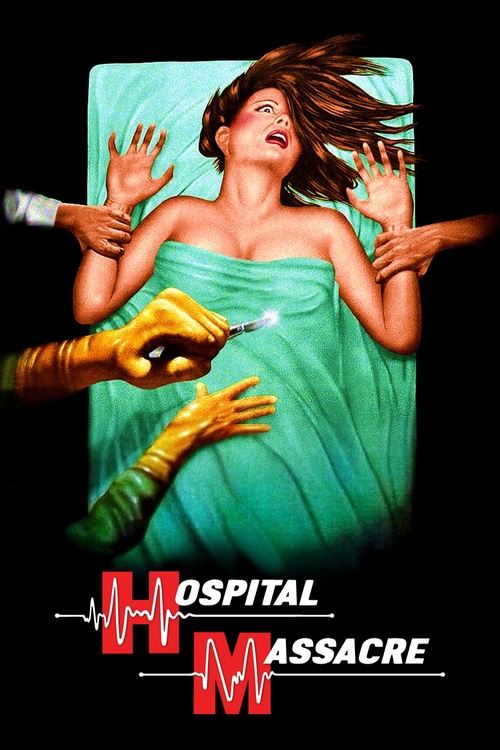
Hospital Massacre
1981 · slasher
How Hospital Massacre scares: Hospital Massacre plays like a cheap, sleazy early-80s slasher that leans on a creepy stalker-in-plain-sight setup more than genuine dread. Most of the runtime is a woman wandering empty hospital halls while someone watches her, with bursts of stabby violence breaking up the quiet. The tension comes from isolation and not knowing who around her is safe, rather than any deep mind games. It's cheesy, low-budget slasher fun for genre fans, not something that will actually haunt you.
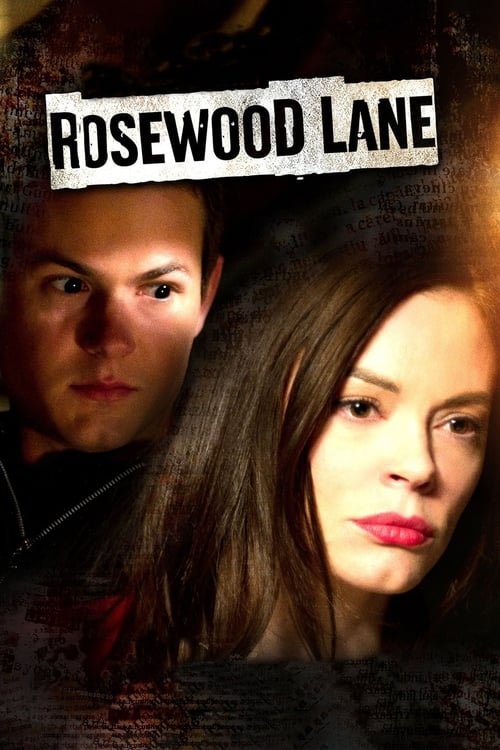
Rosewood Lane
2011 · psychological horror
How Rosewood Lane scares: There's a nagging, uneasy feeling that builds slowly as ordinary suburban life starts to feel wrong, more unsettling than jumpy. The pacing takes its time, letting suspicion and paranoia grow before anything really happens, with only occasional startles rather than constant jolts. The danger here is a real, human threat, not anything supernatural, and the movie leans on dread and creeping wrongness rather than blood or violence. It's the kind of horror that gets under your skin through tension and distrust rather than shock, good for a quieter, tension-driven watch rather than a loud scare-fest.

Like.Share.Follow.
2017 · psychological horror
How Like.Share.Follow. scares: Like.Share.Follow. builds its fear through unease rather than shocks, focusing on the slow creep of obsession and how easily online attention can turn sour. The tension comes from paranoia and manipulation rather than physical danger, with the threat feeling uncomfortably plausible in today's social media world. It's more of a slow, uneasy watch than a thrill ride, aimed at viewers who like their horror grounded and quietly unsettling rather than loud or gory.

Hit and Run
2009 · revenge
How Hit and Run scares: The story kicks off fast with an accident and guilt, then settles into a slower stalk-and-terrorize rhythm as the past comes back to haunt the main character. Tension builds through paranoia and the feeling of being watched, mixed with bursts of direct confrontation. The scares lean on guilt and dread more than gore, though there's some physical danger woven in. It plays like a smaller, low-budget revenge horror flick rather than an epic, so don't expect huge scale or lasting nightmares.
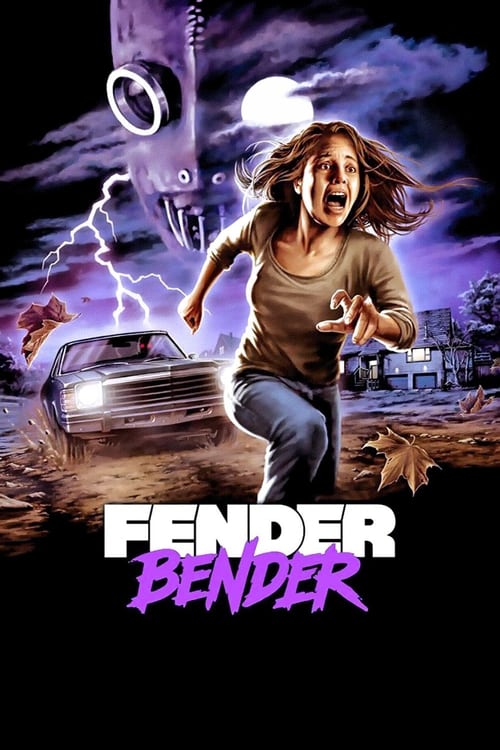
Fender Bender
2016 · slasher
How Fender Bender scares: It opens with a small, everyday accident and then slowly tightens into a stalker-and-hunt situation once the killer has a way to track his target. The middle stretch relies on creeping unease, phone calls, and the sense of being watched, before shifting into a more violent, chase-heavy back half. It's a simple, low-budget slasher setup, more about a masked-out predator closing in than about deep dread, with a handful of bloody jolts along the way. Good for fans of straightforward stalker slashers who want body-in-danger tension rather than a heavy psychological gut-punch.