Surreal horror movies
The Horror Database (THDB) tracks 83 surreal movies. As a group they run moderately intense (average intensity 3.4/5), lean toward slow-burn dread, and average 2.2/5 on gore. Ranked by popularity; every profile describes how the movie scares, spoiler-free.
All Surreal horror movies on The Horror Database
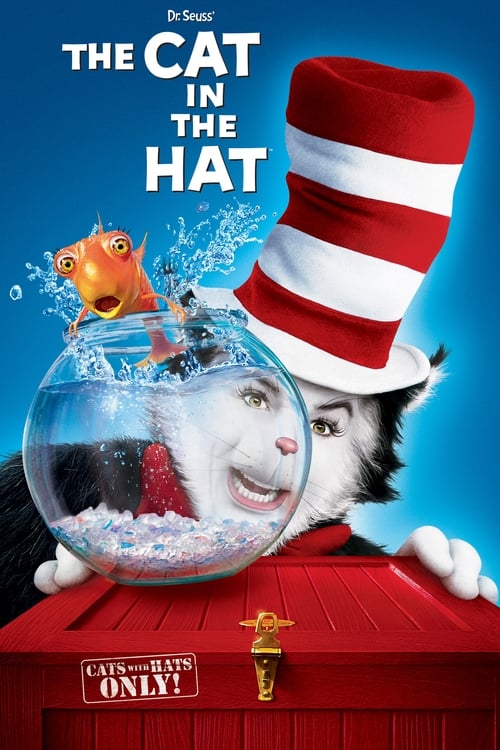
The Cat in the Hat
2003 · horror comedy
How The Cat in the Hat scares: Watching this feels like chaotic, colorful kids' comedy, not horror at all—it's silly, loud, and full of slapstick energy rather than fear. There's no dread, no danger, and nothing meant to scare anyone, just a wacky talking cat causing mischief in a house. It's the kind of movie you'd put on for young kids on a rainy afternoon, with zero scares to worry about.
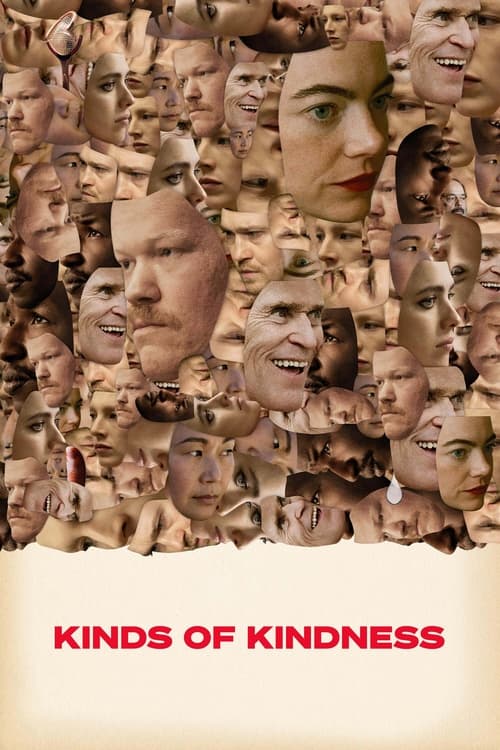
Kinds of Kindness
2024 · psychological horror
How Kinds of Kindness scares: There's a constant low hum of unease here, the kind that comes from watching people give up their free will and not knowing if you should laugh or feel sick about it. Told in three separate stories with the same actors playing different roles, it moves at a deadpan, controlled pace, with dialogue delivered flatly even during shocking moments. The scares aren't jumps or monsters, they're about control, obedience, and how far people will go for approval or love, with sudden bursts of violence or self-harm that land harder because the tone stays so calm. It's more for people who like uncomfortable, thought-provoking dark comedy than anyone looking for traditional horror thrills.
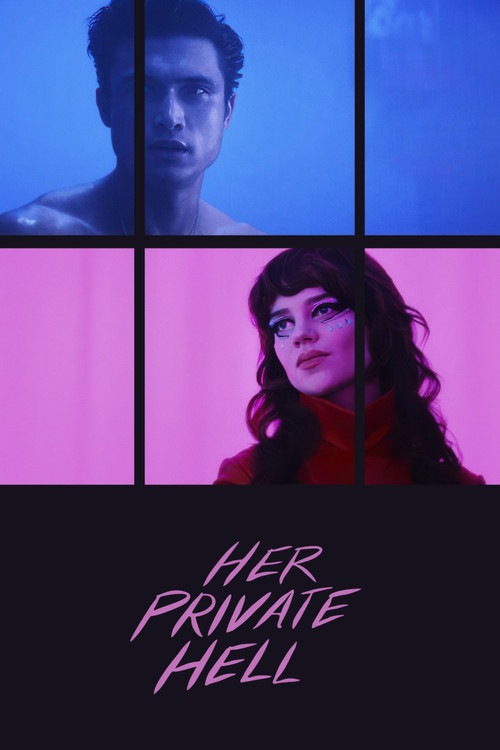
Her Private Hell
2026 · neo-noir
How Her Private Hell scares: It seems to open like a moody noir mystery before drifting into something stranger and more nightmarish, with a fog-covered city blurring the line between a missing-person hunt and a descent into something otherworldly. Given the director's style, expect long stretches of hypnotic, neon-soaked atmosphere over quick scares, with unease built through mood, color, and silence rather than jolts. The threat feels dreamlike and uncertain rather than a clear monster or killer, and any violence is likely stylized and unsettling rather than realistic. This looks like a pick for people who enjoy slow, surreal, art-house horror over fast thrills.
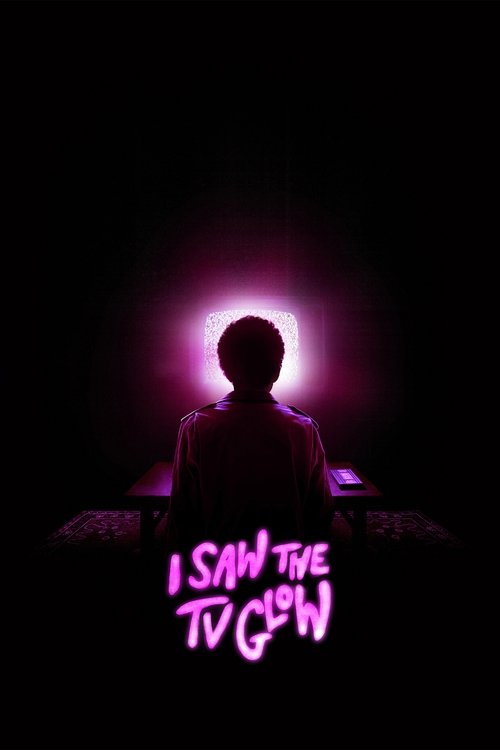
I Saw the TV Glow
2024 · psychological horror
How I Saw the TV Glow scares: I Saw the TV Glow moves like a half-remembered dream, drifting through hazy suburban nights instead of building toward scares. The dread here isn't about monsters jumping out; it's about the slow, creeping feeling that your own life might not be real, that time is slipping past you while you stay stuck. There's almost no blood and barely any physical danger — the horror lives entirely in identity, memory, and a sense of dissolving reality. It's a quiet, sad, unsettling watch more than a fun scary one, and it tends to sit with you for a long time afterward, especially if themes of feeling disconnected from your own life resonate with you.
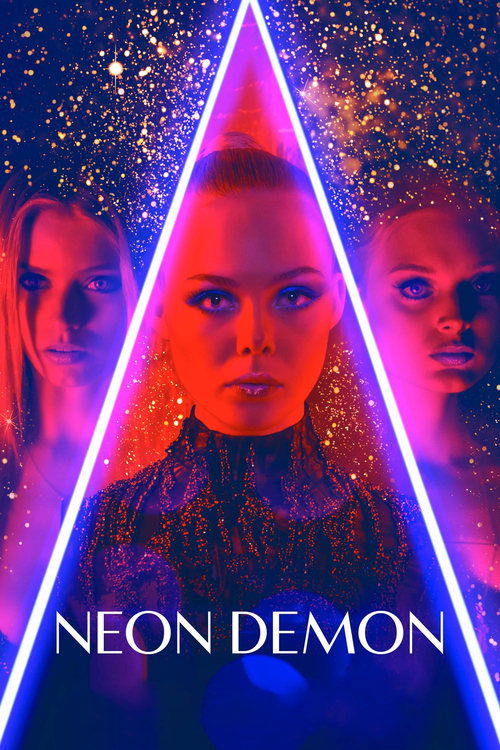
The Neon Demon
2016 · atmospheric
How The Neon Demon scares: Watching it feels like sinking into a slow, glowing dream that slowly turns rotten around you. The pace is hypnotic and deliberate, all long stares, neon light, and silence, with almost no jump scares to break the trance. The fear here is quiet dread and a sick feeling in your stomach as beauty and jealousy curdle into something dangerous, and when it finally turns ugly, it turns ugly fast and stays with you. This is for people who like style-heavy, artsy horror that unsettles rather than startles.
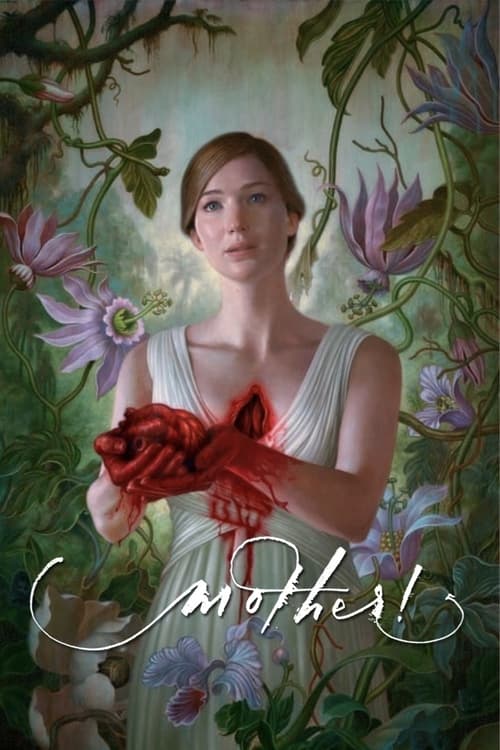
mother!
2017 · psychological horror
How mother! scares: Mother! starts slow and almost cozy, with a creeping sense that something is wrong in a quiet house, then keeps escalating until it becomes a relentless, overwhelming spiral by the end. There are no jump scares here; the fear comes from watching a home and a mind get invaded piece by piece until control is completely gone. It leans more into symbolism and dream logic than a clear monster or villain, so the dread is more about helplessness and violation than being chased. This is not a fun scare - it's meant to unsettle and stick with you, and it can feel like an assault on the senses by the final stretch.

Jacob's Ladder
1990 · psychological horror
How Jacob's Ladder scares: Jacob's Ladder traps you inside one man's crumbling grip on reality, where ordinary rooms and faces suddenly twist into something wrong before snapping back to normal. The fear here isn't about being chased or cut up, it's about not being able to trust your own eyes or memory, which builds a deep, creeping unease rather than jolts. Flashes of violence and body horror do show up, but they're quick and disorienting rather than gory. This is a heavy, sad, unsettling watch meant for people who want to feel shaken and think about it for days, not for a fun scare-night with friends.
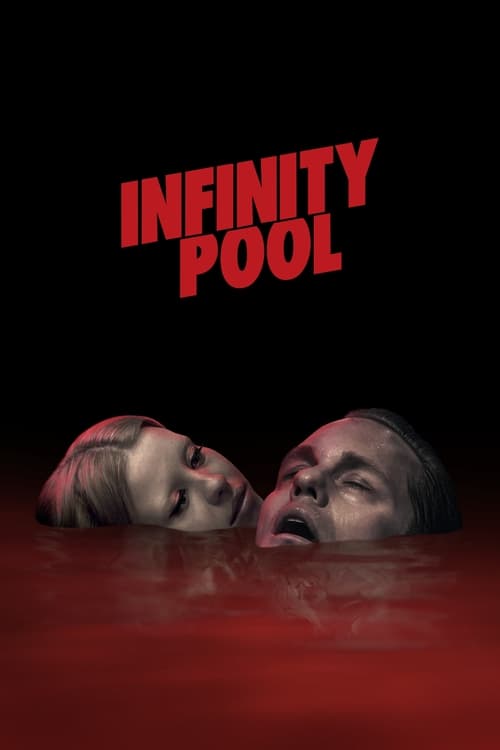
Infinity Pool
2023 · body horror
How Infinity Pool scares: Infinity Pool works on you like a slow spiral into something rotten, not through jump scares but through mounting unease and disorienting, drug-like imagery. The fear here is less about being chased and more about watching people lose their sense of self and morality piece by piece, which sits heavy in your head rather than your gut. It mixes sun-soaked vacation beauty with sudden ugly violence and strange sexual excess, so the tone keeps lurching between seductive and repulsive. This is for viewers who want to feel unsettled and a little sick afterward, not for anyone looking for a fun scare.
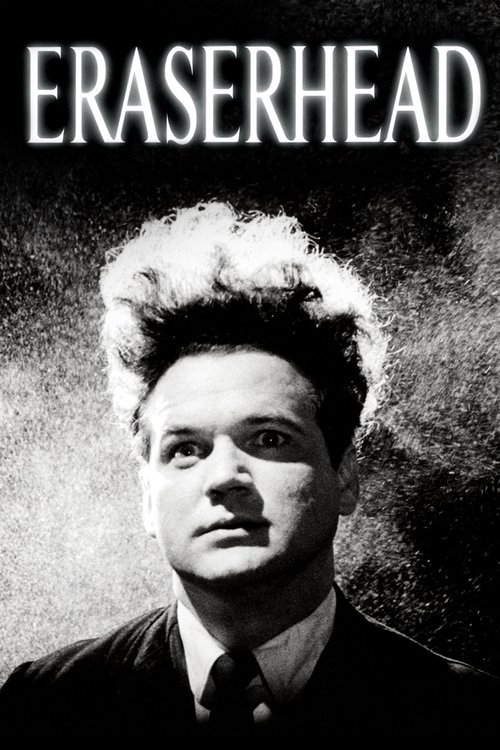
Eraserhead
1977 · body horror
How Eraserhead scares: You come out of it feeling like you just had a fever dream that wouldn't end, unsettled in a way that's hard to explain to anyone else. The pace is slow and heavy, with long stretches of industrial noise and silence that build a suffocating, off feeling rather than any quick scares. It's less about a monster jumping out and more about wrongness soaking into everything: sounds, faces, rooms all feel slightly broken. This is for people who like strange, artsy horror that messes with your head rather than anyone looking for a straightforward scary movie night.
Inland Empire
2006 · psychological horror
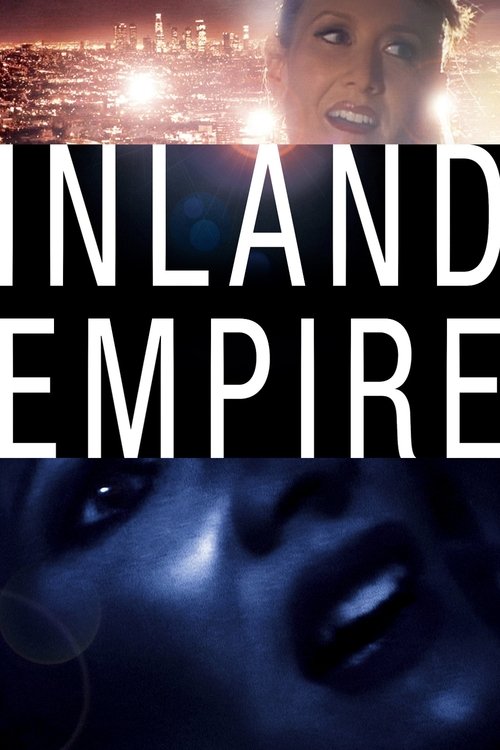
How Inland Empire scares: You feel like you're losing your grip on reality right along with the main character, as scenes bleed into each other with no clear logic or timeline. There's no build-up-and-release rhythm here, no jump scares to break the tension; instead it's a long, disorienting slide into confusion and dread that never really resolves. The fear comes from feeling lost and unmoored rather than from anything jumping out at you, and a curse tied to the story gives everything an uneasy, off-kilter feeling without ever fully explaining itself. This is a heavy, strange watch meant for people who like their horror abstract and unsettling rather than fun or straightforward.

HIM
2025 · body horror
How HIM scares: There's a woozy, pressure-cooker feeling to this one, like your body and mind are both being pushed past their limits at the same time. The pace is more slow-build than jump-scare, with training sequences that start normal and slowly tip into strange, hallucinatory territory. The fear mixes body horror around injury and physical punishment with a creeping dread about loyalty, hero worship, and losing yourself to someone else's control. It's the kind of horror that sits with you afterward rather than making you jump in your seat, good for viewers who like their scares uncomfortable and a little surreal rather than fun and jumpy.
Mandy
2018 · surreal
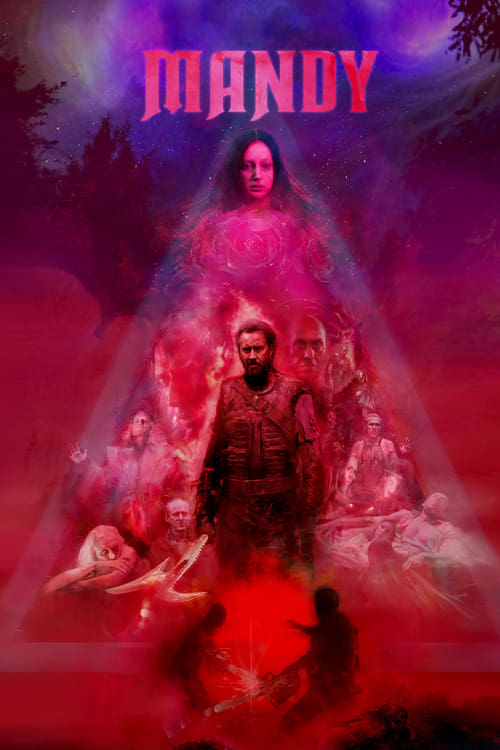
How Mandy scares: The first half moves like a slow, dreamy haze, all soft colors and quiet dread, before the story snaps into a jagged, hallucinogenic revenge rampage that doesn't let up. It plays more like a fever dream than a traditional scary movie, mixing real dread with drug-fueled visions and sudden bursts of brutal violence. The cult and their followers feel almost otherworldly, even though the horror is rooted in real, human cruelty. It's heavy and strange rather than jumpy, built for people who want to feel unsettled and hypnotized rather than startled.
Videodrome
1983 · body horror
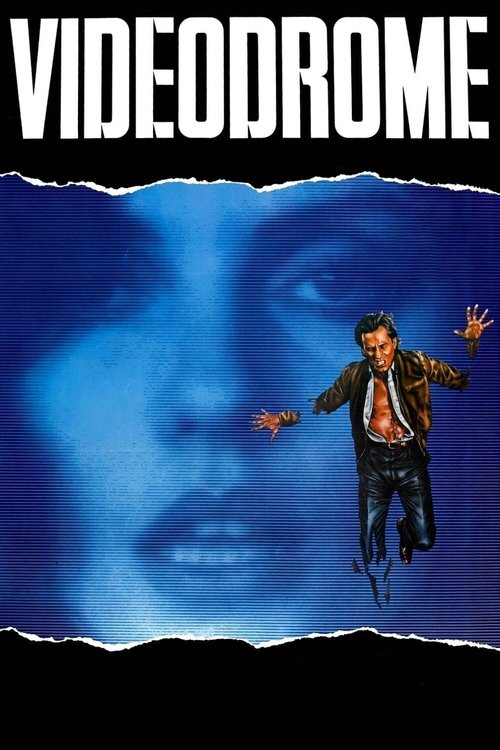
How Videodrome scares: It starts almost like a sleazy media satire, following a cable TV executive chasing edgier content, then slowly mutates into something stranger and harder to pin down as reality and hallucination blur together. The pace is unhurried and dreamlike, with body horror images that arrive gradually rather than through shocks or jump scares. This is less about being chased and more about losing your grip on what's real, with practical effects that feel wet, fleshy, and wrong. It's a strange, disturbing watch that sticks with you, more suited to fans of weird, cerebral horror than anyone looking for a fun scare.
The Cell
2000 · psychological horror
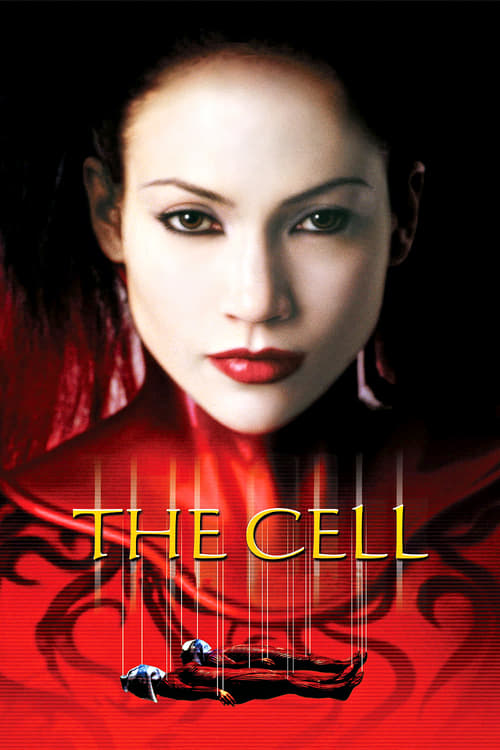
How The Cell scares: It opens like a grim procedural, following investigators racing against a clock, before sliding into long, dreamlike stretches inside another person's mind. The pace slows way down once it gets there, trading chases and jolts for strange, elaborate visions that feel more like disturbing art than a traditional scare ride. The horror comes from unsettling images and the discomfort of being trapped inside a twisted headspace, not from things jumping out at you. It's a good pick if you want something visually strange and heavy rather than a fun scream-fest, since the imagery can stick with you after it's over.

Society
1990 · body horror
How Society scares: Society spends most of its time as a paranoid teen drama, quietly building the sense that something is deeply wrong with the people around its hero before it lets loose. The pace is slow and uneasy for a long stretch, then explodes into a jaw-dropping, nightmarish finale full of stretched and melting bodies. There are barely any jump scares here; the horror comes from creeping unease and then a flood of stomach-turning body transformation effects. It's a cult favorite for gore fans and people who love weird, practical-effects-driven nightmares, but it can genuinely disturb rather than just thrill.

The House
2022 · surreal
How The House scares: Three separate stories unfold across different time periods, each one slower and stranger than the last, with the mood shifting from sad and eerie to almost nightmarish before settling into something quietly melancholy. Nothing here jumps out at you; instead the unease comes from strange stop-motion visuals, odd characters, and a growing sense that something is wrong with the house itself. It's more sad and unsettling than outright scary, the kind of dread that sits in your chest rather than makes you jump. This is best for people who like weird, dreamlike animation and don't need blood or scares to feel unsettled.
Altered States
1980 · psychological horror
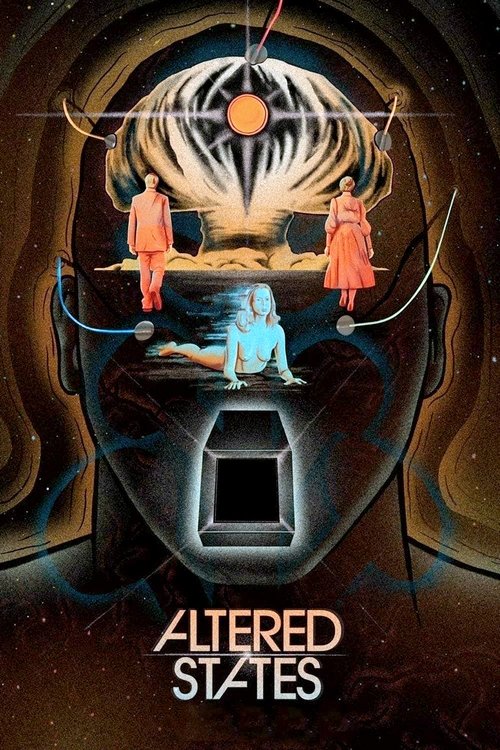
How Altered States scares: It opens like a serious academic drama about a scientist pushing his own mind past normal limits, then slowly warps into a string of intense, hallucinatory sequences that get stranger and more physical as it goes. The scares here aren't jolts or monsters jumping out; they come from watching identity and reality itself seem to dissolve, which builds a real sense of unease rather than excitement. Some later scenes bring body horror and physical transformation into play, so it's not purely cerebral, but the dominant feeling is disorientation and dread rather than blood or violence. This is more for people who like strange, trippy, mind-bending horror than for those wanting a fun scare-fest.

The Serpent and the Rainbow
1988 · voodoo
How The Serpent and the Rainbow scares: There's a queasy, sweaty, nightmare-logic feeling to this one, like your senses can't be trusted anymore. Long stretches of unease and paranoia in Haiti build slowly, then give way to sudden hallucinatory jolts and disturbing images that hit hard. The fear mixes real physical danger with a creeping dread about losing control of your own mind and body. It's more unsettling than fun, with a couple of scenes that are genuinely hard to watch, so it's better for people who like their horror thoughtful and a little nasty rather than pure popcorn scares.
Santa Sangre
1989 · psychological horror
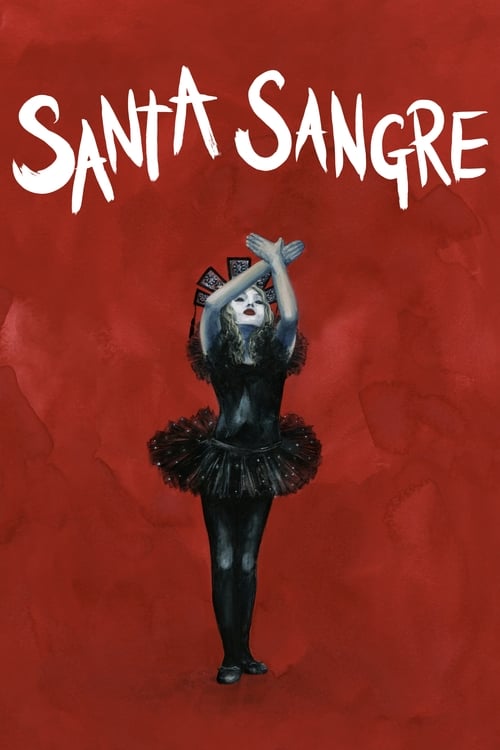
How Santa Sangre scares: Watching this feels like sinking into a fever dream that never quite lets you find solid ground, with images that are beautiful and horrifying at the same time. The horror isn't about jump scares or being chased; it's about watching a broken mind and a suffocating family bond spiral into something monstrous. It moves slowly and strangely, more like a nightmare-tinged art film than a conventional scary movie, and the violence that does happen feels less like a slasher kill and more like a symbolic gut-punch. This is for people who want horror that lingers as unease and sadness rather than adrenaline, and who don't mind a movie that feels like poetry more than plot.

The Beyond
1981 · gothic
How The Beyond scares: It opens like a slow gothic mystery about a haunted hotel, then drifts further and further from normal logic until the whole movie feels like a fever dream. The scares don't come from jump-out shocks but from a heavy, wrong feeling that builds scene by scene, punctuated by sudden bursts of graphic, over-the-top gore. It's less about a coherent story and more about mood, dread, and shocking imagery that doesn't always explain itself. This is for people who like nightmarish, artsy horror and don't mind gore that's more strange and upsetting than realistic.

ABCs of Death 2
2014 · anthology
How ABCs of Death 2 scares: Watching this feels like flipping through 26 completely different short films back to back, so the mood swings hard from silly and cartoonish to genuinely gross and upsetting within minutes. There's no slow build here since each segment has to make its point fast, so the scares lean on shock images, body horror, and dark jokes rather than long dread or jump-scare setups. Some parts are supernatural, some are sci-fi, some are just twisted real-world violence, so the type of threat keeps changing letter to letter. It's best for horror fans who like variety and can handle extreme gore mixed with weird humor, not for anyone wanting one consistent scary story.
Cemetery Man
1994 · zombie
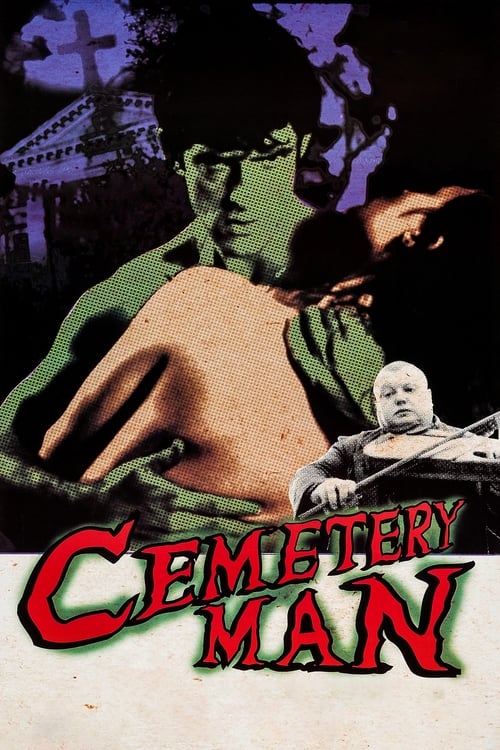
How Cemetery Man scares: Watching it feels more like slipping into a strange fever dream than sitting through a scary movie. The pacing is loose and dreamlike, drifting between deadpan jokes, sudden zombie attacks, and quiet, melancholy stretches about love and loneliness. Gore shows up in bursts and is stylish and over the top rather than sickening, and the whole thing has a wry, absurd sense of humor running under it. It's a good pick for someone who wants weird and darkly funny over genuinely frightening or upsetting.

Lisa and the Devil
1974 · gothic
How Lisa and the Devil scares: There's a woozy, disorienting quality to this one, like being trapped in a dream you can't wake up from, where time loops and faces blur together. Mario Bava builds his scares through strange visuals, eerie mansion interiors, and mannequins that feel almost alive, rather than through jolts or chases. The pace is slow and hypnotic, more interested in mood and dread than in action, and the violence that does happen is brief and stylized rather than graphic. It's best for viewers who like their horror strange, artful, and unsettling rather than fast or physical.
In Fabric
2018 · psychological horror
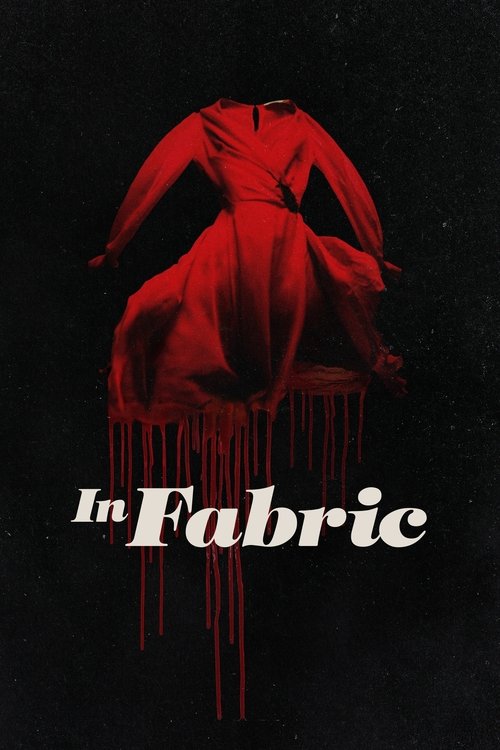
How In Fabric scares: In Fabric feels less like a normal horror movie and more like a strange dream you can't quite explain afterward. The pace is slow and hypnotic, full of odd camera angles, dreamy lighting, and a droning sound design that makes everyday shopping feel unsettling. There are almost no jump scares here; instead the fear creeps in through mood, repetition, and a sense that something is quietly wrong underneath all the surreal comedy. It's more strange and unsettling than outright terrifying, best suited to viewers who enjoy art-house style horror over traditional scares.
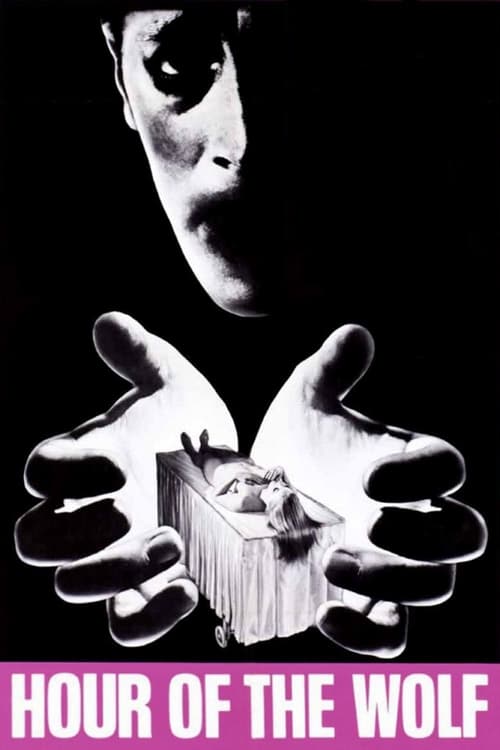
Hour of the Wolf
1968 · psychological horror
How Hour of the Wolf scares: Watching it feels like slowly losing your grip on reality alongside the main character, with no clear line between what's really happening and what's only in his head. The pace is patient and dreamlike, more unsettling than scary in a jump-out-at-you way, built from strange visions, whispered confessions, and a growing sense of dread rather than any monster or killer. There's almost no blood or violence shown on screen; the horror comes from mental collapse, guilt, and isolation on a lonely island. This is a heavy, art-house kind of horror for people who want something that sits with them uncomfortably rather than a fun scare.
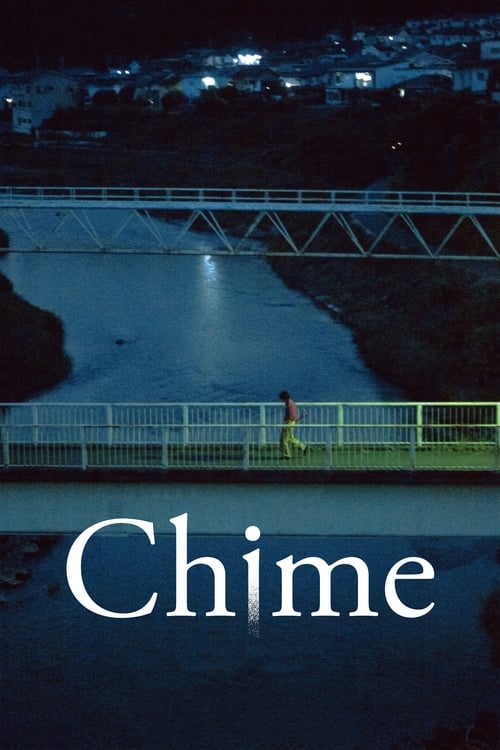
Chime
2024 · psychological horror
How Chime scares: There's a quiet, off-kilter unease that settles in almost immediately and never fully resolves, like something is wrong just beneath the surface of ordinary life. The pace is slow and deliberate, with long stretches of everyday behavior interrupted by a strange, unexplained sound that seems to trigger something unsettling in the people who hear it. It leans hard into ambiguity, never spelling out what's really happening, which makes it feel more like a waking bad dream than a traditional scary movie. This is for viewers who like their horror strange, minimal, and open to interpretation rather than loud or bloody.

Mad God
2021 · body horror
How Mad God scares: Mad God feels less like a story and more like being dragged through someone's fever dream, one grotesque, decaying room at a time. There's almost no dialogue and barely any plot to hold onto, just slow, silent wandering through rotting machines, twisted creatures, and bodies falling apart in strange ways. It's not built around jump scares or chases; the fear comes from how ugly, hopeless, and strange everything looks and feels. This is for people who want something unsettling and artistic rather than a fun scare, and it can sit heavy in your head long after it's over.
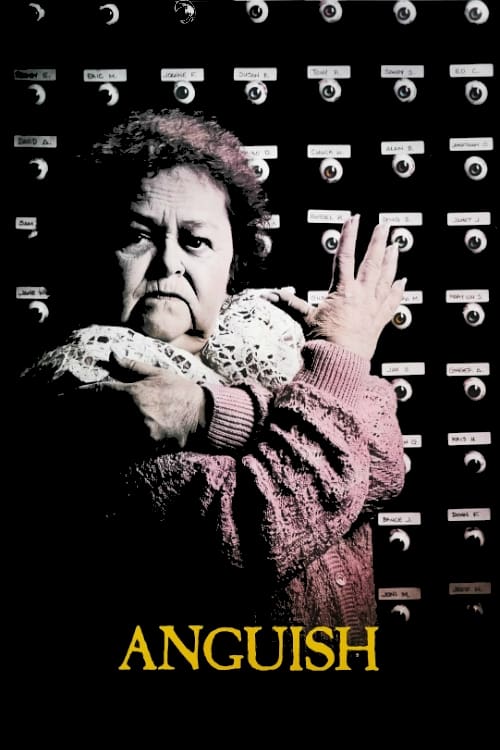
Anguish
1987 · psychological horror
How Anguish scares: Watching it feels like losing your grip on what's real, since the movie keeps folding in on itself and making you doubt what you're actually seeing. The pace is slow and hypnotic rather than jumpy, built on creepy stares, quiet dread, and a sense that something is controlling the characters from outside the story itself. There's some nasty eye-related violence and body horror mixed in, but the bigger scare is the mental disorientation, not the blood. This is a strange, arthouse pick for people who like their horror weird, unsettling, and a little confusing rather than straightforward or fun.
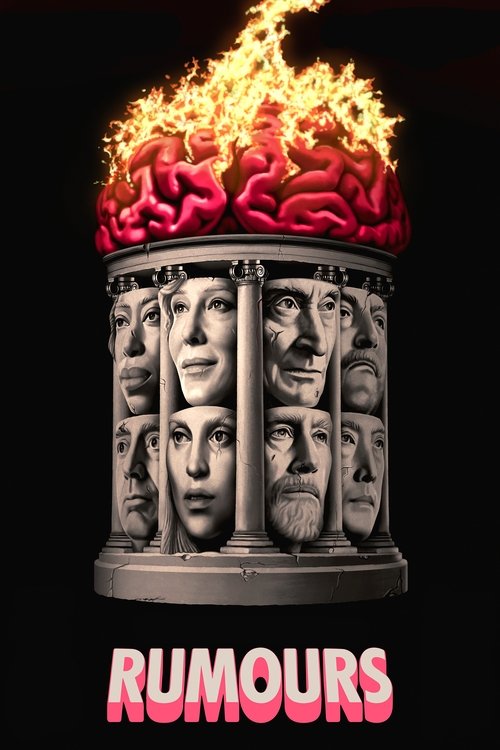
Rumours
2024 · dark comedy
How Rumours scares: There's a dreamlike, absurd calm to most of it, like a fever dream about politics rather than a straightforward scare. The pacing is slow and strange, wandering through foggy woods with odd detours instead of building toward jolts or chases. Any horror here comes from bizarre, uncanny imagery and dark comedy more than real dread, so it plays more like a weird, funny nightmare than something meant to frighten you. Good for viewers who like offbeat, surreal humor with just a light coating of horror on top.

Xtro
1982 · body horror
How Xtro scares: There's a queasy, off-kilter feeling running through this whole movie, like something is wrong with the world but nobody will say it out loud. It moves slowly through family tension and awkward domestic drama before dropping into sudden bursts of body horror and strange, dreamlike imagery that don't play by normal rules. The scares aren't jump-scares so much as sights you can't quite unsee, mixed with a real sense of family and identity falling apart. This one is for people who like their horror weird, low-budget, and unsettling rather than slick or fun.
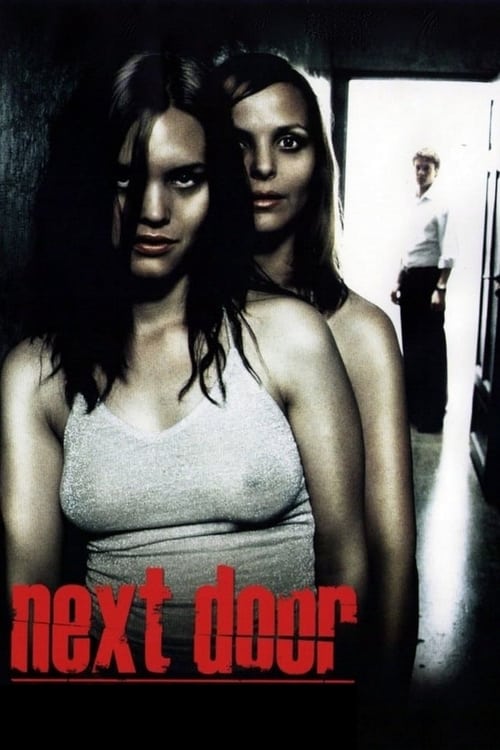
Next Door
2005 · psychological horror
How Next Door scares: Next Door pulls you into a headspace where nothing you see can be trusted, and it never lets you settle back into solid ground. The dread comes from confusion and shame more than danger, as the story blurs memory, guilt, and desire until you can't tell what's real. It moves slowly and quietly, favoring uncomfortable close-up moments over shocks or scares that make you jump. This is for viewers who like their horror mental and messy, more unsettling than thrilling, with an ending that leaves you unsteady rather than relieved.
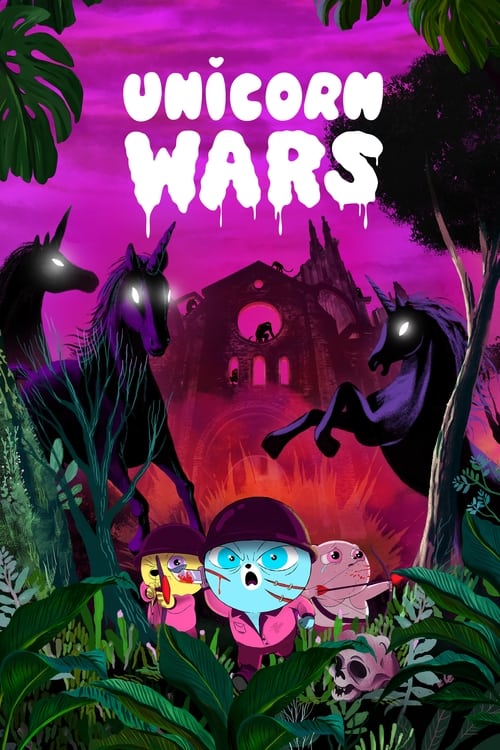
Unicorn Wars
2022 · animated horror
How Unicorn Wars scares: It starts almost like a twisted kids' cartoon, with cuddly-looking bear cubs going through military training, and slowly warps into something much darker and stranger as the story pushes deeper into the forest. The horror builds gradually through mood and dread rather than jump scares, until it tips into full-on nightmare territory with disturbing, hallucinatory imagery. The fear here is more about the sinking feeling of watching innocence curdle into cruelty than about being startled. It's a heavy, upsetting watch dressed up in cute animation, not a fun scare-ride, and it sticks with you after it ends.
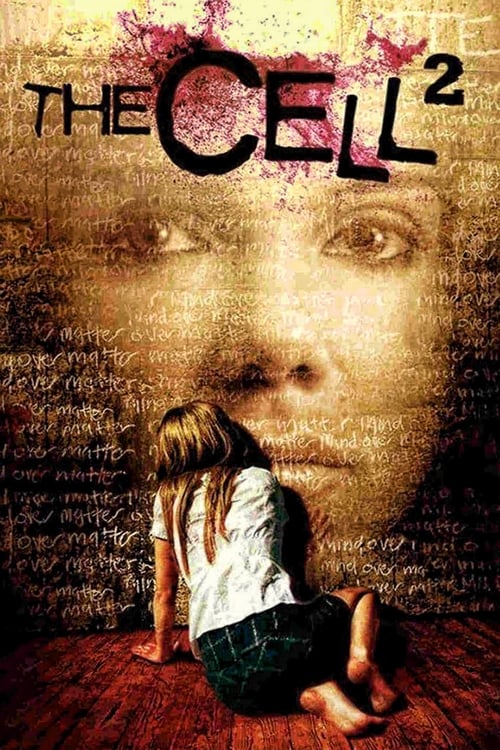
The Cell 2
2009 · serial killer
How The Cell 2 scares: The Cell 2 leans on trippy, surreal dream imagery more than jump scares, mixing psychic visions with scenes of a killer torturing his victims in twisted ways. The fear comes from a mix of body-based dread (torture, physical harm) and a woozy, mind-bending unease as characters slip into someone else's head. It's more style-over-substance than truly haunting, with flashes of gore and body horror imagery meant to unsettle rather than devastate. Good for viewers who liked the visual weirdness of the original and want a stranger, moodier serial-killer thriller rather than a straightforward slasher.
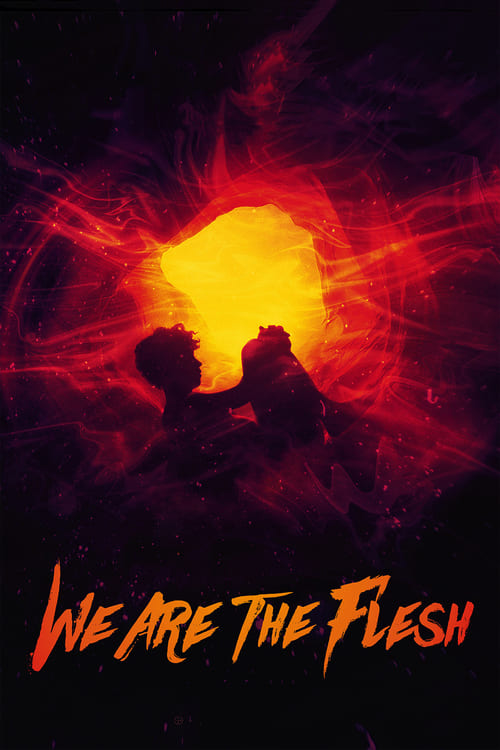
We Are the Flesh
2016 · psychological horror
How We Are the Flesh scares: It opens slow and strange, with a lot of quiet, hypnotic build-up as a stranger leads two siblings through odd rituals inside a sealed-off building. Then it keeps pushing further into taboo, dreamlike territory until the whole thing feels like a fever dream that never lets up. There are no jump scares here — the fear comes from watching normal boundaries dissolve and not knowing how far things will go. This is for people who want an unsettling, art-house kind of horror that lingers uncomfortably, not a fun scare.

Images
1972 · psychological horror
How Images scares: Watching this feels like slipping inside someone's fracturing mind, where you can never be sure what's real and what isn't. The pace is slow and hypnotic, more art film than horror movie, with unease building through disorienting visuals and a jarring, unsettling score rather than any jump scares. There's no monster or killer chasing anyone here; the fear comes from isolation, identity slipping away, and not being able to trust your own eyes. It's a quiet, strange kind of dread that lingers more than it startles, best for viewers who like their horror cerebral and ambiguous rather than fast or bloody.
Siberia
2020 · psychological horror
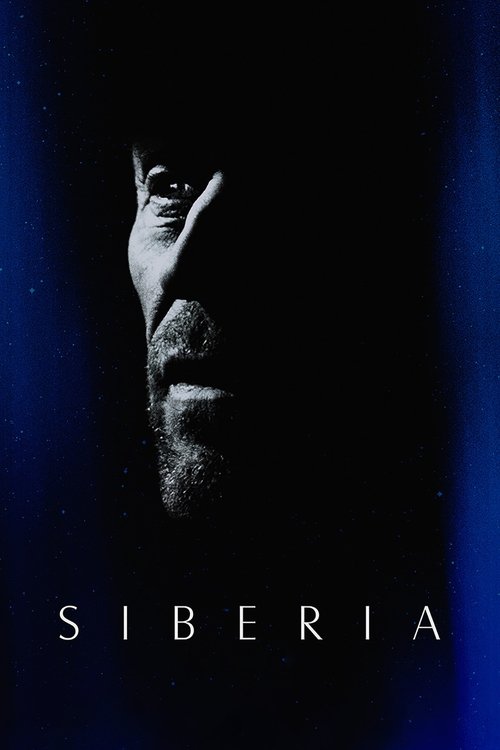
How Siberia scares: Siberia feels less like a horror movie and more like wandering through someone else's fever dream, with scenes that drift and loop instead of building a normal story. There are no jump scares here at all; the unease comes from strange, surreal imagery and a sense of being trapped inside a man's head with no clear way out. It's heavy and unsettling rather than fun, more likely to leave you disoriented and uneasy than thrilled. This is for people who like weird, artsy, dreamlike films more than traditional scares.
Homunculus
2021 · psychological horror
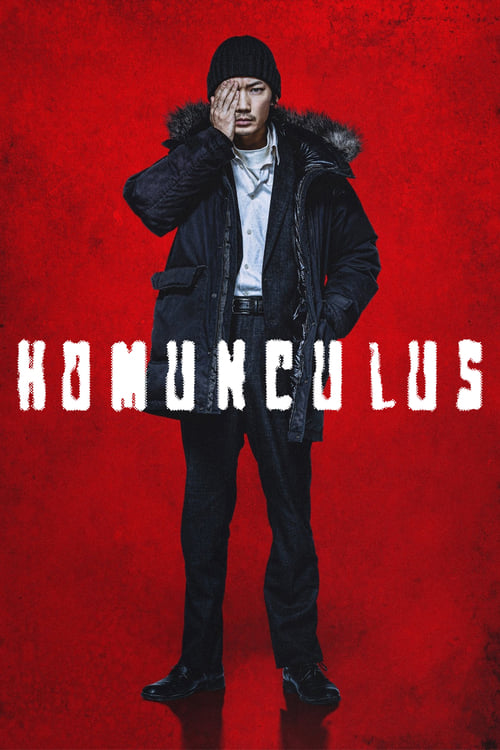
How Homunculus scares: There's a heavy, queasy feeling to this one that builds slowly instead of jumping out at you. The scares come from disturbing images of people's hidden trauma and shame made visible, not from things lurking in the dark or chasing anyone. It stays moody and thoughtful for long stretches, then drops in a genuinely upsetting visual gut-punch tied to someone's past. This is for people who want horror that sits in your chest and makes you uncomfortable about human nature, not people looking for a fun scare.
Darkened Room
2002 · psychological horror
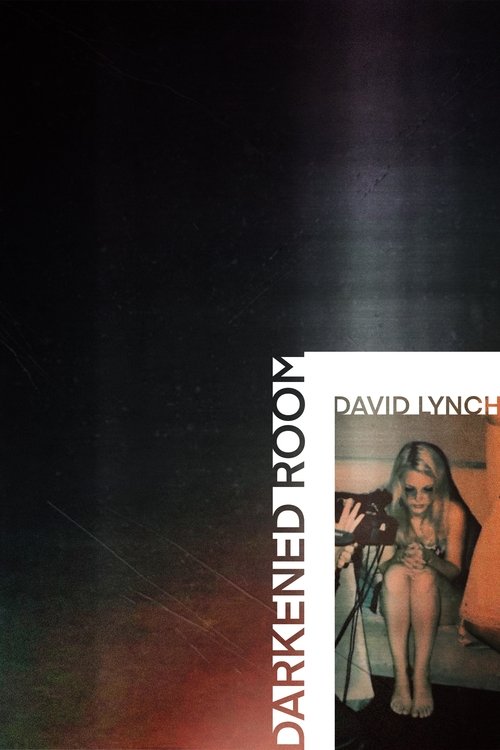
How Darkened Room scares: It unfolds slowly and without a clear beginning or end, more like a strange fragment than a movie with a normal setup and payoff. There's no chasing or violence here, just an unsettling, dreamlike mood that builds through odd behavior, strange sounds, and a sense that something is deeply wrong beneath the surface. It plays out like a fever dream, leaving you confused and uneasy rather than jumping in your seat. This is for viewers who like strange, experimental, art-house style unease over traditional scares.
Gozu
2003 · surreal
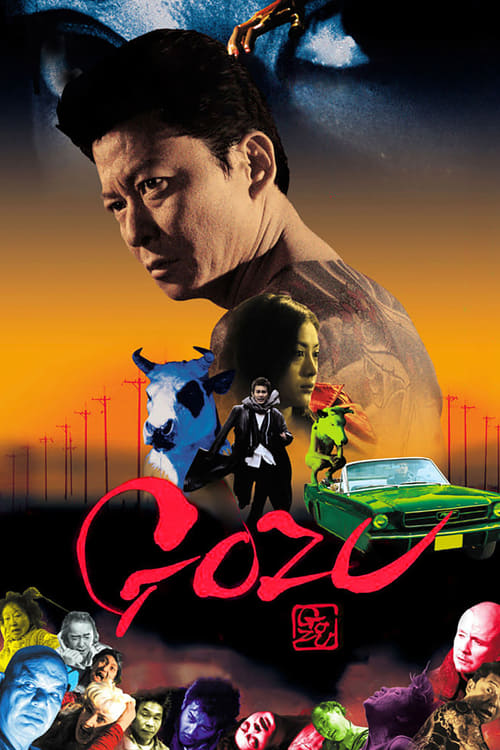
How Gozu scares: It starts off feeling like a fairly normal, moody yakuza crime story and then slowly drifts into something much stranger, with the plot loosening up until logic itself seems to stop applying. Instead of scares, you get a growing sense that something is deeply wrong with the world the main character has wandered into, full of odd characters and dreamlike, illogical detours. The horror here comes from confusion and unease rather than danger or chases, with some genuinely bizarre and squirmy imagery mixed in with dark, deadpan humor. It's more of a strange fever dream you sit through than a thrill ride, made for people who like their horror weird, arty, and hard to explain rather than tense or physically scary.
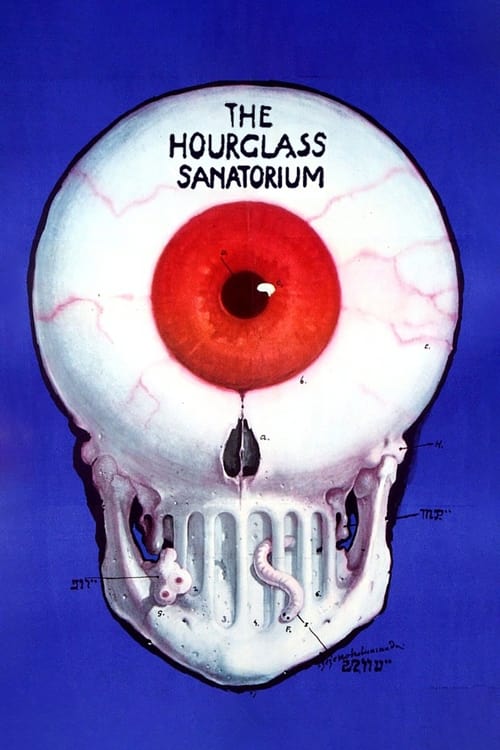
The Hourglass Sanatorium
1973 · atmospheric
How The Hourglass Sanatorium scares: Watching it feels like being lost inside someone else's dream, where rooms shift into other times and dead people wander around like it's normal. There are no jump scares or chases here; instead the fear comes from confusion and a slow sense that the normal rules of time and space have stopped working. Images pile up in strange, dense detail rather than building toward a clear scary moment, so it's less about being frightened and more about feeling unmoored and uneasy. This is for people who like strange, artistic, puzzle-like films rather than anyone looking for a traditional scare.

Boys in the Trees
2016 · psychological horror
How Boys in the Trees scares: Boys in the Trees leans more into mood and memory than traditional scares, using a dreamy Halloween night as a backdrop for something closer to a coming-of-age ghost story. The horror elements are soft and symbolic, built from unease, nostalgia, and regret rather than danger or violence. It drifts between beautiful and eerie, with moments of quiet sadness more than fright. This is a good watch for someone who wants an emotional, atmospheric experience rather than a scary one.

Subconscious Cruelty
2001 · extreme horror
How Subconscious Cruelty scares: Watching this feels less like a normal horror movie and more like sitting through someone else's nightmare, stitched together in pieces that don't follow normal logic. The pacing is slow and dreamlike rather than jumpy, letting disturbing images sit on screen and build a queasy, sick feeling instead of startling you. It leans hard into taboo, grim imagery and heavy themes like religion and cruelty, so it's built to upset and unsettle rather than to be a fun scare. This is really for viewers who seek out extreme, art-house style shock cinema, not casual horror fans looking for a good time.
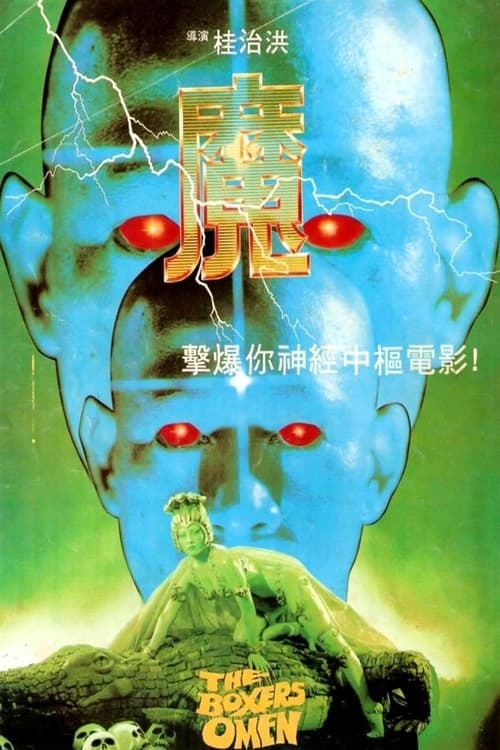
The Boxer's Omen
1983 · occult
How The Boxer's Omen scares: The Boxer's Omen throws logic out the window and just piles on one bizarre, gross ritual after another, so it feels less like a scary story and more like a fever dream you can't wake up from. There's barely any quiet build-up here — instead you get a nonstop stream of strange curses, disgusting body horror, and dreamlike black magic sequences that don't really follow normal movie rules. It's less about tension or dread and more about being stunned and grossed out by what's happening on screen. Horror fans who love weird cult classics and can handle a lot of slimy, over-the-top imagery will get the most out of it, while anyone looking for a straightforward scary movie might just be baffled.

Strange Circus
2005 · psychological horror
How Strange Circus scares: The story starts as a strange, dreamy mystery about a writer and her assistant, then keeps folding back on itself, mixing memory, fantasy, and reality until you're not sure what's actually happening. It never relies on jump scares or monsters; the dread comes from watching a twisted family situation slowly unfold and refuse to make simple sense. The horror here is about human cruelty and warped minds, not ghosts or creatures, and it leans more into shock and sadness than fun scares. This is a heavy, art-house style horror movie for people who want something unsettling and strange rather than a thrill ride.
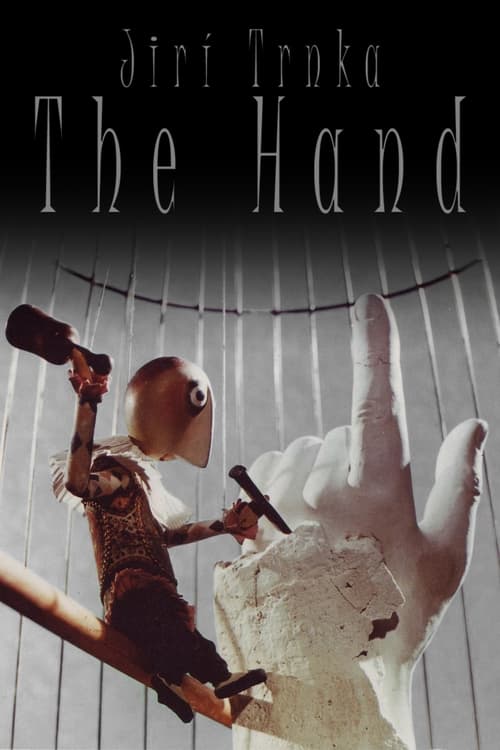
The Hand
1965 · stop motion
How The Hand scares: The Hand builds its fear slowly through strange, dreamlike stop-motion imagery rather than shocks or scares. It feels less like a traditional horror movie and more like a quiet nightmare about being controlled and cornered by something much bigger than you. There's almost no blood, but the mood is heavy and oppressive, and the ending lingers with an uneasy, sad weight. It's best for viewers who like short, artistic, symbolic horror over anything fast-paced or graphic.
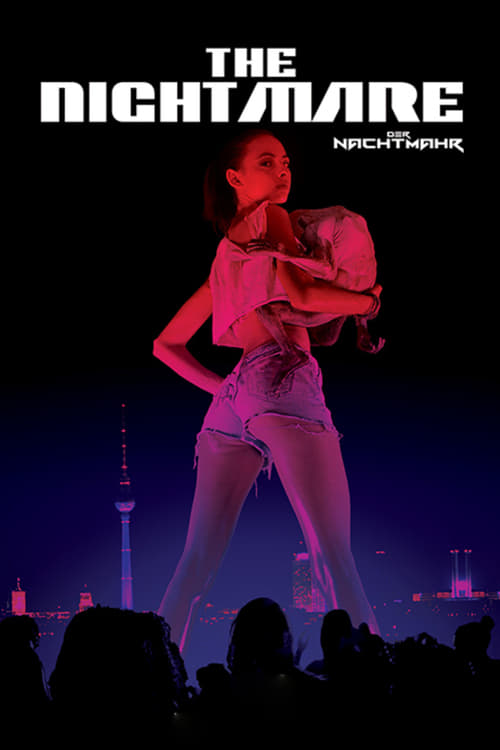
The Nightmare
2015 · psychological horror
How The Nightmare scares: There's a woozy, disoriented feeling to this one, like being stuck inside someone else's bad trip and not knowing what's real. The pace is slow and dreamlike, built around unease and strange visuals rather than jolts or scares that make you jump. It leans more into teenage confusion and dread than gore or physical danger, mixing party scenes and neon lights with something unsettling lurking underneath. This is for people who like their horror strange, moody, and a little disturbing rather than thrilling or fun.
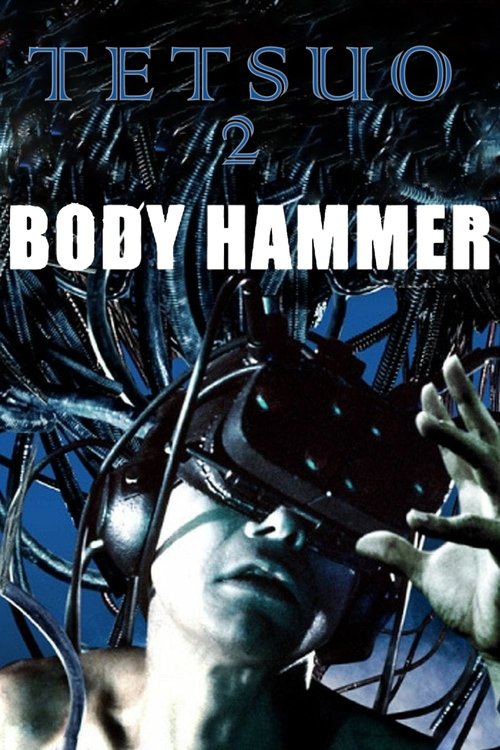
Tetsuo II: Body Hammer
1992 · body horror
How Tetsuo II: Body Hammer scares: Watching this feels like being trapped inside a machine that's slowly grinding you apart, all clanging metal, flashing lights, and rising panic rather than jolts or scares in the traditional sense. The pace is frantic and relentless once it gets going, with rapid cutting and industrial noise building a sense of body-level wrongness instead of creeping dread. Its fear comes from watching a person's body and mind spiral out of control, fused with metal and rage, more strange and upsetting than scary in a fun way. This is for fans of weird, aggressive body horror and experimental filmmaking, not for anyone looking for a straightforward scary movie night.
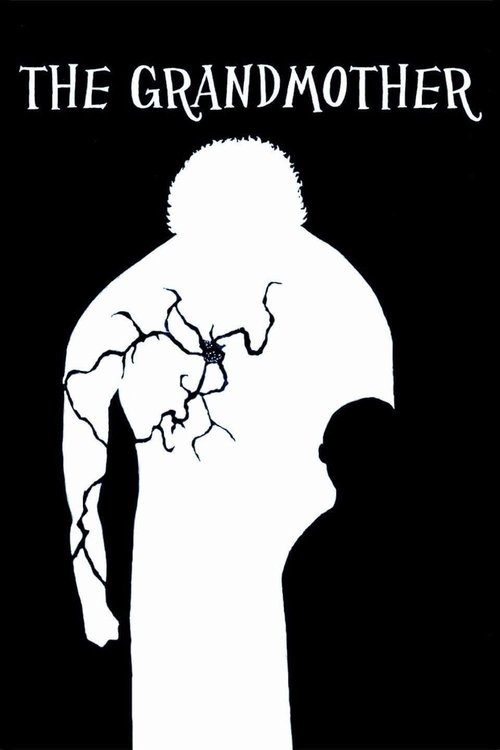
The Grandmother
1970 · surreal
How The Grandmother scares: Watching it feels like being trapped inside someone else's nightmare, where nothing follows normal logic and every image feels wrong in a way you can't quite explain. There are no jump scares here; instead it moves in slow, dreamlike stretches of strange sound and grotesque imagery that build a thick, suffocating unease. The horror comes from a childlike vulnerability and body horror imagery rather than blood or chases, and it plays out almost like a silent nightmare with growls, screams, and unsettling noises standing in for dialogue. This is a strange, arty short for people who like unsettling weirdness over traditional scares, not for anyone looking for a fun fright.